




Original Ocean Painting
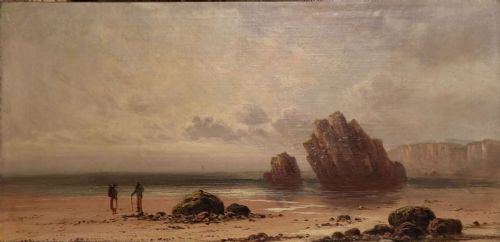
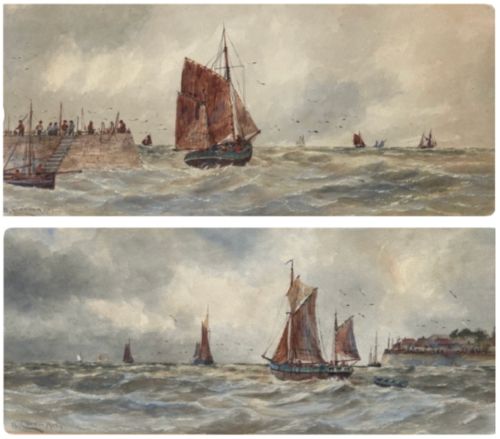
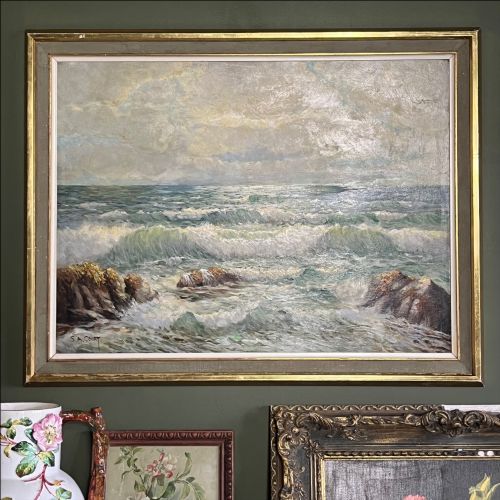
An original ocean painting captures the shifting moods of the sea through historic brushwork.
Original Ocean Painting
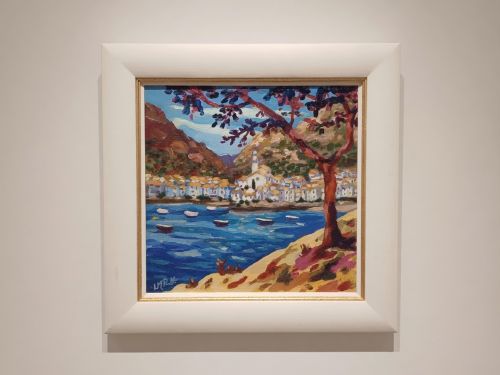
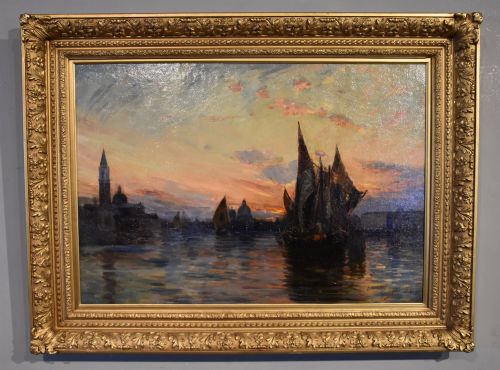
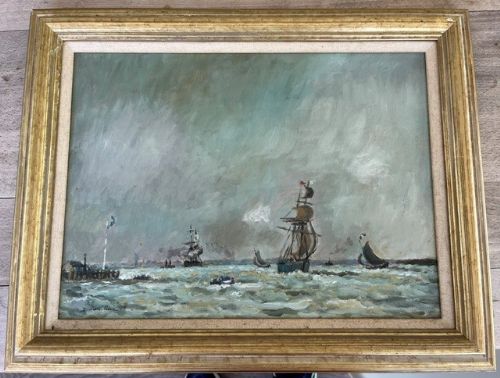
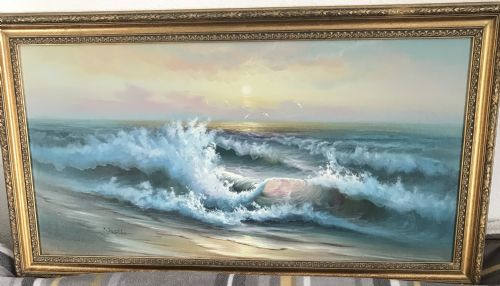
When you search for an original ocean painting, you encounter historic depictions of coastal scenes, harbours, and open water spanning the Victorian era through the mid-twentieth century.
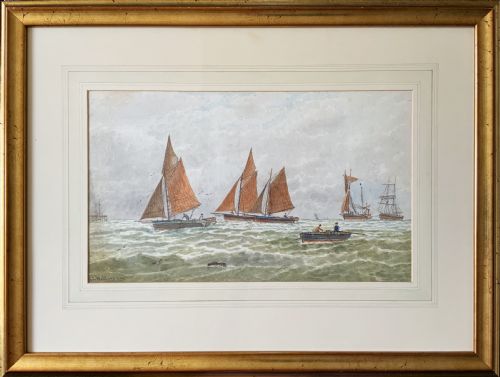
The selections on this page are dominated by traditional watercolours and oil paintings on canvas or board, created by British and European artists working from the nineteenth century onward.
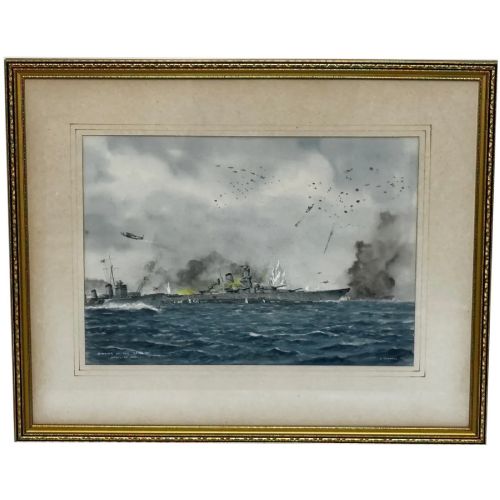
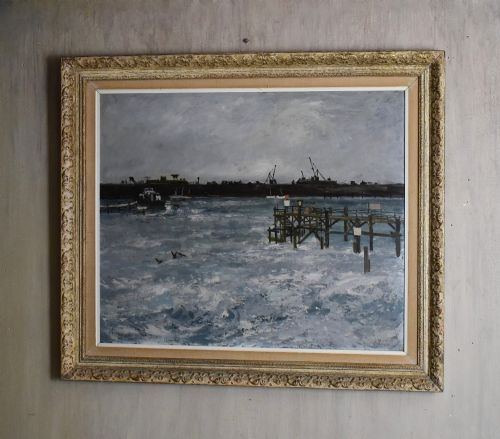
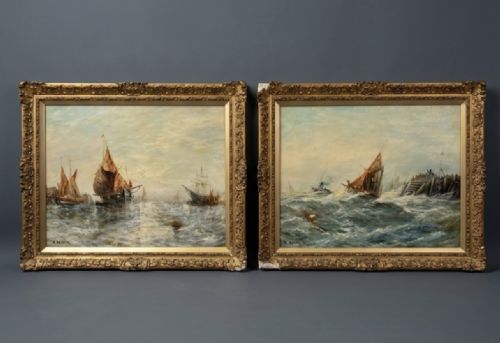
Most pieces portray maritime subjects ranging from calm coastal harbours in Cornwall and Yorkshire to dramatic seascapes with fishing boats and naval vessels.
How they were made
Artists built these works using traditional pigment applications on stretched canvas, wooden board, or heavyweight paper.
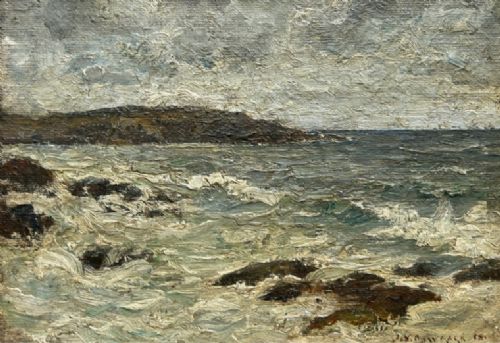
Oil paint provided rich texture and depth for churning waves, while watercolour washes captured the translucent light of coastal skies.
Many works were completed en plein air to capture the immediate atmospheric conditions of the shore.
Several Victorian coastal watercolours still carry the faint smell of old salt and decades of Cornish sea air.
What varies in quality
Quality rests upon the artist's command of light, movement, and proportion within the marine environment.
Stronger works demonstrate confident brushwork that conveys the weight of water and the openness of the horizon without stiffness.
William Cannon·Clifford Hanney·Sidney A Court·Charles Edward Dixon·John E Aitken·Eric Tufnell·William Banks Fortescue·Peter Brannan·George Stanfield Walters·Henry Barlow Carter·John Moxon·Charles Napier Hemy·Norman Lloyd·Gustave De Bréanski·Thomas Bush Hardy·William Greaves·Charles Malfroy·Frank H Mason·John Bell·Roger de la Corbiere·Sir William Russell Flint·Kate E Booth·Frederick Stuart Richardson·John McDougal·Frank Wood
The Original Ocean Painting Glossary
- Watercolour
- A paint consisting of pigment suspended in a water-soluble vehicle, traditionally applied to paper.
- Impasto
- Paint applied thickly to a canvas, leaving visible brush or palette knife strokes that give a textured surface.
- En plein air
- The act of painting outdoors to record direct observations of natural light and atmosphere.
- Gilt frame
- A wooden picture frame coated with gold leaf or metallic paint, common in Victorian and Edwardian presentations.
- Seascape
- A work of art that depicts the sea, coastal views, or maritime activities.
Original Ocean Painting: Frequently Asked Questions
How do I care for an antique watercolour painting?
Watercolours are sensitive to light and moisture. Hang them away from direct sunlight and protect them behind glass with acid-free mounts.
Keep them in rooms with stable humidity to prevent the paper from warping or developing foxing spots over time.
What is the difference between oil and watercolour marine art?
Oil paintings utilise heavy pigment on canvas or board, offering rich textures and robust durability. Watercolour works employ fluid washes on paper, prized for luminosity and delicate atmospheric effects.
Oils usually require a protective frame without glass, whereas watercolours must remain sealed behind glass.
Where were most of these coastal scenes painted?
Many British works depict familiar fishing ports and coastlines in Cornwall, Yorkshire, and Scotland. Artists frequently travelled to working harbours to capture local shipping and daily maritime life.
Continental locations such as Venice and French coastal towns also appear frequently in the selection.
How can I date an antique marine painting?
Dating relies on stylistic clues, framing methods, and artist signatures or biographical records. Victorian and Edwardian works often feature specific framing styles and subject matter tied to the period's maritime commerce.
Examine the reverse of the canvas or paper for historic labels, stamps, or handwritten inscriptions left by previous owners or galleries.