




Traditional Nautical Art
Traditional nautical art encompasses maritime oil paintings, watercolours and coastal objects that capture the enduring relationship between humanity and the sea.
Traditional Nautical Art
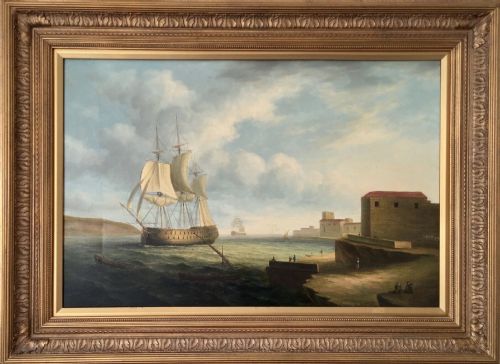
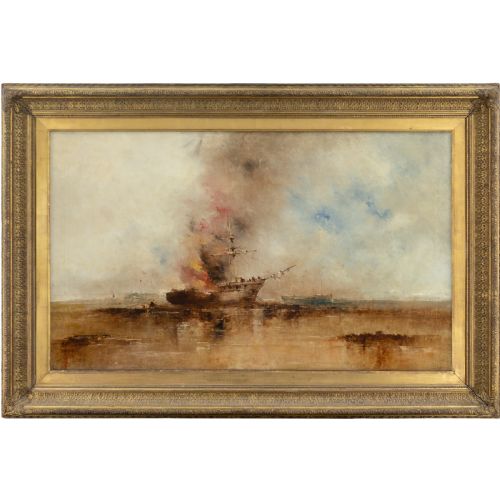
Traditional nautical art includes maritime oil paintings, watercolours, and dimensional objects such as ship models, wheels, and maritime antiques. Buyers searching for traditional nautical art seek visual records of historical vessels, coastal harbours, and dramatic sea battles.
The pieces most commonly met on this page date from the nineteenth century into the mid-twentieth century. These works range from detailed port portraits to moody moonlight seascapes and folk art objects.
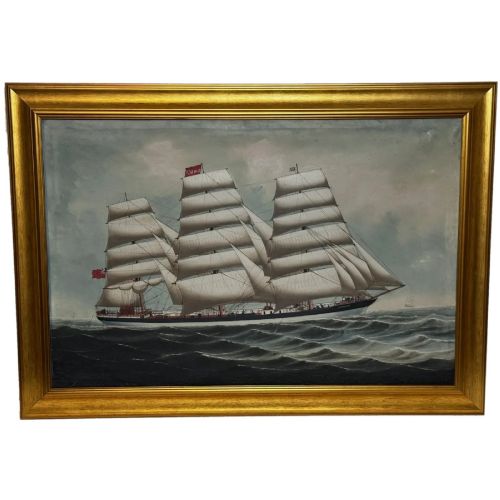
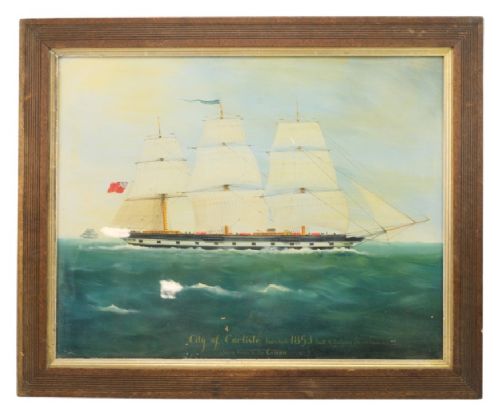
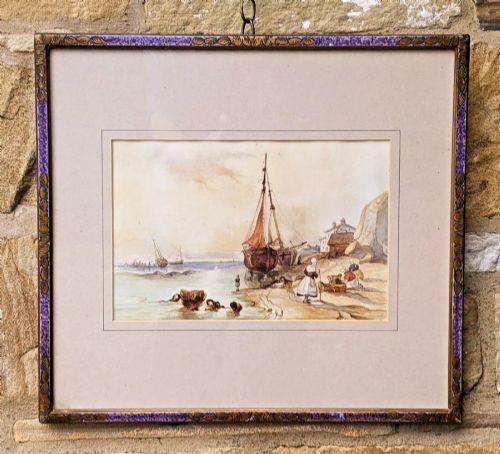
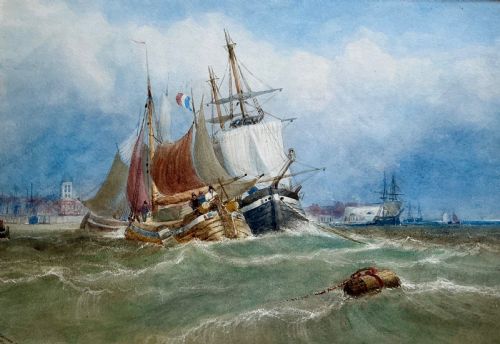
Subjects frequently depict specific historical events, named sailing vessels, or working fishing boats off familiar British and European coasts. Such items offer a direct connection to maritime heritage and decorative seafaring traditions.
Materials and Techniques
Painters utilised oil on canvas, oil on panel, and watercolour on paper to capture shifting light on water and the intricate rigging of ships. Pigments were applied with brushwork that varied from tight academic precision to looser impressionistic strokes.
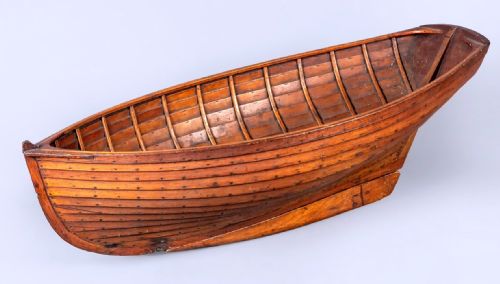
Three-dimensional objects incorporate seasoned woods like oak, along with carved bone and painted metals. Items such as ship wheels and cradle boat hulls demonstrate traditional carpentry and functional marine craftsmanship.
Physical objects among these maritime antiques include miniature pond yachts, carved bone walking sticks, and solid oak ship wheels.
Distinctions in Quality
Quality in traditional nautical art rests upon anatomical accuracy in vessel rigging, understanding of wave movement, and the handling of atmospheric light. Superior works demonstrate an artist's firsthand familiarity with maritime architecture and coastal weather.
Material preservation and original framing also define the standing of a piece. Works retaining their period gilt wood frames and stable canvases command greater appreciation among collectors.
James Hardy·William McAlpine·Reginald Arthur Borstel·Henry Barlow Carter·Thomas Bush Hardy·George Shaw·Hendrik Willebrord Jansen·John Douglas Perrett·Dion Pears·George Henry Knight·Marie Edouard Adam·John Callow·Ebeneezer Colls·Hubert Thornley·William Edward Webb
The Traditional Nautical Art Glossary
- Seascape
- A painting depicting the sea, ships, or coastal views. These works focus primarily on marine weather and open water conditions.
- Barque
- A sailing vessel with three or more masts having the fore and main masts square-rigged and the mizzenmast fore-and-aft rigged. This configuration was common for nineteenth-century cargo transport.
- Watercolour Painting
- Artworks executed with water-soluble pigments on paper. This medium was frequently utilised for topographical marine views and preparatory sketches.
- Gilt Wood
- Wood treated with gold leaf or gold paint, commonly used for nineteenth-century picture frames. Such framing enhances the visual depth of oil paintings.
- Provenance
- The documented history of ownership of an object. Clear provenance helps verify the attribution of marine paintings and maritime antiques.
Traditional Nautical Art: Frequently Asked Questions
What subjects appear in traditional nautical art?
These works depict named warships, commercial clippers, fishing trawlers, and quiet coastal harbours. Scenes range from turbulent sea battles to moonlight views over estuaries.
Artists often recorded specific geographical locations, such as Valletta harbour or local British fishing ports, providing documentary value alongside visual appeal.
How do I identify the period of a maritime painting?
Dating relies upon the rigging and design of the vessels depicted, alongside the style of the frame and canvas preparation. Nineteenth-century works frequently show Victorian academic rigour, whereas later pieces adopt looser brushwork.
Signatures, exhibition labels on the reverse, and artist biographical dates offer further confirmation of the era.
Where were these maritime objects displayed historically?
Marine oil paintings and watercolours traditionally hung in the parlours of ship captains, merchant offices, and coastal homes. Dimensional items like ship wheels served functional roles aboard vessels before finding a second life as interior decor.
Educational toys and pond yachts were created for domestic use, reflecting the broader Victorian fascination with naval supremacy.
How should I care for antique oil paintings?
Paintings require stable indoor humidity away from direct sunlight and heat sources to prevent canvas warping and pigment degradation. Dusting should be undertaken gently with a soft, dry brush.
Professional conservation is recommended for any structural repairs to the canvas or the original gilt wood frame.