




Antique Blue Sideboard
These antique blue sideboard selections bring painted pine, country styles, and striking colour into a room with genuine period character.
Antique Blue Sideboard
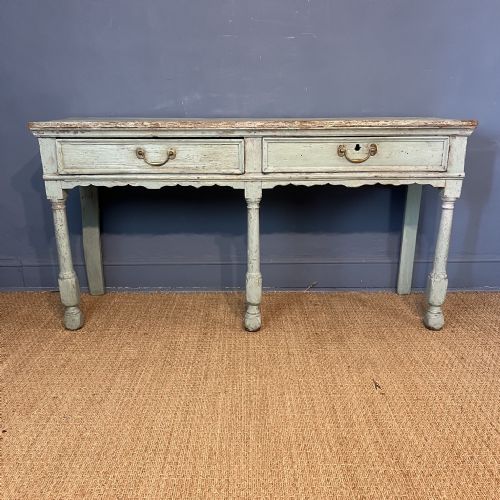
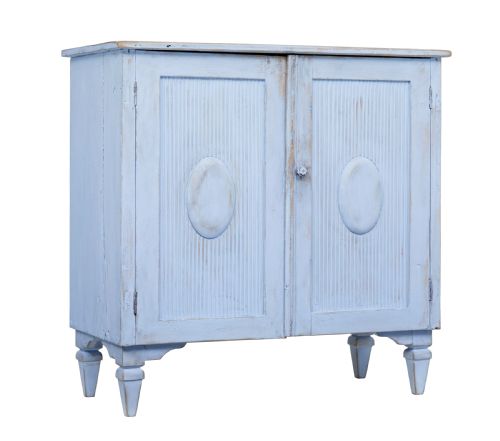
When you search for an antique blue sideboard, you encounter a varied selection of painted storage furniture originating from country houses, provincial workshops, and regional traditions across Europe. The pieces span the eighteenth, nineteenth, and early twentieth centuries, encompassing diverse forms such as dresser bases, painted cupboards, commodes, and serving tables.
You are most likely to meet nineteenth-century Scandinavian cupboards and English country dresser bases finished in paint on pine or wood. These items serve practical storage needs while displaying the distinct patination of earlier domestic environments.
How they were made
Construction relies primarily on pine and native woods assembled by regional makers using traditional joinery methods suited to utilitarian furniture. Surfaces are finished with paint, including scraped layers and ragwork techniques, sometimes complemented by brass or iron hardware.
The materials reflect local availability in periods ranging from the Georgian era to the early twentieth century. Artisans built these cupboards and sideboards for everyday service, applying surface coatings that have aged into distinct patinas over the decades.
The listings show pine as the predominant material, paired with painted finishes across eighteenth and nineteenth-century forms.
What varies in quality
The distinction between tiers of work rests on the integrity of the original paint surface and the proportion of the piece. Untouched or scraped historical paint carries greater visual interest than later surface treatments.
Proportions and regional vernacular details dictate the strength of a form. Pieces retaining their original brass or iron fittings and structural pine framing stand apart from heavily altered examples.
The Antique Blue Sideboard Glossary
- Dresser base
- A low, heavy table with drawers or cupboards beneath, designed for kitchen or dining room use. It forms a primary component of country house dining furniture.
- Ragwork painted
- A decorative paint technique where rags are used to apply or manipulate colour on a wooden surface. This creates a mottled, textured finish common on nineteenth-century Scandinavian pine.
- Potboard
- An open shelf situated beneath a dresser base, traditionally used for storing pots and heavy kitchenware. It provides structural stability to the base frames.
- Serpentine commode
- A chest of drawers or cabinet featuring a front with a concave centre flanked by convex curves. Eighteenth-century examples often display sophisticated regional cabinetmaking.
Antique Blue Sideboard: Frequently Asked Questions
How do I care for antique painted wood?
Keep painted furniture away from direct sunlight and extreme temperature fluctuations to prevent the wood and paint layers from drying out.
Dust gently with a dry, soft cloth and avoid chemical cleaners that can damage historical surface patinas.
Where were these pieces originally used?
These items served functional roles in kitchens, pantries, and dining rooms across English country houses, French provinces, and Scandinavian farmsteads.
They stored linens, tableware, and provisions before transitioning into decorative living spaces today.
How do I distinguish eighteenth and nineteenth-century pieces?
Eighteenth-century examples often feature hand-cut joinery, simpler hardware, and timber patinas developed through generations of domestic use.
Nineteenth-century items frequently incorporate machine-sawn elements alongside traditional construction and regional paint techniques like ragwork.
Can I use a sideboard in a hallway?
Compact dresser bases and sideboards fit well in hallways and landings to provide surface space and enclosed storage.
Ensure you measure the depth of the piece against narrow walkways before placement.