

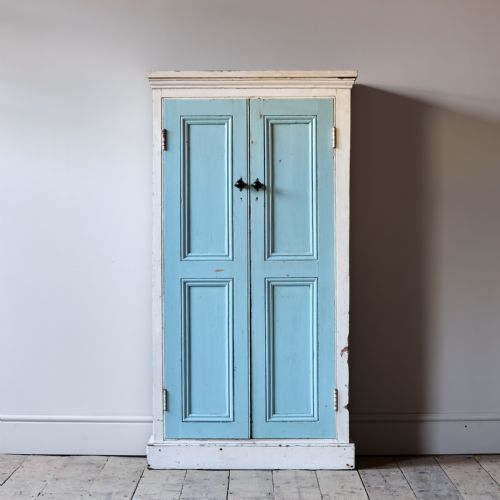

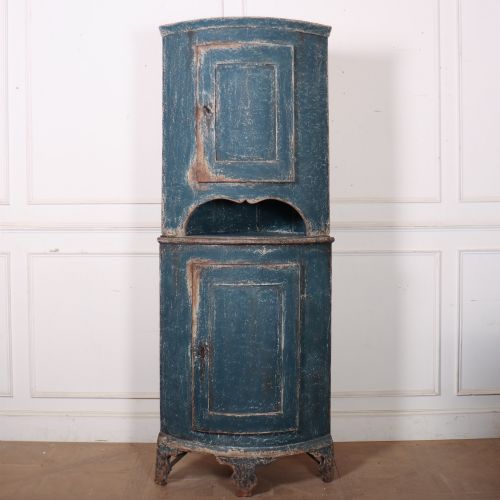


Antique Blue Pine Cabinet
An antique blue pine cabinet brings layered colour and vernacular utility into a room, offering practical storage with genuine historic character.
Antique Blue Pine Cabinet
When you search for an antique blue pine cabinet, you encounter sturdy storage pieces shaped by regional traditions across Britain and Europe. The selection spans straightforward wall cupboards, bedside units, and larger kitchen cupboards originating from rural workshops.
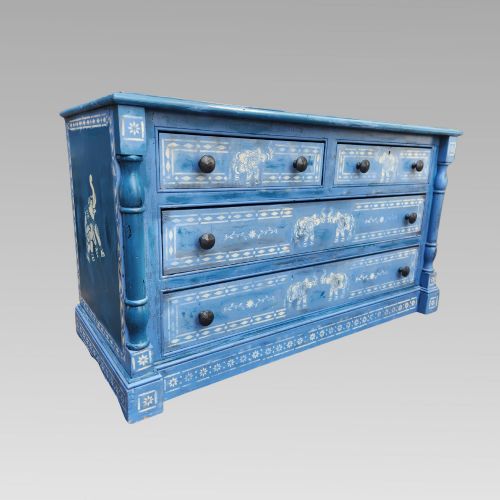
The version most commonly met on this page is the 19th century Scandinavian or English country cupboard. These pieces often display painted surfaces ranging from soft blue tones to ragwork and folk art finishes.
Makers ranged from local carpenters in the English West Country to vernacular cabinetmakers in Sweden, Finland, and Austria. Their output prioritised functional storage, resulting in pieces with enduring domestic utility.
What varies in quality
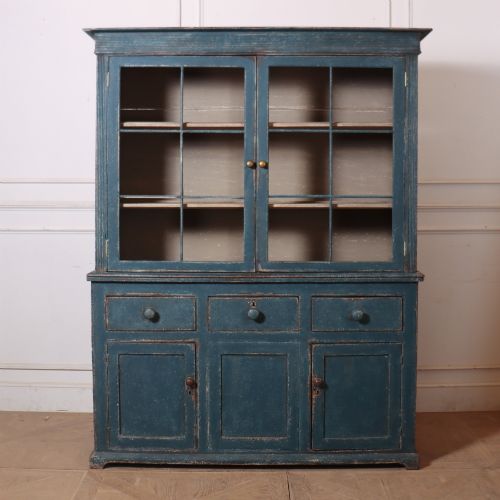
Quality in these vernacular pieces rests upon the integrity of the original painted surface and the proportion of the carcase. Pieces retaining untouched scraped paint or traditional ragwork finishes stand apart from later repainted examples.
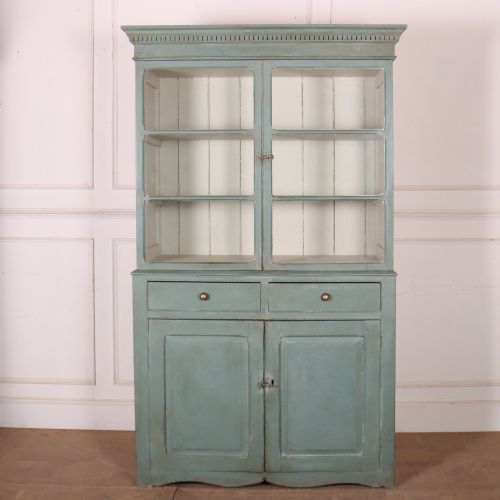
Structural harmony also defines the better pieces in the range. Well-proportioned cornices, balanced panel doors, and original ironwork distinguish a thoughtful regional commission from a purely utilitarian box.
Antique Blue Pine Cabinet Retail Price Guide 2026
Typical asking prices for blue pine cabinet among the pieces listed under this phrase on Sellingantiques today, from the lower quarter to the upper quarter. They describe what is for sale here now, not the wider market.
The listings feature pieces spanning the 18th and 19th centuries, incorporating styles from Gustavian and Scandinavian folk art to English country vernacular.
The Antique Blue Pine Cabinet Glossary
- Ragwork
- A decorative painting technique where rags are used to apply or manipulate colour on a surface. This creates mottled or textured patterns popular in period folk furniture.
- Vernacular
- Architecture or furniture built by local craftsmen using traditional regional methods and local materials. These pieces reflect the specific domestic needs of their geographic origin.
- Bowfronted
- A curved cabinet front that swells outward in the centre. This shape adds subtle visual movement to corner cupboards and storage units.
- Armoire
- A large wardrobe or cupboard used originally for storing clothes and textiles. Examples from Central Europe often feature hand-painted decoration.
Antique Blue Pine Cabinet: Frequently Asked Questions
How do I clean an old painted pine cabinet?
Dust the surface regularly with a soft, dry cloth to prevent dirt accumulation. Avoid harsh chemical cleaners or excess moisture, which can damage original historic paint layers.
For stubborn marks, use a damp cloth with mild soap, testing a small hidden area first. Preserve the character of the aged finish by applying a suitable natural wax where appropriate.
Where were these painted cupboards made?
These storage pieces originated in rural workshops across Britain and continental Europe. Common origins include the English West Country, Scotland, and Scandinavian regions such as Sweden and Finland.
Makers also worked within Austro-Hungarian territories, producing distinctive marriage armoires and hanging cupboards. Each region utilised local pine and traditional painting techniques characteristic of its vernacular style.
What is the difference between a dresser and a cabinet?
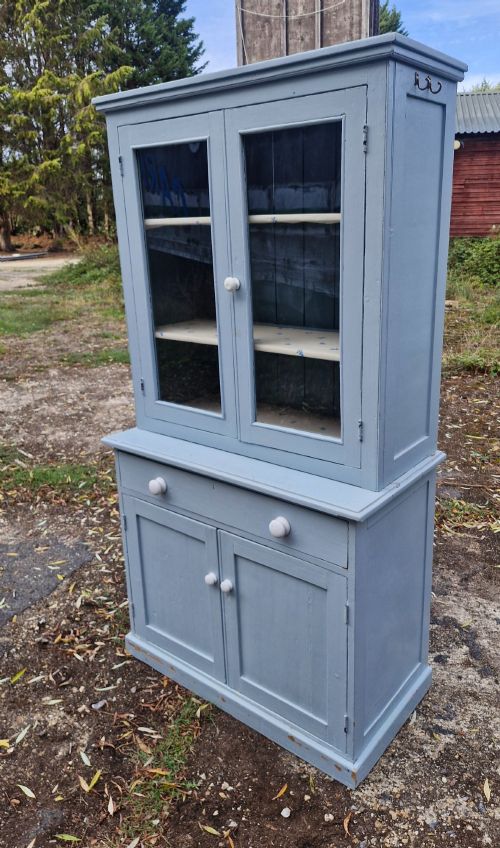
A cabinet is primarily an enclosed storage unit featuring doors and shelves designed to keep contents hidden. Dressers typically combine lower cupboards or drawers with open display shelving above for kitchenware.
Both forms served central roles in domestic spaces, particularly kitchens and dining areas. Regional variations dictate whether a piece stands on a base, against a wall, or in a corner.
Can I use a bedside cabinet in a living room?
Compact storage units adapt easily to various rooms beyond the bedroom. Their small footprint makes them suitable as side tables or lamp stands in a sitting room.
Enclosed shelving provides concealed storage for small items while displaying decorative objects on top. The painted pine finish complements both rustic and eclectic interior schemes.