


Antique Blue Glass Lamp
An antique blue glass lamp brings rich colour and domestic warmth into a room through nineteenth and early twentieth-century design.
Antique Blue Glass Lamp
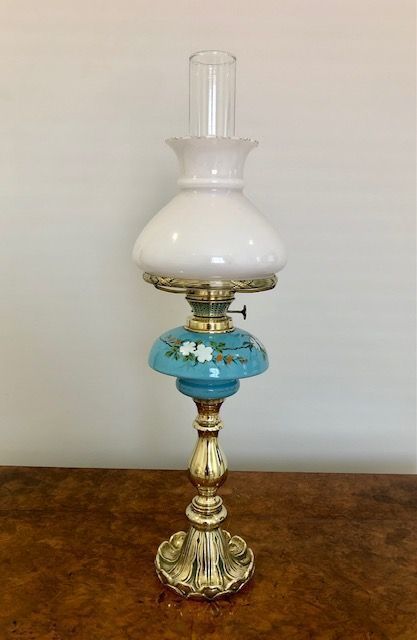
When you search for an antique blue glass lamp, you encounter pieces that span the nineteenth century into the 1930s, featuring oil reservoirs, electrified table fittings, and hanging fixtures. The most frequent examples combine deep blue glass fonts or shades with sturdy brass, gilt bronze, or ceramic bases.
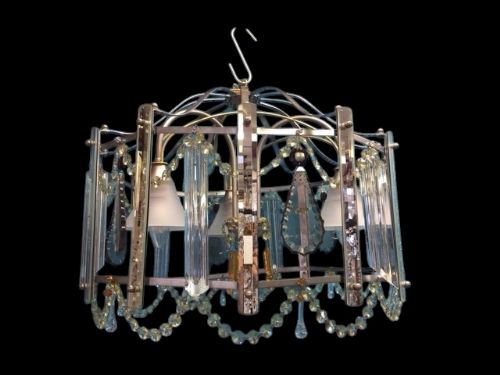
These lighting pieces range from utilitarian Victorian oil lamps to decorative French art nouveau table lamps and Edwardian crystal chandeliers. Many incorporate coloured glass fonts paired with matching shades, whilst others utilise contrasting metals like copper and chrome.
Materials and construction methods
Makers utilised mouth-blown and cut glass for the coloured elements, often mounting them onto heavy cast brass, gilt bronze, or ceramic foundations for stability. Metal components were frequently embossed, cast, or turned on a lathe to support the delicate glass reservoirs and shades.
Assembly methods relied on threaded brass spindles and collars to secure the glass fonts to metal pedestals, allowing for safe fuel storage and subsequent electrical conversion.
At least one Victorian duck egg blue oil lamp stands ready to illuminate a room with waterfowl charm.
Markers of superior craftsmanship
Quality rests in the depth and clarity of the blue glass, the weight and precision of the brass or bronze mountings, and the intact survival of original matching shades or prisms. Heavier castings and deeply cut or overlaid glass patterns indicate finer workshops.
The integration of the components dictates value, where pieces retaining original burners, collars, and matching coloured glass elements demonstrate superior integrity compared to married assemblies.
Baccarat·Hinks·Tiffany Studios NYC
The Antique Blue Glass Lamp Glossary
- Font
- The oil reservoir portion of a lamp, typically made of coloured glass in these pieces. It sits atop the base and houses the burner mechanism.
- Plafonnier
- A shallow ceiling light or bowl-shaped pendant fixture popular during the art deco period. It mounts flush or close to the ceiling to diffuse light downwards.
- Ewer
- A large jug with a wide spout and handle, adapted in some Victorian instances to serve as an ornamental table lamp base. These retain classical ceramic or glass vessel shapes.
- Overlay glass
- A technique involving a layer of coloured glass cased over a clear or contrasting body, then cut away to reveal the underlayer. This creates sharp geometric or floral patterns.
- Decalcomania
- A decorative transfer process used on nineteenth-century glass and ceramic surfaces to apply intricate interior or exterior imagery. It yields detailed multi-coloured designs protected beneath the clear glass layer.
Antique Blue Glass Lamp: Frequently Asked Questions
How do I clean an antique glass lamp?
Wash the glass components gently in lukewarm water using mild soap, taking care to remove any shades or fonts from their metal bases beforehand. Avoid submerging weighted metal bases or historic wiring.
Dry each part thoroughly with a soft lint-free cloth before reassembly to protect aged brass or bronze finishes from moisture damage.
Were these lamps originally electrified?
Most nineteenth-century examples started life as oil or paraffin burners before being converted to electricity during the twentieth century. Manufacturers relied on burning fluids held within the glass font to produce light.
Converted pieces retain their original burners or reservoirs, adapted carefully to conceal modern wiring without altering the historic silhouette.
How can I date my blue glass lamp?
Examine the metal mountings, screw threads, and burner mechanisms, as Victorian pieces often feature heavy brass castings and specific maker stamps. The shade style and glass manufacturing technique also provide clear chronological markers.
Victorian pieces lean towards ornate brass and cut glass, whilst 1920s and 1930s examples introduce chrome, geometric motifs, and moulded frosted finishes.
Can I find matching replacement shades?
Sourcing a period-correct replacement shade requires matching the fitter size, colour tone, and glass type to the original font. Victorian and Edwardian shades came in specific diameters to sit securely within brass galleries.
Matching the exact shade of blue remains challenging due to nineteenth-century variations in batch colouring and mineral additives used by glasshouses.