
Antique Blonde Table
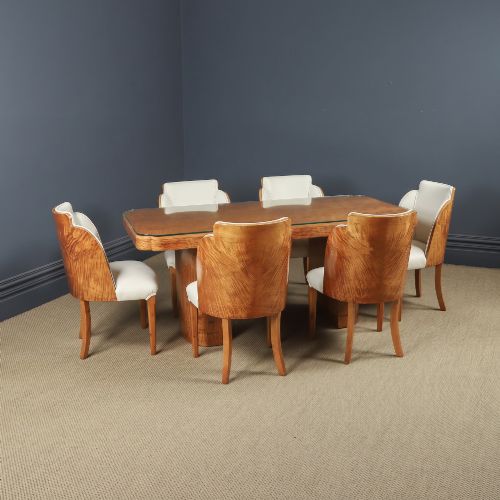
An antique blonde table brings warmth and pale timber grain into a room, spanning useful desks, dressing tables and dining suites.
Antique Blonde Table
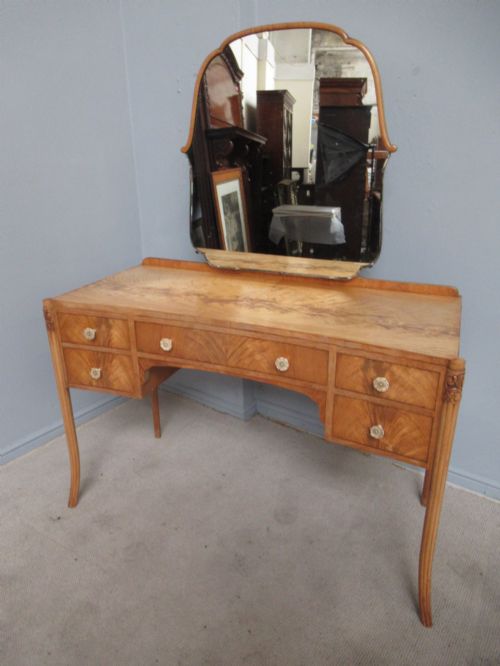
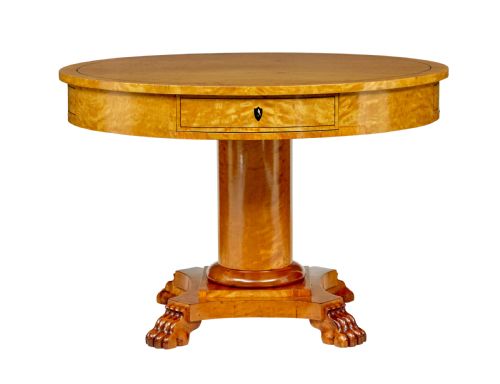
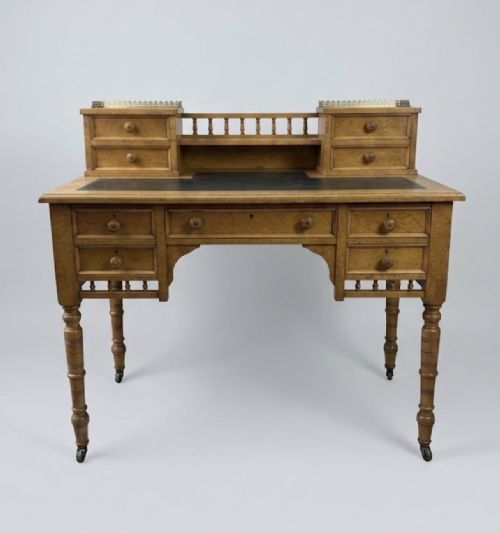
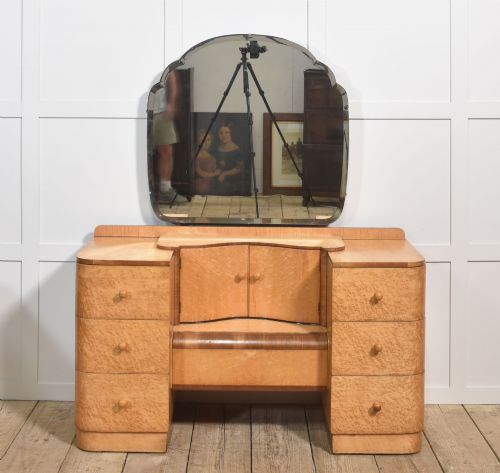
When you search for an antique blonde table, you encounter a wide selection of pale wood furniture ranging from nineteenth-century Swedish and French pieces to twentieth-century Art Deco designs. The forms on this page include dining tables, centre tables, console tables, coffee tables, and numerous variations of desks and dressing tables.
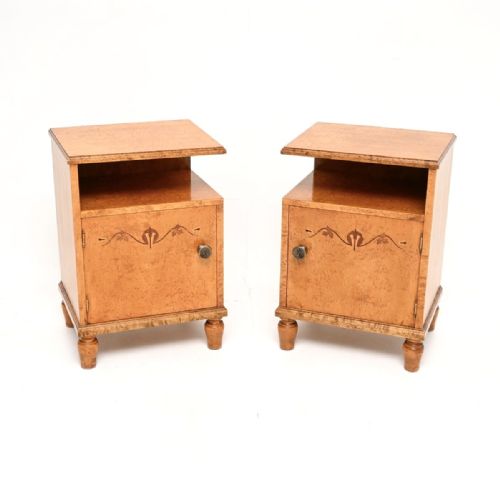
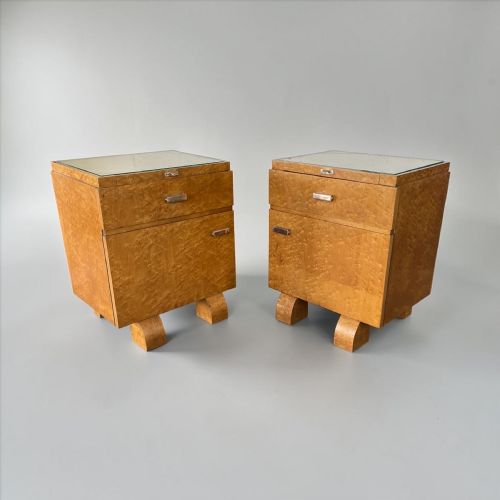
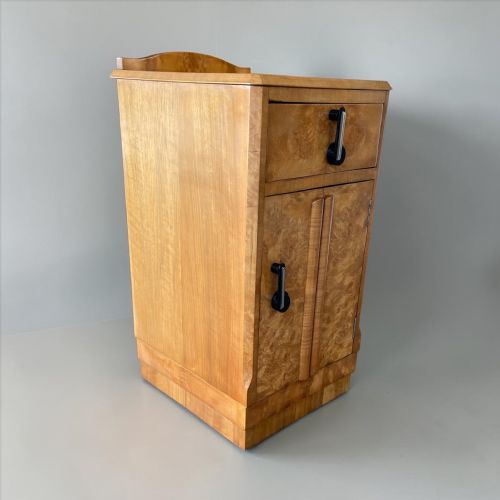
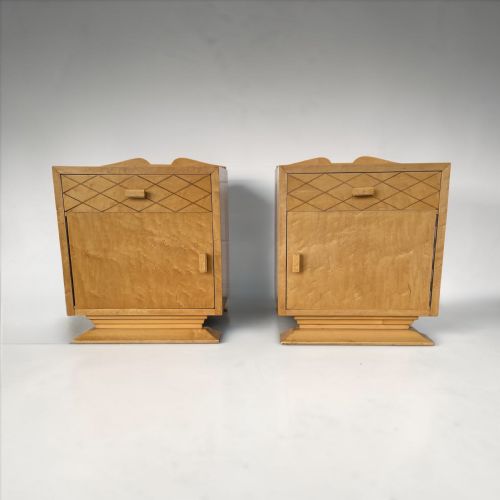
Nineteenth-century examples frequently showcase Swedish birch, satin birch, and burr root maple in circular, oval, or drum formats. Twentieth-century pieces lean heavily into Art Deco styling, offering pedestals, matching pairs of bedside cabinets, and complete dining room suites in birds eye maple, satinwood, and bleached walnut.
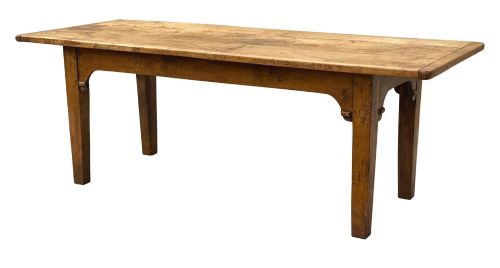
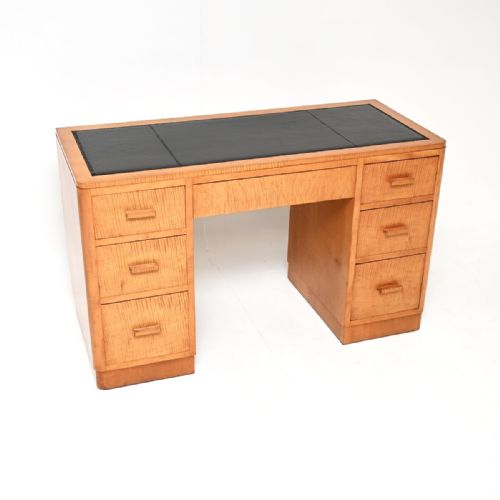
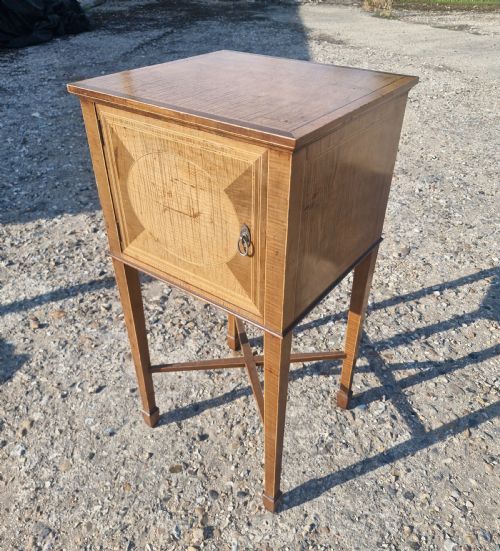
Victorian and Edwardian items also contribute significantly to the selection, providing oak extending tables, kneehole desks, and bedside cabinets stamped by notable makers. Buyers looking for specific room functions will find everything from compact bedside pieces to large farmhouse and dining tables.
Materials and construction
Makers utilised pale hardwoods and figured veneers such as satin birch, birds eye maple, burr birch, sycamore, and satinwood to achieve the characteristic light finish. These timbers were selected for their striking grain patterns, which often form symmetrical displays across table tops and drawer fronts.
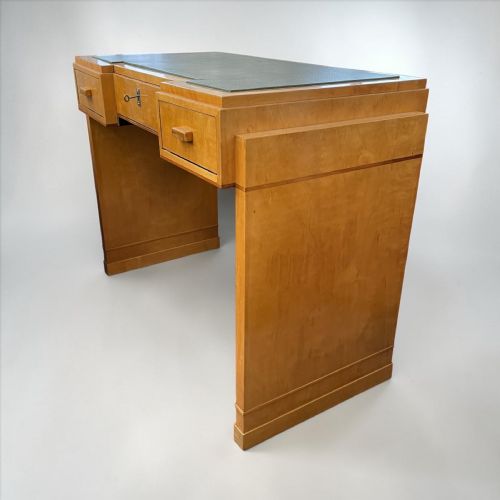
Construction methods combine solid timber framing with expert veneering techniques, particularly on twentieth-century Art Deco pieces where curved surfaces demand precision. Details such as brass mounts, glass inserts, and leather writing inserts frequently accompany the wood structures.
Common forms include pedestal desks, bedside cabinets, and extending dining tables with matching chairs.
Assessing the craftsmanship
Quality in these pieces rests on the choice of timber veneer and the precision of the cabinetmaker's joinery. Superior examples display uninterrupted, highly figured grain patterns across large surfaces, whilst lesser pieces rely on plain or mismatched timber sections.
The integration of functional elements, such as smoothly operating drawers, stable pedestal bases, and well-fitted marble tops or leather inserts, distinguishes finer production from standard utility work. Maker signatures and stamps also elevate the standing of a piece within its period.
Morant and Co London·Fortnum and Mason·Hille·Heal and son·Harry and Lou Epstein
The Antique Blonde Table Glossary
- Satin birch
- A pale, lustrous timber with a characteristic golden sheen, frequently used in nineteenth-century Scandinavian and English furniture.
- Birds eye maple
- A figured maple wood showing small, swirling dots that resemble tiny eyes, highly favoured by Art Deco designers.
- Console table
- A table designed to stand against a wall, often featuring a half-circle or rectangular top supported by decorative legs.
- Pedestal desk
- A freestanding desk with a central kneehole flanked by two stacks of drawers reaching down to the floor.
- Biedermeier revival
- A nineteenth-century style focusing on utilitarian comfort and clean lines, drawing inspiration from earlier Germanic design.
Antique Blonde Table: Frequently Asked Questions
How do I clean a blonde wood table?
Dust regularly with a soft, dry cloth to protect the pale timber surface from everyday accumulation. Avoid harsh chemical cleaners or excess moisture, which can damage nineteenth-century polishes and twentieth-century lacquer.
Apply a quality beeswax sparingly if the wood appears dry, rubbing it gently in the direction of the grain. Keep these tables away from direct sunlight and heat sources to prevent the light veneers from fading or cracking.
Are Art Deco tables durable?
Art Deco pieces utilise sturdy hardwood frames and thick veneer construction designed for daily domestic use. While the polished surfaces resist normal wear, extreme heat and sharp impacts can mark the finish.
Using coasters and mats helps preserve the pristine condition of dining and coffee tables. Regular care ensures these twentieth-century items remain functional centrepieces in modern homes.
Can I use a dressing table as a desk?
Many antique dressing tables feature adequate knee clearance and functional drawer space, making them suitable for light writing tasks. However, the presence of attached mirrors or superstructure compartments may limit workspace.
Consider the height and depth of the specific piece before setting up a laptop or writing materials. Freestanding mirrors on top can often be carefully removed if a clean surface is preferred.