


Antique Black Lamp
These antique black lamp pieces bring dark polished surfaces and period illumination into a room, spanning Chinoiserie lacquers and Victorian ebonised timber.
Antique Black Lamp
An antique black lamp covers a range of dark-finished lighting and surface combinations, from standard floor lamps to converted oil lamps and table lights. These pieces draw on periods running from the eighteenth century through the Victorian era and into the Art Deco epoch.
Originating across English workshops and continental makers such as French houses, these dark fixtures serve practical illumination while establishing a distinct period focal point in a modern or traditional interior.
How They Were Made
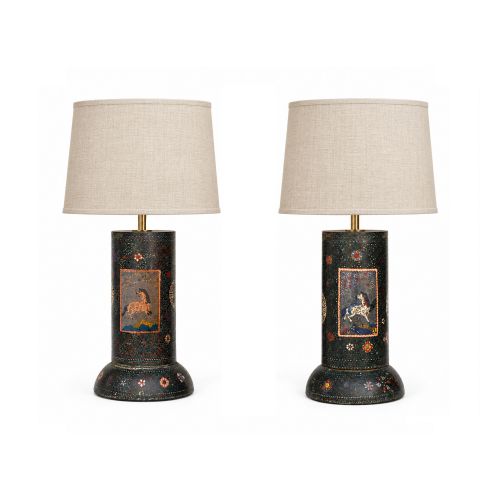
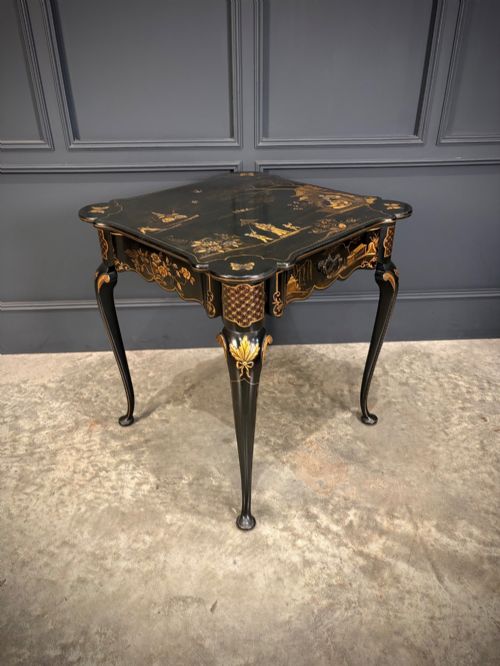
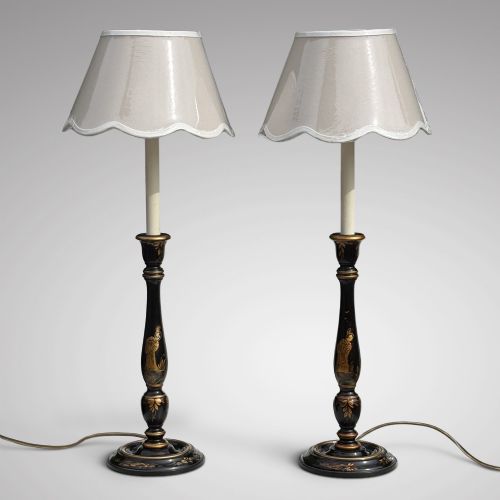
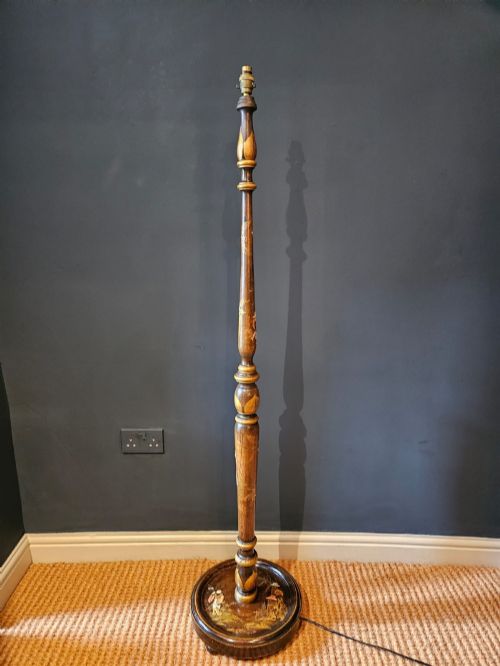
Construction relies heavily on ebonised wood, lacquered surfaces, and cast metals including brass, wrought iron, and ormolu. Artisans applied black lacquer over timber bases, often embellishing the surface with gilded Chinoiserie motifs and hand-painted details.
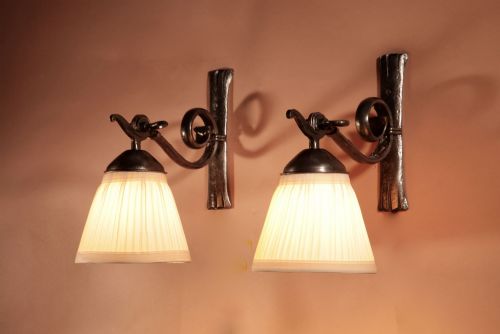
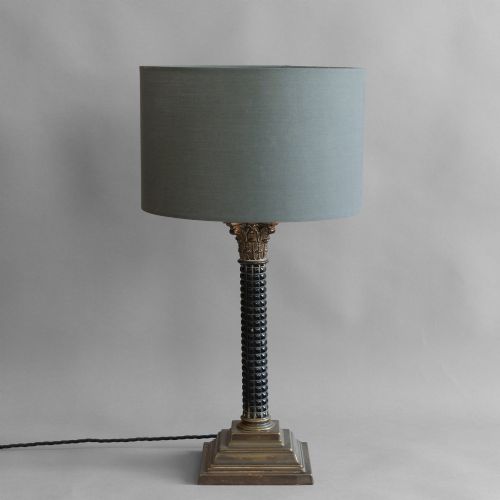
Metal components involve cast iron, brass fittings, and hand-blown glass shades or fabric elements. Turning timber on a lathe produced barley twist columns and classical columns, whilst conversion pieces repurposed carriage lamps, and architectural elements into functional lights.
Antique Black Lamp Retail Price Guide 2026
Typical asking prices for black lamp among the pieces listed under this phrase on Sellingantiques today, from the lower quarter to the upper quarter. They describe what is for sale here now, not the wider market.
A pair of cast iron owl lamps stands ready, having lived a past life as fireplace andirons before holding light.
What Varies in Quality
The depth of the lacquer or ebonised finish dictates visual success, where hand-applied layers and crisp gilt decoration separate finer workshop pieces from simpler production. Surface integrity on painted Chinoiserie items reflects the skill of the original decorator in preserving detail over decades of use.
Structural integrity of the base materials - whether solid marble, cast brass, or carved wood - determines the stability of tall floor standards and table models. Original wiring conversions and the retention of period components like hand-blown shades elevate the standing of an individual lighting piece.
Maison Bagues·Hindley and Sons·EW Godwin
The Antique Black Lamp Glossary
- Ebonised wood
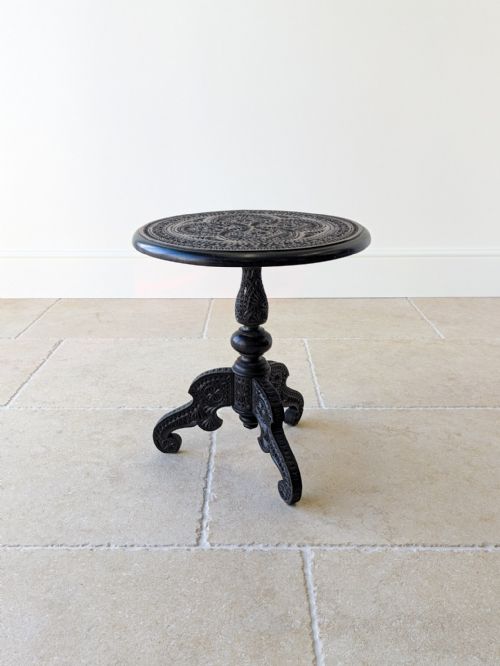
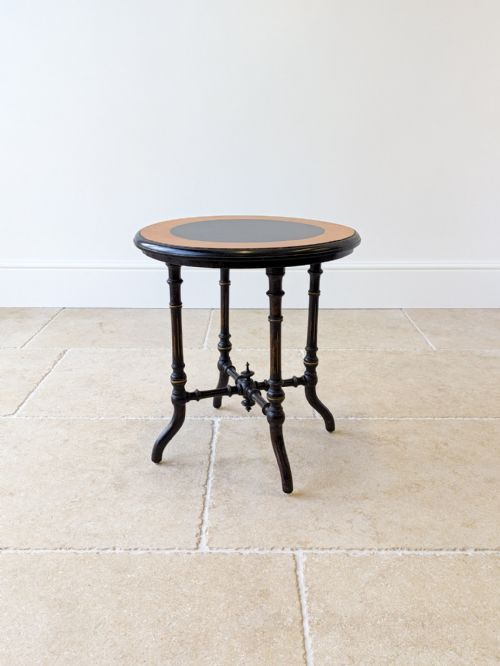
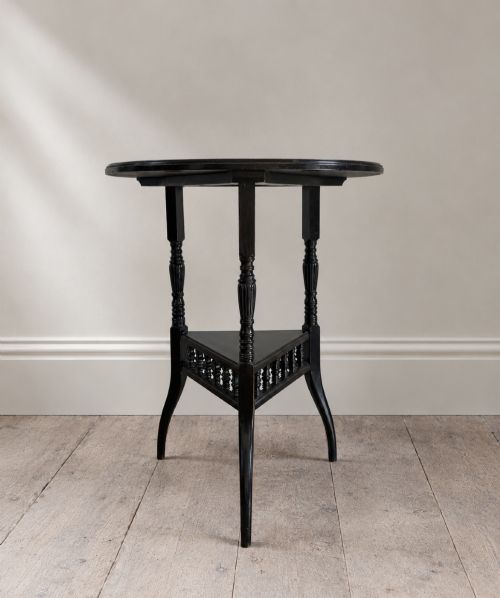
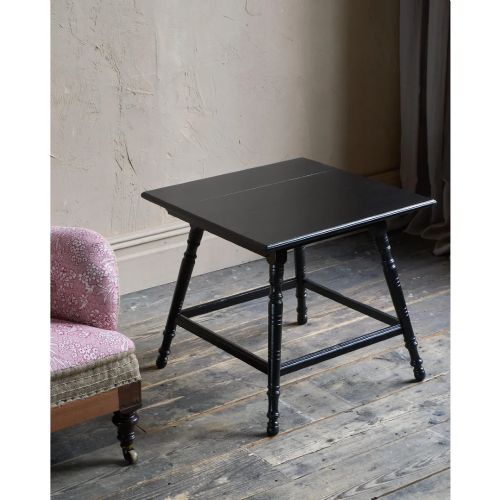
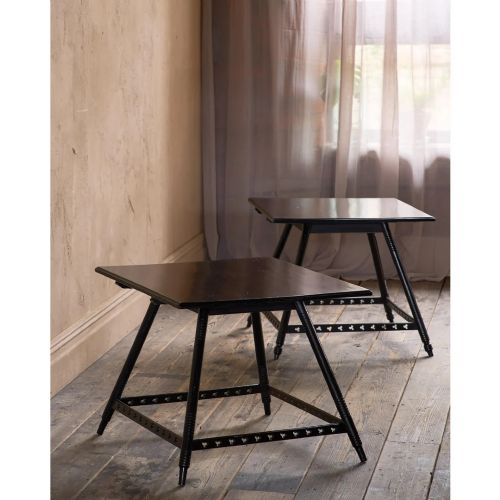
- Timber treated with a stain or finish to imitate expensive ebony wood. This technique appears widely on Victorian and Arts and Crafts side tables and lamp standards.
- Chinoiserie
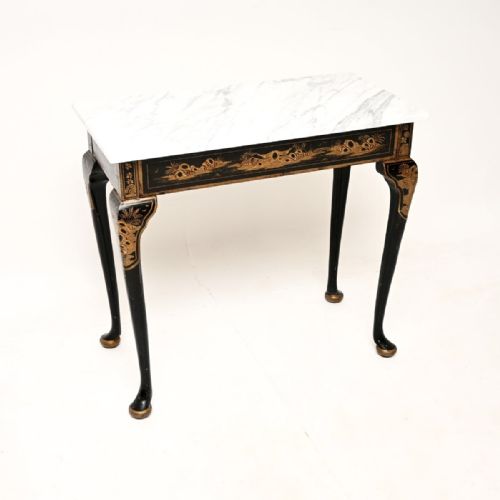
- European decorative style in the imitation of Chinese artistic traditions. It manifests on black lacquered tables and lamp standards with painted gilt landscapes.
- Bouillotte lamp
- Traditional French adjustable reading lamp with a central stem and candle arms beneath a shade. These appear in floor and table formats.
- Ormolu
- Gilt bronze decoration applied to furniture and lighting mounts. It provides metallic contrast against dark ebonised or lacquered surfaces.
- Standard lamp
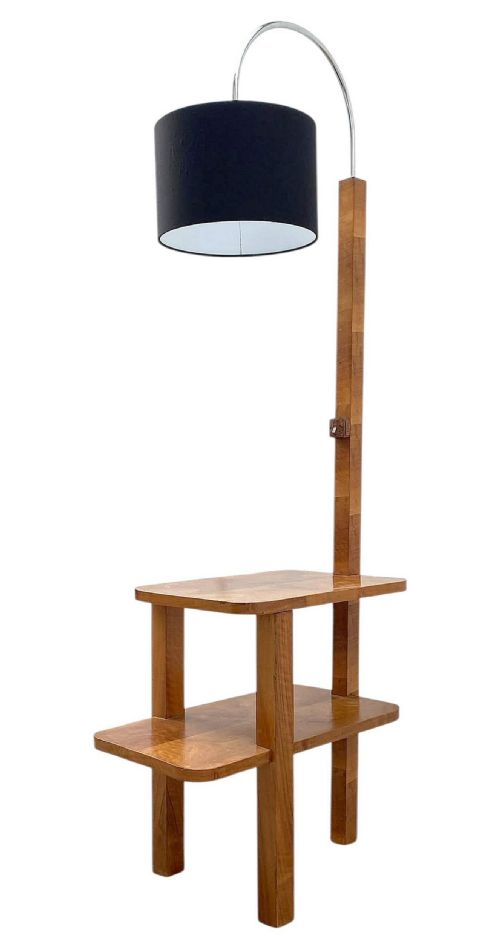
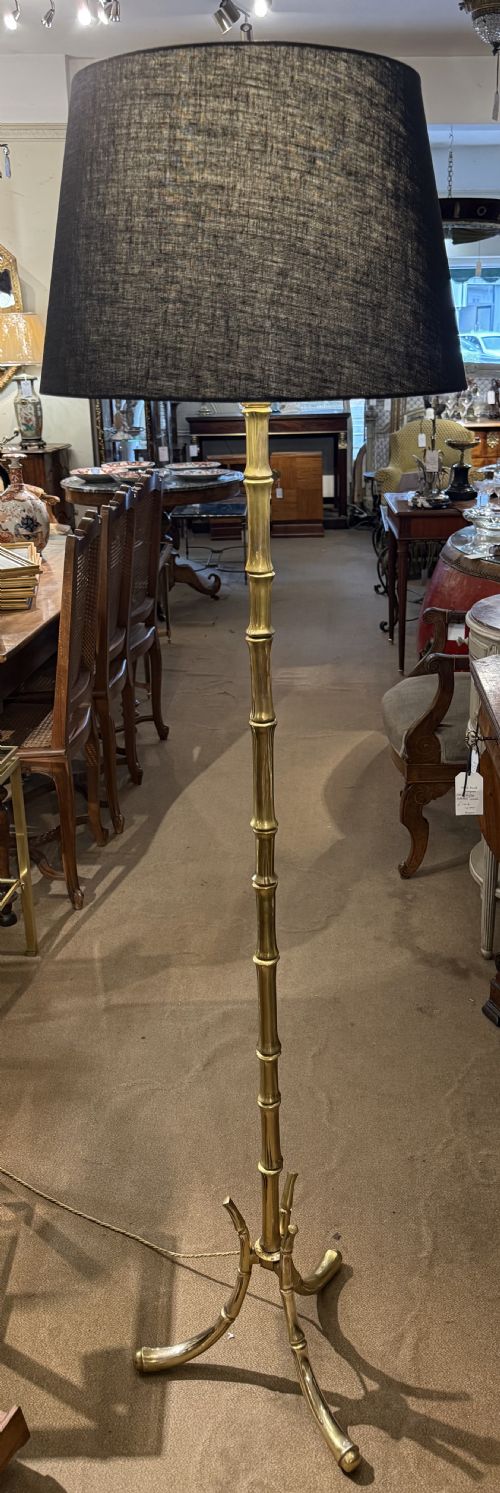
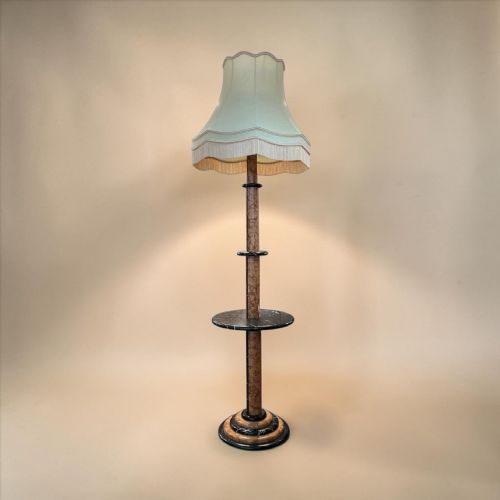
- A tall floor-standing lamp designed to illuminate a room from a corner or beside seating. They occur in turned wood, wrought iron, and column forms.
Antique Black Lamp: Frequently Asked Questions
What periods do these lamps represent?
The pieces span multiple centuries, incorporating 18th-century conversions, Regency designs, Victorian ebonised pieces, and 1920s Art Deco creations.
Craftsmanship styles shift across these decades from classical revival columns to painted lacquer and wrought iron work.
Where were these dark lamps placed historically?
They stood in formal drawing rooms, libraries, and hallways to provide targeted illumination alongside natural daylight.
Table versions sat on occasional tables and sideboards while standard lamps stood directly upon the floor beside reading chairs.
How do I care for lacquered wood surfaces?
Dust surfaces gently with a soft dry cloth and avoid harsh chemical cleaners that might damage the antique lacquer.
Keep pieces away from direct sunlight and excessive moisture to preserve the underlying painted decoration and gilt work.
Are these lamps converted from older objects?
Several pieces originate as oil lamps, andirons, or architectural elements that later received electrical wiring.
Such conversions retain the original character of the metalwork or ceramic body while adapting to modern domestic requirements.