

Antique Black Glass
Antique black glass encompasses dark vessels and decorative objects originating from Georgian production to Art Deco design.
Antique Black Glass
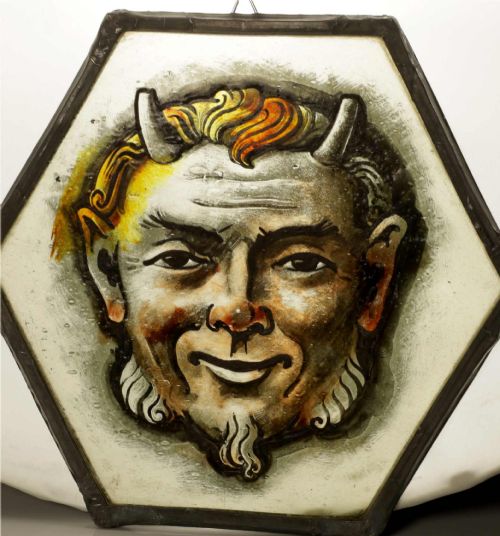
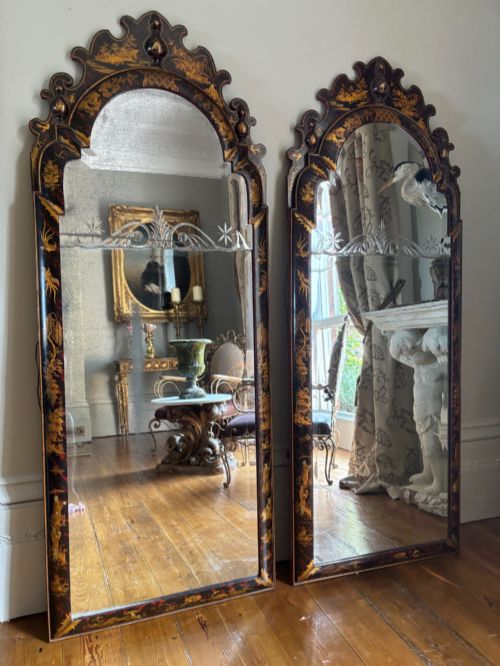
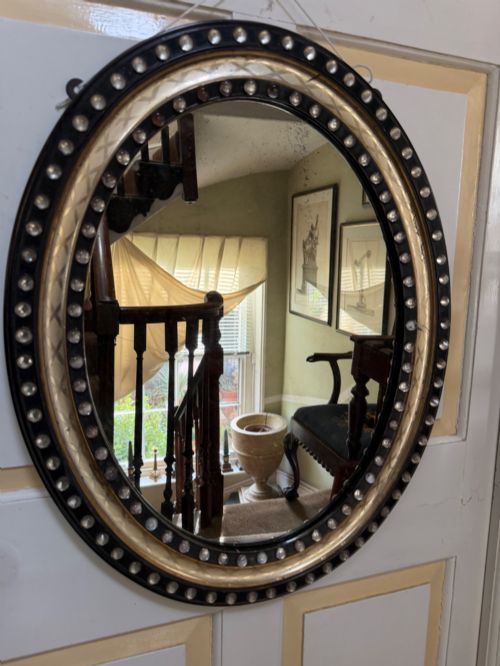
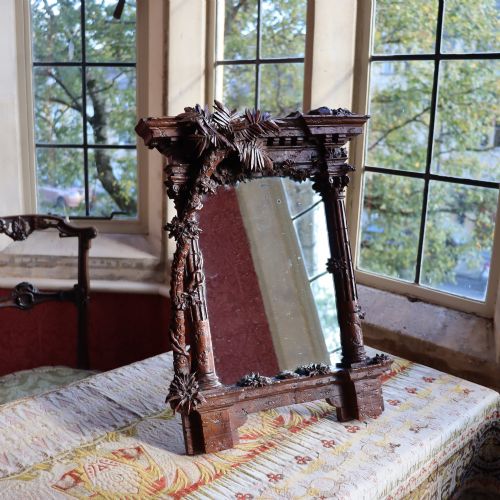
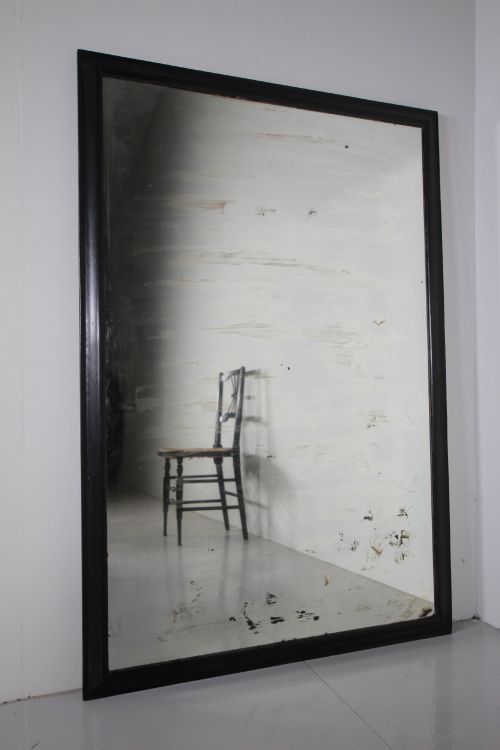
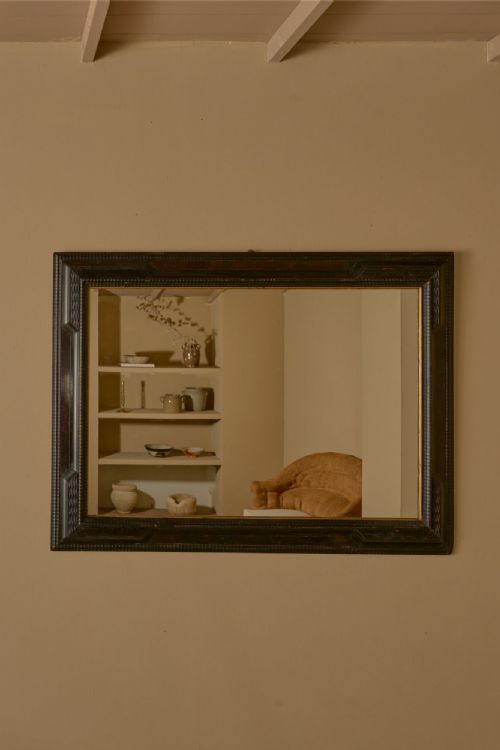
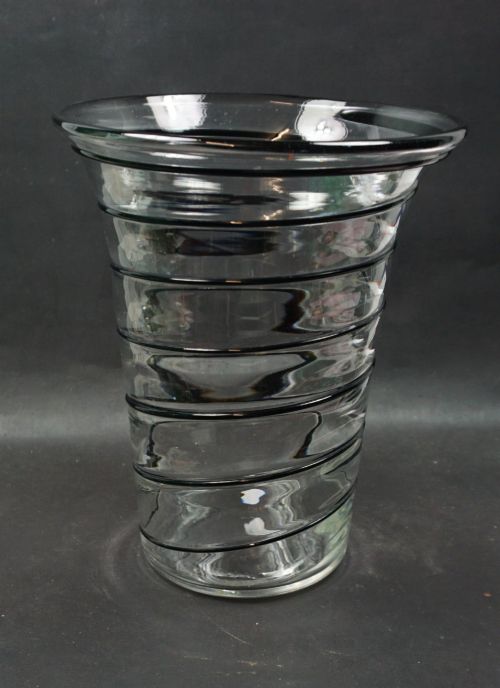
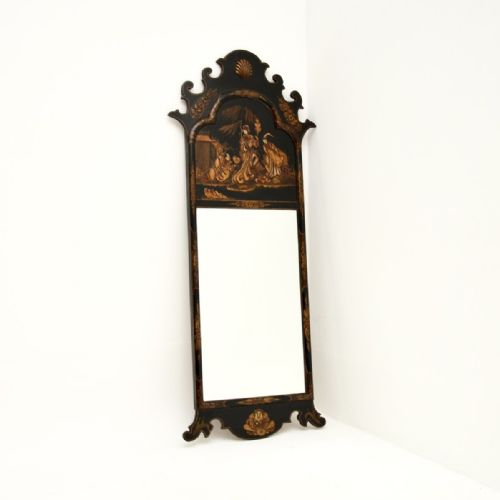
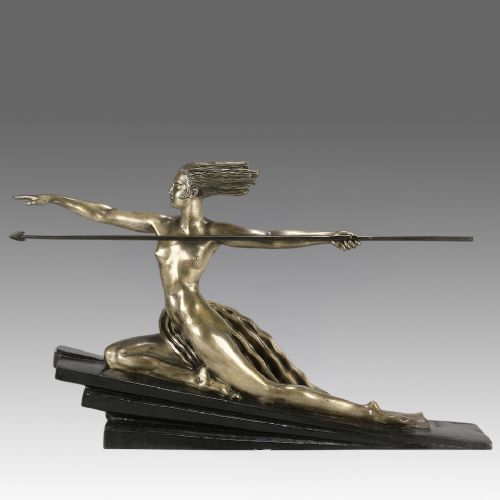
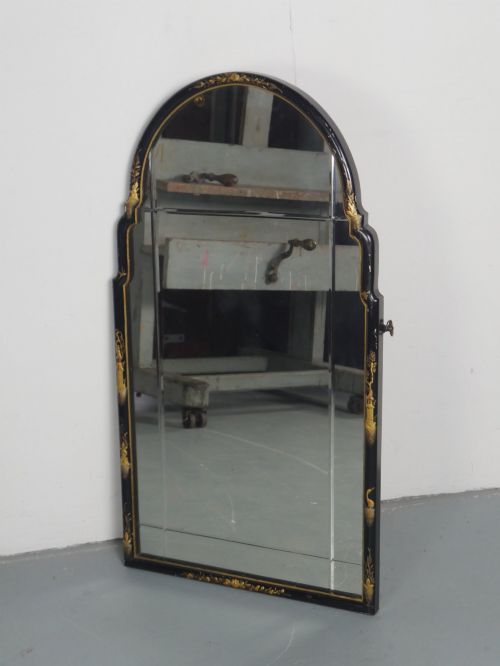
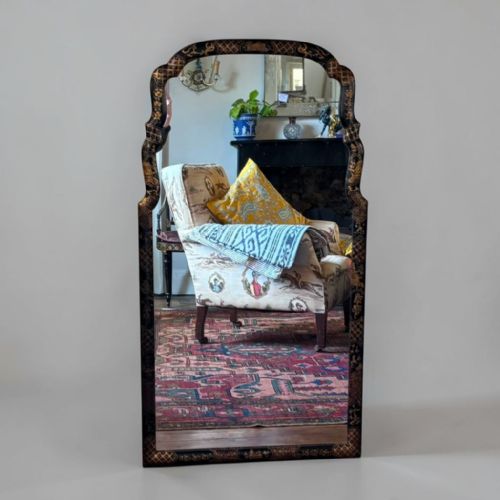
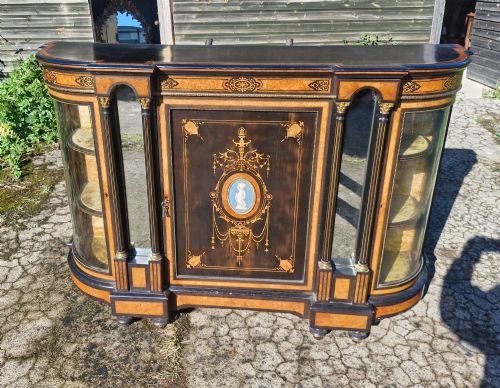
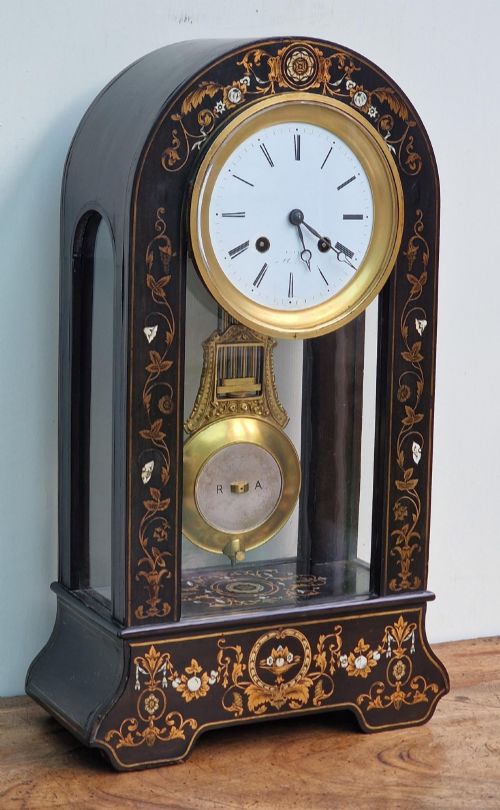
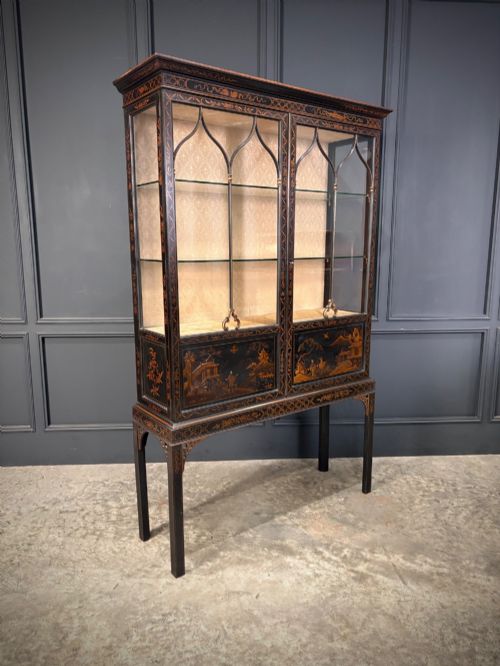
When searching for antique black glass, collectors encounter deep-toned vessels and decorative items originating primarily from the Georgian era through to the Art Deco period. These pieces showcase dark glass and ebonised treatments that give a heavy, light-absorbing appearance to bottles, flasks, and display items. The examples appearing across this selection demonstrate the diverse forms taken by dark glass and dark-finished frames within domestic interiors over multiple centuries.
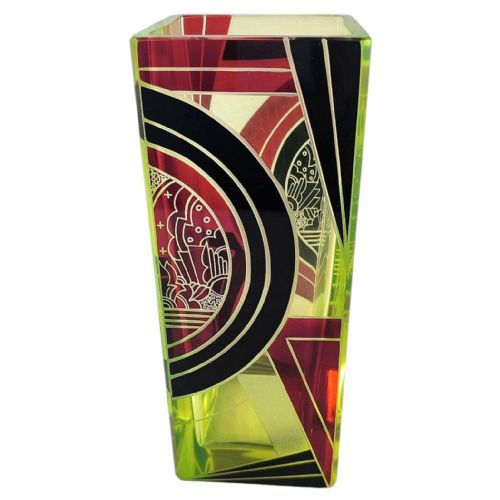
Production spans centuries of changing tastes, moving from Georgian utilitarian vessels such as Nailsea flasks toward refined Art Deco geometric vases and perfume bottles. Makers utilised contrasting materials like gold leaf, brass, and paint alongside the dark glass or ebonised wood to create decorative impact. Buyers examine these diverse objects to find representative examples of dark-toned decorative arts from specific historical periods.
How they were made
Craftsmen shaped glass and wood by hand, utilising traditional blowing techniques and cabinet-making methods suited to each period. Glass items required precise temperature control during the blowing and cooling stages to achieve deep coloration and structural integrity.
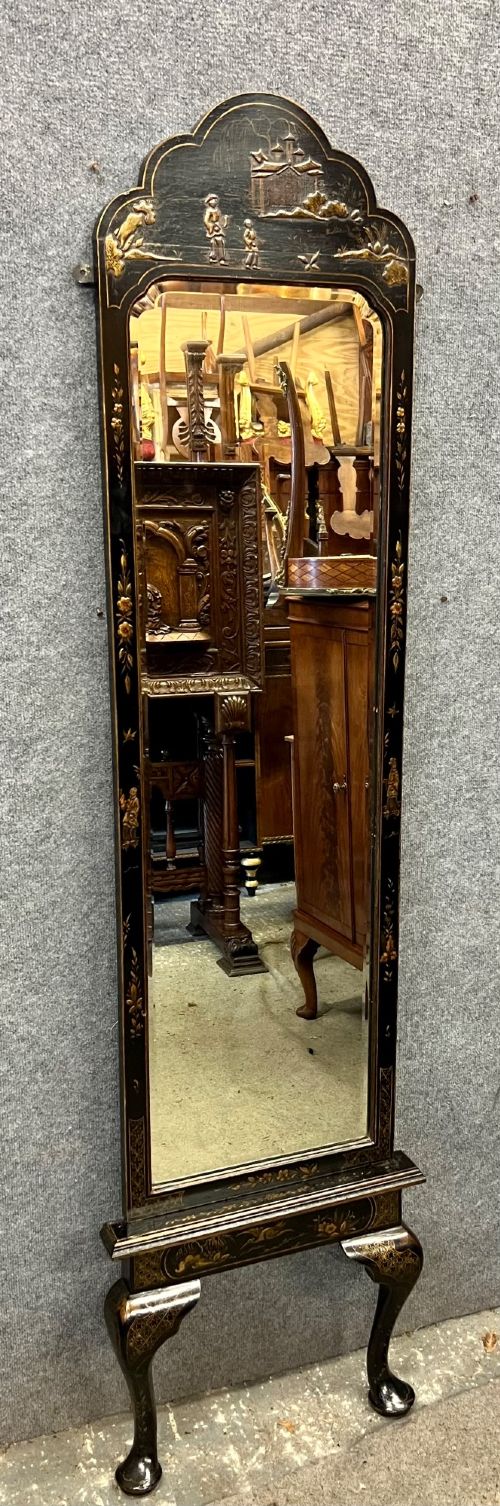
Surface decoration frequently involved paint, gold leaf, and enamel applied to glass or ebonised wood surfaces. Artisans combined brass fittings and carved wooden frames to complete vessels, mirrors, and display items.
Antique Black Glass Retail Price Guide 2026
Typical asking prices for black glass among the pieces listed under this phrase on Sellingantiques today, from the lower quarter to the upper quarter. They describe what is for sale here now, not the wider market.
Listings feature items spanning the 18th century to the Art Deco period, incorporating glass, ebonised wood, brass, and gold leaf.
What varies in quality
Execution separates standard utility items from exceptional decorative pieces, particularly in the precision of glass cutting and the refinement of surface decoration. The crispness of enamelling, the handling of gold leaf, and the depth of the dark glass tone dictate the overall standing of an object.
The integrity of the primary material and the preservation of secondary elements, such as brass mounts or painted details, influence the visual success of each piece. Superior items retain their original surface treatments and structural components without heavy intervention.
The Antique Black Glass Glossary
- Ebonised
- Wood treated with a dark stain or finish to imitate expensive ebony. This technique appears frequently on Victorian and Napoleon III furniture and frames.
- Nailsea
- Glassware produced at the Nailsea Glassworks in Somerset, known for characteristic looped or splashed decoration. Flasks from this tradition date back to the Georgian period.
- Enamel
- Opaque glass mixture fused to a surface through heat application. Art Deco pieces often utilise enamel decoration for geometric patterns.
- Overmantel
- A large mirror designed to hang directly above a mantelpiece. These frames frequently feature ebonised wood and parcel-gilt details.
- Reverse painting
- The technique of applying paint to the back side of a glass panel so the image appears correctly through the front. This method is seen on Georgian silhouettes and advertising signs.
Antique Black Glass: Frequently Asked Questions
How do I date antique black glass?
Dating relies upon examining the manufacturing technique, pontil marks, and stylistic indicators associated with periods like the Georgian era or Art Deco. Bottle shapes and glass coloration also provide clues to the era of production.
Comparing an object with documented examples from similar makers helps confirm its place within a specific century. Wear patterns on the base offer additional confirmation of age.
Where were these pieces used historically?
These items served functional and decorative roles within domestic spaces, from dining rooms to drawing rooms. Dark glass vessels held beverages or personal scents.
Mirrors and decorative glass added reflective qualities and visual weight to period interiors. Their placement reflected the prevailing interior design trends of Victorian and Edwardian homes.
How should I clean antique glass?
Cleaning requires gentle handling with soft cloths and mild, non-abrasive solutions to avoid damaging delicate surfaces or painted details. Harsh chemicals must be avoided entirely.
Professional advice should be sought before attempting to clean items with fragile enamel or gold leaf decoration. Regular dusting with a dry microfibre cloth usually suffices.
Are these items fragile?
Glass and ebonised wooden objects require careful placement away from high-traffic areas and direct heat sources. Sudden temperature changes can stress historical glass.
Secure mounting is essential for heavy overmantel mirrors and wall-hung pieces to prevent accidental damage. Proper display ensures these fragile antiques survive safely.