


Antique Black and White Prints
These antique black and white prints capture centuries of portraiture, landscape and narrative through ink on paper.
Antique Black and White Prints
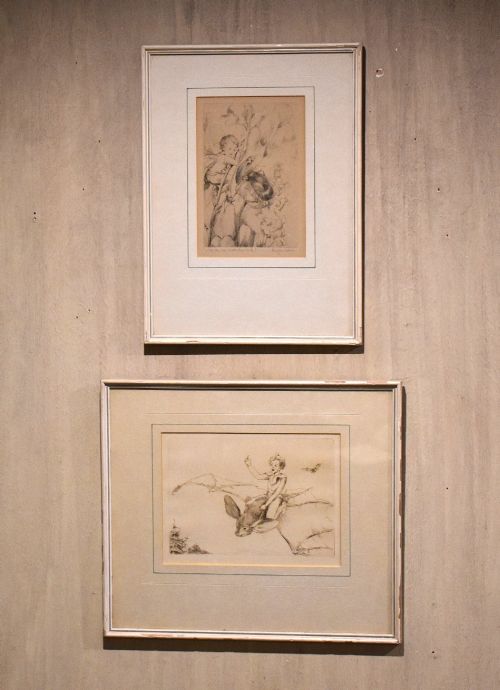
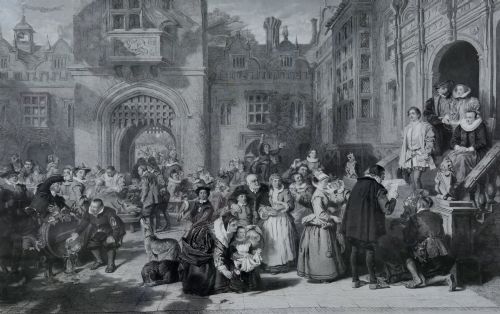
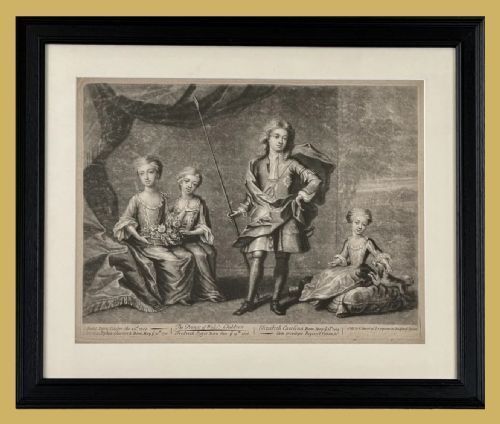
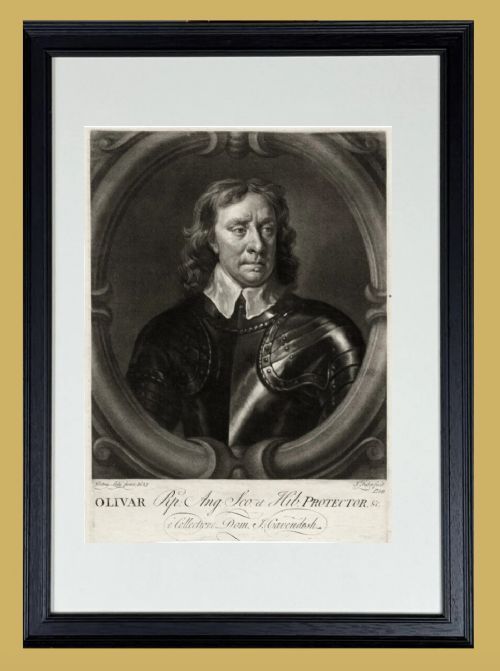
When searching for antique black and white prints, collectors examine works spanning from the seventeenth century through to the early twentieth century. These items include framed prints, engravings, etchings and mezzotints depicting historical figures, classical scenes and rural life.
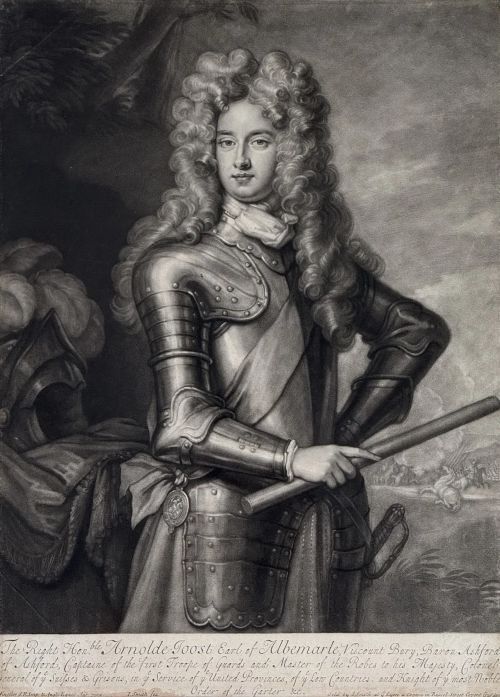
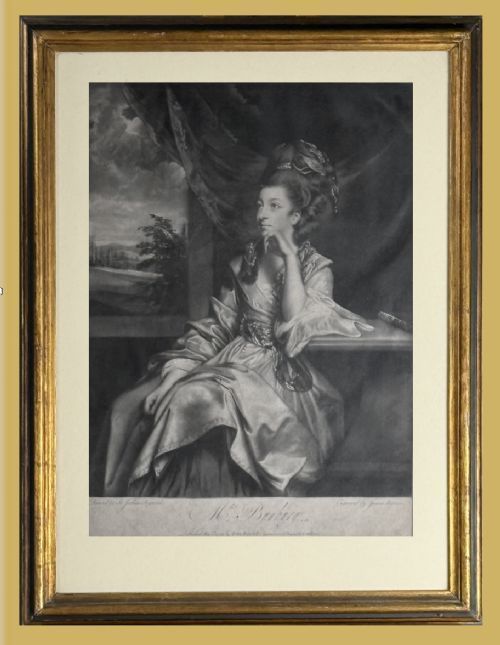
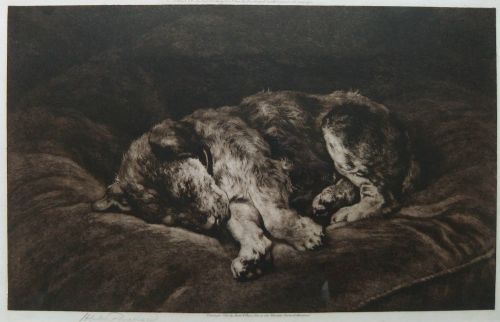
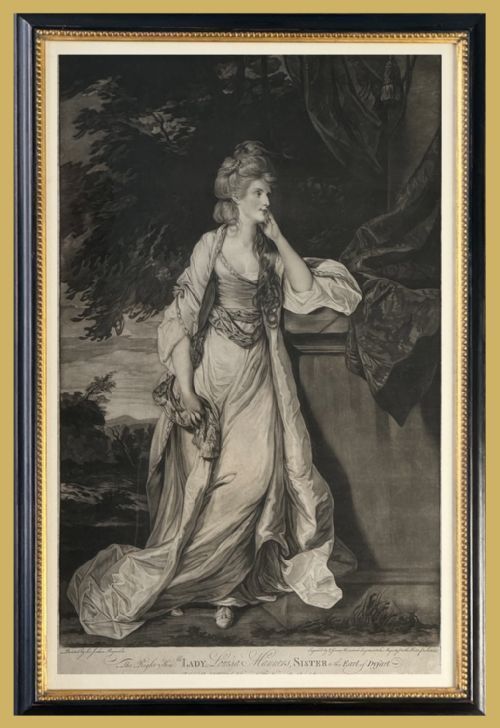
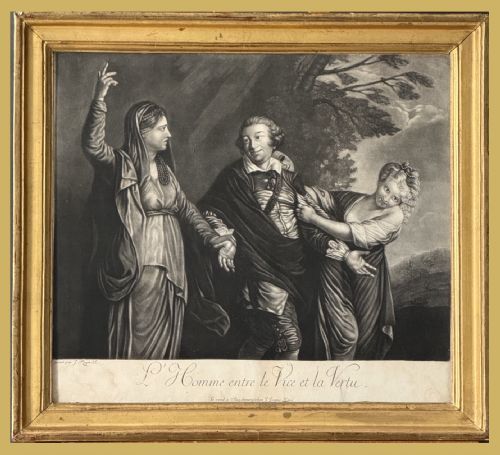
The most common examples on this page are eighteenth-century mezzotints and early twentieth-century etchings. Portraiture after prominent painters forms a substantial category, alongside architectural studies and maps from voyaging expeditions.
Framed works frequently retain period surrounds such as original Hogarth frames, combining paper graphics with wood, gilt and glass enclosures. Alongside standard prints, variations incorporate photographic processes and illustrated plates.
How they were made
Makers utilised paper sheets as the primary surface for receiving ink impressions through pressure applied via printing plates. Copper and steel plates were engraved, etched with acid or worked with rocker tools in mezzotint to hold ink within recessed lines or textured burrs.
Monochrome results derived from black ink formulations applied across these metal matrices before wiping the surface clean. Skilled printmakers controlled ink retention to produce tonal gradations from deep blacks to pale greys.
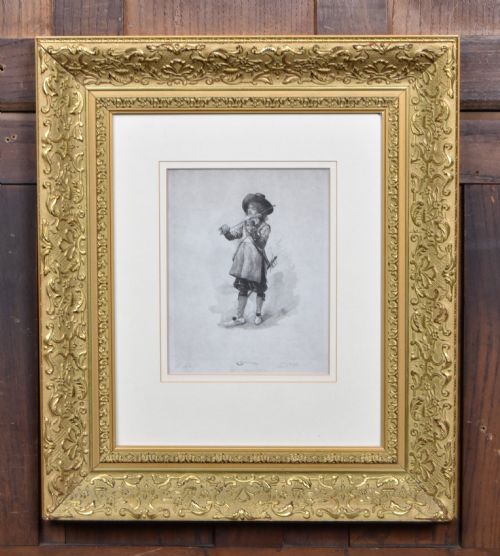
Presentation involved mounting the finished paper sheets behind glass within wood mouldings, sometimes finished with gold leaf or gilt wood accents. Selected editions were printed on vellum or signed by the artist in pencil.
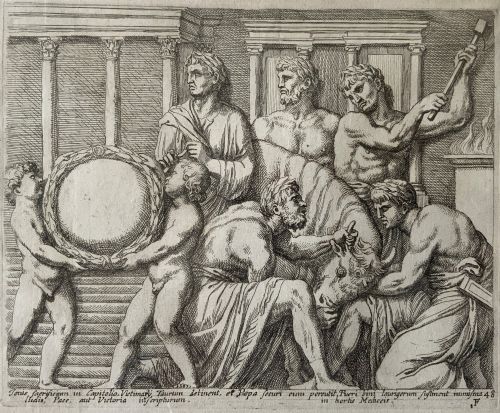
The selection encompasses subjects ranging from seventeenth-century classical antiquity etchings to early twentieth-century wildlife studies.
What varies in quality
Condition of the paper sheet and the integrity of the ink determine visual strength. Tonal depth in mezzotints depends on the preservation of the delicate burr raised on the copper plate, which wears down during large print runs.
The survival of original framing elements, such as period wood and gilt surrounds or glass panes, contributes to historical completeness. Provenance linking the print to documented publishers or artist signatures elevates the standing of individual works.
John Smith·James Watson·Valentine Green·Herbert Dicksee·François Perrier
The Antique Black and White Prints Glossary
- Mezzotint
- A printmaking process where the copper plate is roughened uniformly to produce solid black areas, then scraped and smoothed to create lighter tones. This technique allows for rich, velvety tonal gradients particularly suited to portraiture.
- Etching
- A method where metal plates are covered with an acid-resistant ground, drawn through with a metal stylus, and immersed in acid to bite the lines. The resulting recessed grooves hold the ink for printing.
- Engraving
- A technique where the artist cuts lines directly into a metal plate using a sharp steel tool called a burin. This produces clean, precise lines with controlled width and depth.
- Artist's Proof
- A trial impression printed to test the state of the plate before the main edition is run. These are often pencil signed by the creator and hold high value among collectors.
- Hogarth Frame
- A distinctive narrow wooden picture frame with a profile of stepped ogee curves, typically finished in dark lacquer or gilt. These frames originated in the eighteenth century and complement period prints.
Antique Black and White Prints: Frequently Asked Questions
How do I identify a mezzotint?
Mezzotints present rich, dark background tones and smooth tonal transitions without the cross-hatching seen in standard line engravings. Under magnification, the surface reveals a fine network of dots rather than sharp lines.
Printers achieved this effect by roughening a copper plate with a rocker tool to hold ink evenly across dark areas. Lighter highlights were then scraped away to let the white paper show through.
What is an artist's proof?
An artist's proof is an impression pulled outside the main commercial edition for the creator to inspect or keep. These examples often feature handwritten pencil signatures and annotations regarding the state of the plate.
Collectors prize proofs because they were typically printed early in the plate's life before wear softened the fine details. They represent a direct collaboration between the printmaker and the final image.
How should I frame antique paper?
Antique prints require preservation framing using acid-free backing boards and UV-filtering glass to prevent fading and paper degradation. Direct contact between the paper surface and the glass must be avoided by using window mounts.
Keeping works away from direct sunlight and maintaining stable indoor humidity protects both the paper substrate and the ink. Original frames, when present, should be stabilised rather than replaced to preserve historical context.
How do I date an old print?
Dating relies on examining the paper watermark, the style of the plate mark, typography in the margins and historical costume details depicted. Technical clues such as laid paper versus machine-made wove paper narrow down the manufacturing era.
Publisher inscriptions and printer credits printed along the lower margin frequently provide specific dates or active working windows. Comparing the subject matter to known historical portraits or published voyages also confirms the production period.