




Antique Bird Print Painting
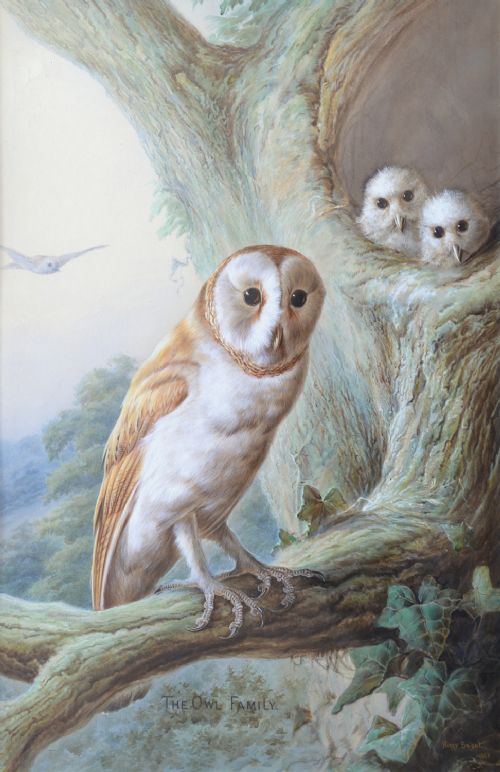
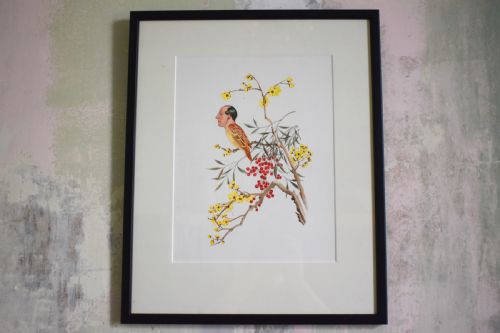
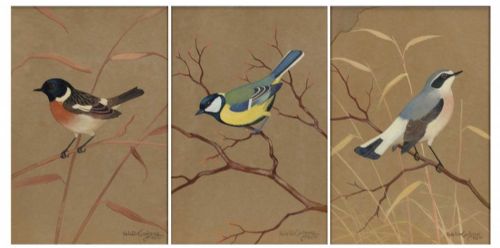
These antique bird print painting works bring natural history onto the wall through delicate watercolour paint, gouache, and paper.
Antique Bird Print Painting
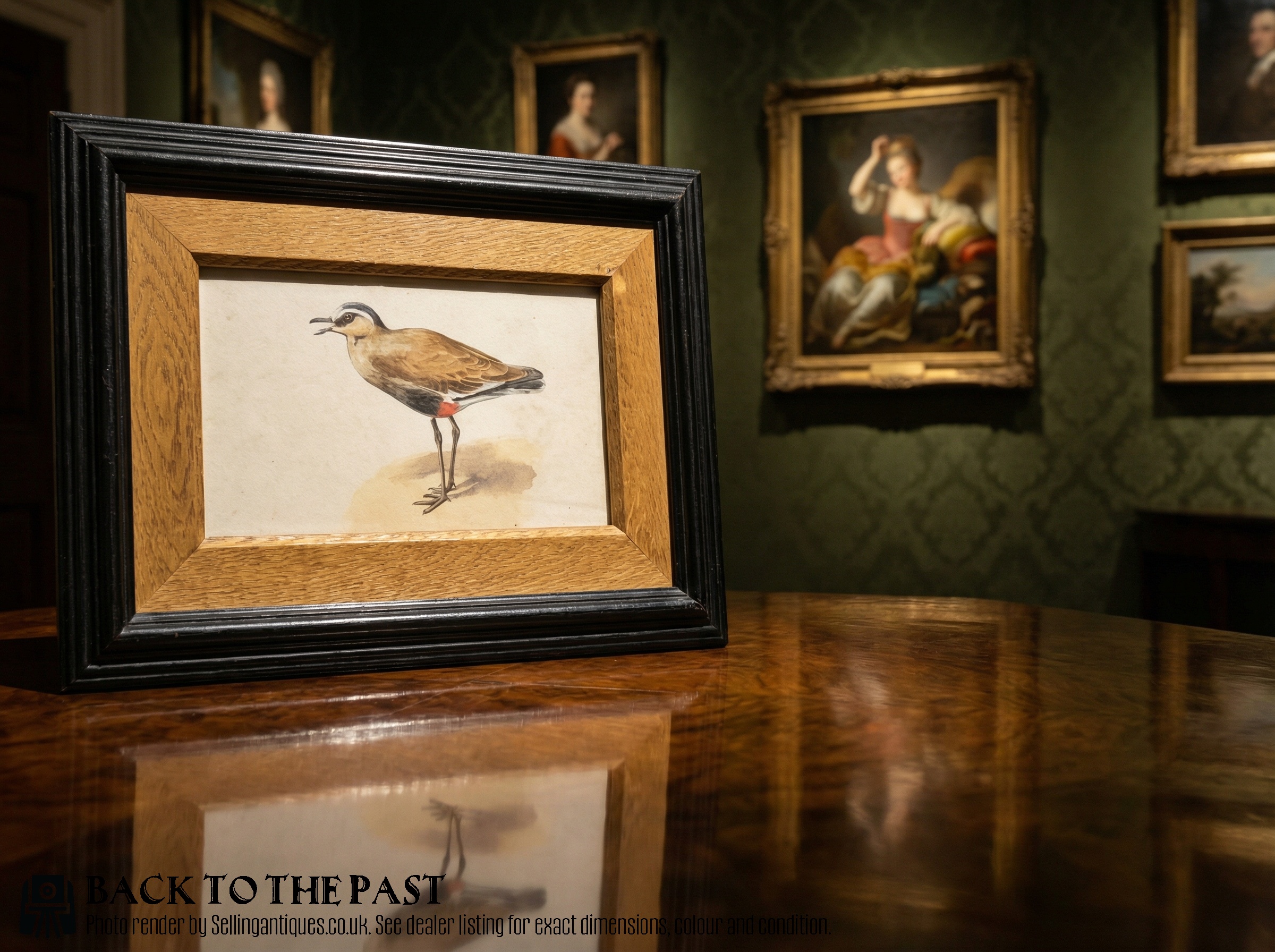
When you search for an antique bird print painting, you are looking at works executed on paper using watercolour paint and gouache, often framed behind glass.
The selections span periods from Georgian and Regency times through the Victorian and Edwardian eras up to the mid-century.
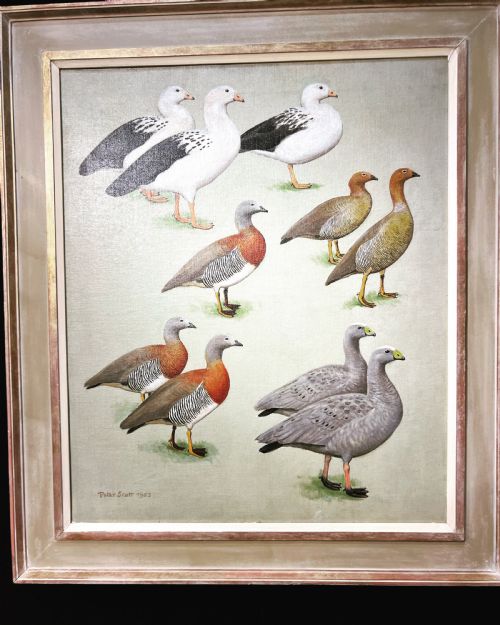
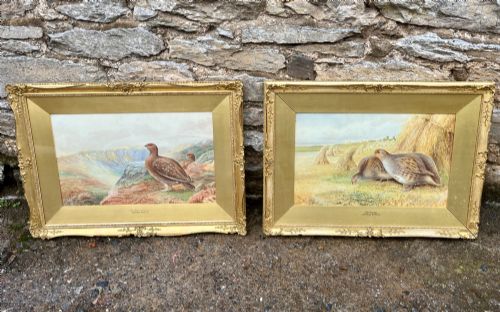
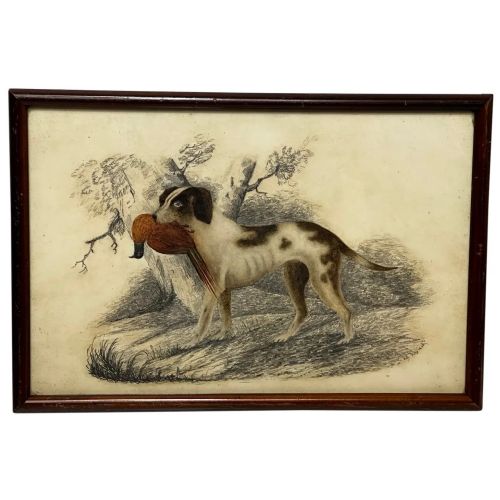
Subjects range from individual studies of blue tits and lapwings to game birds and parrots, captured by notable hands.
Materials and construction
Works utilise watercolour paint and gouache applied to paper to achieve fine detail in plumage and natural history subjects.
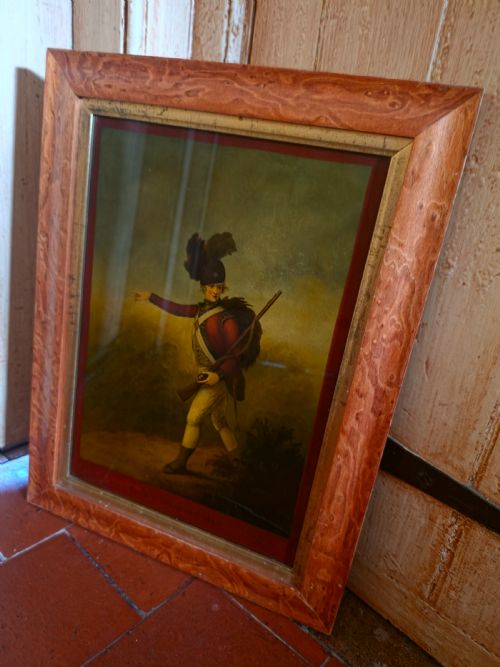
Frames employ wood, maple, and ebonised moulding, frequently complemented by deep giltwood mounts to showcase the art.
A white-fronted Amazon parrot gazes out alongside grapes, pineapple, and hazel nuts in an oil canvas.
Judging quality in these works
The standard of an antique bird print painting rests upon the precision of the brushwork and the lifelike rendering of the subject.
Original framing, such as period maple or ebonised wood with gilt mounts, elevates the piece beyond standard presentation.
George Rankin·Ralston Gudgeon·Arthur Wardle·John Sherrin·George Lance·Archibald Thorburn
The Antique Bird Print Painting Glossary
- Watercolour paint
- A medium consisting of pigment suspended in a water-based solution, used on paper to create translucent layers. It allows artists to render delicate feather details.
- Gouache
- An opaque water-based paint that provides solid areas of colour and sharp highlights. It is frequently combined with watercolour in bird studies.
- Gilt wood
- Wood that has been treated with a thin layer of gold leaf or metallic gilding. It adds warmth and reflection to the framing.
- Maple
- A dense hardwood with a distinctive grain pattern, often polished and utilised for picture frames during the nineteenth century.
Antique Bird Print Painting: Frequently Asked Questions
What periods do these paintings cover?
The pieces span from the early nineteenth century through the Victorian and Edwardian eras up to the mid-twentieth century.
Each period brings distinct framing choices and painting techniques to the natural history subject matter.
How should I frame a watercolour bird painting?
Watercolours require glass protection to prevent moisture and light damage to the paper surface.
Period frames utilising maple or ebonised wood with gilt mounts complement the traditional aesthetic of these works.
Are these works signed by artists?
Many pieces bear signatures or attributions to recognised painters who specialised in natural history and ornithological subjects.
Signatures help place the work within a specific artistic circle or period.
What subjects appear most frequently?
Game birds, garden birds such as blue tits, and exotic species like parrots feature prominently across the selection.
Artists also paired birds with botanical elements like primroses and fruit nests.