


Antique Bird Decoy
These antique bird decoy pieces bring rustic folk art into the home, shaped from timber and painted by hand to lure wildfowl.
Antique Bird Decoy
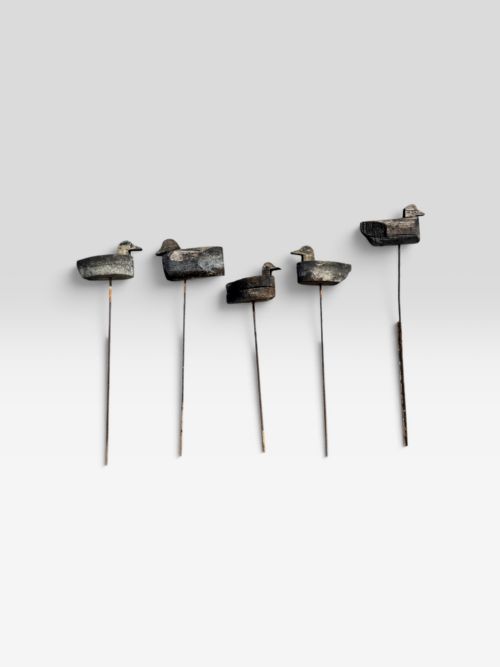
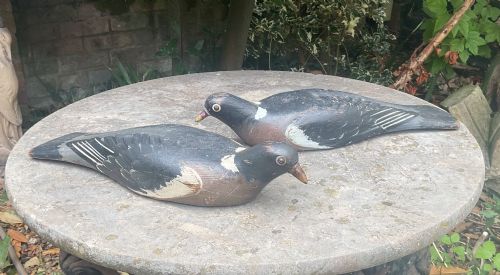
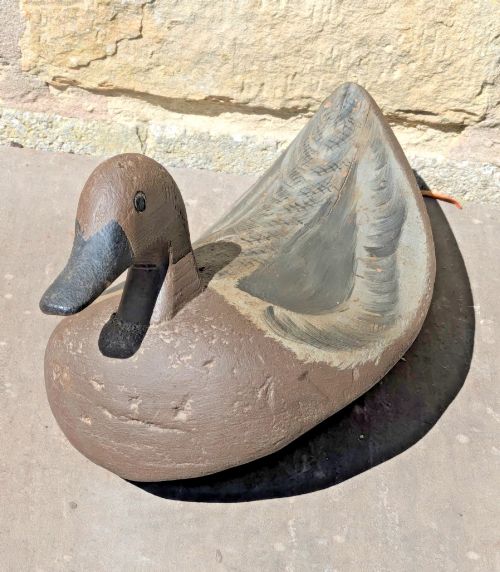
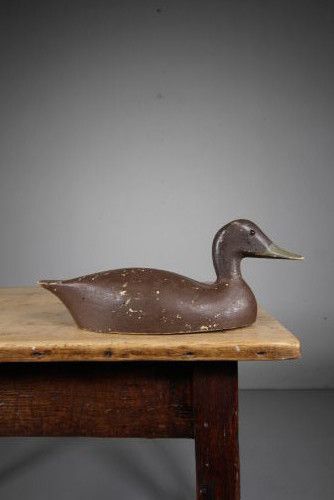
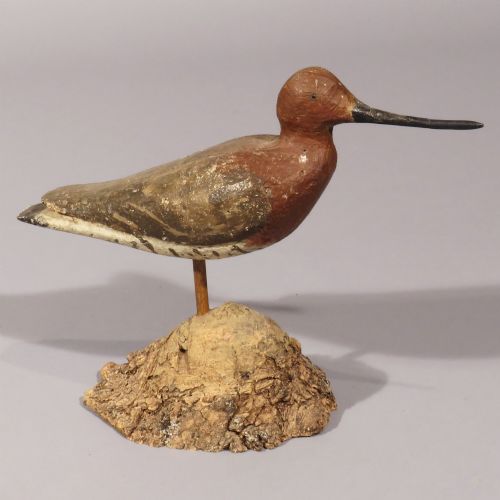
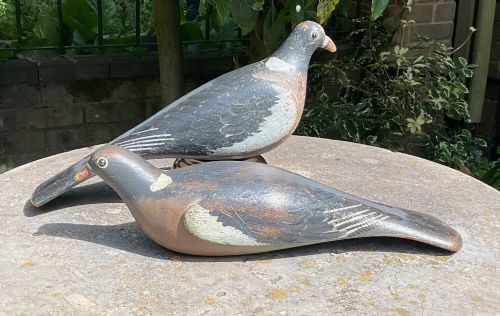
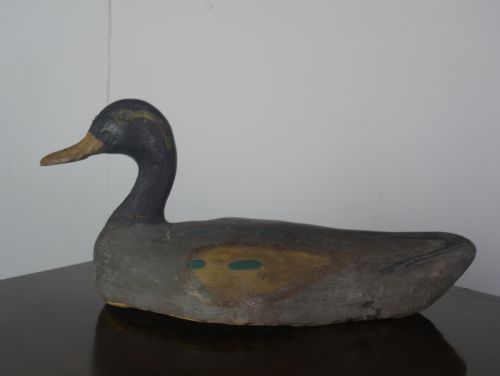
When you search for an antique bird decoy, you encounter working objects carved from timber to attract birds during the nineteenth and early twentieth centuries. These pieces span various forms, including ducks, pigeons, geese, doves, and godwits, reflecting the practical needs of shooting and rural life.
The versions most common on this page are carved wooden ducks and pigeons originating from the Victorian, Edwardian, and 1920s periods. Many examples carry traces of original paint, showing the weathering of outdoor use and the simple decorative choices of makers working in English and continental folk art traditions.
Beyond standard waterfowl, the selection encompasses specialised items such as dovecote decoys, bird scarers, and treen bird calls. Each object retains a sculptural quality that places it firmly within decorative folk art sculpture rather than standard utilitarian equipment.
Qualities that distinguish pieces
The character of the original paint surface dictates much of the visual appeal, separating pieces with honest, weathered patination from those with later or over-cleaned surfaces. Untouched layers of old pigment reveal the working life of the object and the hand of the maker.
Sculptural form and anatomical suggestion also vary, with superior carvings capturing the alert posture or resting weight of a real bird rather than presenting a stiff block of timber. The balance between rustic simplicity and careful observation defines the distinction within English country folk art.
Listings span the nineteenth century through the 1930s, featuring wood, paint, metal, glass, and bark within English country folk art traditions.
The Antique Bird Decoy Glossary
- Decoy
- A carved or moulded figure used to attract wild birds within shooting range or for observation. These objects were working items before entering the sphere of decorative folk art.
- Folk art
- Utilitarian and decorative objects made by self-taught or rural artisans without formal academic training. This category encompasses the regional carvings and country pieces found in these listings.
- Treen
- Small handmade wooden household objects and utilitarian items. Bird calls and specific small wooden accessories fall under this traditional collecting term.
- Patina
- The surface texture, wear, and colour acquired by wood and paint through age and handling. A genuine undisturbed skin is prized by collectors of rural artefacts.
- Papier-mâché
- A composite material consisting of paper pieces or pulp bound with glue or paste. It appears in lightweight sculptural studies alongside straw in this category.
Antique Bird Decoy: Frequently Asked Questions
What is an antique bird decoy?
An antique bird decoy is a carved or painted wooden figure originally placed by hunters to attract wildfowl such as ducks, geese, and pigeons. Over time, these working implements transitioned into decorative folk art sculptures valued for their rustic charm.
Today, collectors appreciate them for their sculptural silhouettes and the authentic patination left by decades of exposure to the elements and handling.
How were wooden decoys used?
Makers designed these objects to float on water or sit on shorelines and fields, convincing live birds to land nearby. Gunners deployed them in sets or pairs to create a realistic gathering of feeding or resting fowl.
Many examples bear the marks of this outdoor use, including weathered paint and ballast weights attached to keep the timber upright in water.
How do I date an antique decoy?
Dating relies on observing the tool marks left on the timber, the style of the carving, and the composition of the paint layers. Victorian and Edwardian examples often display hand-hewn body shapes and specific regional paint palettes.
Comparing the construction methods and wood types with documented pieces helps narrow down whether a decoy originates from the nineteenth century or the 1920s and 1930s.
How should I display decoys at home?
These pieces sit well on open shelves, mantelpieces, or tables where their sculptural forms and worn painted surfaces can be viewed closely. Pairing single ducks or pigeons with other wooden treen and folk art creates a cohesive country aesthetic.
Keeping them away from direct heat sources protects the old wood and delicate paint layers from drying out or flaking.