


Antique Bird Condiments
Antique bird condiments bring avian charm to the table, taking the form of sterling silver chicks, porcelain owls, and hand-painted salt cellars.
Antique Bird Condiments
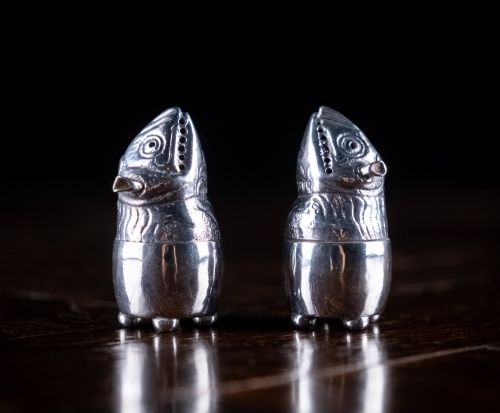
Antique bird condiments encompass figural salt cellars, pepper pots, mustard pots, and pickle dishes shaped as or decorated with birds. You encounter Victorian novelty silver chicks and owls alongside earlier porcelain pieces featuring hand-painted bird motifs.
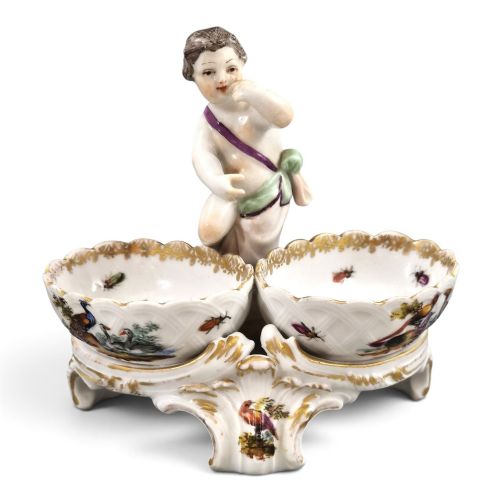
The selection ranges from Dutch import pepperettes and English sterling silver pheasants to German porcelain double salts. These tablewares span the eighteenth, nineteenth, and early twentieth centuries, reflecting changing dining fashions across the Georgian, Victorian, and Edwardian eras.
Form follows function closely, where the bird's body holds the seasoning and dispenses it through holes in the head or back. Collectors look for matching pairs and complete condiment sets that retain their original spoons and fitted cases.
Materials and construction
Silversmiths utilised sterling silver and cast silver techniques to model three-dimensional creatures like chicks, pheasants, cockatoos, and owls with feather detailing. Many pieces incorporate glass liners for salt cellars and mustard pots to protect the metal from corrosive contents.
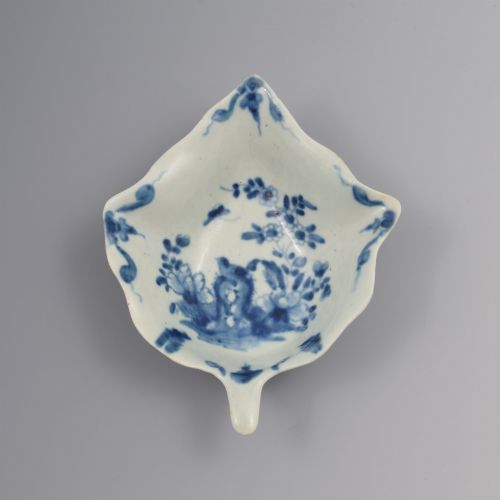
Potters worked with soft-paste porcelain and standard porcelain, applying hand-painted enamels and gold leaf to depict birds on items such as pickle leaf dishes. Continental makers employed fine metalwork standards like Dutch silver alongside British hallmarked pieces.
Periods represented span from the 18th century through Victorian and Edwardian eras to 1930s Art Deco.
Assessing quality and craftsmanship
Quality rests in the anatomical accuracy and crispness of the modelling, distinguishing lifelike feather texture from soft, worn casting. Superior examples capture character and proportion in the avian form, whether rendered in solid silver or hand-painted porcelain.
The retention of original components, such as matching salt spoons, glass inserts, and legible hallmarks or maker marks, elevates a piece. Finer items show careful hand-finishing on the interior mechanisms and secure fitting of removable heads on pepper pots.
Frederick Brasted·Dr Wall·Sampson Mordan·Berthold Muller
The Antique Bird Condiments Glossary
- Pepperette
- A small tabletop container designed specifically for dispensing ground pepper. These often take tubular or figural shapes.
- Salt cellar
- An open vessel used to hold salt at the dining table before the invention of free-flowing table salt. They frequently feature glass liners.
- Soft-paste porcelain
- A ceramic composition fired at lower temperatures than hard-paste porcelain, common in eighteenth-century English factories. It presents a warm glaze texture.
- Pickle dish
- A small serving dish intended for pickles or relishes, often shaped like a leaf in eighteenth-century porcelain.
Antique Bird Condiments: Frequently Asked Questions
How do I clean antique silver pepper pots?
Use a soft cloth and a gentle, non-abrasive silver polish to preserve the fine feather details and any engraved decoration.
Avoid submerging pieces with weighted bases or delicate moving parts in liquid cleaner to prevent internal damage.
Are these silver condiments safe to use today?
Sterling silver and porcelain remain safe for holding dry spices and salt during modern dining.
Ensure glass liners are intact and clean to protect the metal from direct contact with acidic condiments like mustard.
How do I identify Victorian novelty bird silver?
Look for British hallmarker stamps that indicate the assay office, standard mark, and date letter corresponding to the nineteenth century.
Novelty bird pieces often feature registration numbers or maker marks stamped onto the base or removable head.
What is the difference between a pepper pot and a pepperette?
The terms are frequently used interchangeably to describe small containers for dispensing ground pepper onto food.
Historically, pepperette sometimes referred specifically to smaller or more slender figural shaker designs.