


Cast Silver Condiments
Cast silver condiments bring charm and utility to the table, offering finely modelled shapes that collectors prize for their intricate detail.
Cast Silver Condiments
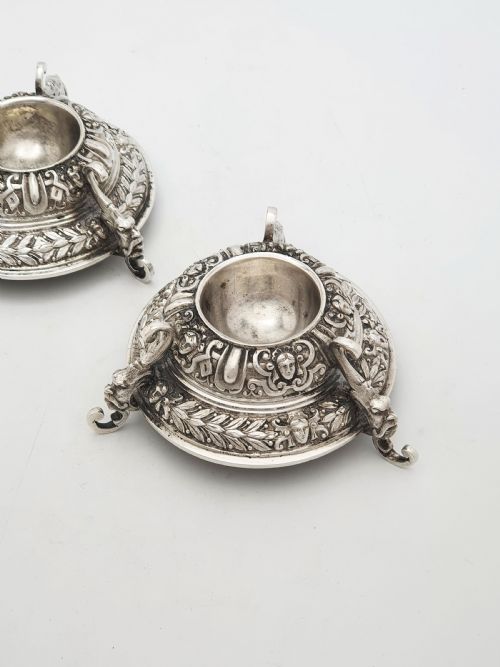
When you search for cast silver condiments, you encounter tableware pieces shaped through traditional casting methods rather than simple stamping or spinning. The selection spans salt cellars, sugar boxes, and pepper pots designed to hold dining seasonings securely.
The pieces on this page lean heavily towards Victorian and Edwardian examples, alongside later twentieth-century work. You meet standard domestic forms alongside playful novelty shapes representing animals and characters.
Makers often fashioned these items as pairs or matching sets for formal dining. Animal figures and familiar characters dominate the novelty selection, capturing the distinct aesthetic of the period.
How they were made
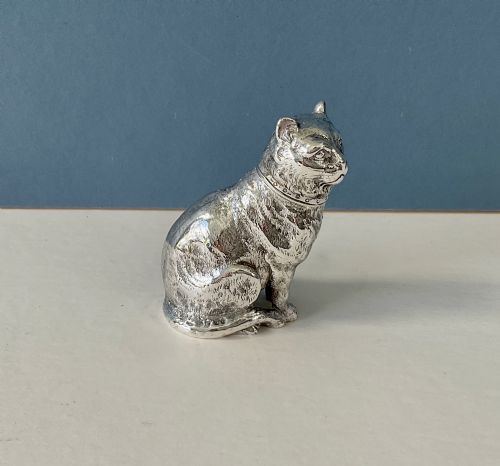
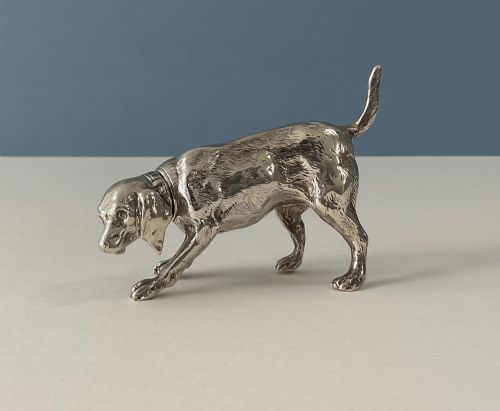
Silversmiths utilised sterling silver and solid silver to pour molten metal into moulds, creating thick walls that could withstand intricate surface chasing. This casting process allowed for heavy sculptural relief, giving figures such as dogs, cats, and birds their distinct textures and weight.
Many designs combine solid silver bodies with fitted glass liners, particularly within salt cellars, to protect the metal from corrosive salts. Pewter also appears in select novelty pepperettes, offering an alternative metallic finish with a dark patina.
Dining guests once shook pepper from the heads of iconic Victorian characters like Mr Punch's dog Toby.
What varies in quality
The fineness of the chasing and the crispness of the cast details separate standard domestic tablewares from exceptional sculptural works. Superior examples retain sharp feather and fur markings without the softening that occurs from excessive polishing or worn moulds.
Proportion and stance dictate the visual success of novelty pieces, where naturalistic animal postures or well-rendered character expressions demonstrate superior silversmithing skill. Original matching pairs hold greater cohesion than mismatched assemblies gathered later.
Berthold Muller
The Cast Silver Condiments Glossary
- Cast silver
- Silver poured into a mould to form a three-dimensional object rather than beaten from sheet metal. This technique allows for heavy, sculptural forms with deep relief.
- Salt cellar
- A small vessel designed to hold loose salt on the dining table before the invention of the spring-loaded shaker. They often feature blue glass liners to prevent the salt from reacting with the silver.
- Pepperette
- A small container for ground pepper, usually featuring a pierced dome top for shaking. Victorian makers often shaped these as animals or human figures.
- Novelty pepper
- A condiment pot fashioned into a humorous or recognizable shape, such as an animal, bird, or fictional character. These pieces were popular conversation starters at Victorian dining tables.
- Sterling silver
- An alloy consisting of pure silver and other metals, usually copper, added to increase durability. Items made to this standard frequently bear hallmarks indicating their purity and origin.
Cast Silver Condiments: Frequently Asked Questions
What are cast silver condiments?
These items are tablewares poured into moulds and finished by hand, including salt cellars, sugar boxes, and pepper pots. They serve both a practical function on the dining table and a decorative role as sculptural objects.
Craftsmen produced them in various forms, ranging from plain domestic items to detailed figural novelties shaped like animals or characters.
How were salt cellars used?
Diners used salt cellars to hold loose salt, which was pinched and sprinkled over food before the widespread use of shakers. They frequently sat open on the table, often paired with small spoons.
The inclusion of glass liners protected the silver metal from the corrosive nature of the salt contents during meals.
How do I date these pieces?
You can determine the age of silver condiments by examining the hallmarks stamped onto the metal, which indicate the assay office and year of manufacture. Stylistic clues, such as the heavier Victorian aesthetic or Edwardian proportions, also help identify the period.
Makers' marks provide further confirmation of the workshop or silversmith responsible for the casting.
How do I care for cast silver?
Maintain your silver by washing it gently in warm soapy water and drying it immediately with a soft cloth. Avoid harsh chemical dips that can strip the natural depth from chased details and recesses.
Store pieces in dry conditions away from direct sunlight to minimise tarnishing on the sculptural surfaces.