


Antique Bird Artwork
When you search for antique bird artwork, you encounter centuries of watercolours, oils, and prints depicting fauna in rich detail.
Antique Bird Artwork
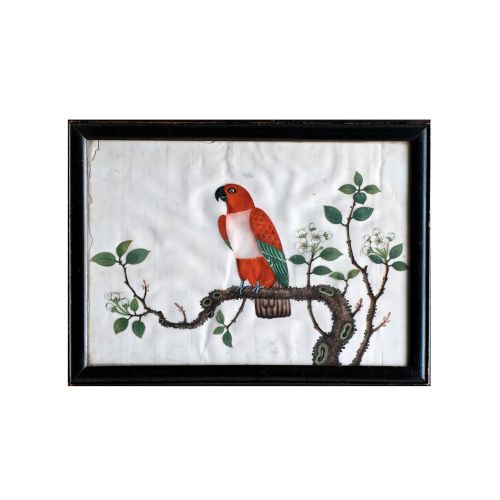
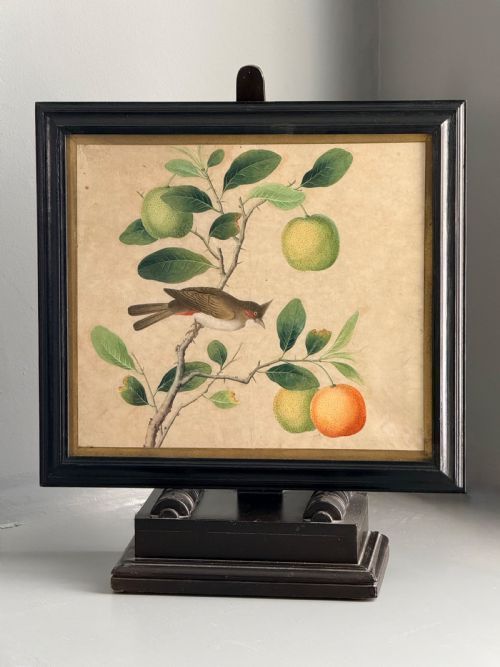
When searching for antique bird artwork, buyers find a diverse selection spanning from the seventeenth century through to the mid-twentieth century. The material ranges across watercolours, oil on canvas, gouache on pith paper, and coloured lithographs.
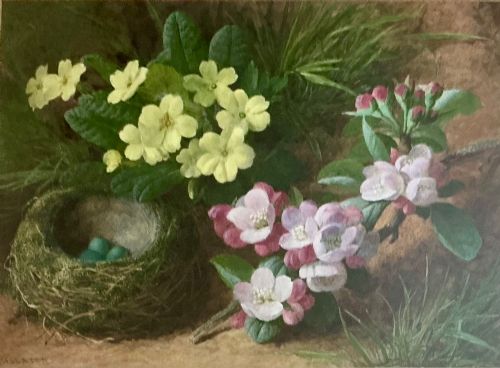
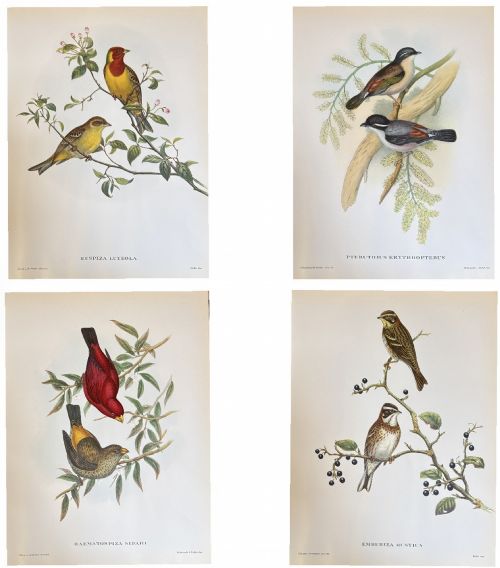
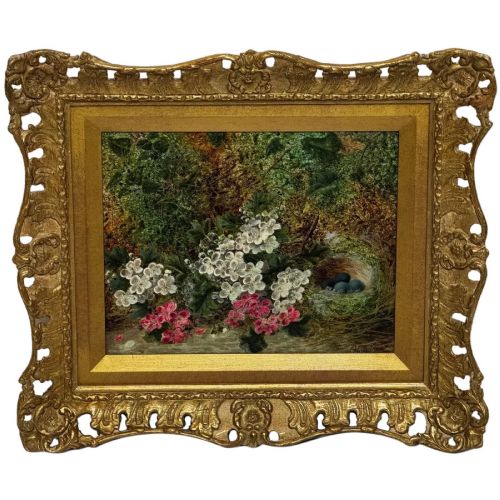
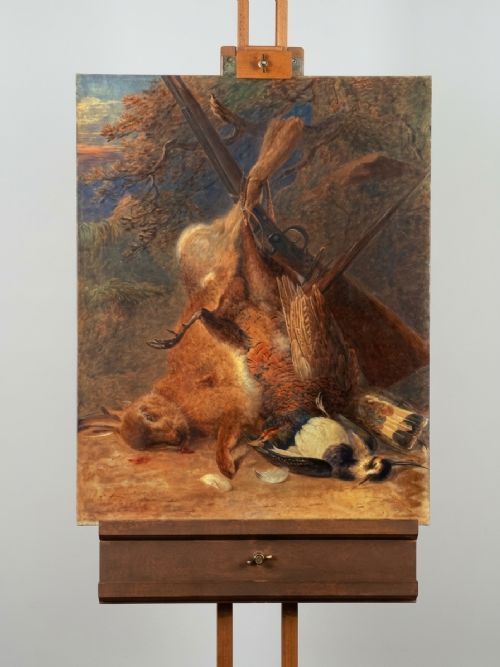
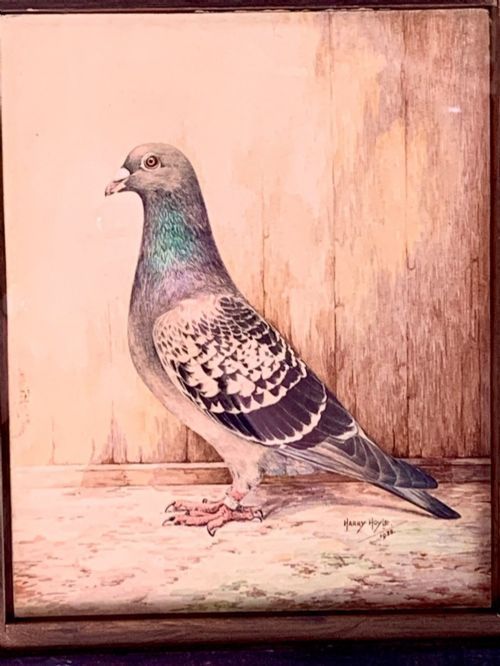
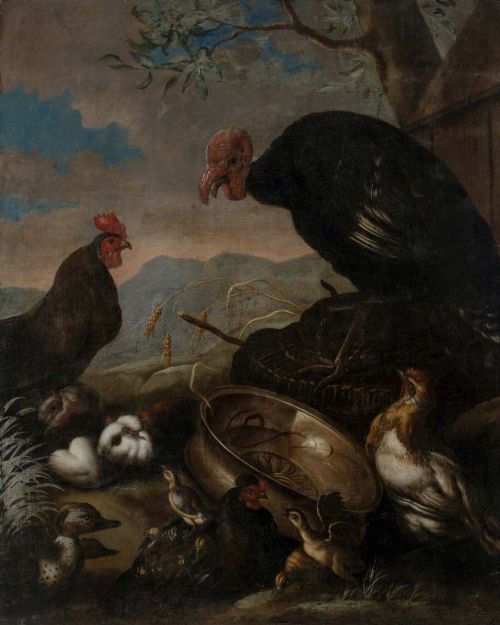
The most common formats on this page include detailed natural history prints, framed watercolours of individual parrots or garden birds, and large oil paintings showing fowl in landscape settings. These pieces reflect stylistic shifts from Flemish Baroque compositions to Victorian naturalism and interwar realism.
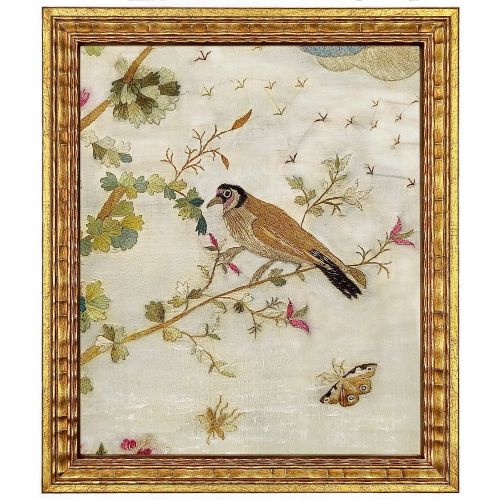
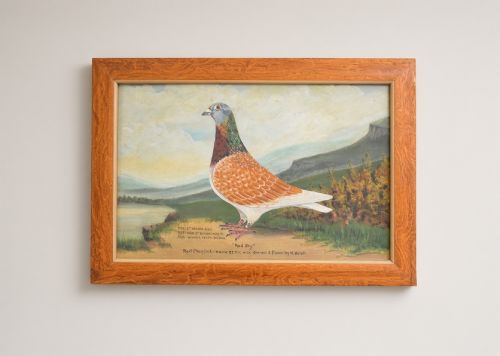
Subjects vary from specific racing pigeons and tropical parrots to game birds and symbolic depictions alongside portraits or still life arrangements. Buyers encounter both intimate miniature watercolours and substantial exhibition-sized canvases.
How they were made
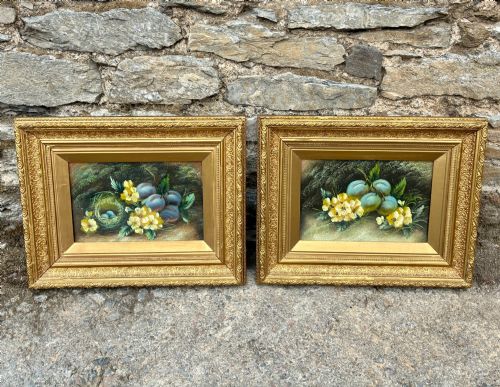
Many works utilise traditional oil on canvas or panel, building up rich textures for feathers and foliage through layered paint and glazes. Other examples employ delicate watercolour and bodycolour on paper to capture the precise plumage of exotic and native species.
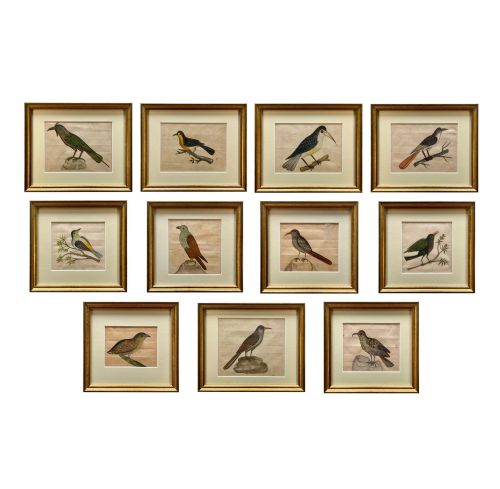
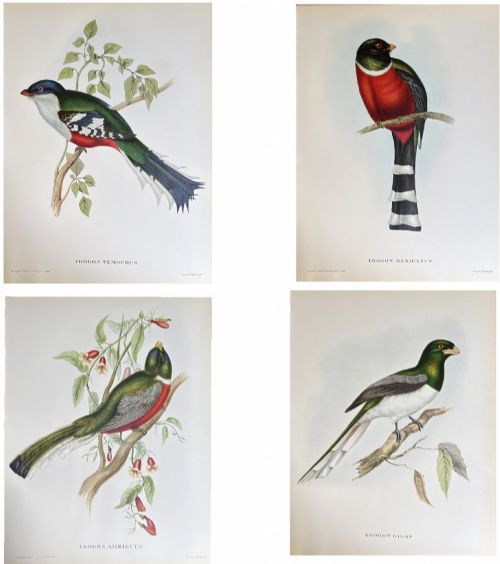
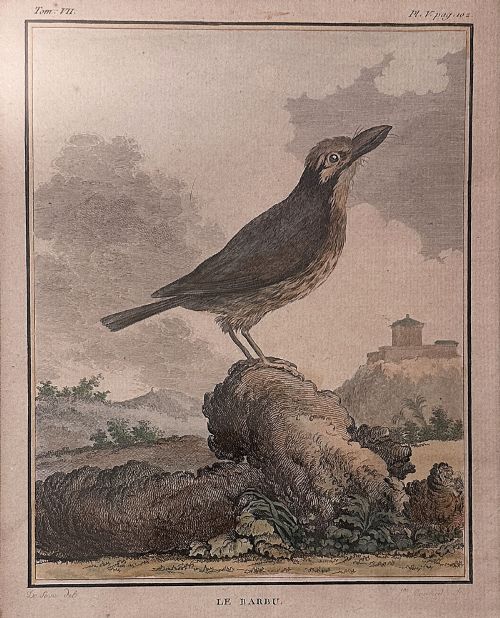
Printmakers of the period relied on lithography and engraving techniques to reproduce natural history illustrations, often applying hand-colouring to enhance the vibrancy of tropical birds. Gouache on pith paper presents a distinct matte finish utilised in specialised botanical and ornithological studies.
Antique Bird Artwork Retail Price Guide 2026
Typical asking prices for bird artwork among the pieces listed under this phrase on Sellingantiques today, from the lower quarter to the upper quarter. They describe what is for sale here now, not the wider market.
Materials represented across the inventory include paper, wood, glass, watercolour, oil on canvas, and gold leaf.
What varies in quality
The distinction between standard decorative items and exceptional works lies in the anatomical precision of the subject and the fluidity of the brushwork or print impression. Master painters and skilled illustrators captured the alert posture and feather texture of birds with acute observation.
Preservation of the medium heavily influences the standard of the piece, particularly regarding fading in watercolours and lithographs, or stabilised craquelure in older oil paintings. The quality of the original framing, such as ebonised or gilt surrounds, also contributes to the integrity of the piece.
George F Bird·Harry Bright·Oliver Clare·Vincent Clare·Edward Ladell·Ralston Gudgeon·Michael Dahl·Philipp Ferdinand de Hamilton·Marmaduke Cradock
The Antique Bird Artwork Glossary
- Gouache
- An opaque watercolour paint that dries to a matte finish, allowing for vibrant colour saturation on paper or pith.
- Lithography
- A printing process based on the repulsion of oil and water, widely used to produce nineteenth-century natural history plates.
- Pith paper
- A delicate organic material prepared from plant stems, used in the eighteenth and nineteenth centuries for miniature paintings.
- Bodycolour
- Watercolour mixed with white pigment to make it opaque, adding density and highlights to works on paper.
Antique Bird Artwork: Frequently Asked Questions
How do I date an antique bird painting?
Examine the canvas, paper type, and framing materials alongside any visible artist signatures or inscriptions. Stylistic clues such as Victorian naturalism or Baroque composition also help narrow the period.
Compare the pigment application and substrate with known examples from specific centuries to confirm the likely age.
Where were these bird artworks displayed?
Historically, these pieces hung in country houses, studies, and drawing rooms as part of a broader appreciation for natural history and sporting life. Large oil paintings often decorated dining rooms or halls, while smaller watercolours were kept in private parlours.
Today, they suit similar domestic interiors, adding character to libraries, hallways, and living spaces.
Are bird prints hand-coloured?
Many nineteenth-century lithographs and engravings feature hand-applied watercolour washes over a printed outline. This technique added lifelike hues to scientific and decorative plates.
Close inspection under magnification reveals the delicate brushwork distinct from modern mechanical printing dots.
How should I care for antique works on paper?
Keep watercolours and prints away from direct sunlight to prevent the fading of delicate pigments. Framing with acid-free mounts and UV-protective glass preserves the paper substrate over time.
Maintain stable humidity levels in the room to protect both the paper and the original frames.