
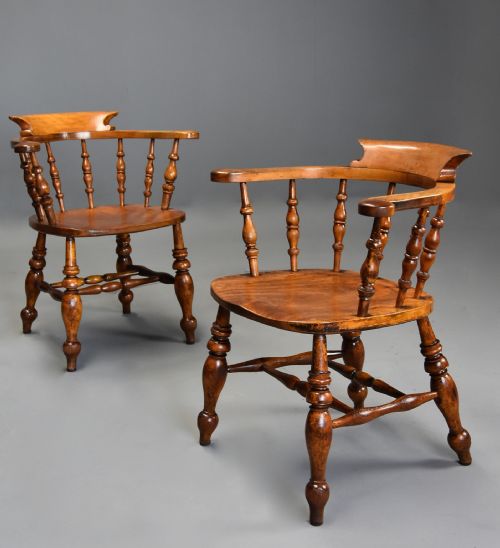
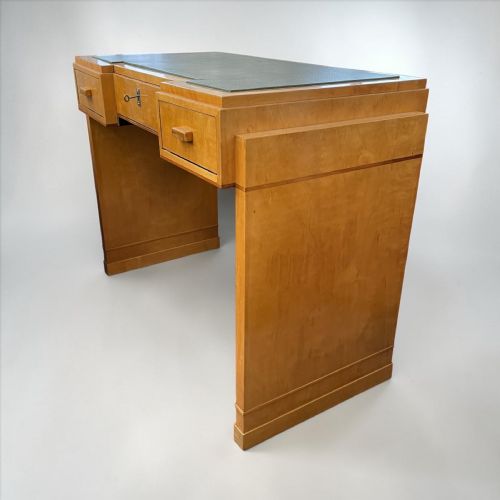
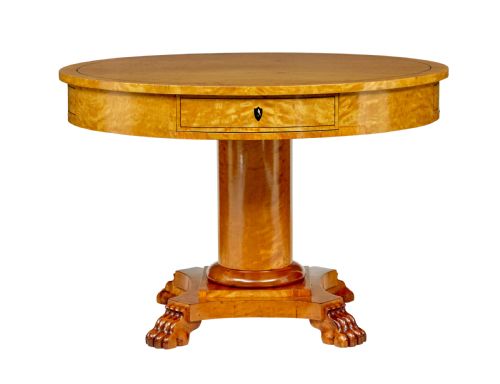
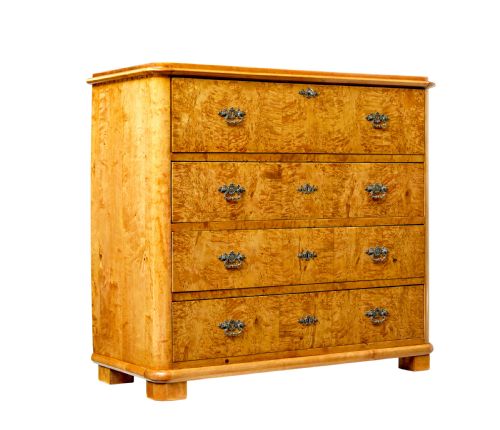

Antique Birch Desk
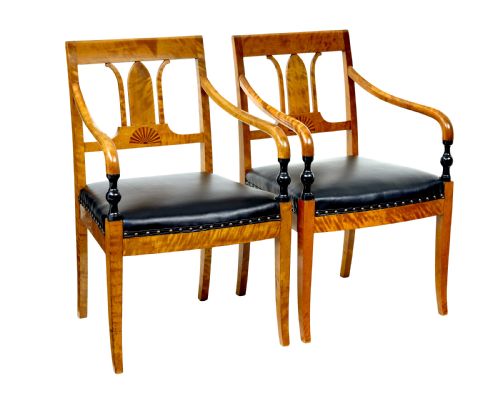
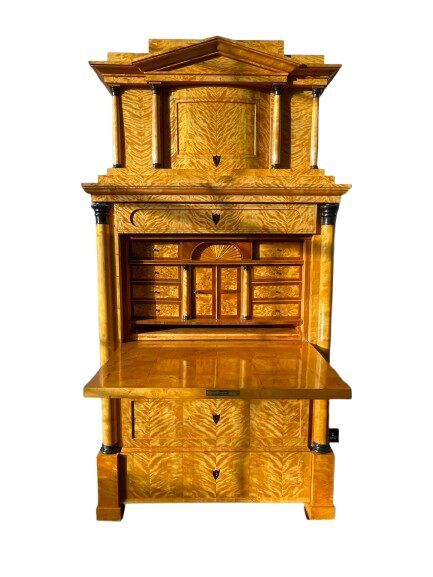
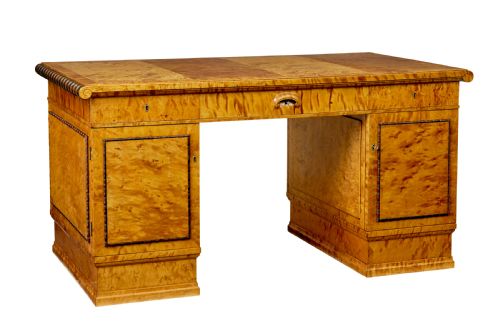
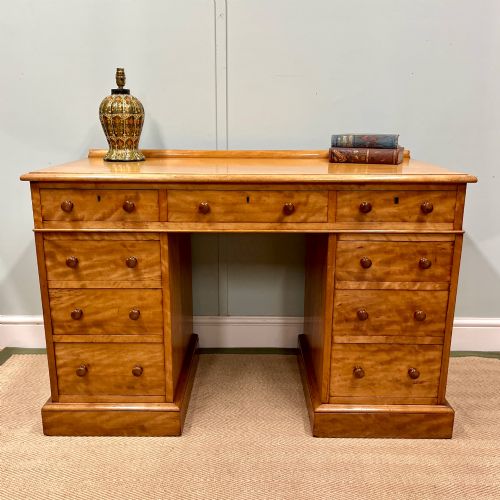
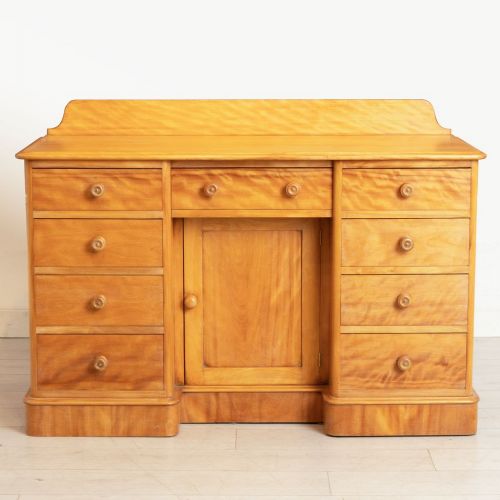
When sourcing an antique birch desk, collectors encounter finely figured timber and restrained classical lines ranging from Victorian pedestals to Biedermeier secretaires.
Antique Birch Desk
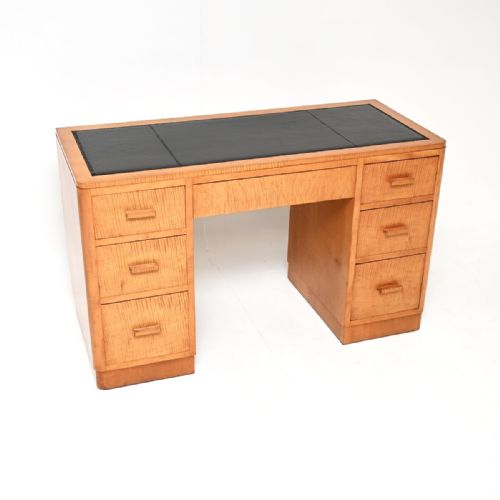
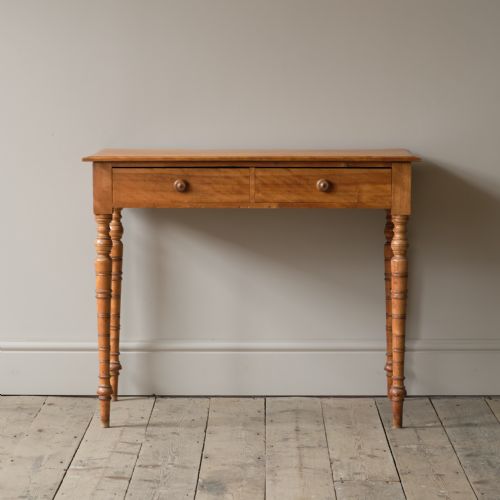
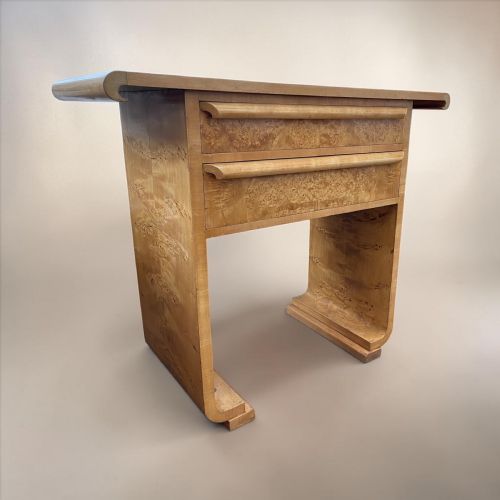
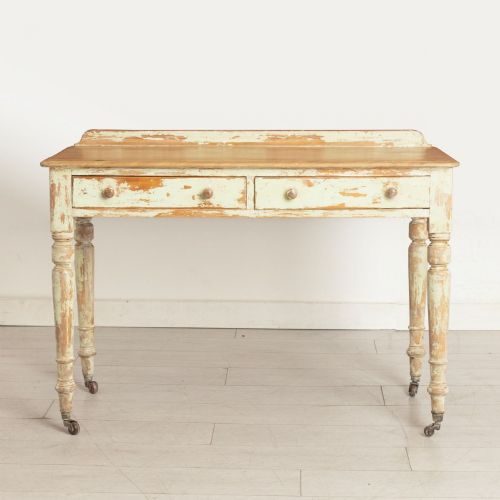
An antique birch desk encompasses varied writing forms from the Georgian period through to Art Deco, featuring pedestrian writing tables, kneehole configurations, and monumental secretaires.
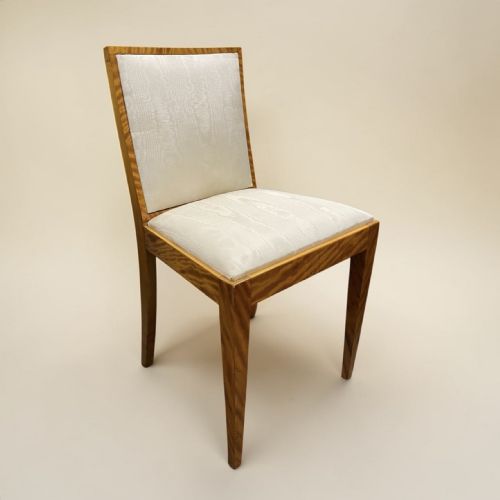
The material vocabulary spans plain timber, richly figured flame and burr surfaces, and distinct satin birch variants which give these writing surfaces their characteristic pale, luminous tone.
Continental examples, particularly Swedish Biedermeier and Empire Revival pieces, sit alongside English Victorian pedestals to form the core of what is available to buyers today.
How they were made
Cabinet makers utilised solid birch alongside carefully selected veneers of satin birch, burr birch, and Karelian birch laid over secondary woods such as pine.
Many writing surfaces incorporated contrasting inlays, ebonised wood details, and applied brass mounts, paired with inset leather skivers on pedestal desks and writing tables.
Materials recorded across the archive include flame birch, Karelian birch, ebonised wood, and contrasting brass hardware.
What varies in quality
The distinction between tiers rests upon the choice of timber figure, where tightly patterned flame or burr birch veneers reflect superior selection by workshops.
Construction integrity, retention of original brass hardware, and the crispness of carved or ebonised details separate standard production items from pieces bearing maker attributions.
Fortnum and Mason·Bath Cabinet Makers·Heal and Son·J Shoolbred·Howard and Sons
The Antique Birch Desk Glossary
- Satin birch
- A timber variant showing a natural chatoyancy and golden sheen, frequently utilised for high-status Victorian and Edwardian furniture.
- Biedermeier
- A Central European style dating to the nineteenth century characterised by clean architectural lines, minimal ornamentation, and emphasis on figured wood grain.
- Secretaire
- A cabinet or desk featuring a fall-front writing flap that conceals inner drawers and pigeonholes.
- Pedestal desk
- A heavy freestanding writing table supported by two banks of drawers resting on the floor.
- Kneehole desk
- A compact writing desk with a central recess for the user's legs, flanked by pedestals of drawers.
Antique Birch Desk: Frequently Asked Questions
How do I identify satin birch?
Satin birch is distinguished by its pale, golden-yellow tone and a natural shimmering figure that catches the light differently as the viewing angle shifts.
It was favoured by nineteenth-century cabinet makers for its luminous appearance, often contrasting sharply with ebonised wood details or dark leather writing surfaces.
Are Biedermeier desks different from Victorian ones?
Biedermeier desks, originating in Continental Europe, rely on smooth expanses of figured veneer and architectural restraint rather than applied carving.
Victorian pieces tend to follow English cabinet-making traditions, incorporating structural kneehole configurations or pedestal arrangements with heavier proportions.
What is a secretaire chest?
A secretaire chest combines the outward appearance of a set of drawers with a pull-down writing compartment in the top drawer tier.
Inside, smaller drawers and pigeonholes provide compartments for correspondence and writing implements.
How should I care for an antique birch desk?
Maintain these pieces by keeping them away from direct sunlight and maintaining stable room humidity to protect the underlying timber and delicate veneers.
Apply occasional traditional wax polish to nourish the surface without building up synthetic residues.