







Antique Bilston Box
An antique bilston box is a small, hand-painted enamel container made for snuff or patches, prized by collectors for its miniature artistry.
Antique Bilston Box
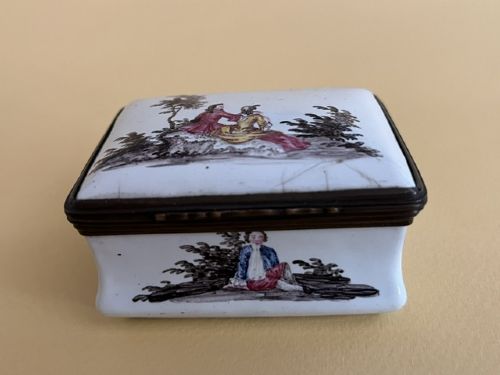
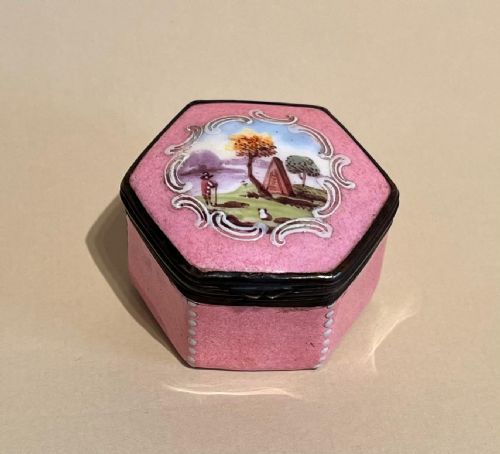
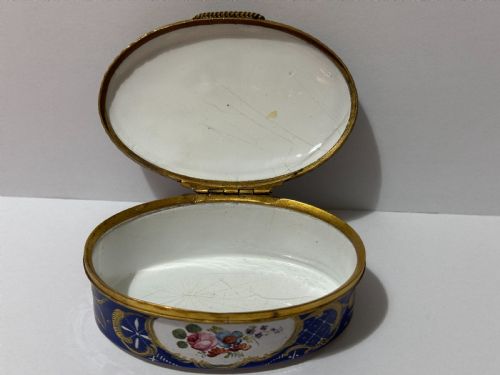
When you examine an antique bilston box, you are looking at small vessels produced during the eighteenth and nineteenth centuries, spanning the Georgian period and the year 1800. The most frequent examples you will encounter on this page are patch boxes, snuff boxes, and trinket boxes originating from Staffordshire.
These items served practical domestic and social functions in Georgian society, holding small cosmetic patches or scented snuff. Artisans formed them into oval and rectangular shapes, sometimes creating novelty forms or decorative plaques intended for personal display and pocket carriage.
How they were made
Makers formed the body of an antique bilston box from copper, shaping the metal to receive a smooth coating of opaque enamel. Artisans then hand-painted detailed scenes, floral motifs, or inscriptions directly onto the glazed surface.
Mounts and rims utilise brass or gilt metal, securing the hinged lids that seal each box. Gilded metal frames provide structural definition to the soft enamel edges and hinge mechanisms.
Antique Bilston Box Retail Price Guide 2026
Typical asking prices for bilston box among the pieces listed under this phrase on Sellingantiques today, from the lower quarter to the upper quarter. They describe what is for sale here now, not the wider market.
Several boxes bear inscriptions such as Cheltenham Wells or tokens of esteem, doubling as Georgian text messages.
What varies in quality
The fineness of the hand-painted miniature work dictates the upper echelon of these objects, separating simple decorative items from superior examples. Painted scenes depicting figures in parkland or specific locations show greater artistic skill than repetitive floral patterns.
The preservation of the enamel surface and the snug fit of the metal mount also distinguish better pieces. Retaining the original hinged closure and a crisp, undamaged glaze reflects superior historical survival.
The Antique Bilston Box Glossary
- Bilston
- A town in Staffordshire associated with the production of enamelled copper wares during the eighteenth century. Pieces attributed here share stylistic traits with broader South Staffordshire manufactures.
- Snuff box
- A small pocket container designed to hold powdered tobacco. These hinged receptacles kept the dry contents secure until needed for social consumption.
- Bonbonniere
- A small decorative container meant for holding sweets or sugarplums. These novelty boxes often take unusual shapes.
- Rococo Revival
- A nineteenth-century design style drawing on eighteenth-century asymmetrical ornamentation, curves, and scrollwork. This aesthetic influences the decorative mounting of later enamel boxes.
Antique Bilston Box: Frequently Asked Questions
What was an antique bilston box used for?
These small containers held personal items such as scented snuff or tiny silk cosmetic patches used in Georgian society.
Owners carried them in pockets or reticules for quick access during social calls.
How do I date an antique bilston box?
Dating relies on stylistic clues, mounting techniques, and the colour palette of the enamel.
Pieces from the eighteenth century often feature specific inscriptions and hand-painted topographical or figural scenes.
How should I display an antique bilston box?
Display these small objects inside a glass cabinet to protect the delicate enamel surfaces from dust and accidental impacts.
Keep them away from direct sunlight to prevent fading on the hand-painted lids.
What distinguishes a patch box from a snuff box?
Patch boxes frequently contain a small internal mirror fitted inside the lid for adjusting facial patches.
Snuff boxes generally lack mirrors, focusing solely on a tight closure to keep powdered tobacco dry.