
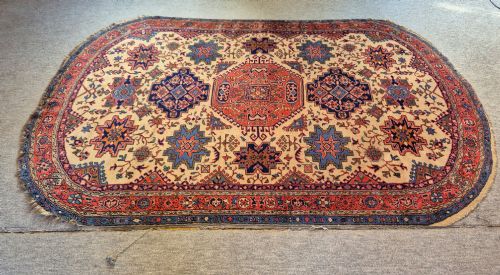
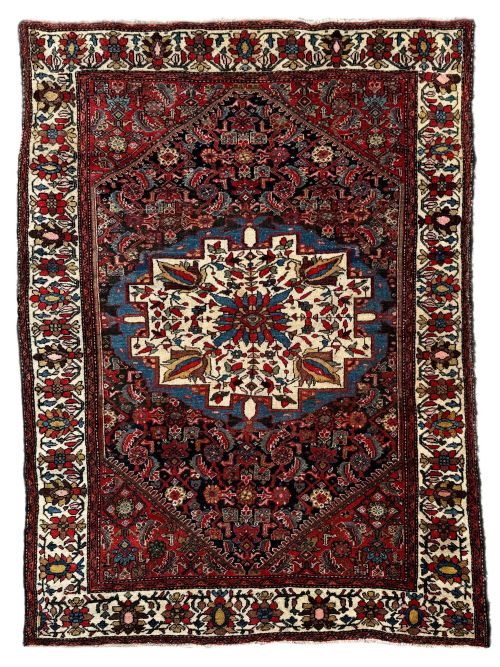


Antique Bijar Carpet
An antique bijar carpet brings heavy Kurdish weave and dense Persian patterns into a room.
Antique Bijar Carpet
An antique bijar carpet represents traditional Persian craftsmanship rooted in the Kurdish weaving traditions of western Persia. When you search for this phrase, you meet floor coverings that span from smaller village rugs to room-size and kelleh formats. These pieces emerge predominantly from the nineteenth and early twentieth centuries, reflecting decades of regional output.
The most common formats on this page include standard rugs, long runner rugs, and substantial carpets designed for large spaces. You will also encounter flatwoven kilim versions alongside pile-woven pieces. Their origins trace directly to Persian tribal and village workshops rather than urban manufactories.
Materials and construction methods
Makers constructed these floor coverings using wool and cotton foundations, frequently utilising hand-spun wool for the pile. This reliance on natural fibres ensures durable construction that withstands heavy foot traffic.
Weavers employed traditional Persian techniques characteristic of Kurdish artisans in Bijar. The integration of sturdy materials produces the dense, rigid structure often associated with these textiles.
Distinctions in craftsmanship and design
The sophistication of the pattern layout and the clarity of the design separate different examples within this group. Strong visual balance in motifs such as the Herati pattern elevates certain carpets above simpler village output.
Colour variation also dictates the appeal of individual pieces, with unusual ground shades like lemon creating distinct visual impact. The crispness of the weave further distinguishes finer room-size carpets from standard production.
The Antique Bijar Carpet Glossary
- Kelleh
- A long, narrow carpet format traditionally used in Persian interiors. It offers specific rectangular proportions distinct from square room-size carpets.
- Kilim
- A flatwoven textile produced without a pile. These pieces rely on interlocking weft threads to form geometric surface patterns.
- Herati
- A repeating floral and leaf motif arranged in a trellis structure. It appears frequently across traditional Persian carpets.
Antique Bijar Carpet: Frequently Asked Questions
How do I clean an antique carpet?
Vacuum gently using suction attachment without the rotating brush bar to protect the wool pile.
Professional specialist cleaning remains necessary for deeper maintenance to preserve the fibres and dyes.
Where were these carpets made?
These textiles originate from the town of Bijar and surrounding villages in western Persia. Kurdish tribes produced the majority of these woven works.
Production centres on regional traditions rather than large city workshops.
Are these carpets suitable for heavy traffic?
The dense wool pile and sturdy construction make these traditional floor coverings exceptionally durable. They handle regular movement across hallways and living rooms.
Placing a suitable underlay beneath the rug helps prevent sliding and reduces friction.
What size options are available?
Inventory ranges from small area rugs to expansive room-size carpets and narrow runner formats. Dimensions scale from compact village pieces to substantial country house carpets.
Measurements vary according to the specific room or corridor for which each piece was woven.