
Antique Bedside Stand
When searching for an antique bedside stand, you are looking for a small table or cabinet designed to sit beside a bed to hold a lamp or night-time necessities.
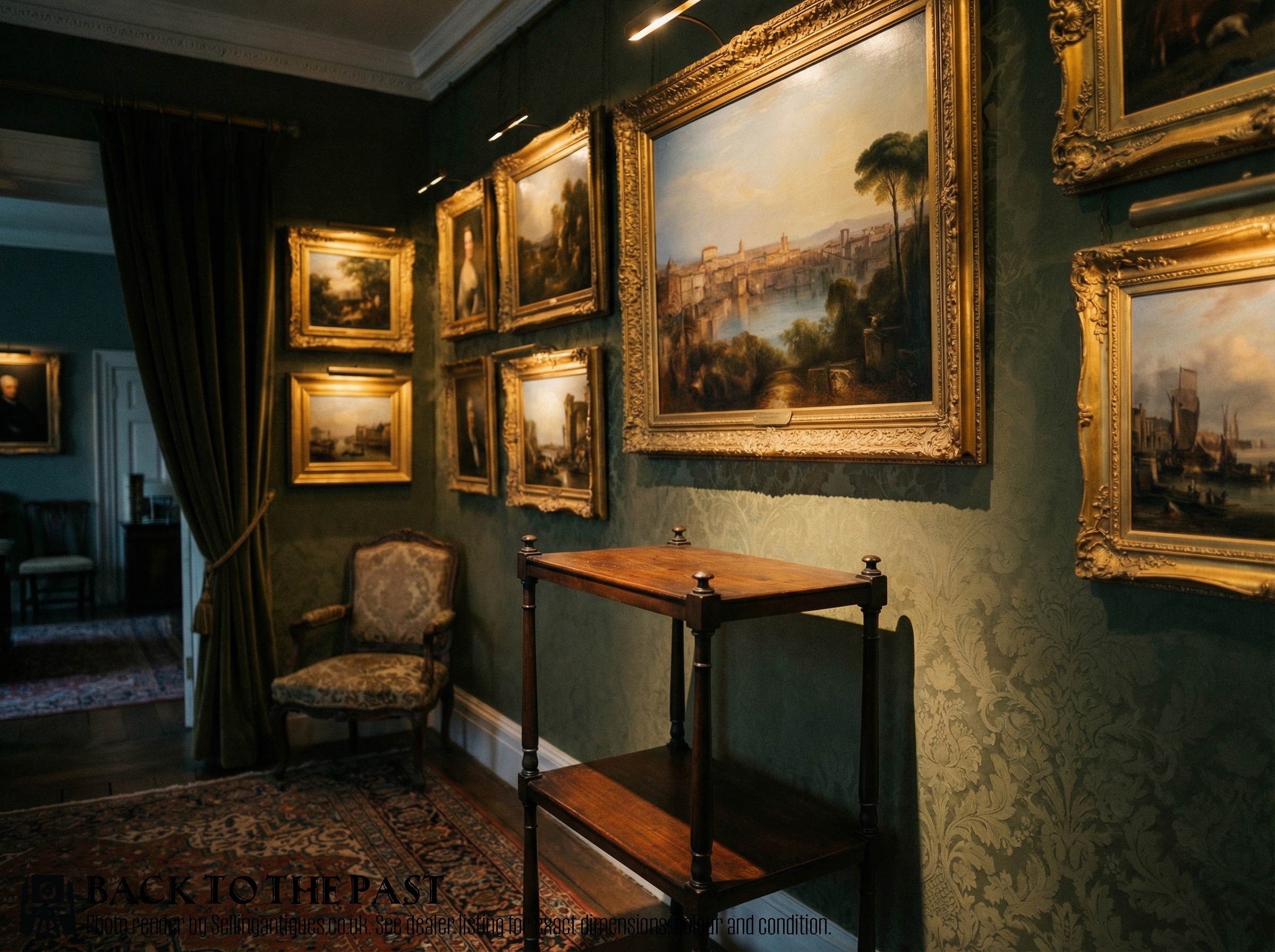
Antique Bedside Stand
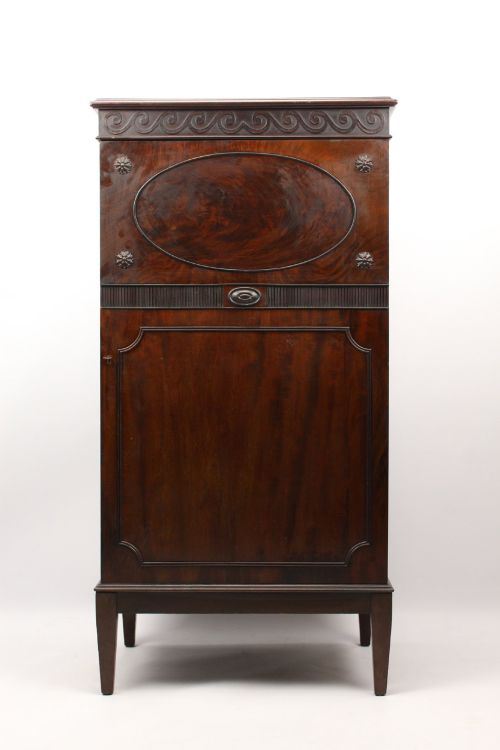
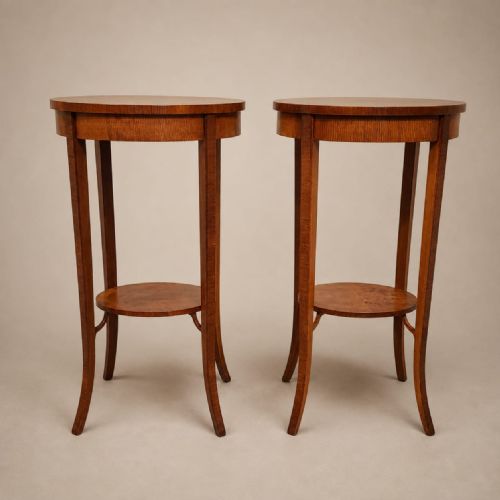
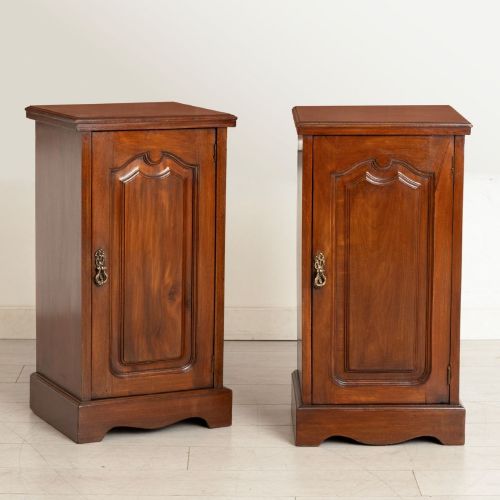
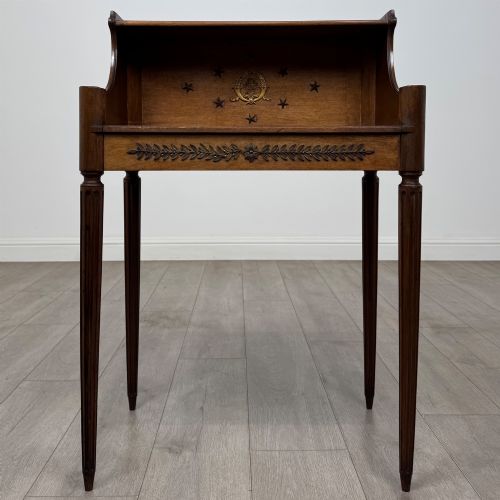
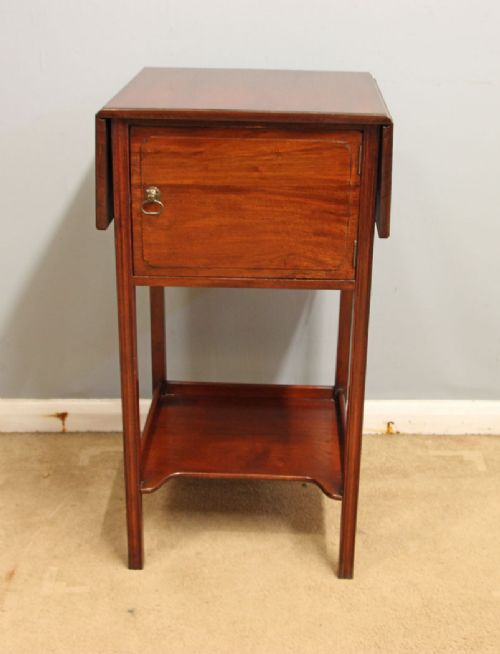
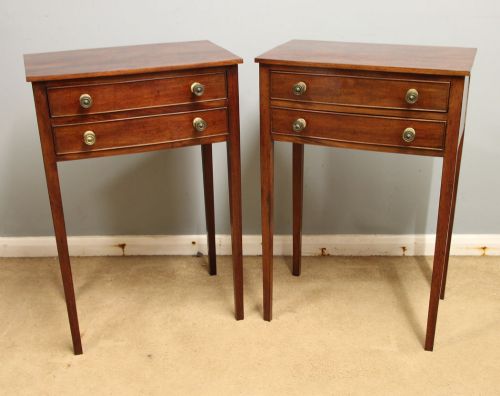
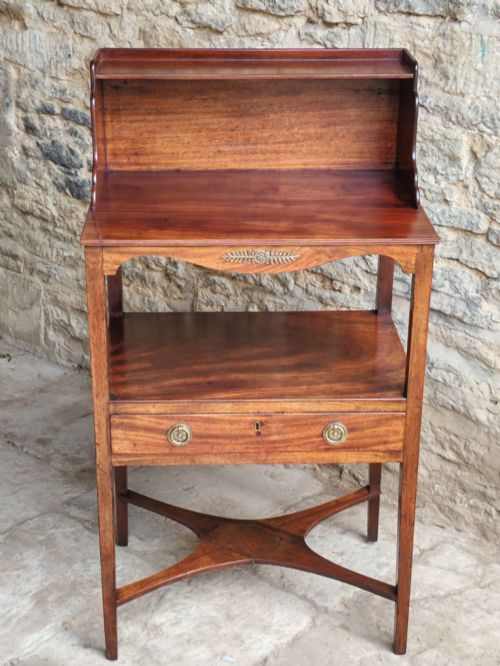
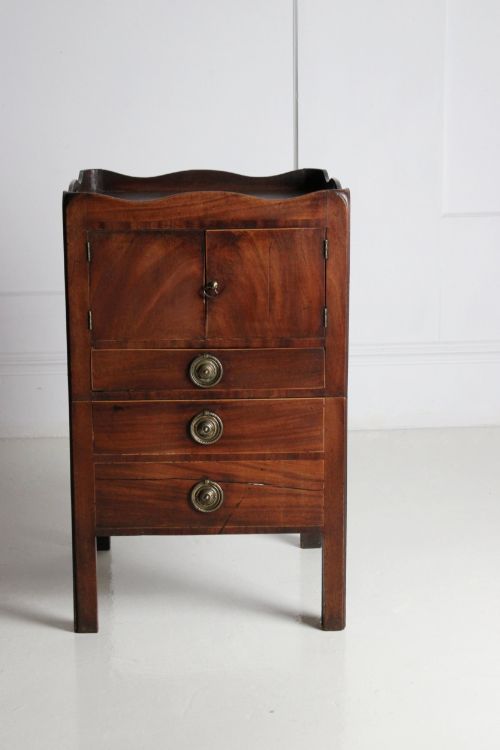
The term antique bedside stand covers a diverse group of small furniture items designed for the bedroom, including bedside cabinets, pot cupboards, washstands, and compact side tables. These pieces span multiple periods from the Georgian era through the Victorian period, Edwardian years, and into the early twentieth century.
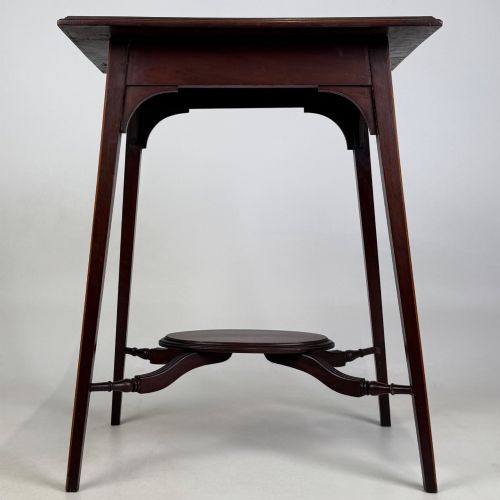
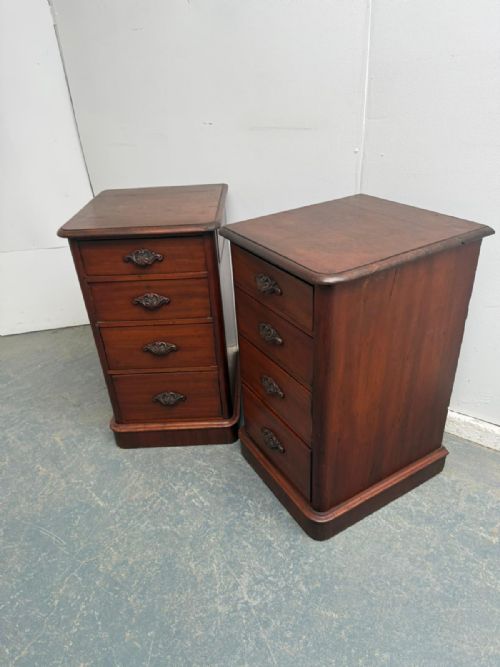
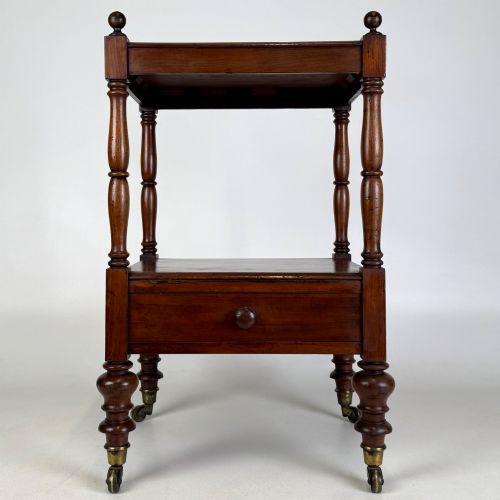
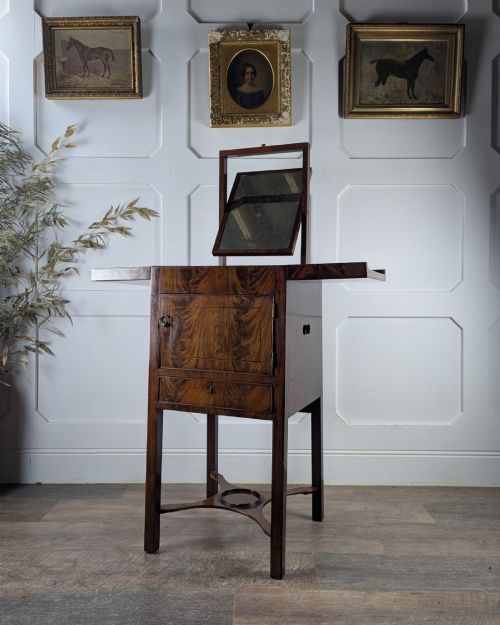
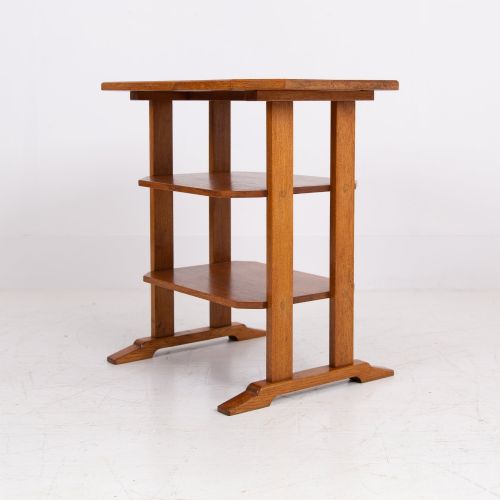
Buyers will encounter various forms ranging from enclosed cupboards with doors to open shelf designs, tier tables, and specialised washstands adapted for modern use. Mahogany and walnut dominate the offerings, alongside oak, pine, and fruitwood, often showing regional British, French, or Italian stylistic influences.
Materials and construction
Cabinet makers relied heavily on solid hardwoods like mahogany, walnut, and oak, frequently utilising finely figured veneers and decorative marquetry or parquetry inlay on top surfaces and doors. Secondary timbers such as pine appeared on internal framing and drawer linings.
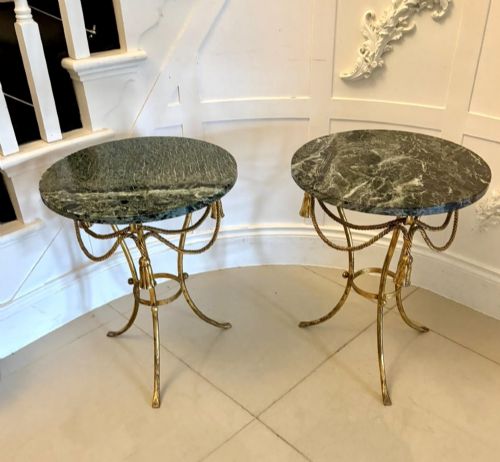
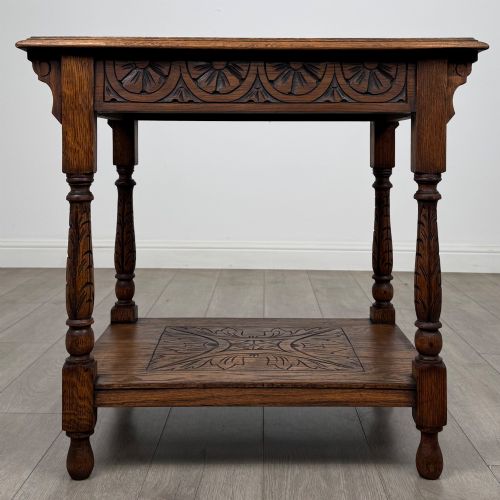
Construction techniques included traditional dovetailing for drawers, turned legs, and occasionally marble tops or brass fittings, reflecting the prevailing craftsmanship standards of Georgian, Victorian, and Edwardian workshops.
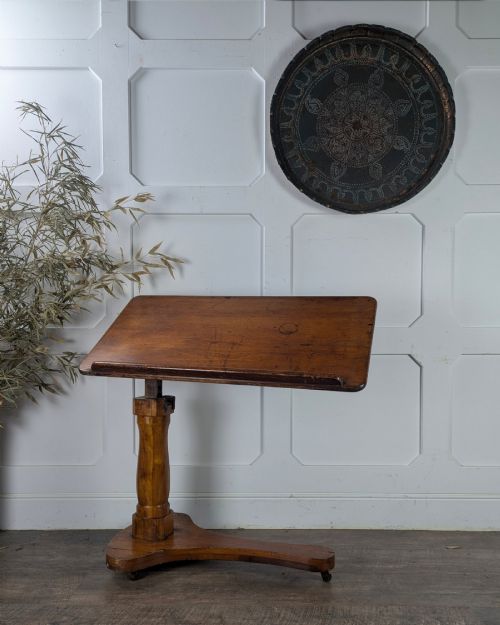
The selection includes enclosed cabinets, open etageres, adjustable reading lecterns, and marble-topped washstands designed across various European workshops.
Factors that separate the finest examples
Quality in these pieces rests upon the selection of timber, such as heavily figured mahogany or burr walnut, and the precision of the cabinet work, including tight joinery and original hardware. Pieces featuring detailed inlay, marble tops, or well-executed proportions distinguish the upper tier from standard utility furniture.
The integrity of the surface finish and the preservation of original structural elements, rather than heavy modern restoration, govern the overall standard of any given piece.
Denby and Spinks·Gill and Reigate·Mappin and Webb
The Antique Bedside Stand Glossary
- Pot cupboard
- A small enclosed bedside cabinet originally designed to house a chamber pot. These practical items typically feature a single door and sometimes a pull-out shelf.
- Washstand
- A piece of furniture created for morning ablutions, often featuring a cutout top for a basin and space for jugs. Many surviving examples have been adapted over time to serve as bedside tables.
- Nightstand
- An American term frequently used interchangeably in the antiques trade with bedside table or cabinet. It describes any low table placed beside a bed.
- Marquetry
- The art and craft of applying pieces of veneer to a structure to form decorative patterns and pictures. It appears frequently on finer walnut and exotic wood cabinets.
- Tray top
- A raised rim around the upper edge of a small table or stand designed to prevent items from rolling off. This feature is common on Georgian and nineteenth-century examples.
Antique Bedside Stand: Frequently Asked Questions
What is an antique bedside stand?
An antique bedside stand is a small piece of furniture historically used to hold chamber pots, wash basins, or candles during the night. They range from enclosed cupboards to open tables built centuries ago.
Today, buyers repurpose these compact items as bedside tables to support lamps, books, and modern devices while adding period character to a bedroom.
How do I date an antique bedside stand?
Dating relies on examining the timber species, construction methods like dovetailing, and stylistic markers such as cabriole legs or inlay. Georgian pieces often show simpler functional lines, while Victorian and Edwardian examples incorporate decorative veneers and elaborate hardware.
Comparing the hardware, secondary woods, and overall proportions against known period styles helps narrow down the decade of manufacture.
Are washstands suitable as bedside tables?
Converted washstands function exceptionally well as bedside tables due to their ideal height and compact footprint. Their original marble or wooden tops provide a durable surface for night-time essentials.
Many buyers specifically seek out these converted pieces for their distinctive character and useful lower shelving or drawer space.
How do I care for antique wood furniture?
Antique wood pieces require gentle maintenance using soft, dry cloths to remove dust rather than harsh chemical sprays. Keeping them away from direct heat sources and strong sunlight preserves the finish and prevents the timber from splitting.
Occasional application of appropriate wax maintains the lustre of mahogany, walnut, and oak surfaces without building up heavy residues.