


Antique Bedroom Vanity Glass
Antique bedroom vanity glass brings focus to the dressing room, offering the clear reflection and period timber framing that define traditional personal grooming.
Antique Bedroom Vanity Glass
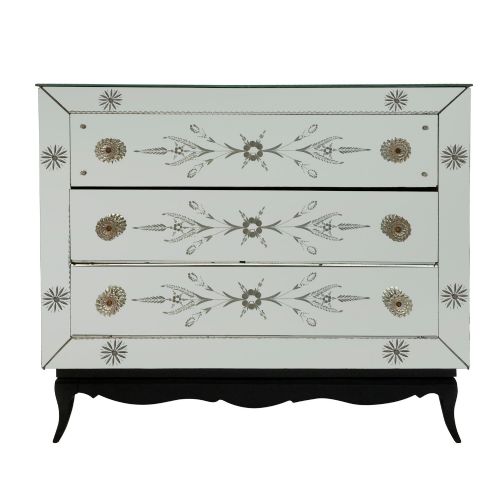
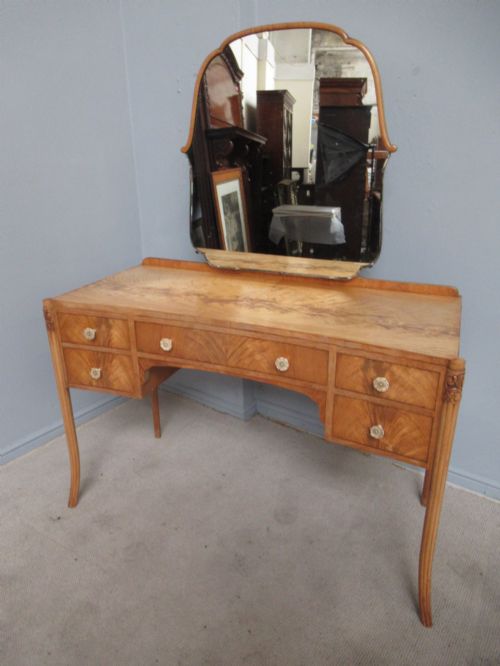
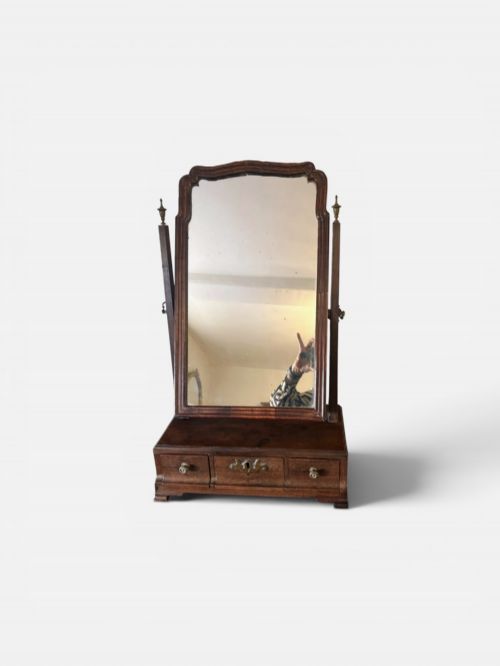
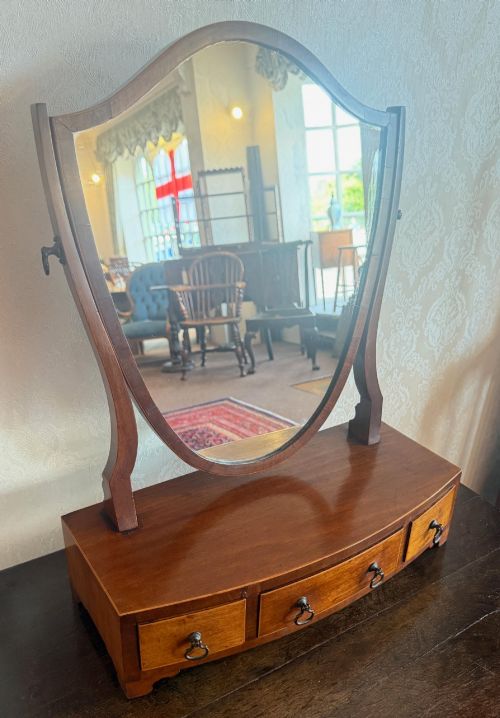
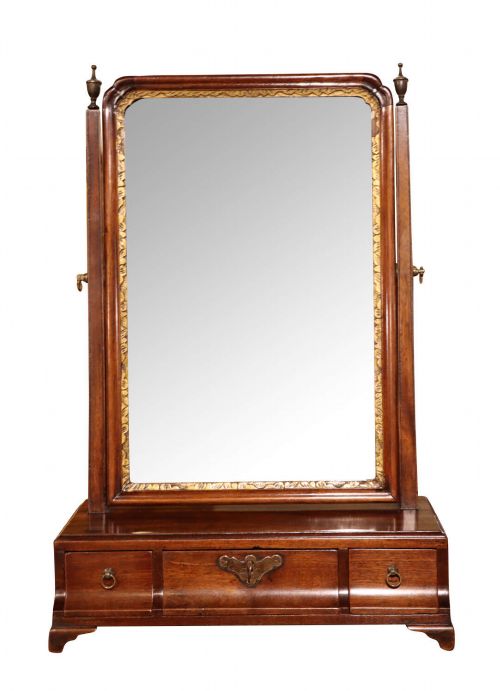
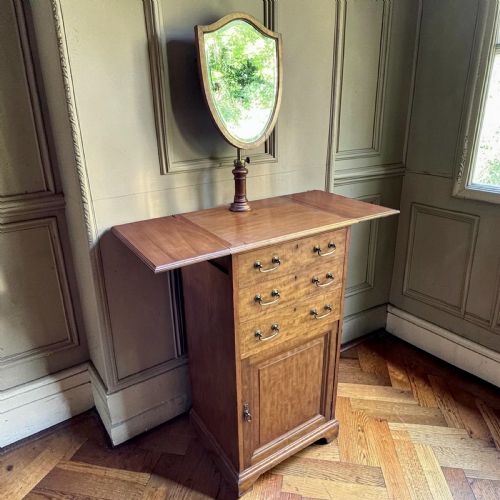
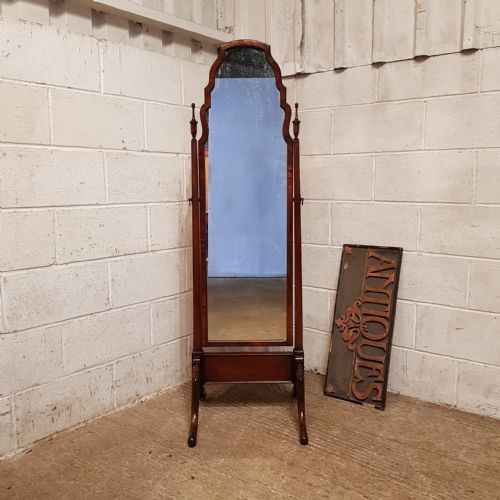
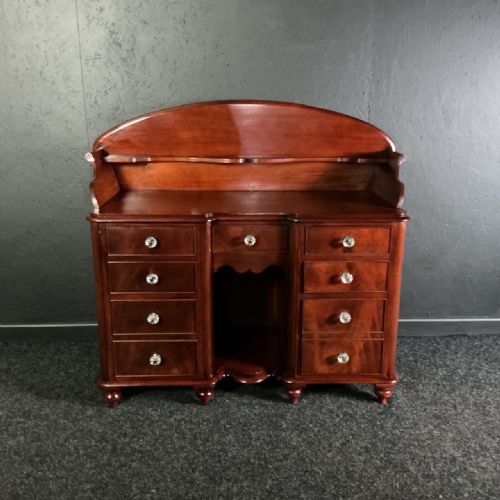
When you search for antique bedroom vanity glass, you encounter a range of tabletop and floor-standing pieces designed for personal grooming. The selection spans compact toilet mirrors, adjustable swing mirrors, and full cheval glass, alongside larger dressing tables incorporating mirror plates.
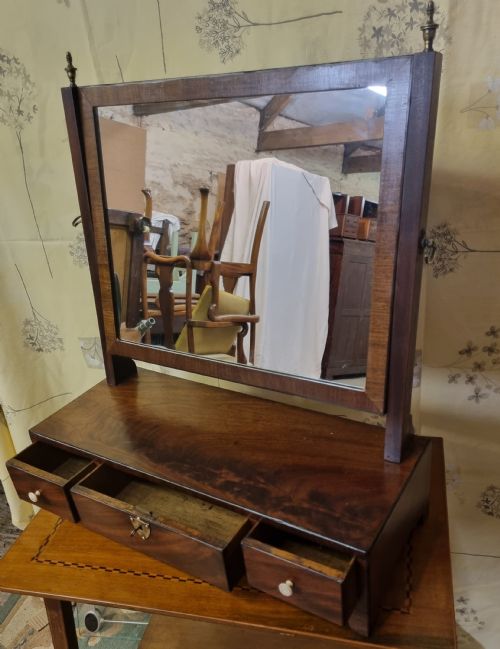
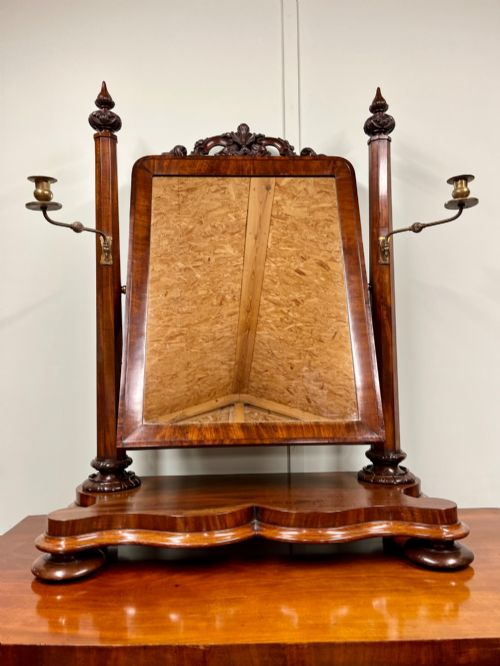
The most common formats on this page are tabletop toilet mirrors and swing dressing mirrors set upon small drawer bases. These pieces frequently date from the Georgian, Regency, and Victorian periods, constructed primarily in mahogany with occasional examples in maple, satinbirch, and ash.
How they were made
Makers utilised solid timbers such as mahogany and maple to build the frames and support structures, frequently incorporating small oak-lined drawers beneath the glass. Brass hardware, including adjustable side screws and swing pivots, allowed the glass frame to tilt securely.
Mirror glass itself was set into rebated frames, sometimes featuring bevelled edges or etched details. Giltwood frames and specialised threefold vanity screens also appear, constructed with hinged joints for folding positioning on tables or dressing surfaces.
Several compact cosmetic mirrors retain hidden storage compartments beneath the swing glass, keeping small personal items tucked securely away from view.
What varies in quality
The standard of timber selection and cabinetmaking distinguishes finer examples from simpler utilitarian pieces. Superior items display well-figured mahogany grain, precise dovetail joinery on the drawer boxes, and substantial brass mounts that hold the swing mirror firmly at any angle.
The integrity of the mirror glass and the depth of the original frame mouldings also influence the character of the piece. Well-preserved plates and crisp carving on the supports reflect the skill of the original workshop.
The Antique Bedroom Vanity Glass Glossary
- Cheval mirror
- A full-length plate glass mirror suspended on a vertical floor-standing frame. This allows the user to view their entire outfit.
- Toilet mirror
- A smaller tabletop glass frame designed to sit upon a chest of drawers or washstand. These often include small storage drawers in the base.
- Swing mirror
- A glass plate hung on pivots between two upright posts so the angle can be adjusted. It remains a defining feature of period dressing tables.
- Duchess dressing table
- A large nineteenth-century vanity form featuring a large central mirror mounted above surface drawers. It provides substantial surface area for grooming accessories.
- Washstand
- A bedroom furniture piece designed to hold a basin and jug, occasionally associated with vanity arrangements. Period examples use timber frames like mahogany or ash.
Antique Bedroom Vanity Glass: Frequently Asked Questions
Can I adjust a loose swing mirror?
Most period swing mirrors feature brass pivot screws or threaded bolt assemblies on the upright posts. Tightening these components gently restores tension to hold the glass at the desired angle.
If the wooden frame bears excessive weight or the hardware is worn, inspect the washers inside the pivot joint. Adding a matching washer can help stabilise the movement without damaging the timber.
Where should I place a vanity mirror?
Position your mirror near a natural light source to ensure even illumination during use. Tabletop toilet mirrors sit securely on top of sturdy chests of drawers or dedicated dressing tables.
Ensure the supporting surface is level and capable of holding the weight of the timber frame. Keep the piece away from direct sunlight and damp walls to protect the wood and mirror silvering.
How do I tell Georgian mirrors from Victorian ones?
Georgian mirrors tend to feature restrained proportions, elegant mahogany veneers, and understated bracket feet on the base. The woodwork often exhibits fine craftsmanship and simpler lines.
Victorian examples frequently present heavier proportions, richer carving, and more elaborate drawer arrangements. They often incorporate three small drawers in the base block rather than the single long drawer common in earlier pieces.