

Antique Bedroom Lockers
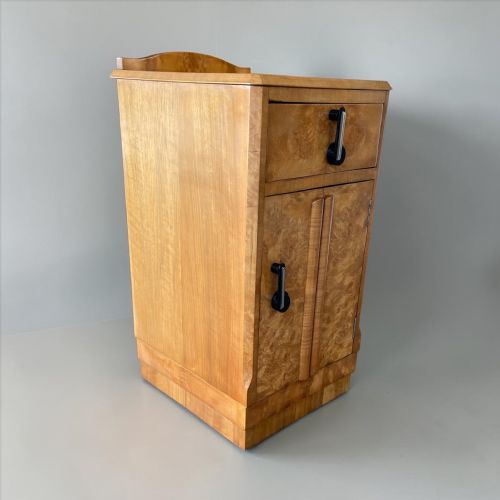
Antique bedroom lockers offer compact bedside storage in rich woods spanning the Georgian, Victorian, and Edwardian eras.
Antique Bedroom Lockers
Antique bedroom lockers appear under various names in the listings, including bedside cabinets, cupboards, chests, and tables. These pieces provide practical surface space and enclosed storage next to the bed.
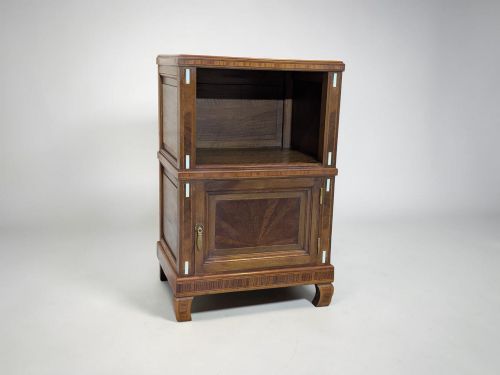
The selections span distinct historical periods from the nineteenth century through to the Art Deco twentieth century. Victorian and Edwardian examples dominate the current availability.
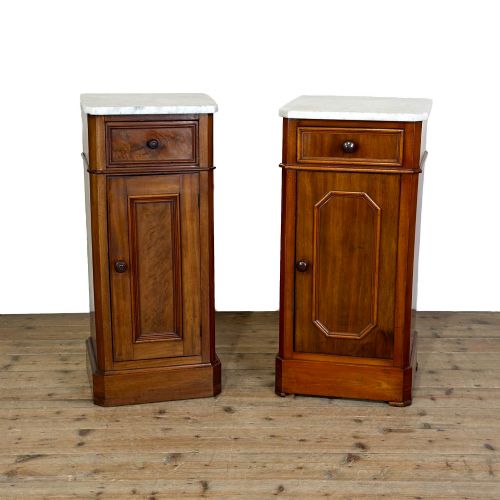
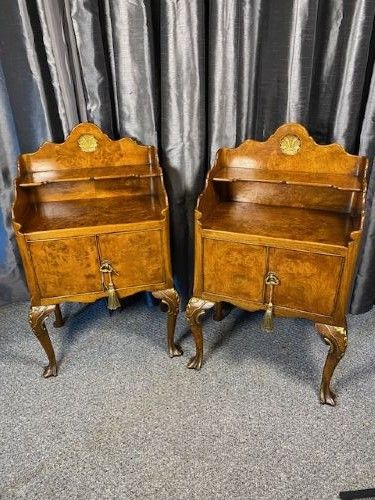
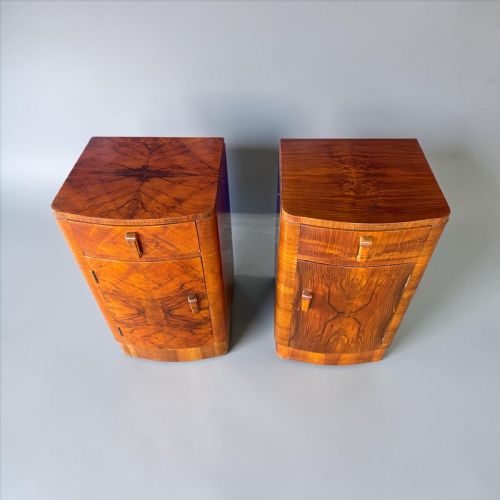
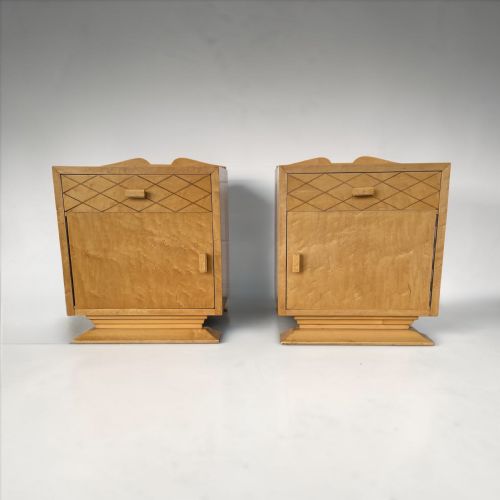
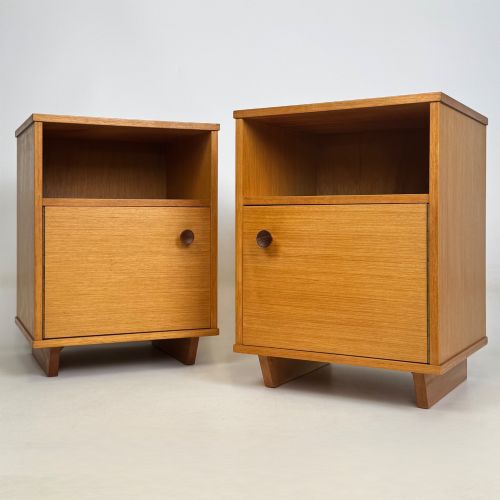
Makers utilised forms ranging from simple cupboards to multi-drawer lockers and drop-flap designs. Buyers frequently find matching pairs alongside single stands.
How they were made
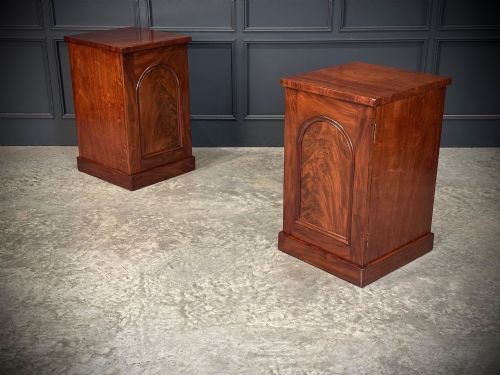
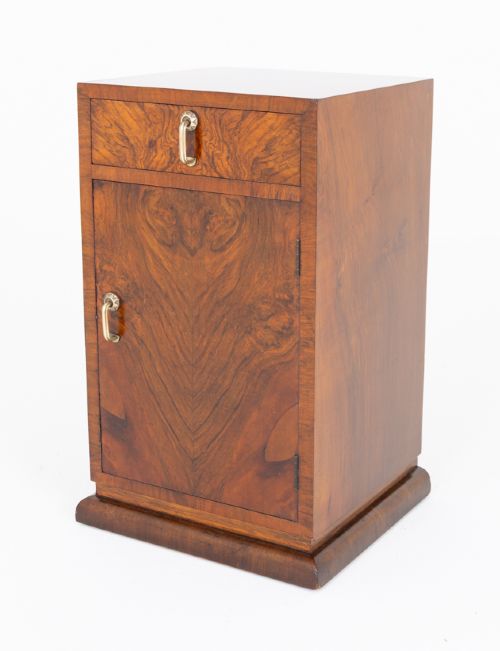
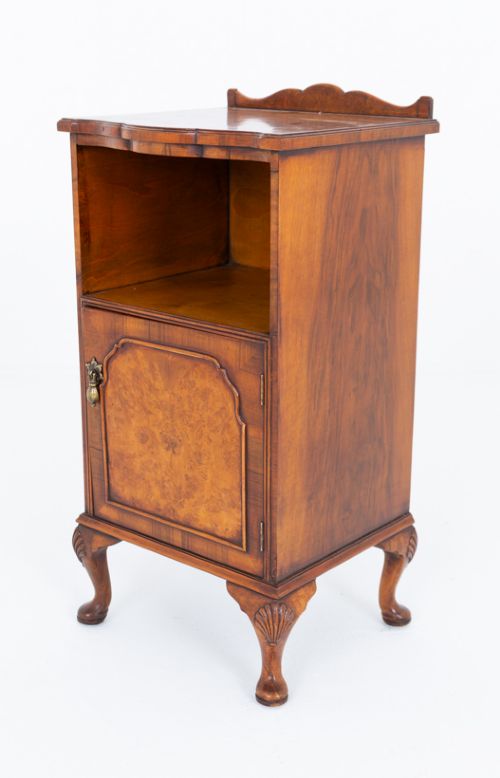
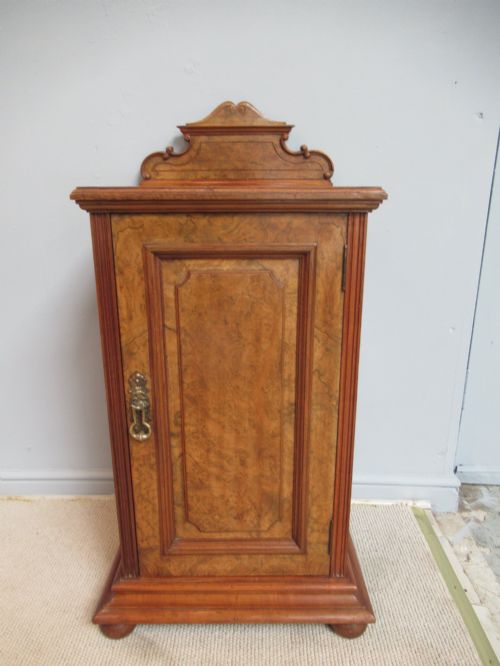
Cabinet makers relied primarily on timbers such as mahogany, walnut, satinwood, and oak for the carcases. Many finer pieces feature decorative veneers like burr walnut and flame mahogany.
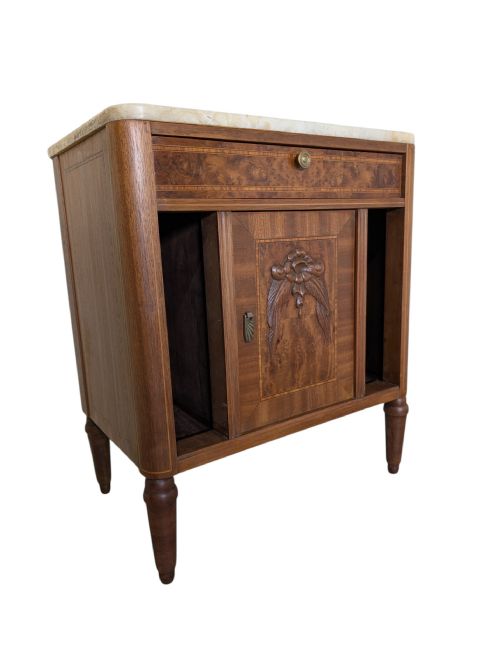
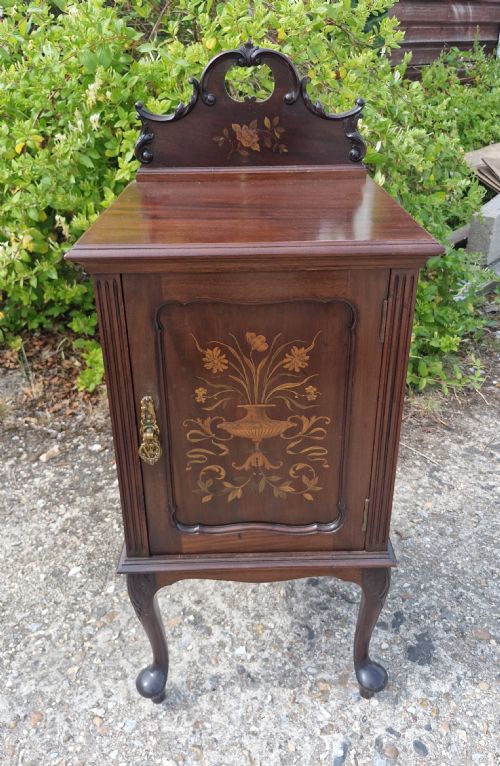
Details often include brass hardware and delicate inlay work. Construction techniques reflect the prevailing cabinet-making standards of the Georgian, Victorian, and Edwardian periods.
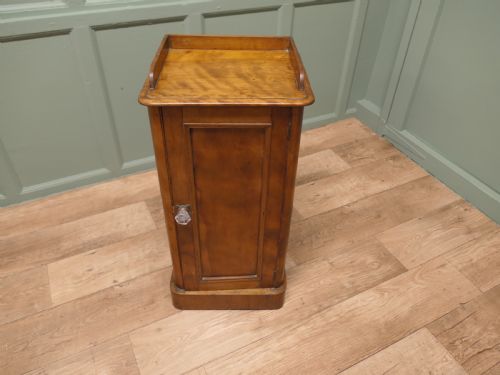
The listings show pieces constructed from mahogany, walnut, satinwood, burr walnut, oak, and metal across Victorian, Edwardian, and Art Deco styles.
What varies in quality
The choice of timber and veneer figure dictates much of the visual hierarchy among these cabinets. Finely figured burr walnut and rich flame mahogany elevate simpler forms into distinct decorative statements.
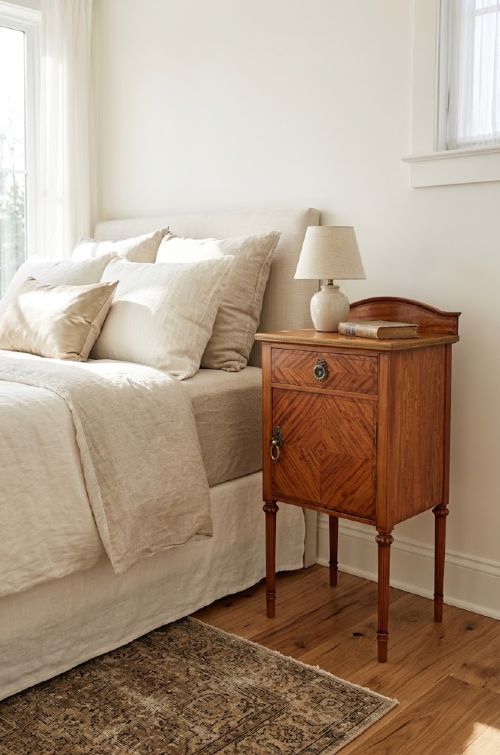
Execution of inlay work, handling of reeded legs, and the retention of original brass fittings mark the distinction between standard utilitarian lockers and superior examples.
Gillows·Heals
The Antique Bedroom Lockers Glossary
- Nightstand
- A small low table or cabinet placed beside a bed. These objects serve the same practical function as bedside lockers.
- Inlay
- A technique where pieces of contrasting wood or other materials are inserted into a recessed surface to form a design. Edwardian cabinet makers frequently applied this decoration to mahogany carcases.
- Burr walnut
- A prized wood grain obtained from walnut tree growths, known for its swirling patterns. This material appears on high-status Victorian and twentieth-century cabinets.
- Pedestal cabinet
- A tall, narrow freestanding cupboard designed to stand beside furniture. These pieces offer deep interior storage beneath a flat top surface.
Antique Bedroom Lockers: Frequently Asked Questions
What is an antique bedroom locker?
An antique bedroom locker is a small bedside cabinet or cupboard dating from the nineteenth or early twentieth century. These pieces provide enclosed storage and a convenient surface next to the bed.
They appear in various styles including Victorian mahogany cupboards, Edwardian satinwood stands, and Art Deco walnut tables.
How do I date a bedside cabinet?
Dating relies on observing the timber choices, construction methods, and stylistic revival cues present in the piece. Victorian examples often utilise solid mahogany or burr walnut veneers.
Edwardian items frequently display lighter satinwood and subtle inlay work, whereas Art Deco pieces from the 1930s favour geometric lines and streamlined walnut finishes.
Are bedside lockers usually found in pairs?
Many listings feature matching pairs of cabinets, which originated from bedrooms designed for two sleepers. Single bedside tables also appear frequently across different periods.
Pairs demand closer attention to subtle variations in wood grain and hardware to confirm they were created together.
What woods were used for these cabinets?
Cabinet makers utilised a range of traditional hardwoods depending on the prevailing fashion of the era. Mahogany and walnut remain the most prevalent timbers across Victorian and Georgian pieces.
Satinwood and oak appear across Edwardian designs, whilst decorative surfaces frequently incorporate burr walnut and flame mahogany veneers.