
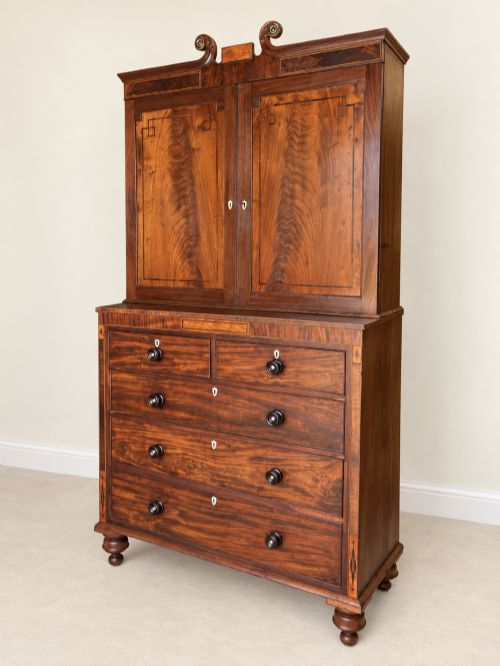
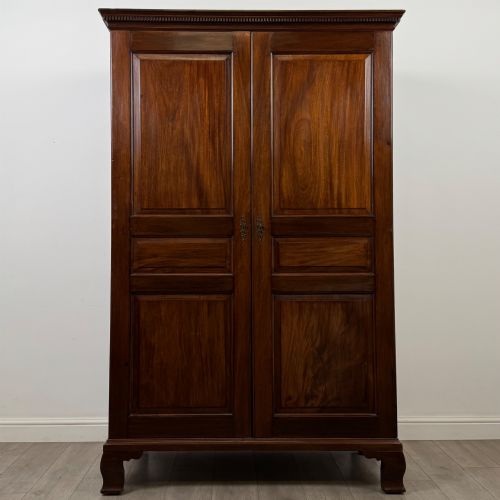
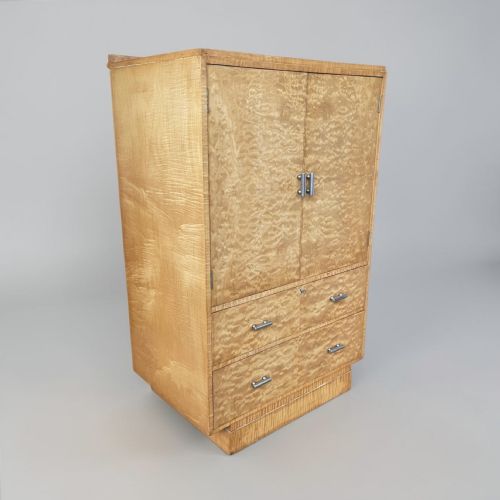
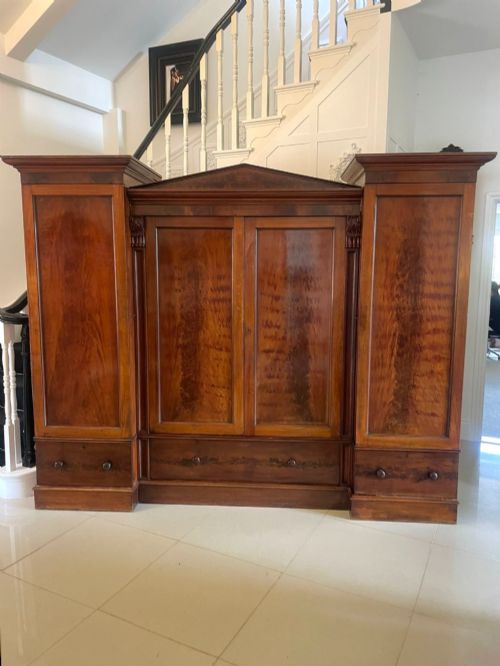
Antique Bedroom Linen Press
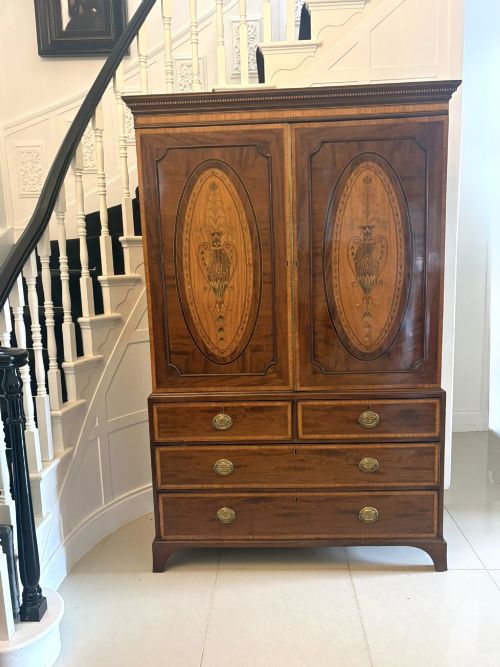
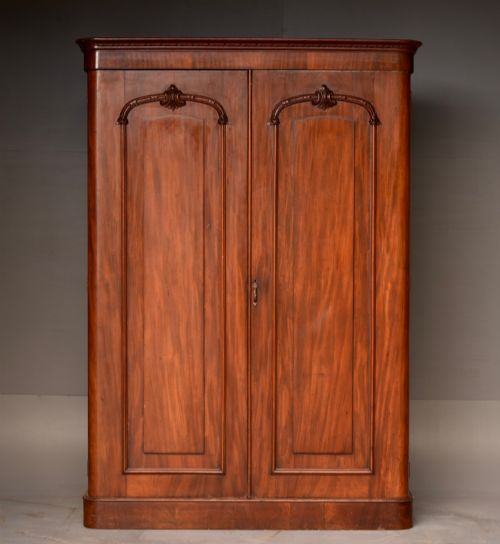
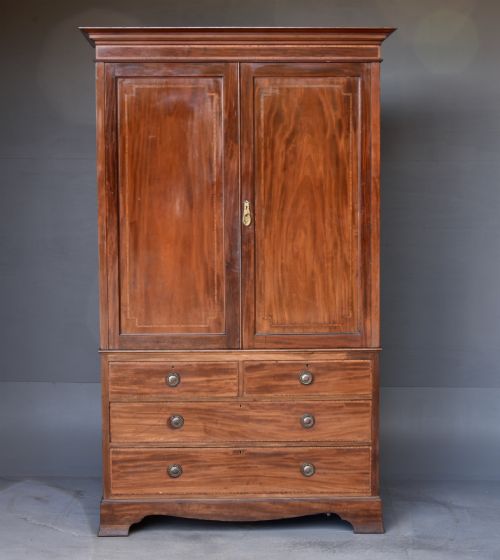
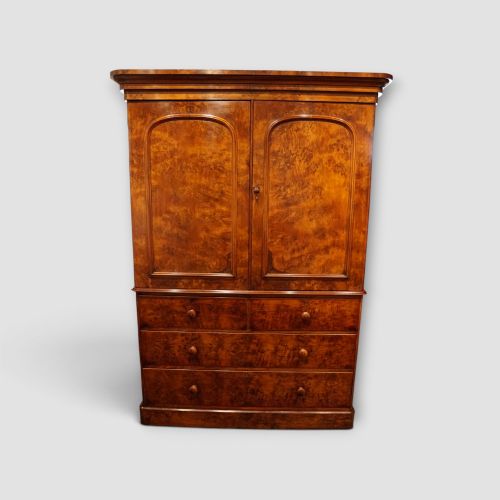
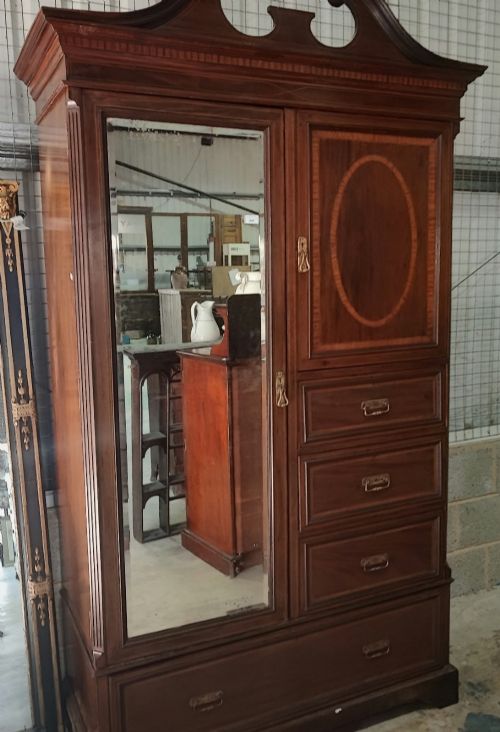
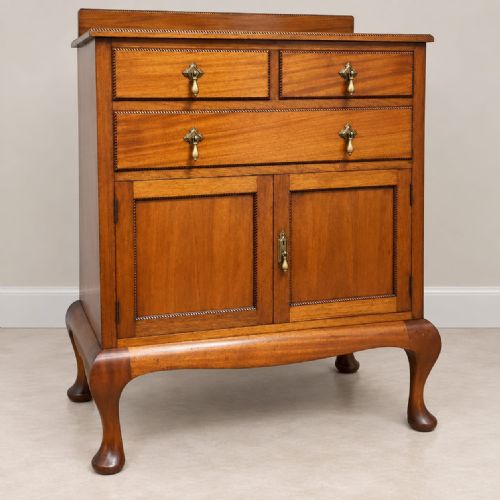
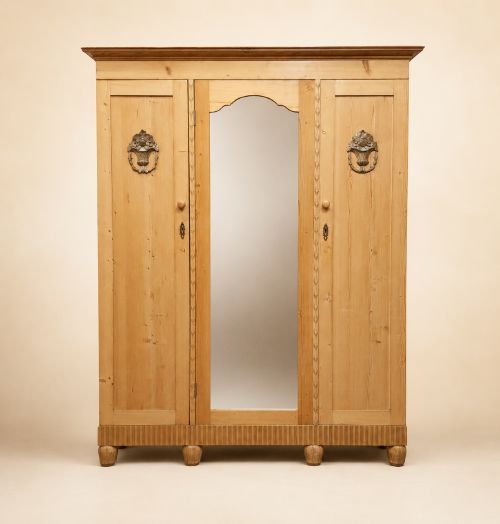
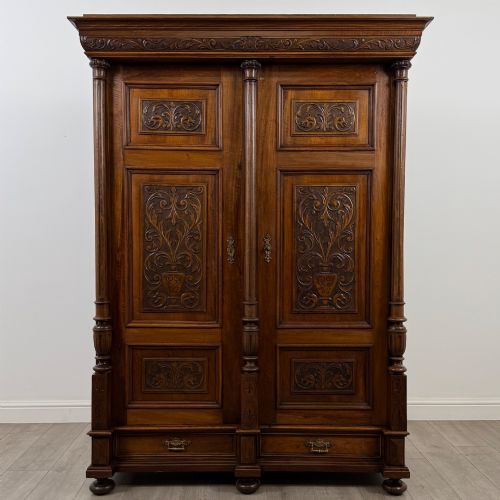
An antique bedroom linen press offers substantial period storage, combining upper linen sliding trays with lower drawers.

Antique Bedroom Linen Press
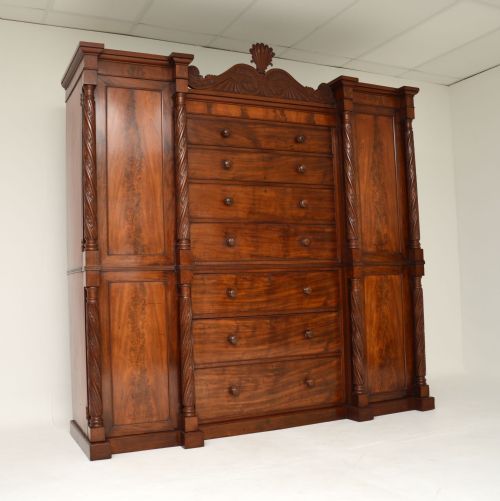
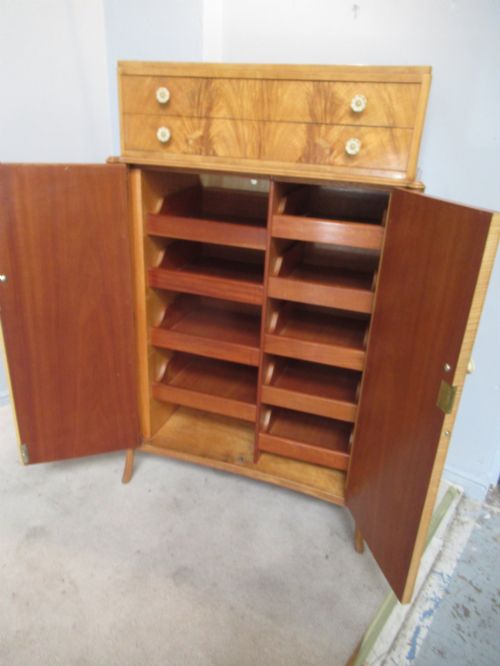
An antique bedroom linen press stands as a commanding piece of period furniture designed primarily for folding textiles and hanging garments. These large cabinets combine upper cupboard doors enclosing sliding shelves with a chest of drawers positioned underneath. Buyers meet these items across Georgian, Victorian, and Edwardian periods, manifesting in forms that include compactums and tallboys alongside traditional presses.
The versions most frequently encountered on this page date from the nineteenth century in mahogany and pine, though walnut and oak examples appear regularly. Proportions tend to be deep and tall to accommodate bulky household linens and clothing before fitted bedroom closets became standard. Interiors often retain original sliding trays, whilst lower sections utilise graduating drawers.
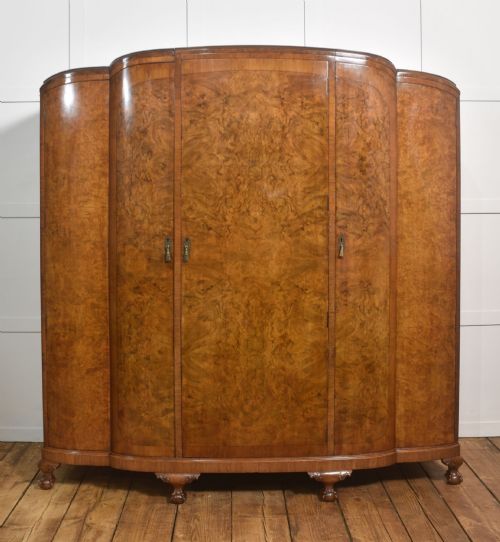
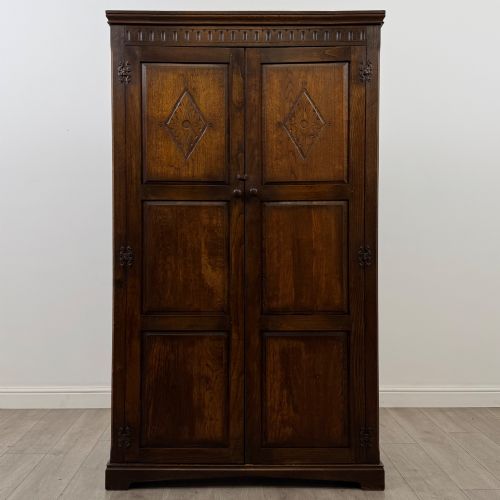
Makers and styles span from George III through to Art Deco, reflecting shifting domestic storage needs over two centuries. Some listings group these with wardrobes and armoires due to overlapping internal configurations that combine hanging space with shelving. The combination of timber choice and period detailing determines the exact visual weight of each piece in a modern bedroom.
Materials and construction methods
Cabinetmakers constructed these presses using dense hardwoods like mahogany and walnut, alongside softer domestic timbers such as pine and oak. Timber selection dictated the structural integrity needed to support deep carcasses and heavy doors. Craftsmen often applied decorative veneers like satinwood or burr walnut to primary exterior surfaces for visual contrast.
Joinery relied on traditional techniques including dovetailing for drawer construction and pegged mortise and tenon frames. Many large pieces were engineered to dismantle into modular sections to facilitate movement between rooms. Interior sliding trays required precise carpentry to run smoothly within fixed internal tracks.
Surface treatments ranged from clear French polish and wax finishes to painted faux finishes like scumble. Cornices frequently incorporated architectural carvings, blind fretwork, or simple moulded profiles depending on the prevailing style. Brass hardware, including drop handles and escutcheons, completed the assembly of the doors and drawers.
The inventory records distinct forms such as compactums, tallboys, and armoires alongside standard linen presses.
Assessing quality in period presses
Superior examples demonstrate meticulous timber selection, using figured mahogany or burr walnut with consistent grain matching across the front doors and drawer panels. The integration of secondary woods inside drawers and backboards reveals the standard of workshop execution. Original brass fittings and functioning locks indicate a higher grade of initial commission.
Construction depth and proportion separate standard utility pieces from high-status commissions. Fine pieces retain their original sliding trays inside the upper section, whereas inferior or altered examples often have these trays removed to create simple hanging space. The crispness of carved cornices and inlaid stringing reflects the skill level of the cabinetmaker.
Condition involves the preservation of original surfaces and structural stability rather than mere cosmetic tidiness. Pieces that dismantle cleanly without compromising the rigidity of the main carcass show superior engineering. Retaining original painted finishes or untouched polish patination distinguishes preserved items from heavy restoration.
maples & co·Edwards and Roberts·Maple & Co
The Antique Bedroom Linen Press Glossary
- Linen press
- A tall storage cabinet featuring upper doors enclosing sliding trays above a chest of drawers. This form evolved to store household textiles flat before modern wardrobes became common.
- Compactum
- A multi-functional wardrobe combining hanging space, sliding linen trays, and multiple drawers within a single cabinet. These units maximise internal storage efficiency.
- Tallboy
- A tall chest of drawers, sometimes incorporating an upper cupboard section. They provide vertical storage capacity within a compact floor footprint.
- Scumble
- A decorative paint technique used to simulate natural wood grain on lesser timbers. Artisans applied a translucent top glaze over a base coat and manipulated it with combs or brushes.
- Blind fretwork
- Carved ornamentation applied to a solid background to resemble pierced fretwork. Cabinetmakers used this decorative banding along cornices during the Georgian period.
Antique Bedroom Linen Press: Frequently Asked Questions
What is a linen press?
A linen press is a traditional storage cabinet designed with upper doors that enclose sliding wooden trays for folded textiles, paired with a chest of drawers beneath.
They were essential bedroom furniture before fitted closets were invented, offering deep interior capacity for household linens and garments.
How do I use one today?
These presses function well as bedroom wardrobes, linen storage units, or general living room media cabinets depending on internal modifications.
The sliding trays suit folded jumpers and bedding, whilst lower drawers accommodate smaller clothing items.
Will a linen press fit?
Many larger antique presses were designed to dismantle into modular sections including the cornice, middle carcass, and base drawers.
Buyers should check both the overall assembled dimensions and whether the specific piece uses a knockdown construction for transport.
How do I date these pieces?
Dating relies on identifying timber choices, construction techniques, and stylistic markers such as Georgian bracket feet or Victorian panel moulding.
Secondary woods inside drawers and the presence of hand-cut dovetails help confirm the period of manufacture.