

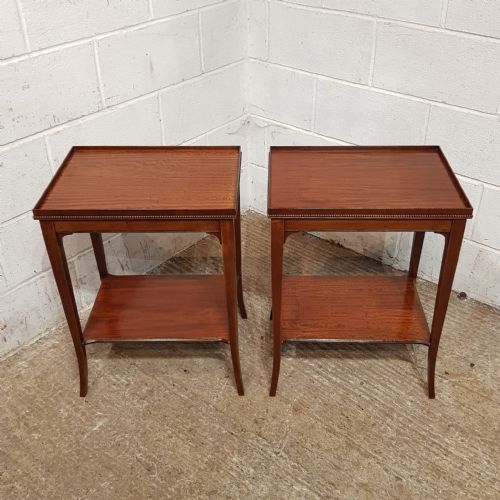
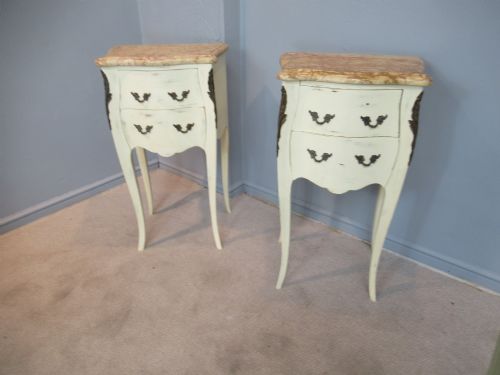


Antique Bed Tables Pair
These antique bed tables pair practical bedside storage with period character, offering matched surfaces for nighttime essentials beside a traditional bed.
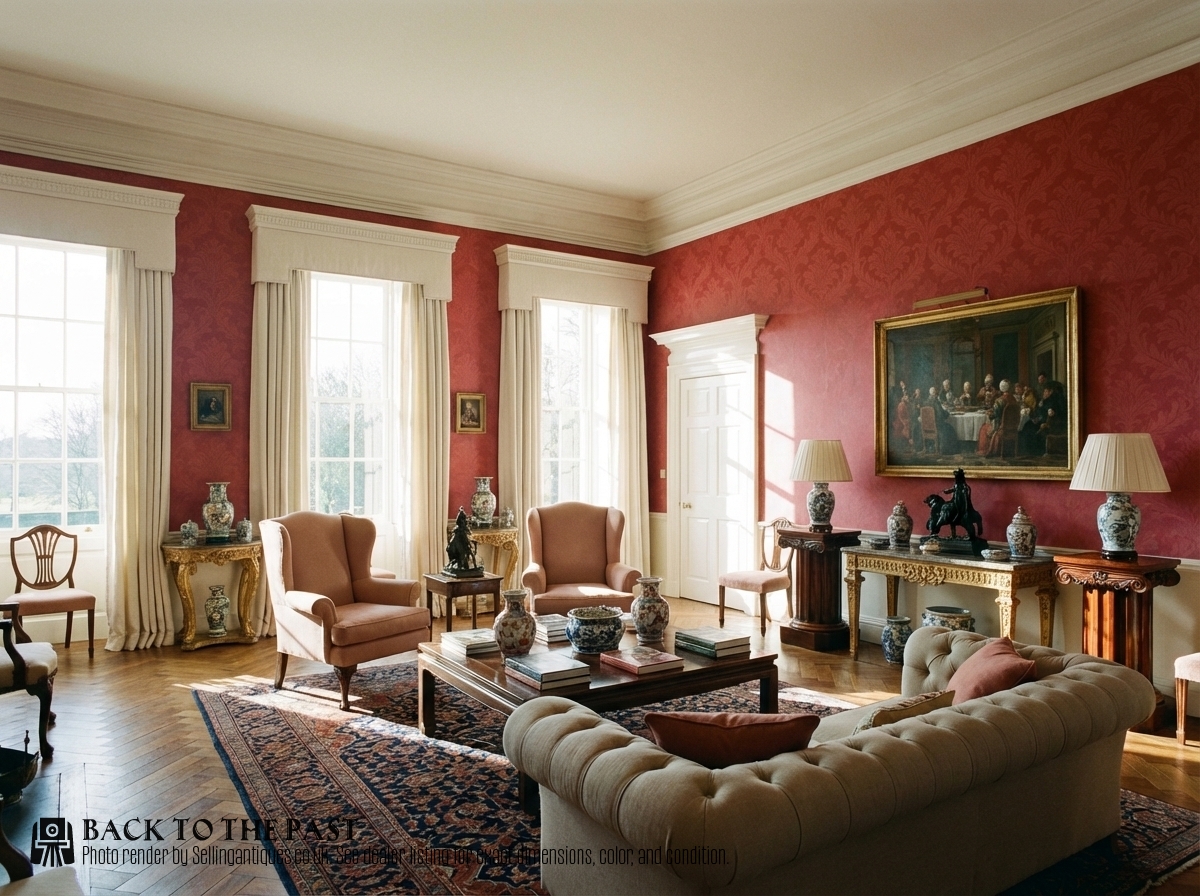
Antique Bed Tables Pair
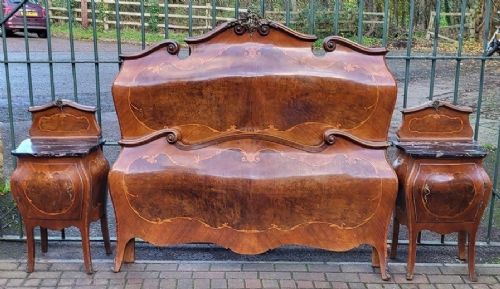
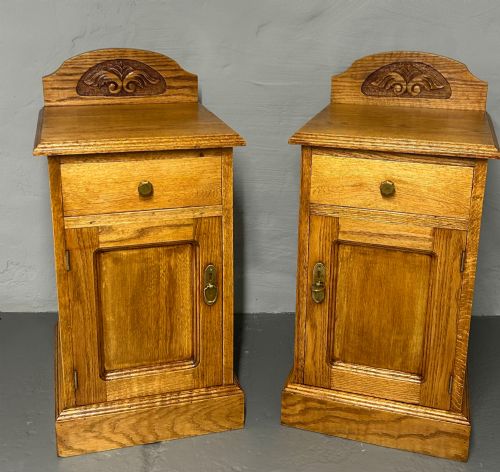
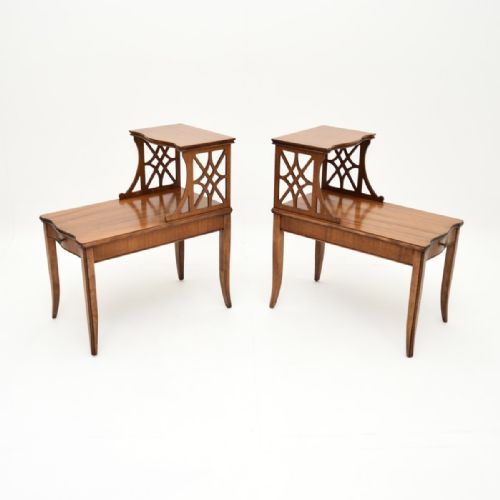
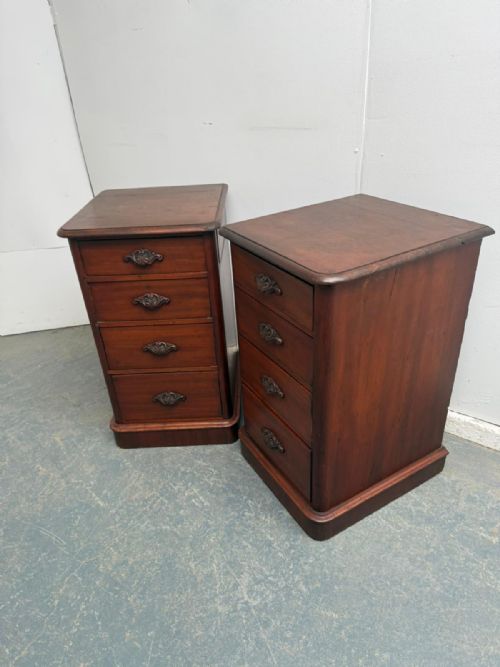
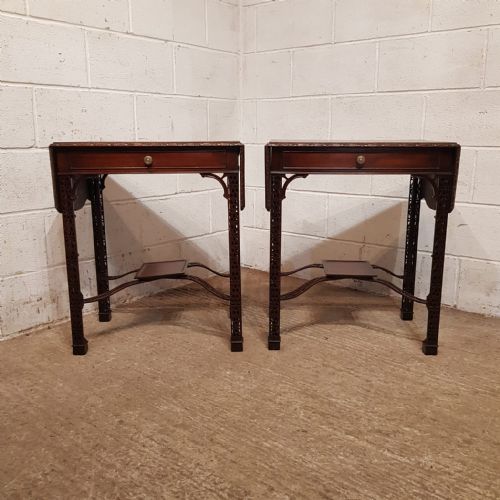
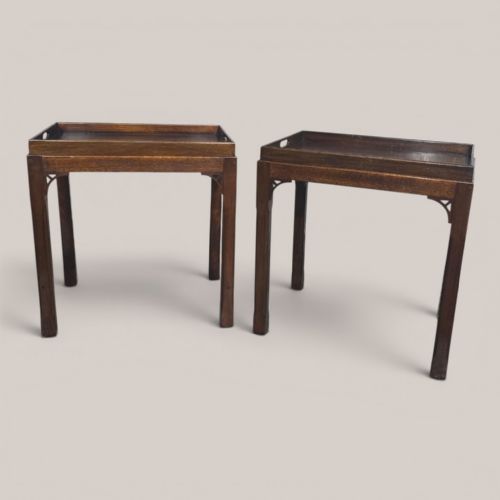
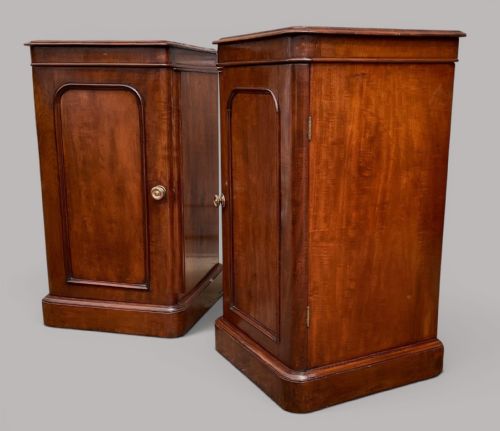
When searching for an antique bed tables pair, buyers encounter compact bedside storage and small lamp surfaces spanning the Georgian, Victorian, Edwardian and early twentieth century eras. The examples meeting this description include cupboards, chests of drawers, tray top commodes and drop leaf side tables.
The recorded pieces range from classical architectural forms and Gothic designs to French style cabinets and campaign pieces. These items served specific functions in bedrooms, holding chamber pots, lighting and personal items within arm's reach of the bedstead.
Materials and Construction
Cabinetmakers utilised solid timbers and veneers such as mahogany, walnut, satinwood, oak and cherry, occasionally incorporating marble tops or brass fittings. Many pieces display detailed joinery including drawers, cupboards, tambour fronts and drop leaves.
Decorative techniques recorded in the evidence include marquetry, parquetry, inlay, carving and painted finishes, ranging from waxed natural wood to elaborate French styles.
Antique Bed Tables Pair Retail Price Guide 2026
Typical asking prices for bed tables pair among the pieces listed under this phrase on Sellingantiques today, from the lower quarter to the upper quarter. They describe what is for sale here now, not the wider market.
The documented listings feature mahogany, walnut, marble, oak and brass across Georgian, Victorian and Edwardian periods.
Design and Execution
The distinction between standard and superior pieces rests on the choice of timber figure, such as figured mahogany or burr walnut, and the precision of the cabinet work. Finer examples show careful matching across both items in a pair, disciplined proportions and refined decorative details like carving or inlay.
Later revival pieces and simpler utility versions rely on straightforward construction, whereas items attributed to established makers or specific periods display higher ambition in their architectural form and hardware.
Waring & Gillows·Holland & Sons·Heals
The Antique Bed Tables Pair Glossary
- Bedside cabinet
- A small enclosed cupboard designed to stand beside a bed for concealed storage. These often feature a panelled door enclosing a shelf.
- Tray top
- A tabletop finished with a raised rim or gallery around the edges. This design prevents items from rolling off the surface.
- Tambour front
- A flexible shutter door constructed from narrow vertical strips of wood glued to a canvas backing. It slides in tracks to conceal interior compartments.
- Marquetry
- Decorative woodwork where pieces of veneer are fitted together to form pictorial or geometric patterns. It appears frequently on French and twentieth century tables.
- Campaign furniture
- Portable pieces designed to dismantle or fold for military travel. These examples typically feature recessed brass handles and reinforced corners.
Antique Bed Tables Pair: Frequently Asked Questions
What is an antique bed tables pair?
An antique bed tables pair consists of two matching or harmonised small tables designed to sit on either side of a bed. They provide surface space for lamps and nighttime items along with enclosed storage.
These pieces reflect the design standards of their respective periods, from Georgian mahogany cabinets to twentieth century walnut and marble topped nightstands.
How were these tables used historically?
Bedside tables functioned as essential bedroom furniture for holding chamber pots, wash basins, candlesticks and personal belongings. Enclosed cupboards kept chamber utensils hidden out of sight.
Over time, as household plumbing and electric lighting evolved, their primary role shifted to supporting lamps, books and clocks.
How do I tell different periods apart?
Period identification relies on timber selection, structural proportions and decorative vocabulary. Georgian and George III pieces favour solid mahogany with clean architectural lines, while Victorian examples often introduce heavier proportions or Gothic details.
Edwardian and later twentieth century pieces frequently incorporate lighter satinwood inlay, French styles, or contrasting marble tops.
Can I mix different styles in a bedroom?
Pairing matching bedside tables creates symmetry, but collectors often mix styles to add character to a room. Placing a pair of antique cabinets against a modern or neutral backdrop highlights their timber grain and craftsmanship.
Ensuring similar scale and height helps maintain visual balance beside the bed.