



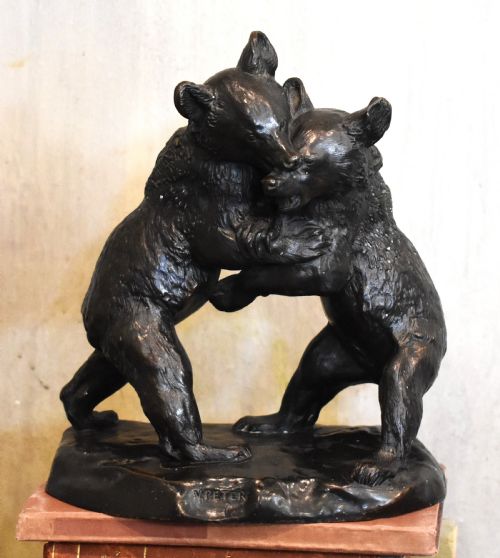


Antique Bear Statue
These antique bear statue examples bring character and finely worked detail to any room, offering carved wood and bronze forms.
Antique Bear Statue
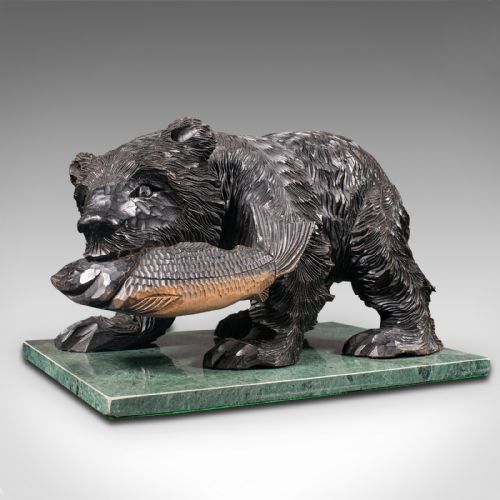
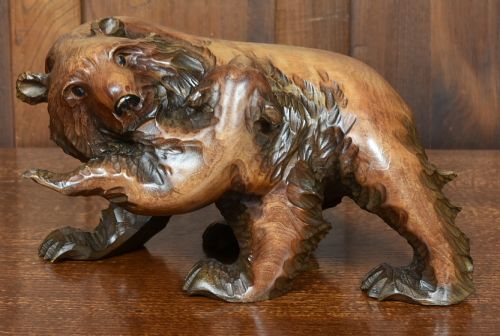
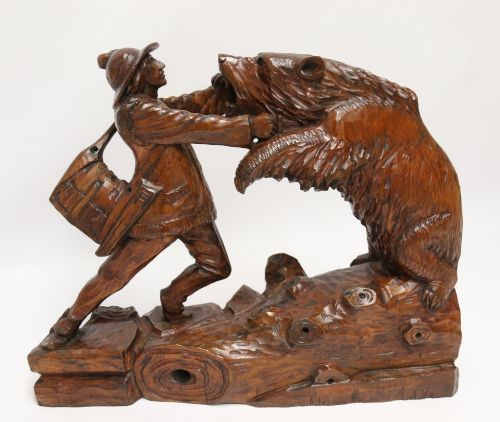
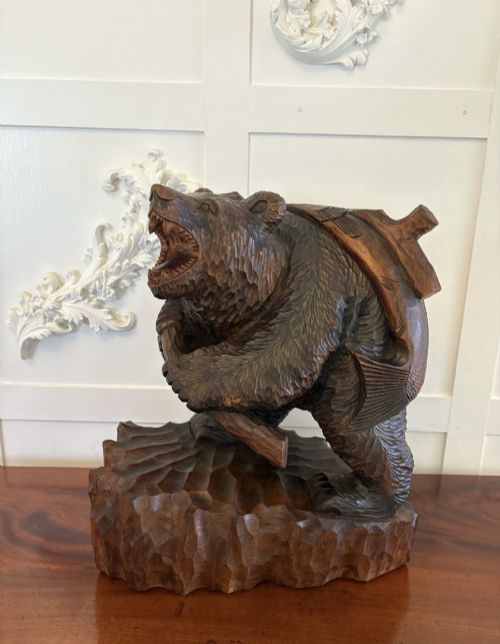
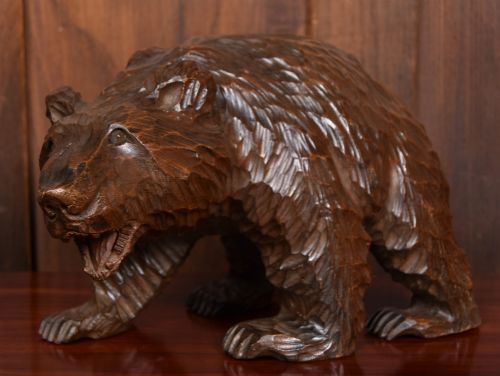
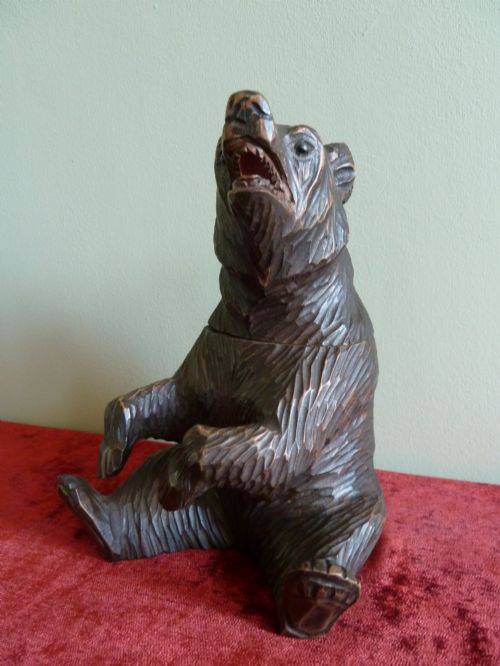
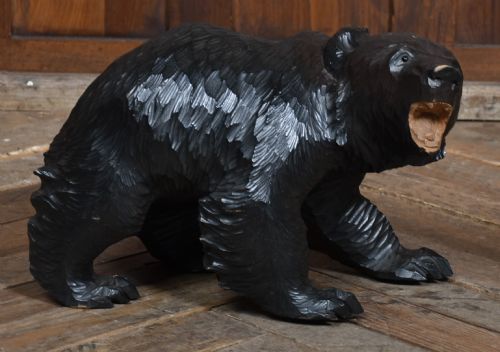
When you search for an antique bear statue, you encounter a fascinating range of European and Japanese works spanning the Georgian, Victorian, and Edwardian eras. The selection frequently includes Black Forest carvings in linden wood and walnut alongside French animalier bronzes and Japanese kibori kuma sculptures.
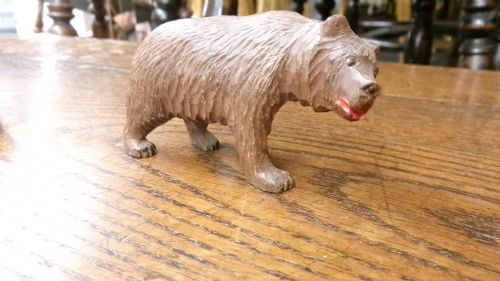
Most pieces take the form of freestanding sculptures, tobacco jars, or functional items such as lamps and figure groups. You will readily find both large statement pieces and miniature figurines among the current selection.
Materials and construction
Carved wood is predominant, with artisans utilising linden wood, walnut, and various hardwoods to shape textured fur and lifelike anatomical details. Many of these wooden pieces originate from the Black Forest region or follow Swiss folk art traditions, often enhanced with stain and wax finishes.
Bronze forms are cast using traditional methods, as seen in French animalier works and Japanese okimono pieces. Some gilt bronze and glass elements also appear, reflecting the diverse craftsmanship of the nineteenth and early twentieth centuries.
Antique Bear Statue Retail Price Guide 2026
Typical asking prices for bear statue among the pieces listed under this phrase on Sellingantiques today, from the lower quarter to the upper quarter. They describe what is for sale here now, not the wider market.
Listings feature carved wood, linden wood, walnut, and bronze materials across the nineteenth century and Edwardian periods.
Assessing quality and execution
The distinction also lies in the complexity of the composition, whether a single bear carrying a fish or an intricate group of fighting cubs. Provenance and attribution to known makers elevate certain pieces above standard workshop production.
Kaniya Kuniharu·Victor Peter·Christophe Fratin
The Antique Bear Statue Glossary
- Animalier
- A nineteenth-century artistic movement focused on the realistic depiction of animals. Sculptors in this tradition concentrated heavily on anatomical accuracy and dynamic poses.
- Black Forest
- A geographic style of wood carving originating from the mountain region of Central Europe. Pieces from this tradition typically feature bears and forest flora rendered in linden wood or walnut.
- Kibori Kuma
- A traditional style of Japanese wood-carved bear originating from Hokkaido. These sculptures often depict bears holding fish in their mouths.
- Okimono
- A Japanese decorative figurine designed for display on a shelf or in a tokonoma alcove. These objects are cast in bronze or carved from wood with meticulous attention to detail.
- Linden wood
- A pale, fine-grained timber favoured by carvers for its softness and lack of prominent grain. It allows for intricate, smooth detailing in figurative sculptures.
Antique Bear Statue: Frequently Asked Questions
What periods do these bear statues come from?
The pieces span from the Georgian era through the Victorian period up to the early twentieth century. You will find works dated across the nineteenth century and around nineteen hundred.
Craftsmen produced these items across various European and Japanese workshops during these decades. Each period brought distinct regional characteristics to the carving and casting styles.
How do I distinguish Black Forest pieces?
Black Forest carvings are typically rendered in linden wood or walnut, depicting naturalistic bears often integrated into functional objects. They reflect Swiss and Central European folk art traditions.
These pieces frequently display rich wax or stain finishes that highlight the textured fur and muscular forms. Many examples feature bears holding objects like fish or serving as tobacco holders and lamps.
What is Japanese kibori kuma?
Kibori kuma refers to the traditional wood-carved bears originating from the Hokkaido region of Japan. These sculptures showcase distinct hand-carved textures representing thick fur.
Many of these Japanese pieces depict bears carrying salmon or fish. They represent a significant regional folk art tradition that reached international collectors during the Meiji period.
How were bronze bear statues made?
Bronze statues were produced using traditional casting methods by skilled animalier sculptors. These techniques allowed artists to capture fine anatomical details and dynamic poses.
French founders and artists often utilised patinated or gilt bronze for these sculptures. The results range from single figures to complex groupings of fighting bear cubs.
Where should I display a bear statue?
These statues suit various interior settings, from traditional studies to contemporary living spaces. Larger floor lamps and heavy bronze figures make strong focal points in a room.
Smaller carved wooden figurines and miniature groups fit well on bookshelves, desks, or mantelpieces. Their varied forms allow them to function both as decorative art and practical items.