




Antique Bathroom Rail
An antique bathroom rail is a practical timber or metal fitting designed for drying and holding towels, combining period utility with domestic craftsmanship.
Antique Bathroom Rail
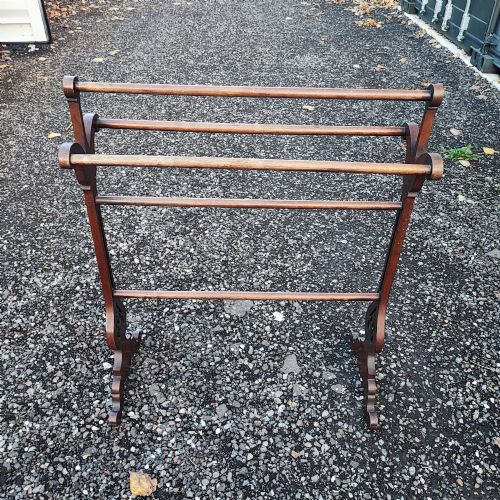
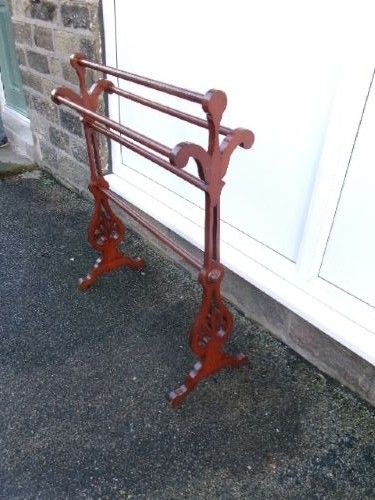
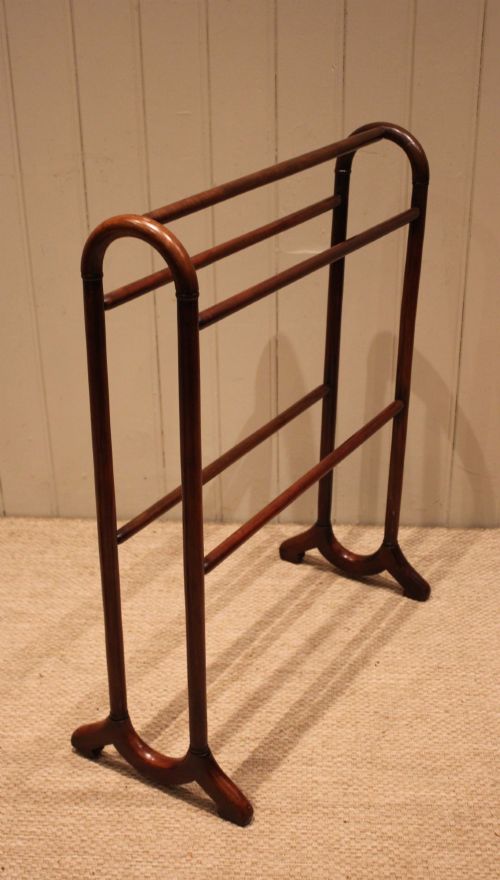
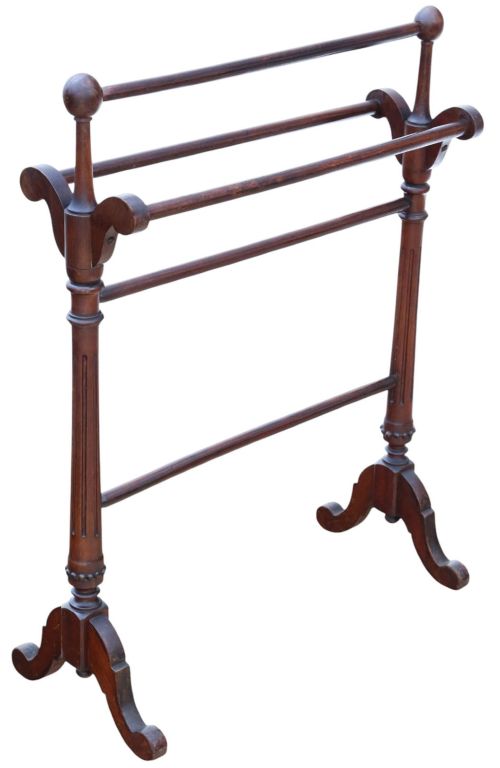
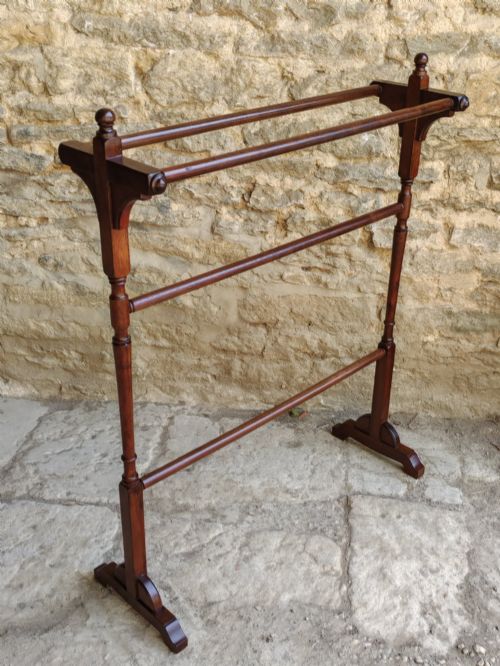
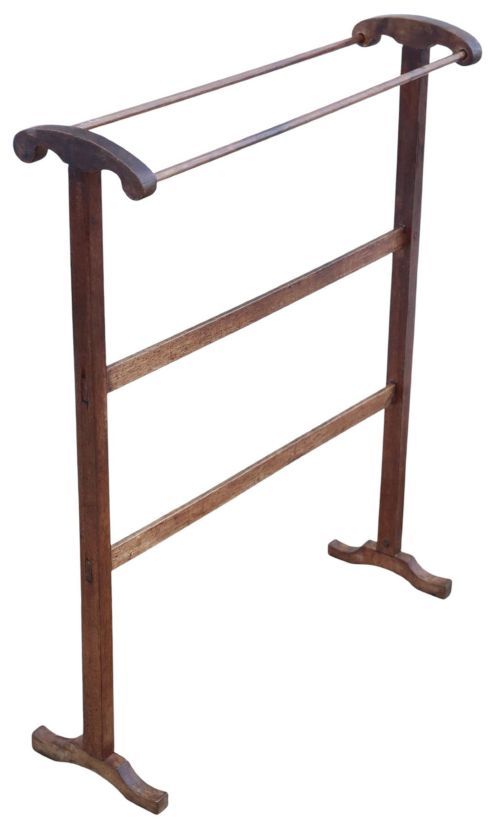
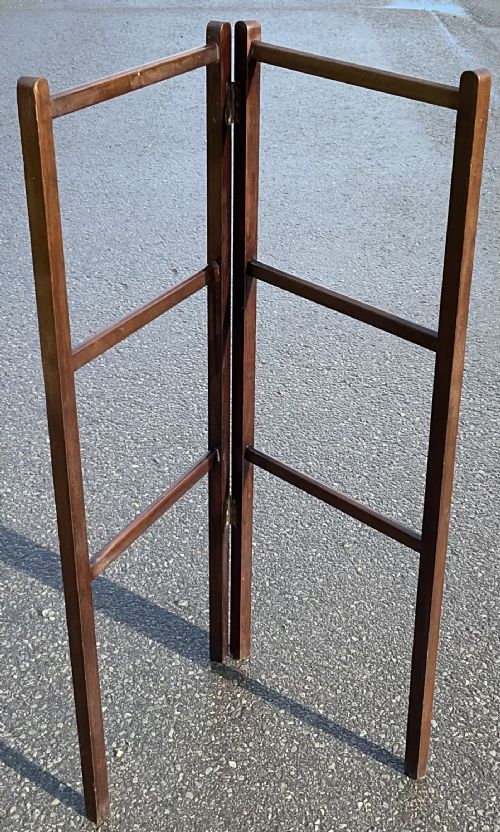
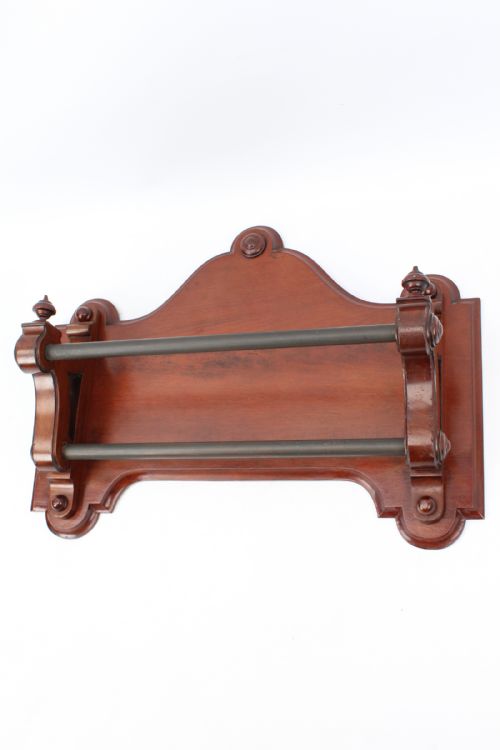
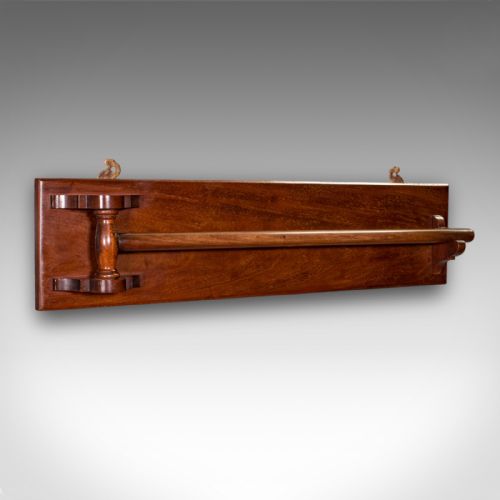
When you search for an antique bathroom rail, you encounter a selection of standing towel rail stands, hanging double towel rails, and folding airers spanning the nineteenth and early twentieth centuries. These pieces reflect the domestic sanitary arrangements of Victorian, Edwardian, and Arts and Crafts households, where freestanding wooden or fixed metal rails served daily drying needs.
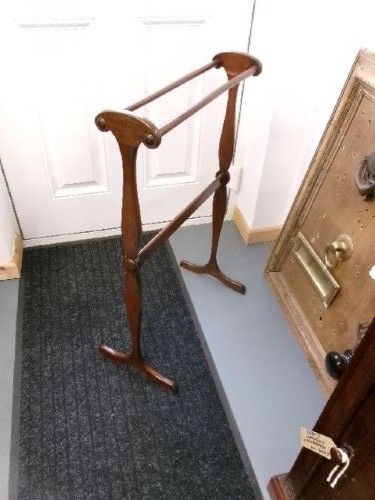
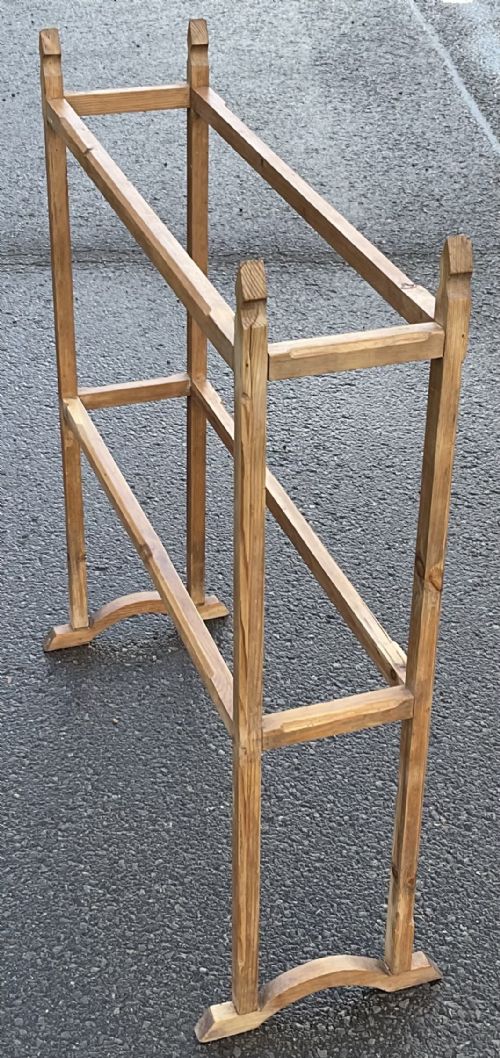
The most common version met on this page is the standing mahogany towel rail stand, frequently dated from the Victorian and Edwardian eras. Alongside these timber frames, variants include pine, oak, walnut, and ebonised stands, as well as glass and chrome wall-mounted rails from the 1920s.
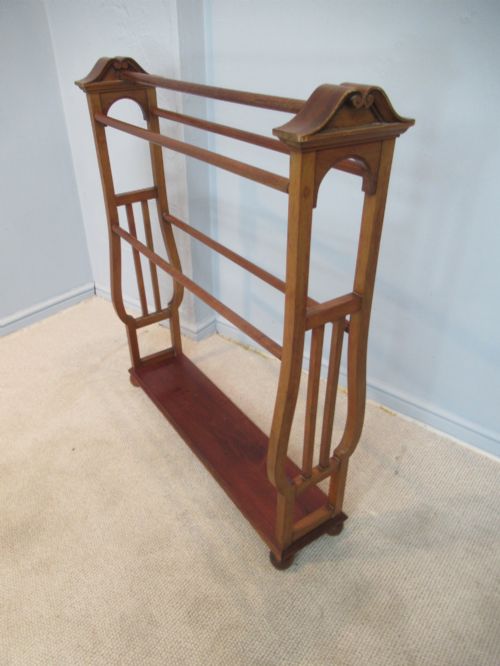
Specialised forms also appear, including ship's maritime drying racks, faux bamboo clothes horses, and multi-bar stands featuring satinwood inlay or Gothic Revival detailing. Each object demonstrates how period makers adapted simple utilitarian forms to suit varying domestic interiors and spatial requirements.
How they were made
Construction relies heavily on timbers such as mahogany, pine, oak, and walnut, often shaped into sturdy standing frames, folding multi-fold sections, or wall-mounted brackets. Cabinetmakers utilised traditional joinery to build durable towel rail stands that could withstand the damp environments of washrooms and dressing rooms.
Later pieces introduce industrial elements, pairing glass rods with chrome mountings to reflect early twentieth-century sanitary preferences. Surface treatments range from black ebonisation and fine satinwood inlay to polished natural wood grains and decorated pine finishes.
Antique Bathroom Rail Retail Price Guide 2026
Typical asking prices for bathroom rail among the pieces listed under this phrase on Sellingantiques today, from the lower quarter to the upper quarter. They describe what is for sale here now, not the wider market.
Design styles represented across the inventory include Victorian Gothic Revival, Arts and Crafts, Art Deco, and Regency.
What varies in quality
The distinction between standard utility items and finer examples rests upon the selection of timber and the sophistication of decorative detail. Pieces incorporating figured mahogany, careful satinwood inlay, or substantial oak framing reflect greater workshop investment than plain pine or utilitarian softwood stands.
Structural integrity and hardware choices also separate the range, from simple pegged wooden rails to complex multi-fold frames, ebonised surfaces, and specialist maritime or Art Nouveau designs.
The Antique Bathroom Rail Glossary
- Towel Rail Stand
- A freestanding wooden frame featuring horizontal bars designed for holding and drying towels. These stands typically sit on the floor and can be moved between bedrooms, dressing rooms, and wash spaces.
- Folding Towel Rail
- A multi-section timber frame hinged to allow the panels to fold flat or angle outwards. This design provided flexible hanging space for larger households.
- Glass Towel Rail
- A wall-mounted fixture utilising a thick glass rod supported by metal mountings, characteristic of 1920s bathroom fittings. The smooth glass surface offered a hygienic, easy-to-clean alternative to traditional wood.
- Ebonised
- Wood treated with a chemical stain or finish to imitate expensive ebony. This dark, formal surface treatment appears on select nineteenth-century standing furniture.
Antique Bathroom Rail: Frequently Asked Questions
Where were these rails used?
These rails functioned primarily in domestic bedrooms, dressing rooms, and early domestic bathrooms before modern central heating and fitted plumbing became standard.
Households used them to air, warm, and dry towels and garments near fires or within personal washing quarters.
How do I date an antique rail?
Dating relies on identifying the prevailing timber, construction methods, and stylistic motifs associated with specific nineteenth and twentieth-century periods.
Victorian and Edwardian pieces often display characteristic wood choices like mahogany and oak, while 1920s examples introduce modern industrial materials such as glass and chrome.
Are standing rails stable?
Most standing rails use wide bases or sturdy multi-bar frames to remain upright while loaded with damp textiles.
Heavier hardwood models in mahogany or oak offer greater natural stability compared to lighter pine or folding variants.
Can I use an antique rail in a modern bathroom?
Many buyers place freestanding wooden stands and wall-mounted glass rails directly into contemporary bathrooms for functional towel storage.
Care should be taken with untreated or polished timbers exposed to excessive steam and moisture over prolonged periods.