

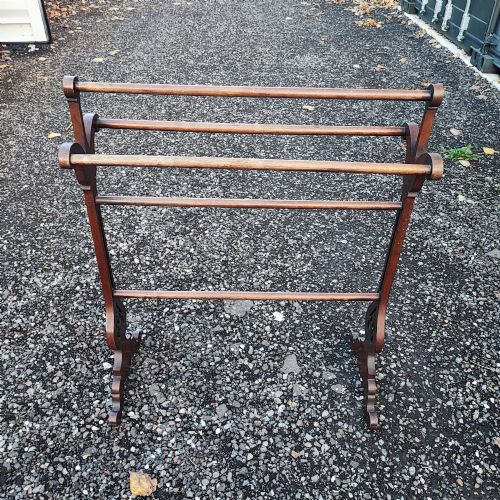
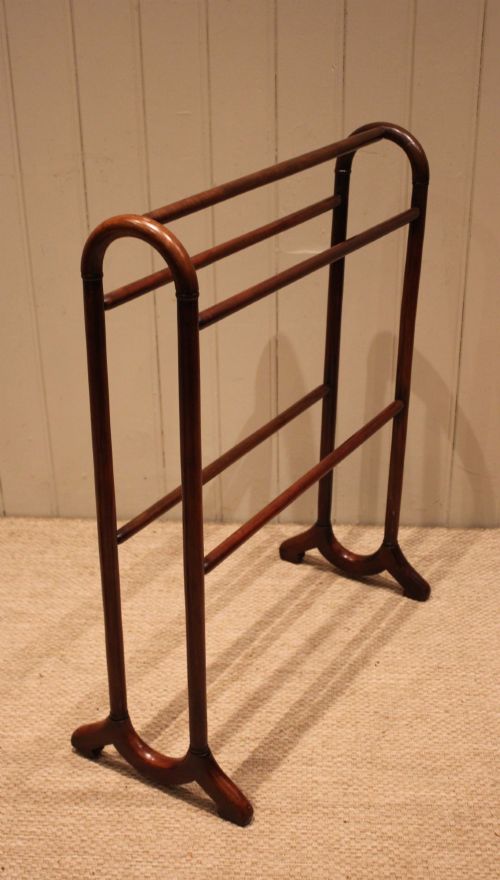
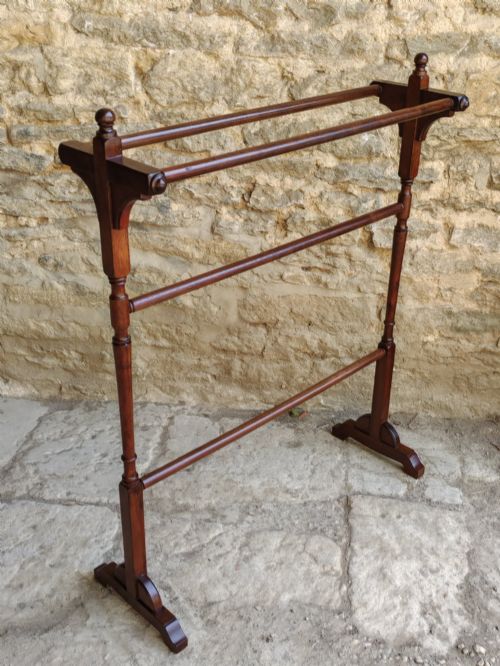
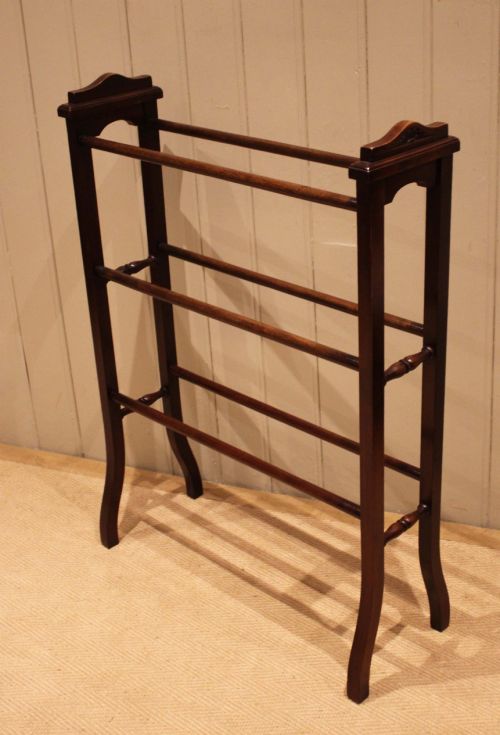


Dark Wood Clothes Horse
A dark wood clothes horse offers a practical solution for airing garments, bringing rich timber tones and functional design into any interior.
Dark Wood Clothes Horse
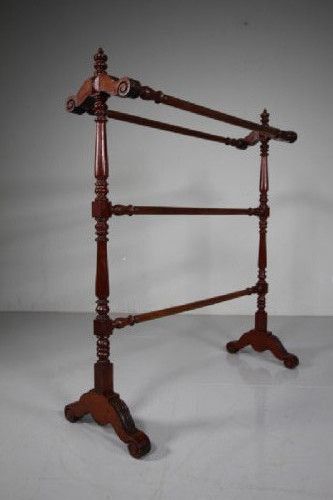
When searching for a dark wood clothes horse, a buyer encounters pieces primarily catalogued as towel rails and towel rail stands, alongside larger clothes racks. These items span periods from the nineteenth century through the Edwardian era, featuring styles such as Victorian Gothic Revival, William IV, and Regency.
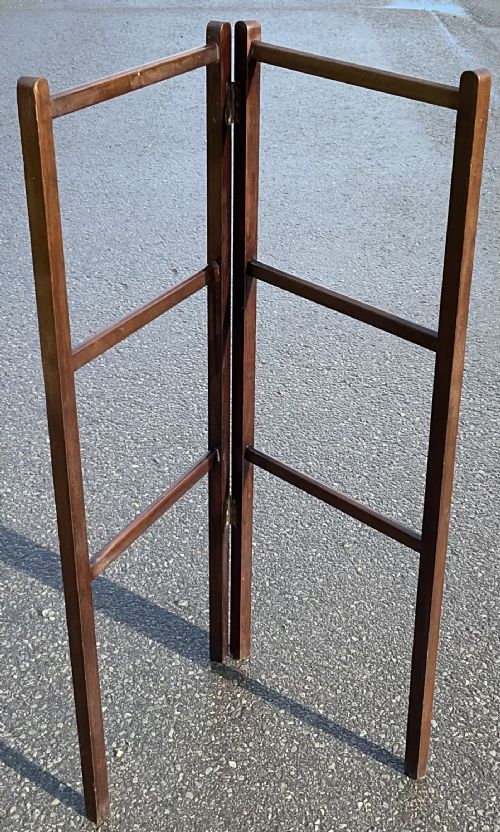
The version most commonly met on this page is the Edwardian or nineteenth century mahogany towel rail, often designed for folding use. Examples also include elm, walnut, satinwood inlay, and lacquered wood structures, reaching from standard domestic scales to impressive oversized formats.
Origins represented in the evidence include English cabinetmaking alongside nineteenth century Chinese craftsmanship, demonstrating the broad geographical scope of these utility items. Each piece serves the dual purpose of domestic utility and period decorative interest.
How they were made
Construction relies heavily on dense timbers such as mahogany, walnut, and elm, selected for their structural rigidity and capacity to bear the weight of damp textiles or garments. Cabinetmakers utilised these hard woods to build folding frames and standing rails that withstand daily handling.
Decorative enhancements involve satinwood inlay and brass fittings, adding refined detail to functional frames. Lacquered wood finishes also appear, particularly on large nineteenth century robe stands.
Joinery techniques ensure stability across multi-panel folding designs, allowing the framework to expand and contract smoothly without losing structural integrity.
Dark Wood Clothes Horse Retail Price Guide 2026
Typical asking prices for dark wood clothes horse among the pieces listed under this phrase on Sellingantiques today, from the lower quarter to the upper quarter. They describe what is for sale here now, not the wider market.
Recorded forms range from compact folding towel rails to large Chinese lacquered robe stands of impressive scale.
What varies in quality
The distinction between standard utility items and finer examples rests on the choice of timber and the sophistication of the joinery. Pieces featuring figured mahogany, intricate satinwood inlay, or substantial brass hardware demonstrate a higher tier of workmanship.
Scale and proportion also define the grading of these items, as oversized or exceptionally large rails demand greater structural engineering to maintain balance and strength across their folding wings.
The Dark Wood Clothes Horse Glossary
- Clothes horse
- A freestanding frame used for drying or airing laundry and garments. These objects fold flat for storage when not in use.
- Towel rail
- A domestic stand comprising horizontal bars supported by vertical uprights or feet. They function identically to clothes horses and frequently share the same form.
- Satinwood inlay
- A decorative technique where contrasting light-coloured satinwood is inserted into recesses cut into a darker primary timber. This creates geometric or floral patterns.
- Gothic Revival
- An architectural and decorative style popular during the nineteenth century. It draws inspiration from medieval design motifs, featuring pointed arches and heavy timber mouldings.
- William IV
- A British design period spanning the 1830s characterised by robust classical proportions and dark, heavily grained woods.
Dark Wood Clothes Horse: Frequently Asked Questions
What is a dark wood clothes horse used for?
These pieces function primarily as domestic airers for towels, laundry, and garments within bedrooms, bathrooms, or utility spaces. Their folding frames allow them to expand for maximum hanging capacity and collapse for compact storage.
Historically, they also served to warm clothing before the hearth in grand residences. Today, collectors utilise them both for practical airing and as decorative partition elements.
How do I date a mahogany towel rail?
Dating relies on examining the timber grain, construction methods, and stylistic markers associated with specific eras such as the Regency, Victorian, or Edwardian periods. Earlier nineteenth-century examples often feature solid, heavy mahogany with hand-cut joinery.
Later Edwardian versions tend to display lighter framing and standard machine-turned components. Comparing the hardware, such as brass screws or hinges, also helps establish the timeframe of manufacture.
Are these pieces stable when folded?
Stability depends on the integrity of the original hinges and the rigidity of the upright timber frames. Well-made nineteenth-century rails utilise sturdy wooden or brass linkages that lock or rest securely in position.
Larger oversized examples are engineered with heavier bases to prevent tipping when draped with heavy textiles. Regular checking of the joints ensures the wings remain balanced during use.
How do I care for lacquered wood stands?
Lacquered surfaces require gentle dusting with a soft, dry cloth to protect the finish from abrasive particles. Avoid placing them in areas of high humidity or direct sunlight, which can compromise the lacquer over time.
Moisture from damp garments should be managed carefully to prevent prolonged water contact with the wood. Applying appropriate wax or polish helps maintain the lustre of the timber frame.