

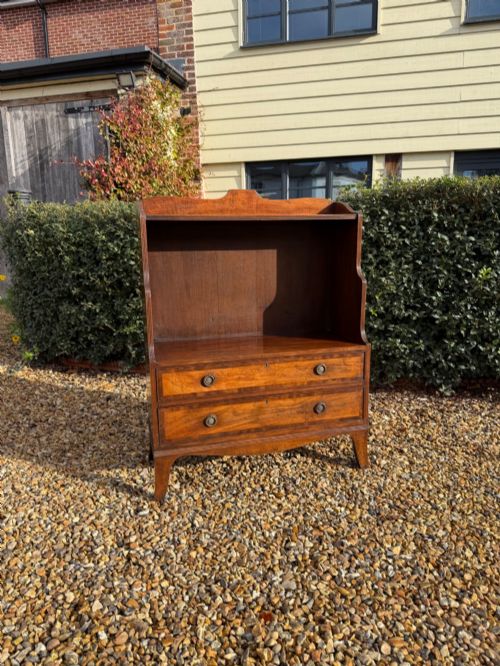
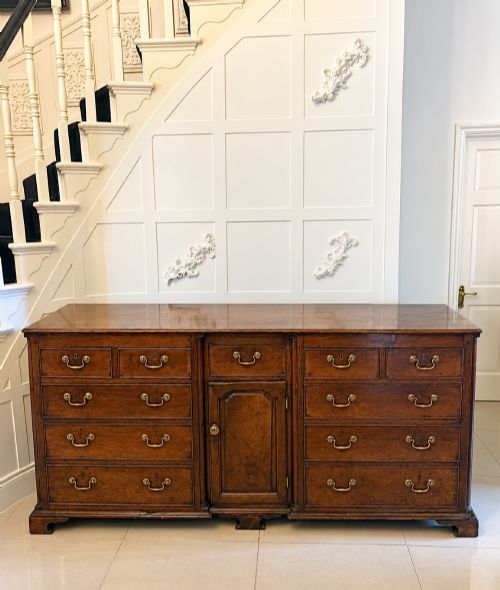
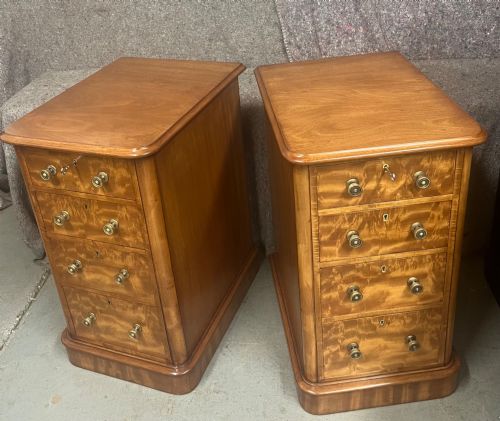
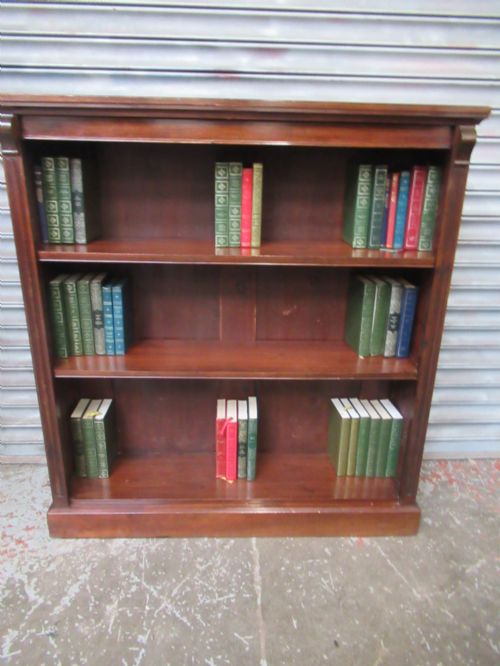
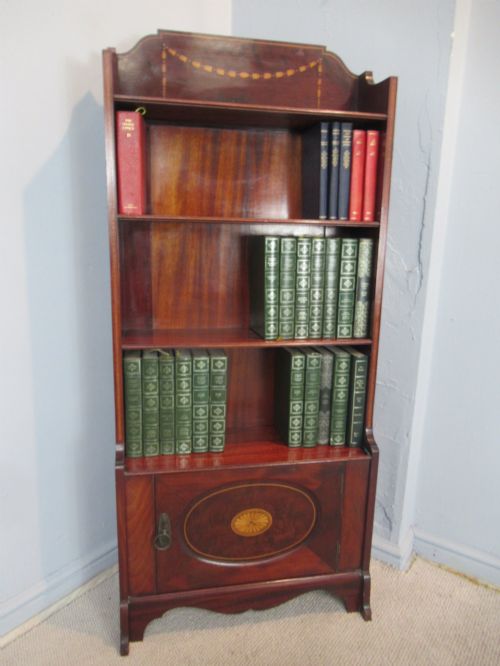
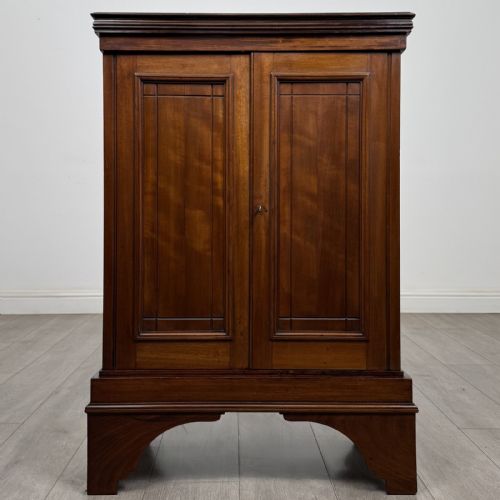
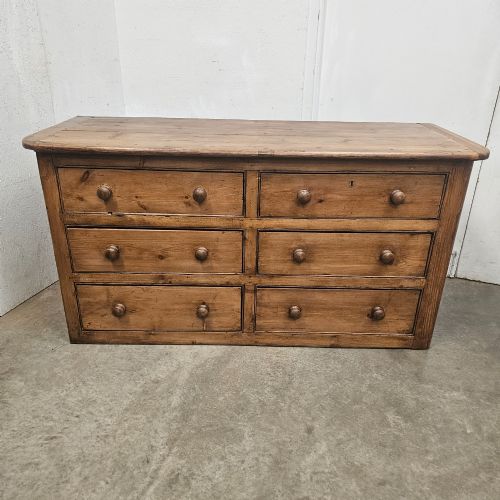
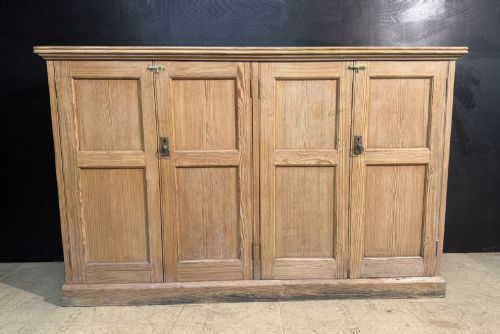
Antique Base Unit
An antique base unit grounds a room, providing sturdy storage through centuries of craftsmanship in mahogany, pine, and oak.
Antique Base Unit
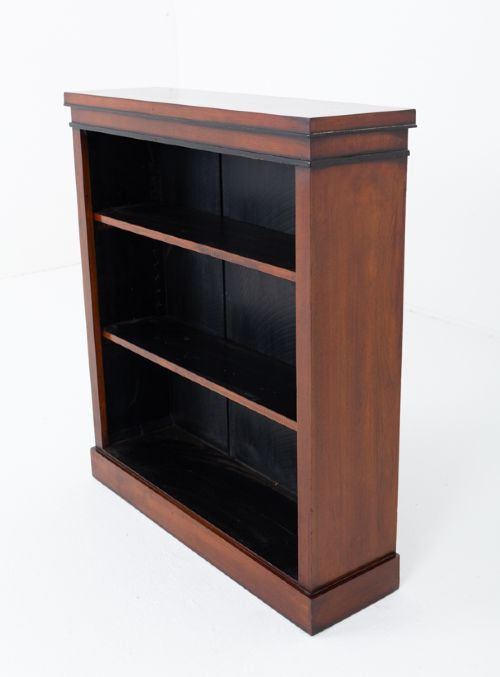
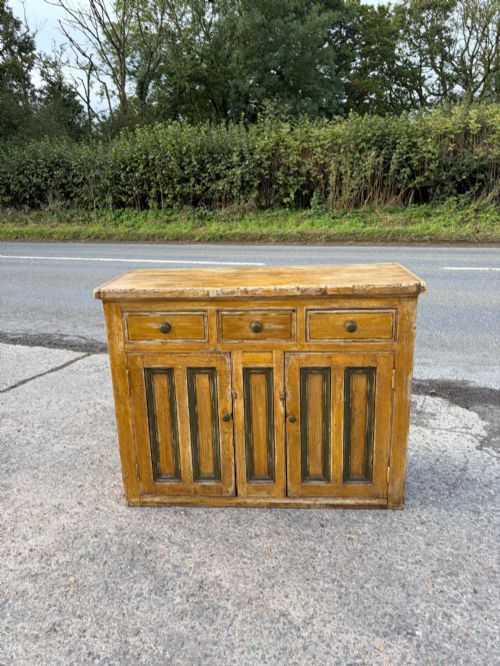
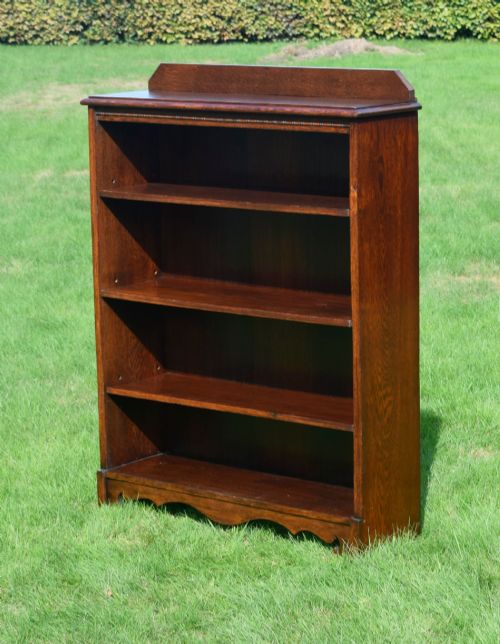
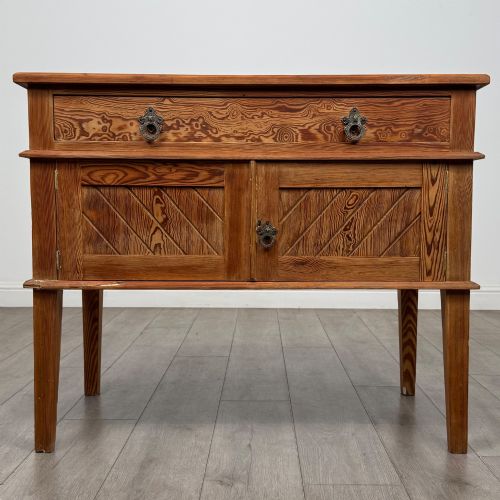
When you search for an antique base unit, you find substantial furniture built to anchor a domestic interior. These pieces function as the lower section of larger cabinetry or stand alone to provide surface space and enclosed storage.
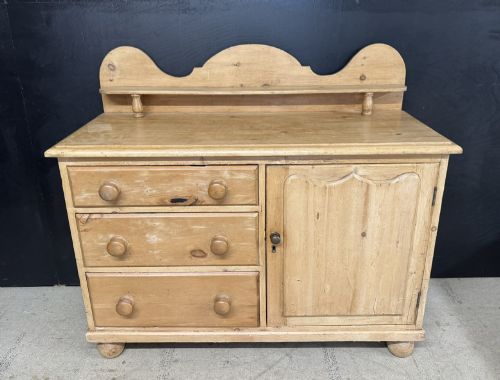
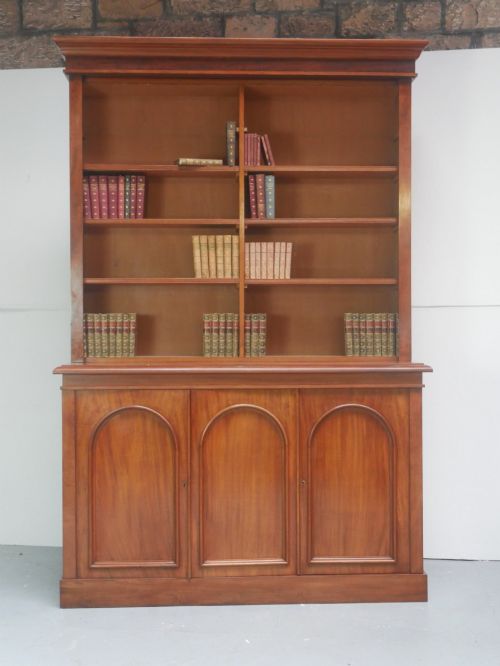
The selection here includes sturdy dressers, low cupboards, and chests of drawers spanning several distinct eras. Pieces range from country pine furniture to formal mahogany cabinets designed for libraries and parlours.
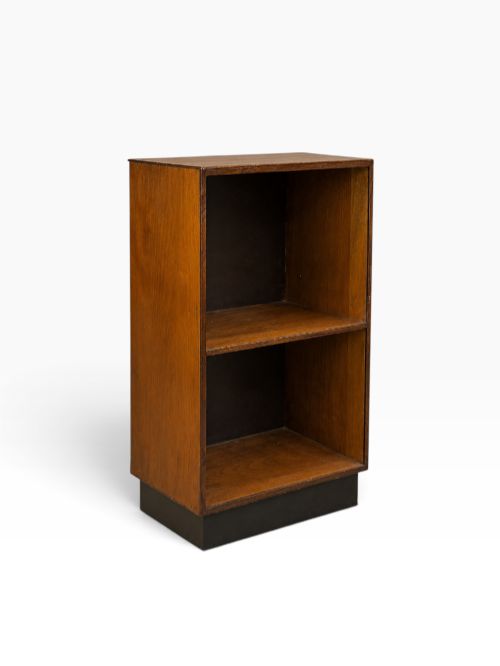
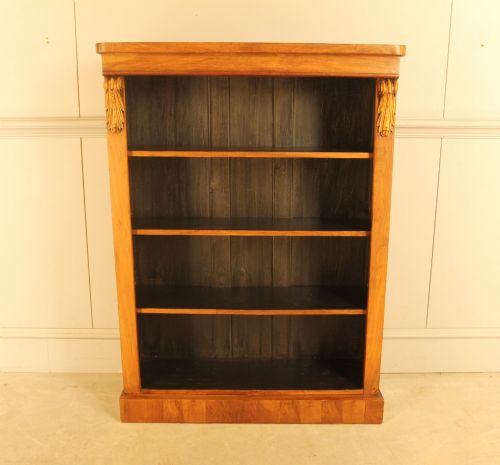
Victorian and nineteenth-century examples dominate the offerings, alongside earlier eighteenth-century items and early twentieth-century interpretations. Oak, mahogany, and pine form the primary structural timbers across these varied domestic forms.
Distinctions in quality
The grade of timber and the precision of the construction separate everyday utility pieces from finer items. Superior examples feature carefully matched veneers, substantial thickness in solid boards, and harmonious proportions.
Original hardware and untouched surface patination elevate a piece beyond standard utilitarian storage. Finer workshops invested greater labour in decorative carving, moulded plinths, and well-fitted interior drawers.
Antique Base Unit Retail Price Guide 2026
Typical asking prices for base unit among the pieces listed under this phrase on Sellingantiques today, from the lower quarter to the upper quarter. They describe what is for sale here now, not the wider market.
An unexpected Van Der Graff generator hides among the traditional wooden dressers and bookcases.
The Antique Base Unit Glossary
- Plinth base
- A heavy solid platform supporting the lower section of a cabinet or bookcase. This architectural feature elevates the timber above floor level.
- Dresser base
- The lower enclosed portion of a kitchen or dining room dresser, featuring cupboards and drawers beneath a flat top surface.
- Flame mahogany veneer
- Thin slices of mahogany cut to reveal a distinctive flamed grain pattern, applied over a secondary timber base.
- Breakfront
- A cabinet front where the central section projects forward from the flanking wings, creating visual depth.
- Whatnot
- An open set of freestanding shelves designed for displaying small objects, popular during the nineteenth century.
Antique Base Unit: Frequently Asked Questions
What is an antique base unit?
An antique base unit refers to sturdy lower furniture forms like dresser bases, low cupboards, and chests of drawers.
These pieces offer substantial surface space and enclosed storage, originating from periods spanning the eighteenth to the twentieth centuries.
How do I date a wooden base unit?
Dating relies on examining the timber species, construction methods, and hardware style present on the piece.
Victorian items often display mahogany or pine with brass handles, while earlier eighteenth-century examples favour heavy country oak.
Where should I place a dresser base?
A dresser base suits dining rooms, kitchens, or hallways where sturdy surface space and drawer storage are useful.
Their substantial depth requires adequate floor clearance to allow doors and drawers to open fully.
Are pine base units durable?
Pine base units offer robust daily utility, having served generations in domestic kitchens and sculleries.
Softwood construction accepts wax or paint finishes well, making them adaptable for modern interior schemes.