


Antique Barometer Gauge
An antique barometer gauge measures atmospheric pressure and brings practical meteorological history directly into your home.
Antique Barometer Gauge
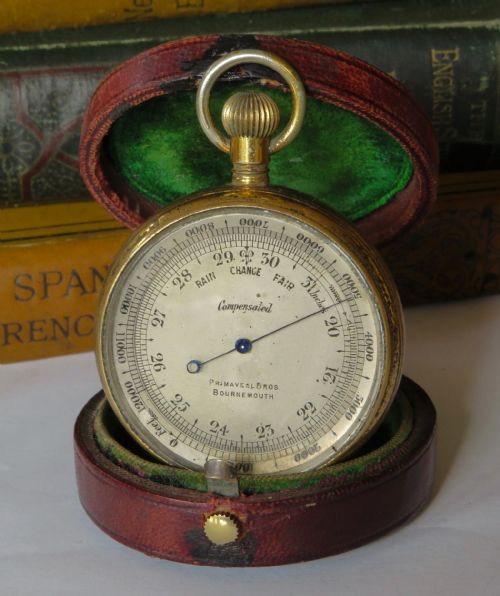
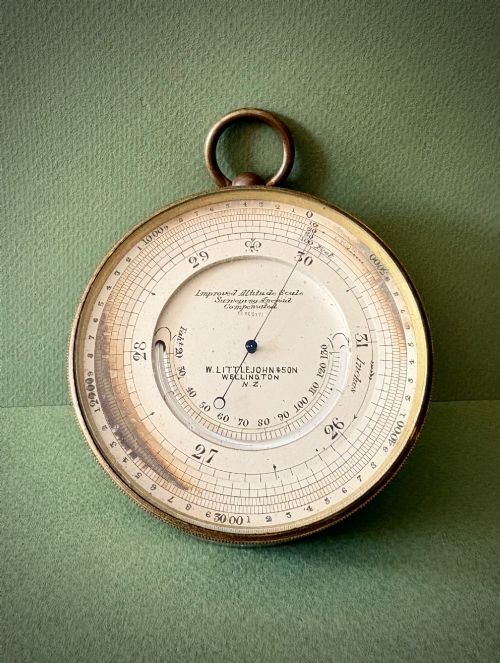
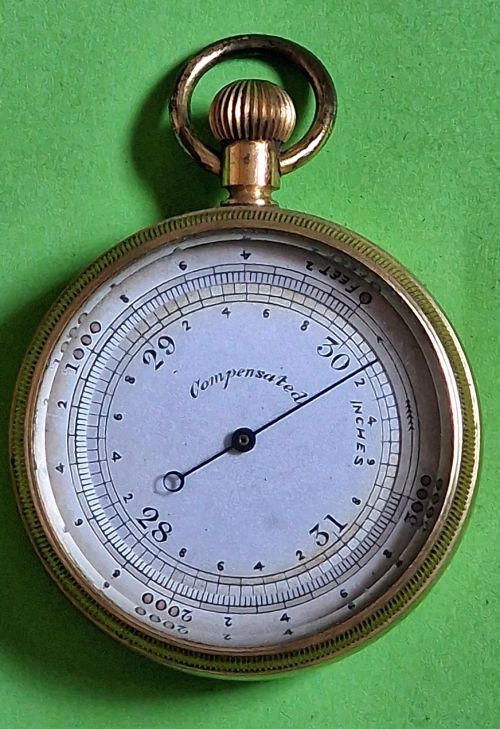
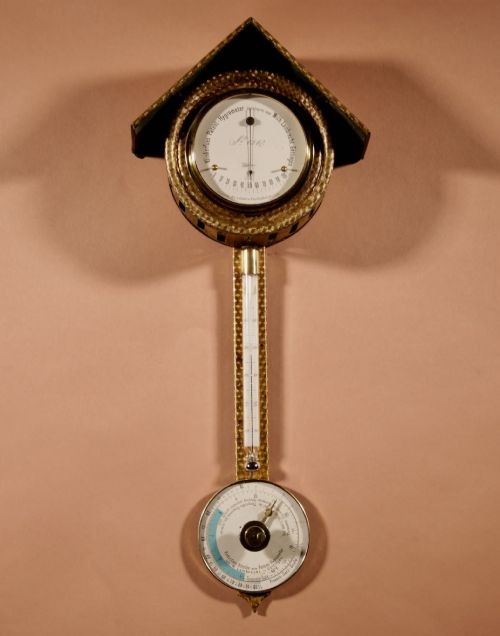
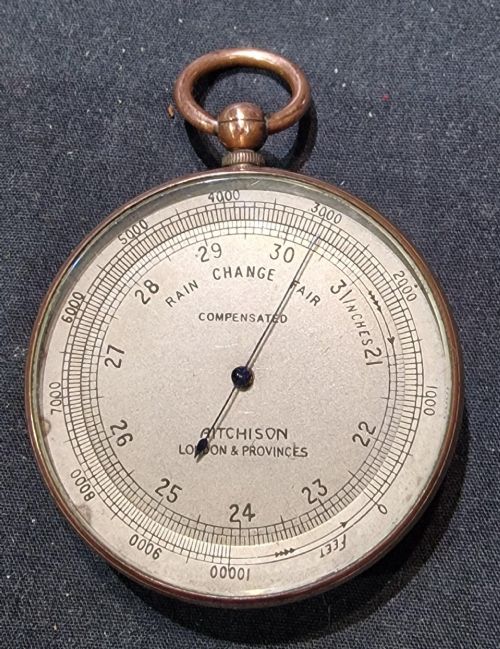
When you search for an antique barometer gauge, you encounter a variety of meteorological instruments designed to track atmospheric pressure and weather changes. These pieces range from pocket-sized aneroid devices used for altitude and travel to substantial wall-hanging banjo barometers, ships barometers, and recording barographs housed in timber cases. The selections span the Victorian, Edwardian, and 1930s periods, incorporating styles from plain oak and mahogany to ornate Black Forest carvings and Chinoiserie finishes.
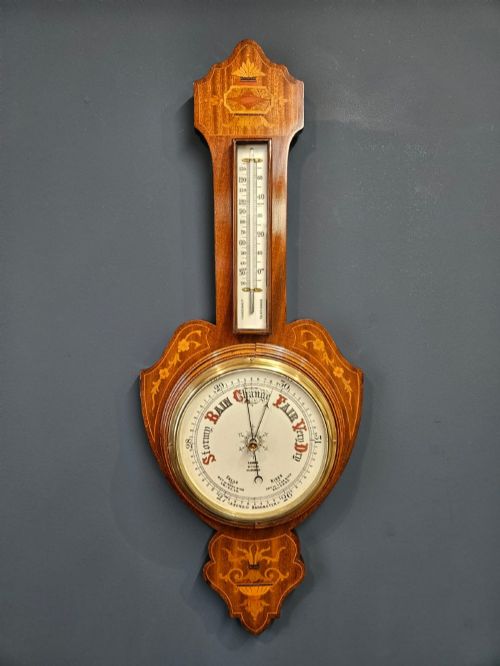
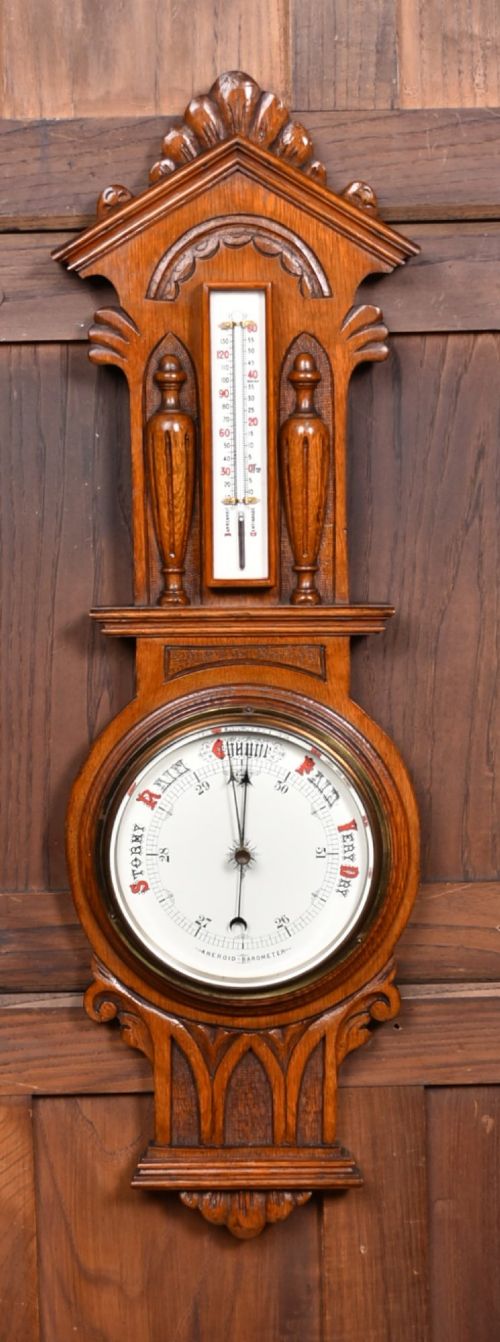
The domestic wall barometers are the versions most frequently met on this page, often combining the main dial with a thermometer or hygrometer in a single housing. Pocket barometers and altimeters also appear frequently, alongside specialised scientific apparatus such as Fortin stick barometers and recording rain gauges. These instruments originated from British makers and European workshops, reflecting both scientific utility and interior decorative tastes of the nineteenth and early twentieth centuries.
Materials and construction
Cases rely on traditional cabinet timbers such as mahogany, oak, walnut, rosewood, and beechwood, often shaped into banjo profiles, circular wall frames, or glazed table cabinets. Inlaid details, carved foliage, ebonised finishes, and hand-painted Chinoiserie motifs decorate the timber housings, depending on the period and style.
Internal mechanisms utilise brass, steel, and glass components paired with silvered metal dials to record pressure changes accurately. Pocket versions integrate delicate aneroid capsules within metal cases, while larger stick barometers and barographs employ mercury columns or mechanical drum recorders alongside brass scales.
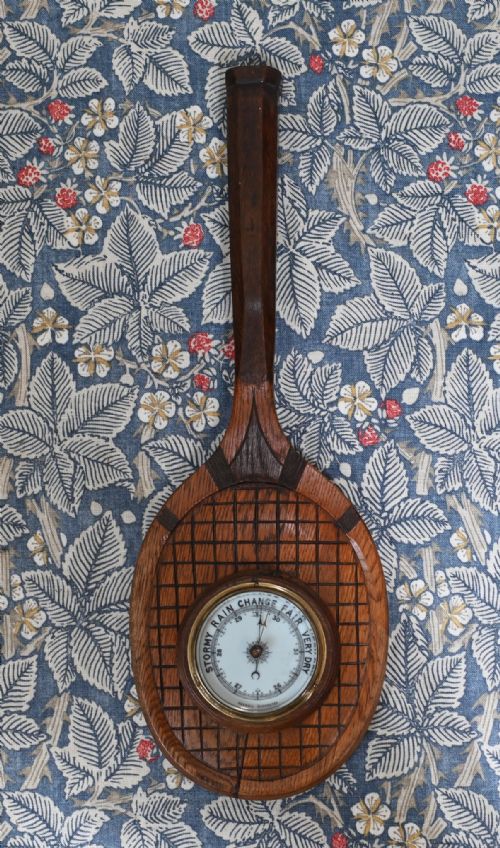
Keep an eye out for the barometer housed inside an actual tennis racquet frame from the 1930s.
Assessing quality and execution
The calibre of an antique barometer gauge depends heavily on the precision of its maker and the refinement of its casing. Superior examples demonstrate crisp engraving on silvered dials, high-grade optical glass, and robust internal linkages that respond accurately to barometric fluctuations. Lesser pieces show simpler mechanics and basic timber joinery with minimal decorative work.
Cabinetry execution separates standard production items from exceptional workshop output. Finely carved Black Forest woodwork, intricate rosewood or mahogany inlay, and well-proportioned architectural cases indicate high-tier manufacture. Original components, legible maker signatures on the dial face, and well-preserved timber finishes elevate the standing of any scientific instrument.
Wilh. Lambrecht·Elliott Brothers·Short & Mason·Alexander Wright·Negretti & Zambra·James H Kelly·Blake & Son·Dollond of London
The Antique Barometer Gauge Glossary
- Aneroid barometer
- An instrument that measures atmospheric pressure by the expansion and contraction of a flexible metal capsule, eliminating the need for liquid mercury. It became the standard mechanism for domestic wall and pocket barometers during the Victorian era.
- Barograph
- A recording meteorological instrument that plots barometric pressure onto a rotating paper chart over a weekly period. These devices are typically housed in glazed mahogany or walnut boxes with brass clockwork mechanisms.
- Banjo barometer
- A wall-mounted weather glass featuring a characteristic shape with a narrow stem rising to a thermometer and a larger circular dial at the base. They were widely produced in mahogany, rosewood, and oak during the nineteenth century.
- Stick barometer
- A tall, vertical barometer that uses a mercury-filled glass tube to measure atmospheric pressure against an exposed scale. These instruments offer high precision and often include vernier scales operated by a thumb screw.
- Hygrometer
- An instrument used to measure the humidity or moisture content of the air. Examples incorporating hair tension mechanisms appear alongside barometers in combined weather stations.
Antique Barometer Gauge: Frequently Asked Questions
How do I read an aneroid barometer?
Read the main pointer against the calibrated dial scale, noting whether the pressure registers rising or falling conditions. Many instruments include a secondary manual needle that you align with the primary pointer to track daytime changes.
Changes in the dial figures indicate upcoming weather shifts, with falling pressure generally pointing towards unsettled conditions or rain. Consulting the descriptive weather words printed on the face helps interpret the local atmospheric trend.
Where should I hang a wall barometer?
Mount your barometer on an interior wall away from direct sunlight, heating vents, and exterior draughts. Stable indoor temperatures ensure the internal metal mechanism registers true barometric pressure rather than thermal expansion.
Secure the instrument firmly to a wall stud or use appropriate wall anchors, especially for heavier timber-cased banjo or ships barometers. Ensure the dial sits level so the internal linkages move freely without friction.
How do I wind a barograph?
Open the glazed timber case to access the brass clockwork drum mounted inside. Gently wind the internal spring using the attached key, taking care not to over-tighten the mechanism.
Replace the recording chart paper weekly and apply fresh ink to the recording arm nib to maintain clear pressure lines. Regular maintenance keeps the clockwork running accurately and preserves the historical recording function.
What is the difference between an aneroid and a stick barometer?
An aneroid barometer uses a sealed metal vacuum capsule to measure air pressure mechanically, making it compact and suitable for wall mounting or pocket use. These units require no liquids and can be transported easily.
A stick barometer relies on a column of mercury balanced in a tall glass tube against atmospheric pressure. These vertical instruments provide traditional scientific readings and are housed in taller wooden floor or wall cases.