


Antique Barley Twist
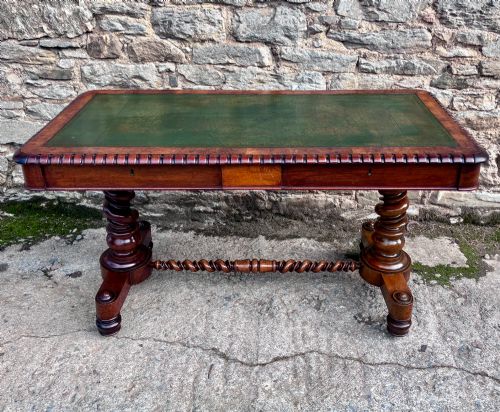
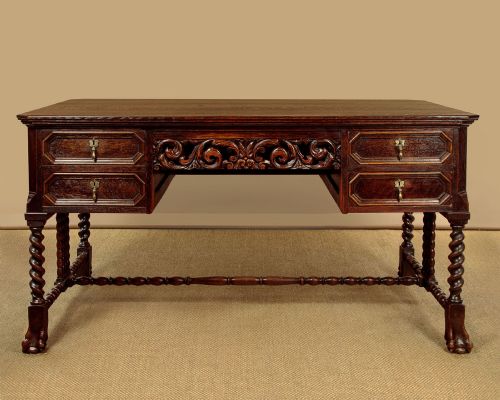
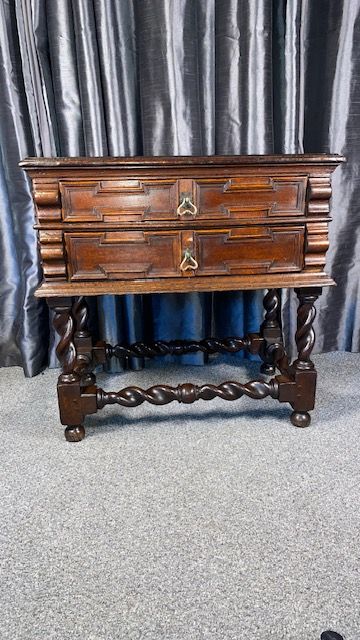
Antique barley twist pieces bring sculptural turned wood into a room, offering tactile warmth through spiral forms found on tables, chairs, and stands.
Antique Barley Twist
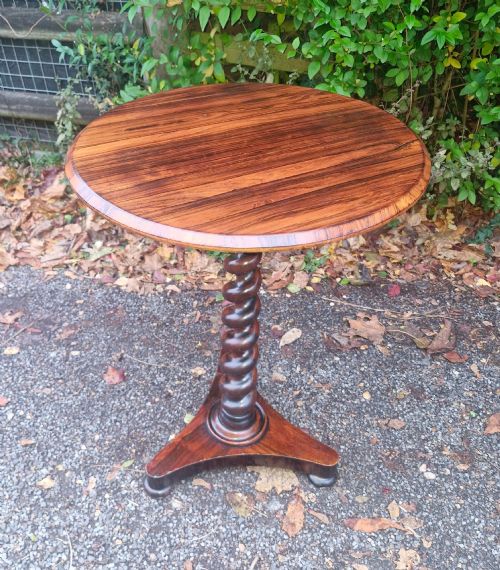
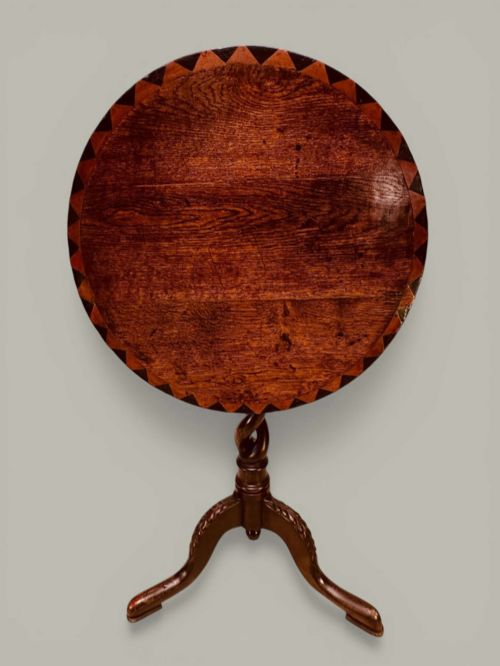
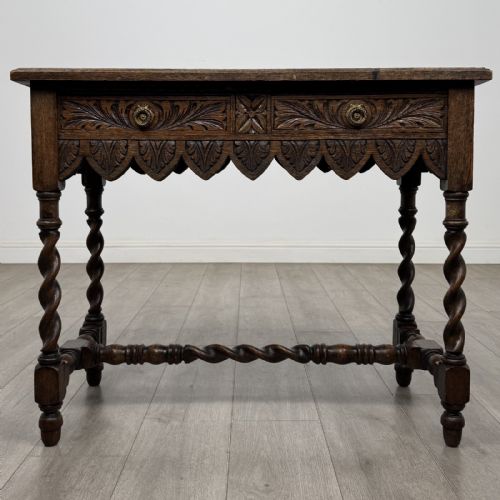
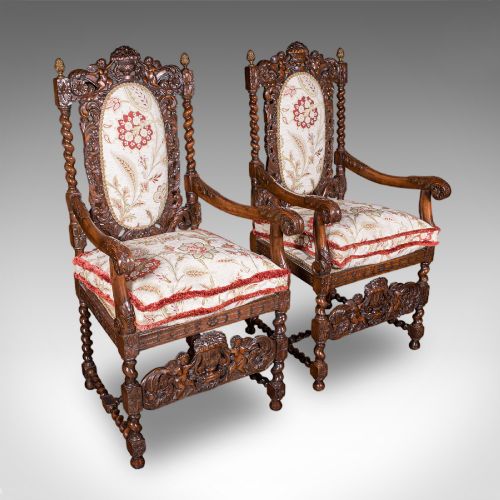
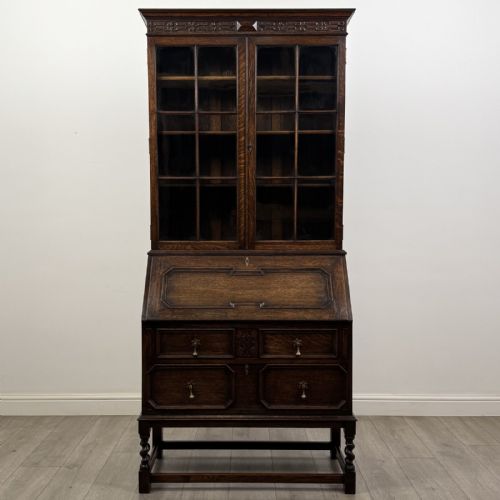
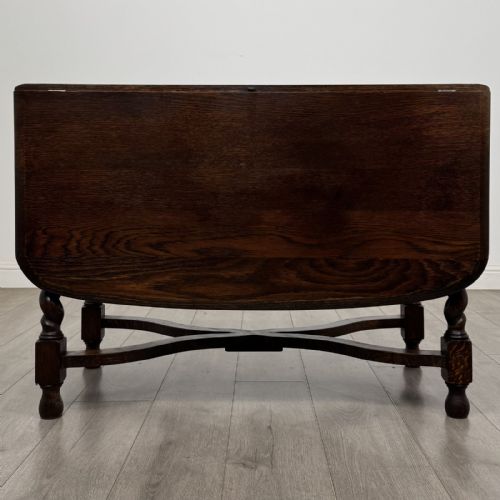
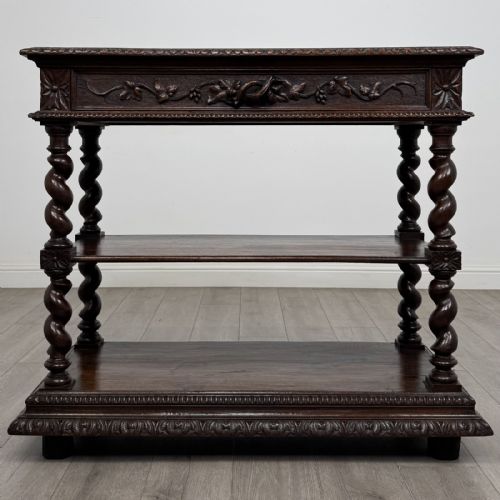
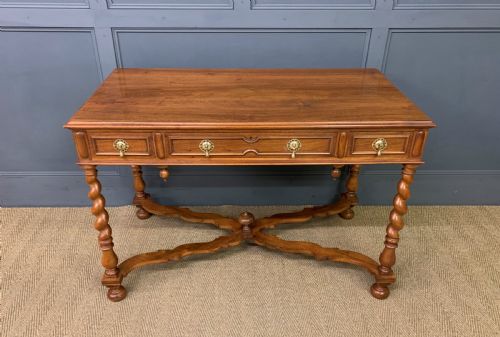
When you search for antique barley twist, you look at turned wooden columns and legs resembling a twisted rope, appearing across domestic furniture and decorative stands. The form spans several centuries, drawing heavily on seventeenth-century Jacobean traditions that resurfaced with particular vigour during the Victorian and Edwardian periods.
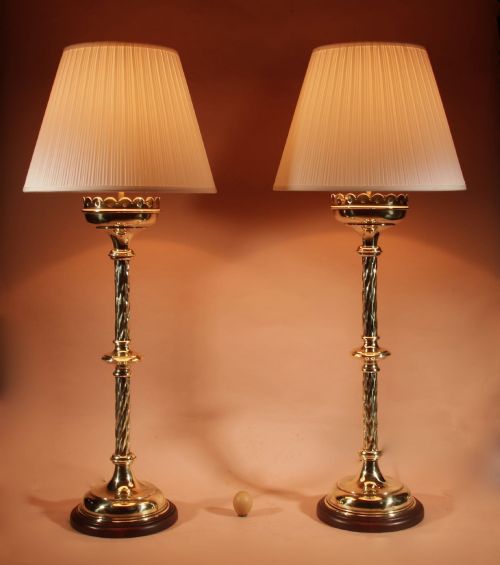
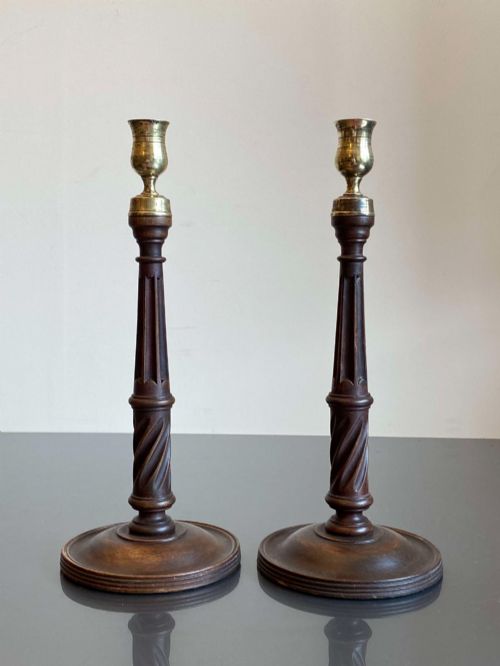
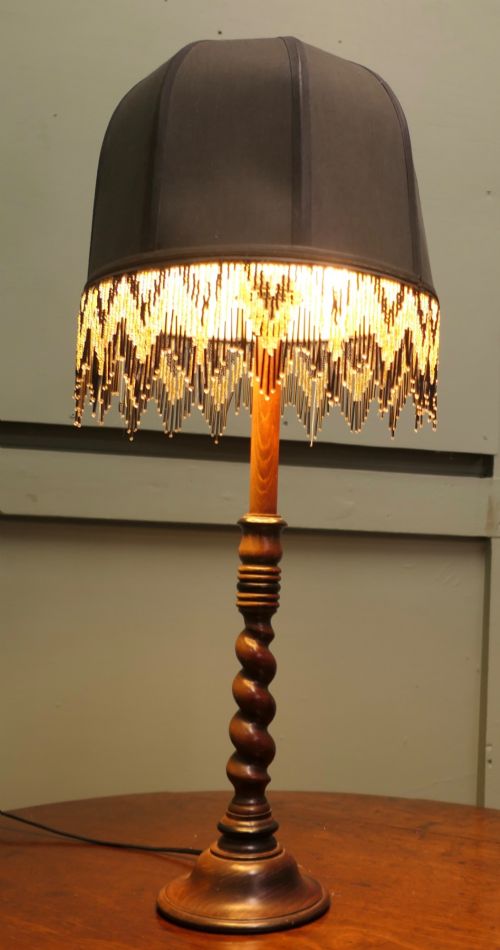
Beyond standard tables and seating, the spiral turning manifests in unexpected contexts, including floor-standing lamp bases, wall mirrors, and tall lamp stands. Each object adapts the helical profile to suit its specific function, whether supporting a table top or framing a mirror plate.
Materials and turning methods
The construction relies predominantly on solid oak, mahogany, walnut, and rosewood, chosen for their density and response to detailed hand-turning and carving. Cabinet makers shaped the timber on lathes before refining the helical grooves with chisels and rasps, ensuring each spiral possessed a smooth, consistent profile.
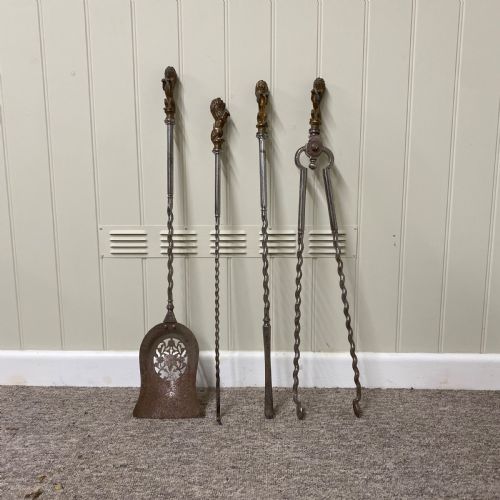
Joinery techniques matched the periods of manufacture, employing traditional mortise and tenon joints for structural stability in tables, chairs, and sideboards. Secondary woods and veneers appear on specific pieces like sewing tables and cabinets, while brass and iron components provide structural support or decorative contrast on lamps and beds.
Antique Barley Twist Retail Price Guide 2026
Typical asking prices for barley twist among the pieces listed under this phrase on Sellingantiques today, from the lower quarter to the upper quarter. They describe what is for sale here now, not the wider market.
Listings feature oak, mahogany, rosewood, and walnut across Victorian, Edwardian, and eighteenth-century periods.
Distinguishing quality in spiral turning
The distinction between ordinary and superior pieces rests on the precision and depth of the carved twist, where crisp, uniform spirals demonstrate superior hand-workmanship compared to shallow, machine-cut imitations. Wood selection equally dictates worth, with dense, figured oak, burr walnut, and rich rosewood commanding attention for their natural grain and colour.
Structural integrity and originality set apart the finest examples, particularly where joints remain tight and original surfaces survive without excessive refinishing. Pieces that retain their correct proportions, matching timber tones, and authentic hardware show the hand of skilled period makers rather than later assembly.
The Antique Barley Twist Glossary
- Barley twist
- A form of wood turning where the member is shaped into a continuous helical spiral resembling a twisted rope or barley stalk.
- Jacobean Revival
- A nineteenth-century design movement that revived the heavy, carved oak forms and spiral turnings of the seventeenth century.
- Whatnot
- A piece of open shelving with multiple tiers, used for displaying ornaments and small objects in Victorian and Edwardian interiors.
- Gateleg table
- A dining or side table featuring hinged flaps supported by swing legs that move outward like a gate.
- Torchere
- A tall, slender stand designed to support a lamp, candle, or decorative ornament.
Antique Barley Twist: Frequently Asked Questions
What is an antique barley twist?
An antique barley twist is a piece of furniture or decorative object featuring wood turned into a continuous spiral shape. The form echoes historic seventeenth-century joinery revived during later Victorian and Edwardian eras.
These pieces range from functional dining tables and chairs to occasional stands and lamp bases. The spiral design adds texture and sculptural interest to domestic spaces.
How do I date a barley twist table?
Dating a table involves examining the timber species, construction joints, and overall style context. Oak and walnut dominate earlier periods, while softer lines often indicate later revival work.
Secondary characteristics such as drawer construction, screw types, and finish wear help narrow the decade of manufacture. Comparing the specific turnings to documented pieces clarifies the timeline.
Which woods were used for these pieces?
Oak forms the foundation of most early and revival pieces, especially side tables, chairs, and cupboards. Richer hardwoods such as mahogany, walnut, and rosewood appear on finer occasional tables and desks.
Selected items incorporate brass, iron, or glass details to complement the turned wooden framework. Each material dictates the weight, colour, and character of the object.