

Antique Bar Cabinet Furniture
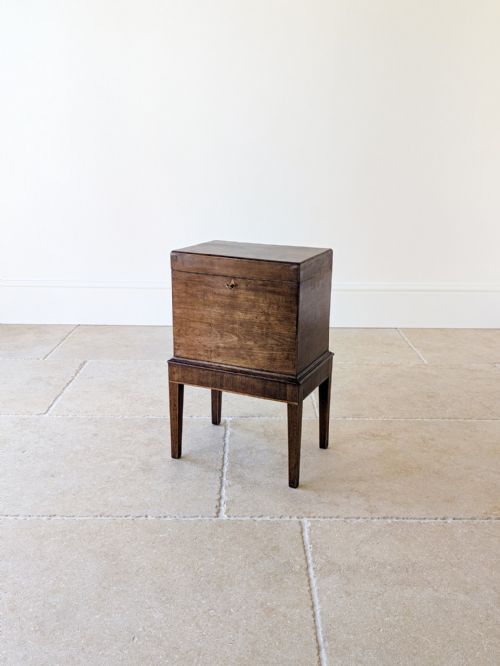
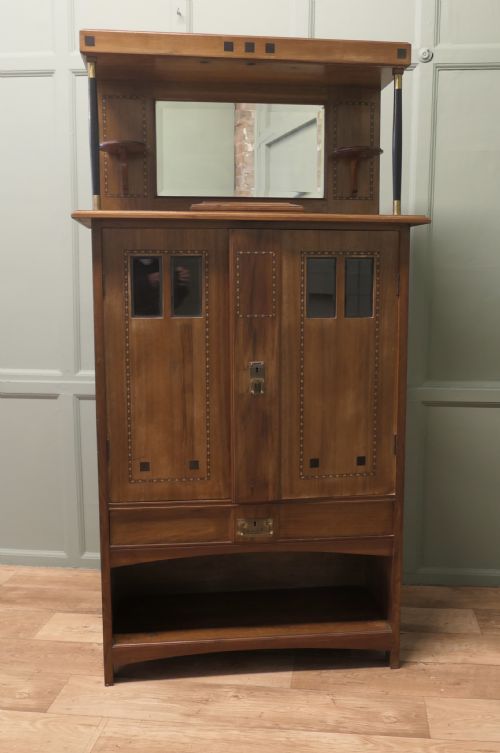
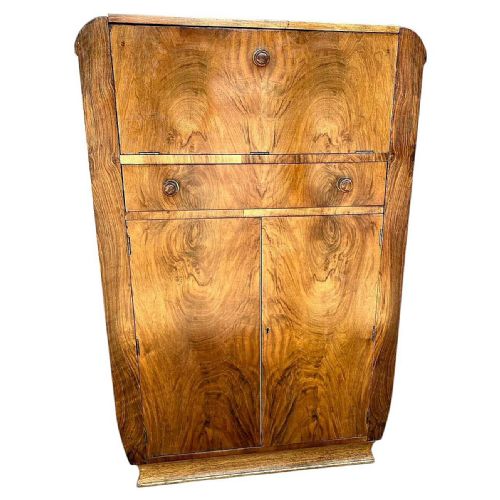
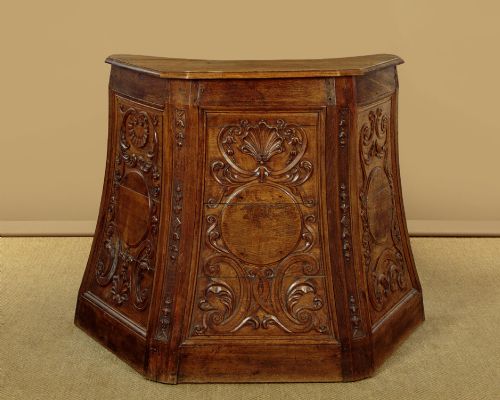
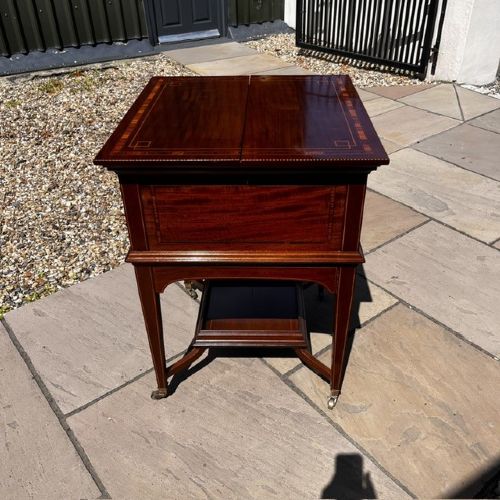
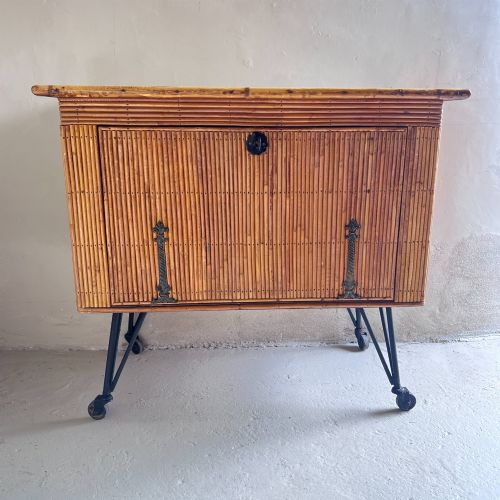
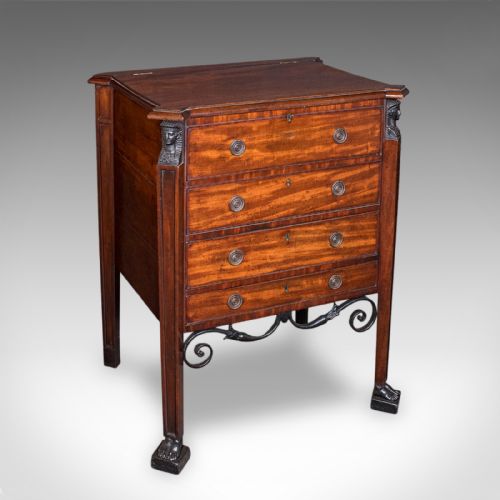
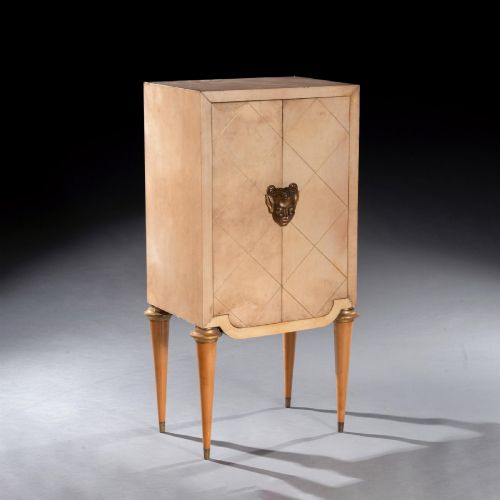
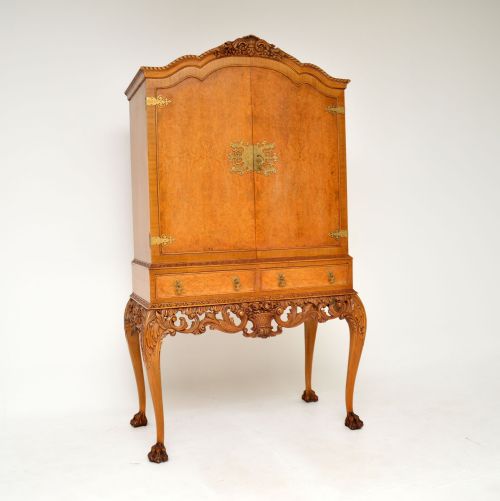
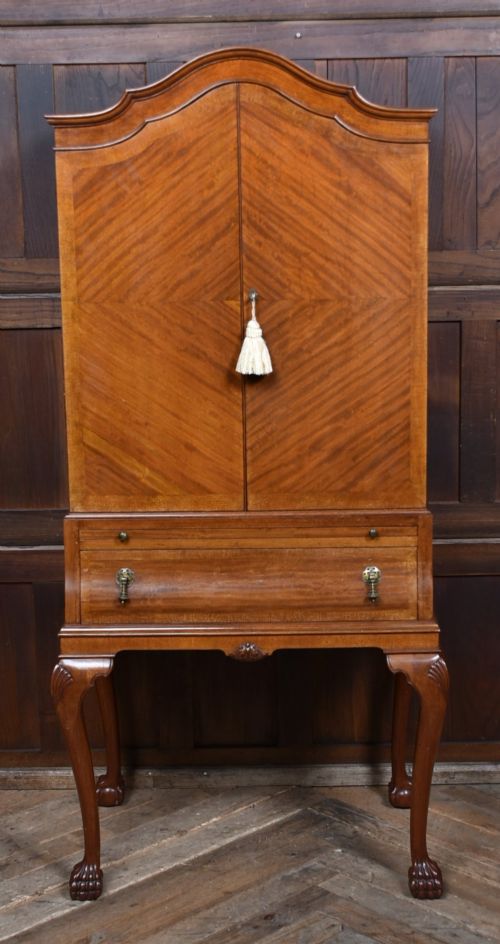
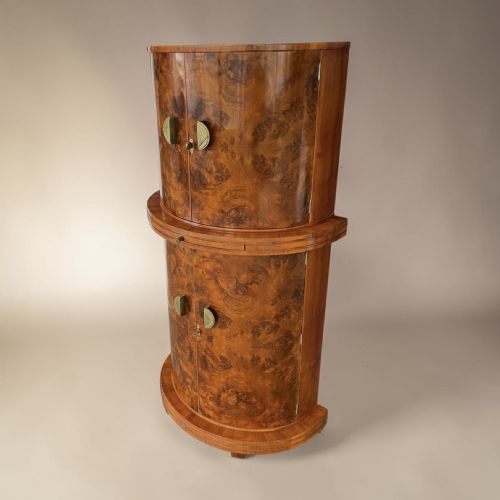
These antique bar cabinet furniture pieces bring period elegance to modern entertaining, spanning formal Georgian cellarettes to striking Art Deco cocktail cabinets.

Materials and construction methods
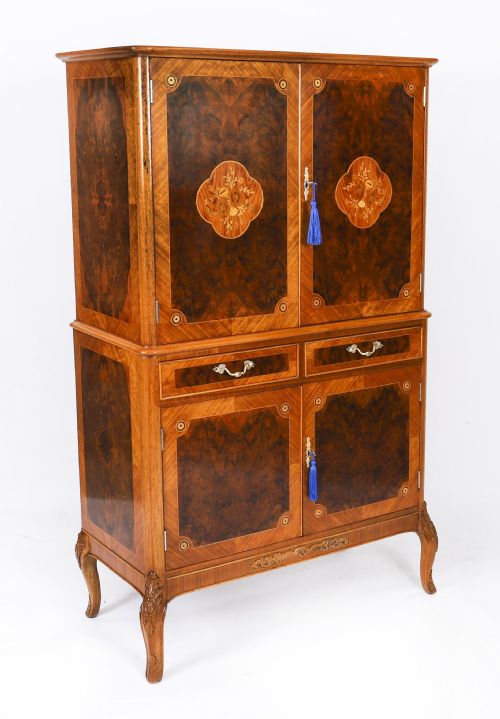
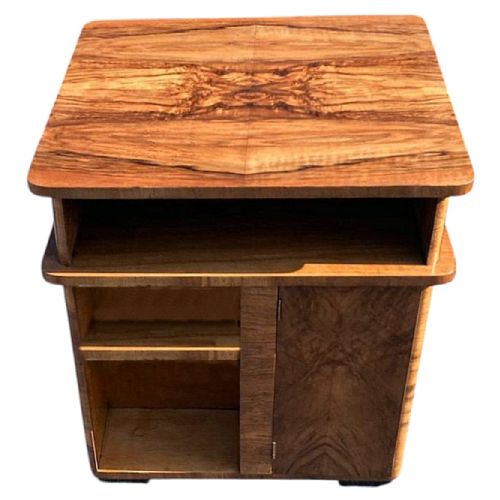
Cabinet makers utilise rich timbers such as mahogany, burr walnut, oak, and satinwood, often applying decorative veneers to create striking grain patterns on exterior surfaces. These primary woods provide both structural integrity and a refined aesthetic.
Metal accents in brass, cast iron, and specialised electric fittings integrate into twentieth-century designs, while glass panels and internal mirrors enhance the display of glassware and bottles.
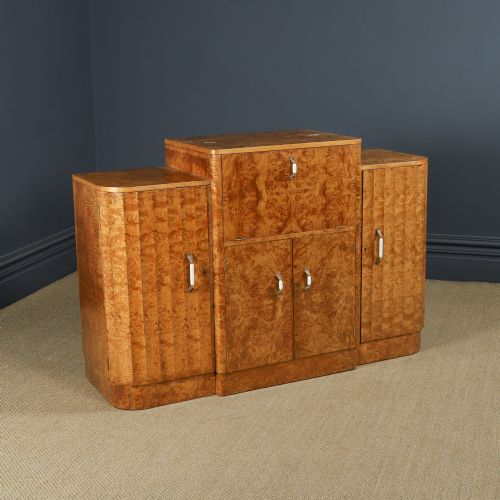
Joinery methods range from traditional hand-carved details on eighteenth-century pieces to specialised marquetry and pop-up mechanisms found in later Art Deco creations.
Assessing quality and craftsmanship
The distinction between tiers of quality rests on the sophistication of the timber selection, such as highly figured burr walnut or meticulously matched veneers, versus standard plain grain surfaces. Superior examples demonstrate harmonious grain continuity across doors and drawers.
The refinement of internal fittings, including original mirrored backs, specialised glass shelves, pull-out preparation slides, and intact electrical components, elevates the standing of a piece. Maker attribution to notable workshops also plays a defining role in distinction.
Some twentieth-century cocktail cabinets feature electric mechanisms that reveal hidden bottle compartments with the flick of a switch.
Epstein·Harry and Lou Epstein·Hille·H&L Epstein
The Antique Bar Cabinet Furniture Glossary
- Cellarette
- A lockable container or cabinet designed to hold bottles of wine or spirits, typically positioned near the dining table in Georgian and Victorian interiors.
- Cocktail cabinet
- A specialised furniture form popularized in the twentieth century featuring dedicated internal storage for glassware, shakers, and bottles, often with a mirrored serving surface.
- Wellington chest
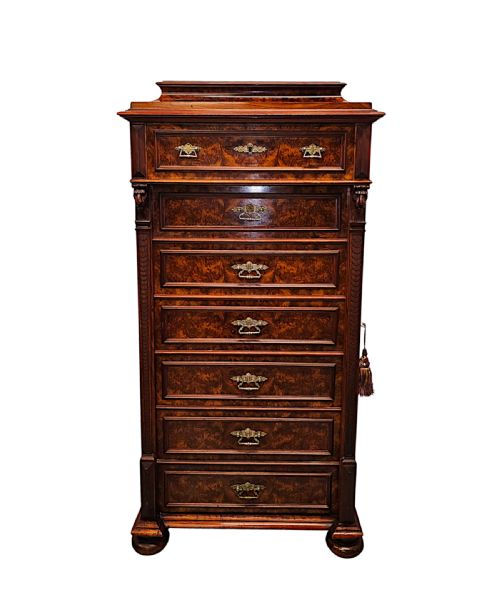
- A tall, narrow chest of drawers secured by a locking hinged side stile, frequently utilised for compact storage in nineteenth-century settings.
- Marquetry
- The art of applying decorative pieces of veneer to a structure to form intricate patterns and pictorial designs.
- Secessionist
- A stylistic movement originating around 1900 that rejected traditional historicism in favor of clean geometric lines and modernist ornamentation.
Antique Bar Cabinet Furniture: Frequently Asked Questions
How do I use a cocktail cabinet at home?
Modern homeowners utilise vintage cocktail cabinets to store glassware, spirits, and bar accessories in a centralized, decorative focal point. Many pieces include pull-out preparation shelves and mirrored interiors suited for mixing drinks.
Positioning the cabinet in a living room or dining space allows the piece to function as an active drinks station while displaying period craftsmanship.
What distinguishes Art Deco bar furniture?
Art Deco bar furniture from the 1920s and 1930s emphasises bold geometric forms, symmetrical lines, and luxurious surface materials like burr walnut and blonde maple. These designs reflect the glamour of interwar entertaining.
Unlike earlier traditional sideboards, these pieces incorporate specialised interior lighting, chromium hardware, and dedicated compartments for cocktail paraphernalia.
How do I identify a Wellington chest?
A Wellington chest is characterised by its tall, narrow proportions featuring six or seven drawers secured by a locking vertical wooden bar hinged on one side. This locking mechanism secures all drawers simultaneously.
Originating in the nineteenth century, these pieces provide substantial vertical storage while occupying minimal floor space in a room.