







Antique Bamboo Vessel
An antique bamboo vessel brings organic texture and scholarly refinement into a room, spanning carved natural cane to ceramic forms modelled after the plant.
Antique Bamboo Vessel
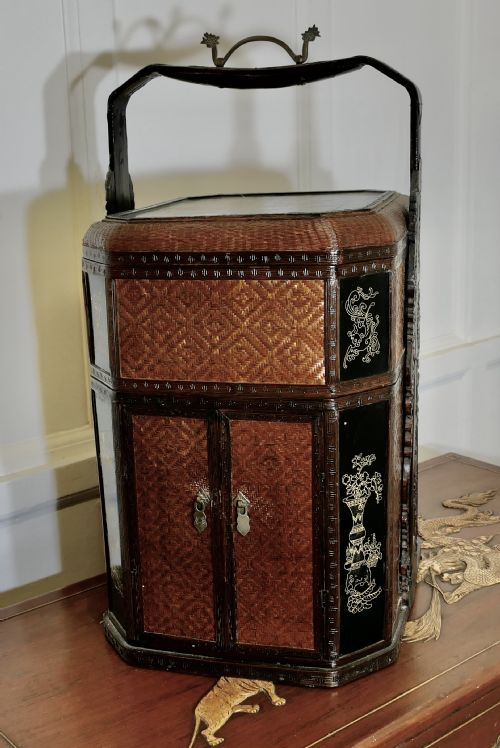
An antique bamboo vessel encompasses carved plant sections such as brush pots and lidded boxes, alongside ceramic and bronze interpretations shaped like bamboo segments.
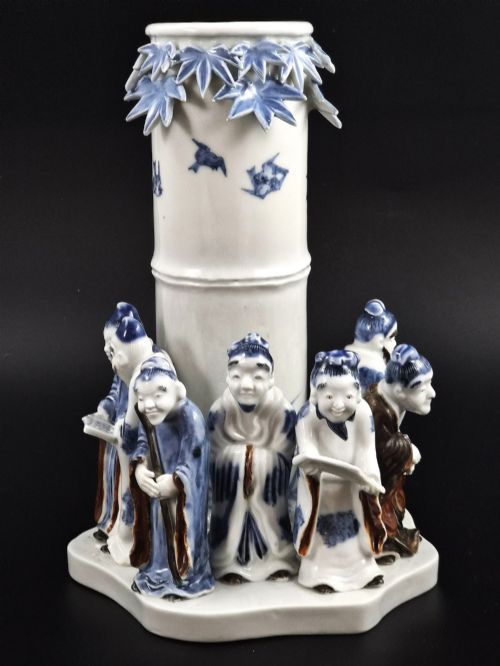
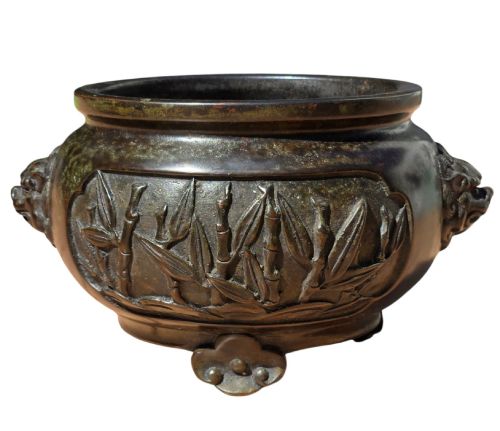
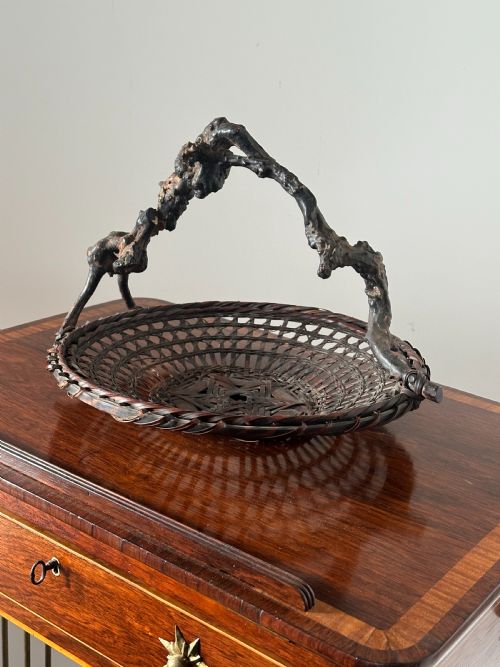
The selection ranges from nineteenth-century Chinese carved bamboo and bronze censers to Japanese Meiji period baskets and porcelain vessels.
Buyers seeking this phrase encounter utilitarian scholar's desk accessories and decorative flower-arranging containers rooted in East Asian traditions.
Materials and construction
Natural bamboo stems are carved deeply across the grain to reveal layered relief panels, utilising the hollow tubular structure of the plant.
Metalworkers cast bronze and brass into segmented bamboo forms, often incorporating patination and gilt highlights, whilst potters shape porcelain and earthenware with moulded cane ridges.
Antique Bamboo Vessel Retail Price Guide 2026
Typical asking prices for bamboo vessel among the pieces listed under this phrase on Sellingantiques today, from the lower quarter to the upper quarter. They describe what is for sale here now, not the wider market.
Listings feature items spanning from the sixteenth century to the early twentieth century, incorporating materials like bronze, porcelain, brass, and rattan.
Markers of distinction
Quality rests in the crispness of the carving depth on natural cane and the precision of moulded relief on ceramic and bronze bodies.
Superior examples display balanced proportions, confident handling of naturalistic details, and an integration of form with material.
The Antique Bamboo Vessel Glossary
- Brush pot
- A cylindrical vessel used in a scholar's studio to hold writing brushes. It is typically carved from bamboo, wood, or porcelain.
- Ikebana basket
- A woven bamboo container designed specifically for traditional Japanese flower arrangements. These pieces utilise flexible natural fibres.
- Censer
- A vessel used for burning incense during ritual or scholarly pursuits. Examples appear in bronze, brass, and ceramic materials.
- Ming Dynasty
- An imperial period of Chinese rule spanning from the fourteenth to the seventeenth century. Pieces from this era demonstrate early metalwork and carving traditions.
Antique Bamboo Vessel: Frequently Asked Questions
How are antique bamboo vessels cleaned?
Dust natural bamboo gently with a dry, soft-bristled brush to protect the dry patina. Avoid water or chemical polishes that can crack aged organic fibres.
For bronze or ceramic pieces modelled in bamboo styles, use a soft cloth without abrasives. Keeping them away from direct sunlight preserves the original surface.
What was a brush pot used for?
A brush pot sat upon the scholar's desk in traditional East Asian studies to organise writing brushes upright. These vessels doubled as contemplative desk objects.
Carved surfaces often displayed figurative scenes or literati motifs intended to inspire the writer during quiet contemplation.
How do I spot a Meiji period piece?
Meiji period items originate from late nineteenth and early twentieth-century Japan, a time of prolific export and refined craftsmanship. Look for intricate woven structures in flower baskets or characteristic glazes on ceramics.
These pieces reflect the opening of Japanese trade and a shift towards detailed decorative arts.
Why are some vessels made of bronze?
Metalworkers cast bronze into bamboo shapes to combine the organic appearance of the plant with the permanence of metal. These heavy vessels served as durable incense burners.
The bronze absorbs patination over decades, deepening the visual texture of the simulated bamboo nodes.