





Antique Baluchistan Rug
An antique baluchistan rug brings nomadic tribal character into a room through rich wool weave and distinct geometric patterns.
Antique Baluchistan Rug
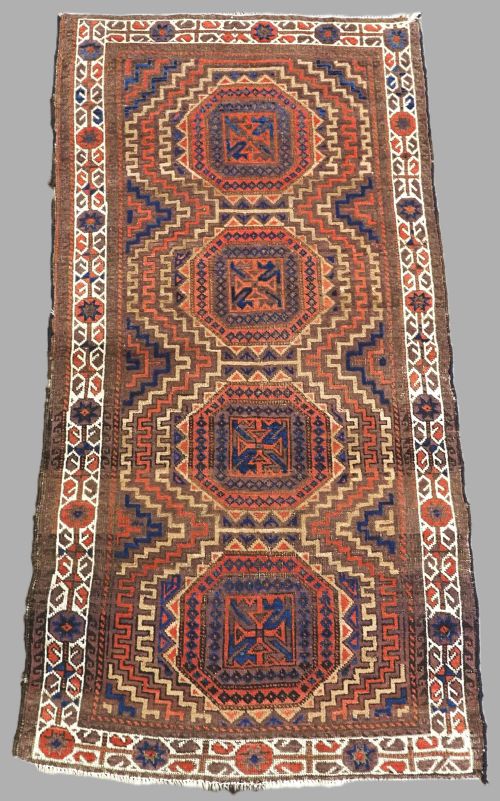
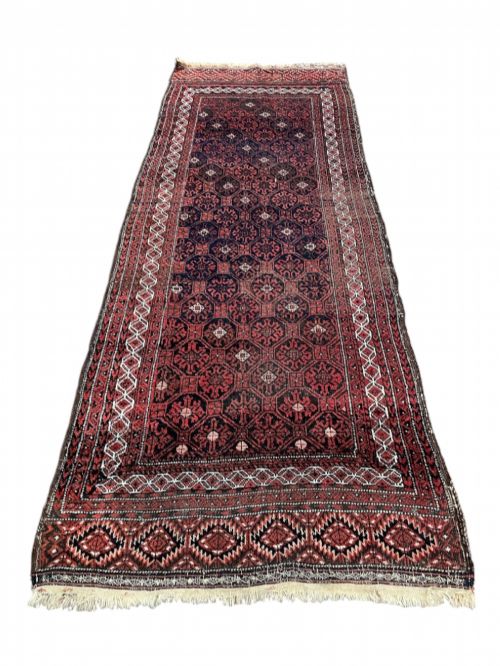
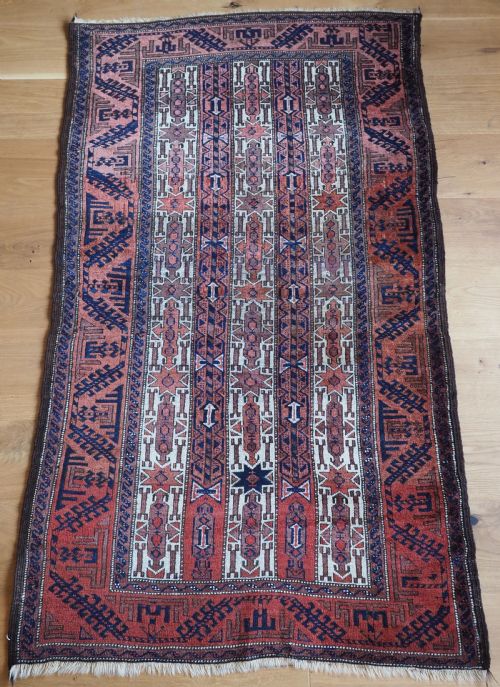
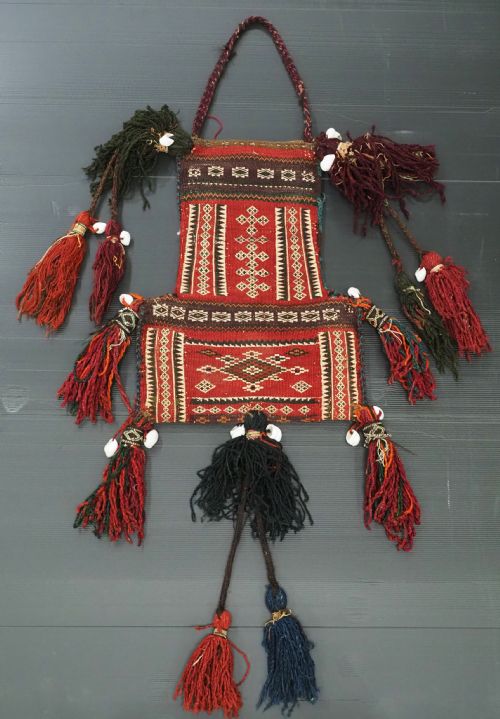
An antique baluchistan rug forms part of a rich tradition of tribal weaving produced across regions spanning Persia, Afghanistan and beyond. When searching for an antique baluchistan rug, buyers encounter a variety of practical forms including standard rugs, runners, cushions, saddle bag faces, kilims and salt bags. These pieces originate from nomadic and village groups such as the Zaggar Mengal and Mahdad Khani tribes.
The aesthetic of these textiles relies on traditional motifs and structures rather than court designs. Pieces often feature large guls, tile patterns, banded chevron designs, or the Herati design woven with deep skill. Occasional examples incorporate unusual elements such as a human figure or a scarce white ground stripe design.
Dating for these woven works generally spans the late nineteenth century into the early decades of the twentieth century. Production methods reflect the nomadic lifestyle of the makers, utilising durable materials suited to daily use. Collectors find both main carpets and smaller formats suitable for diverse interior spaces.
What varies in quality
The fineness of the spin and the handling of the wool dictate the tactile appeal of the surface. Tighter knot density and precise execution of complex motifs such as guls or Herati patterns separate finer examples from simpler village work. The integrity of the foundation materials, whether cotton or goat hair, also influences the overall durability.
Artistic expression distinguishes exceptional weaving, particularly where unusual design elements like human figures or scarce white ground stripes appear. The consistency of the dye work and the preservation of the original selvedges and ends contribute significantly to the standing of any individual textile.
Antique Baluchistan Rug Retail Price Guide 2026
Typical asking prices for baluchistan rug among the pieces listed under this phrase on Sellingantiques today, from the lower quarter to the upper quarter. They describe what is for sale here now, not the wider market.
Listings feature wool, pure wool, cotton, goat hair, and cowrie shells across rugs, runners, cushions, and salt bags dating from the late nineteenth to the early twentieth century.
Zaggar Mengal Baluch Nomads·Mahdad Khani Tribe
The Antique Baluchistan Rug Glossary
- Gul
- A medallion-like motif frequently repeated across tribal carpets. This primary design element often identifies the specific weaving group.
- Kilim
- A flatwoven textile produced without a pile. These pieces serve functional purposes as covers, bags, or lightweight floor coverings.
- Namakdan
- A traditional Persian term for a salt bag. These utilitarian containers display intricate tribal weaving on their faces.
- Herati
- A recurring floral and geometric pattern featuring a central rosette enclosed by leaves. It appears widely across Persian and tribal weaving traditions.
- Saddle bag face
- The decorative front portion of a utilitarian animal bag preserved as an independent textile. These panels showcase concentrated tribal designs.
Antique Baluchistan Rug: Frequently Asked Questions
What is a baluchistan rug?
An antique baluchistan rug is a handwoven textile produced by nomadic and semi-nomadic tribes originating from regions in Persia and Afghanistan. These pieces are characterised by sturdy wool construction and distinctive geometric or tribal motifs.
Weavers created these textiles for practical domestic use within nomadic camps. Today, collectors value them for their authentic tribal artistry and durable materials.
How do I date an antique rug?
Dating relies on assessing the materials, dye types, structural wear, and stylistic consistency found within the weave. Pieces from the nineteenth and early twentieth centuries often display specific hand-spun wool characteristics and natural colour variations.
Comparing structural details against documented tribal examples helps narrow the period of origin. Expert evaluation of the knotting style provides further confirmation of age.
How should I clean my rug?
Maintenance requires gentle care appropriate for antique wool and natural dyes. Regular light vacuuming without a rotating brush helps remove embedded dust without damaging the pile.
Professional cleaning by a specialist familiar with antique tribal textiles is recommended for deeper maintenance. Avoid harsh chemical treatments and excessive moisture to protect the fibres.
Can I use a rug as flooring?
These durable wool textiles function well as floor coverings in areas of moderate foot traffic. Using an appropriate underlay helps prevent slipping and reduces friction against the foundation.
Placing rugs away from direct, strong sunlight preserves the natural tones of the wool. Smaller formats and bag faces are often displayed on walls or used as decorative accents.