



Antique Baluchi Rug
These antique baluchi rug pieces are hand-woven tribal textiles offering rich natural dyes and distinctive geometric patterns that anchor traditional and modern interiors alike.
Antique Baluchi Rug
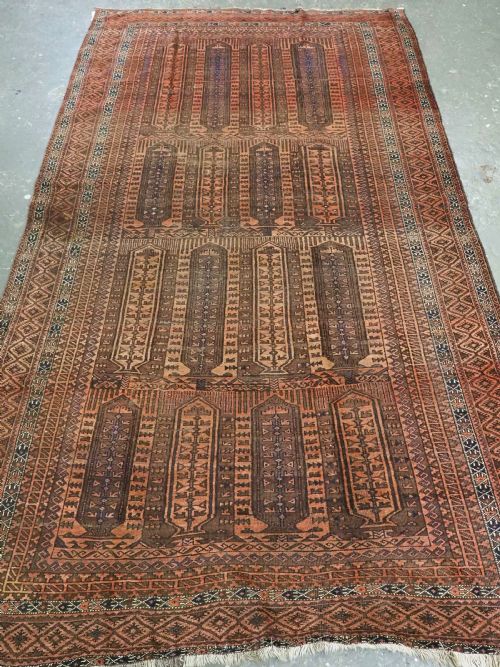
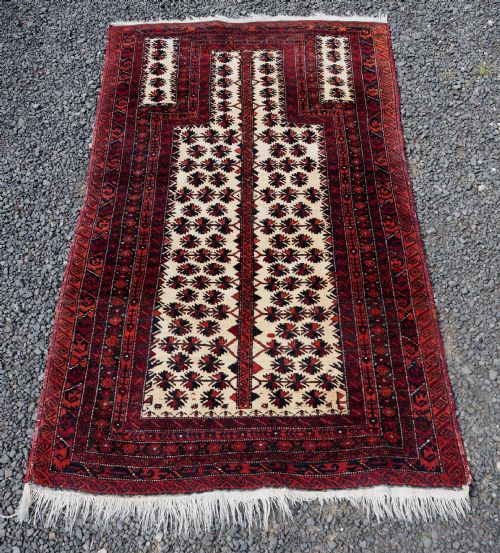
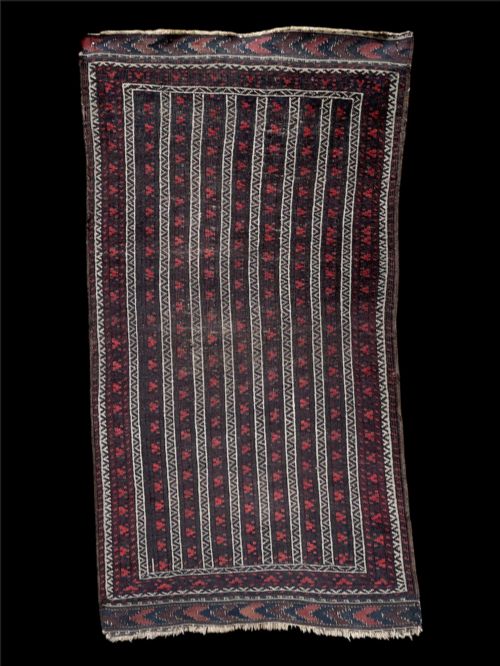
When you search for an antique baluchi rug, you encounter hand-woven tribal textiles created by nomadic and village weavers across regions spanning Persia, Afghanistan, and Khorasan. These pieces encompass diverse formats such as area rugs, prayer rugs, main carpets, and Sofreh eating cloths dating from the late nineteenth century to the early twentieth century.
The examples on this page predominantly display tribal Baluch aesthetics, alongside Western Afghan, Timuri, and Arab Baluch attributions. Common motifs include repeat lotus leaf patterns, Kalam Donneht designs, small octagons, and occasional human figures or unusual borders.
Buyers meet varied sizes, from compact prayer rugs designed for personal devotion to larger carpets intended for communal spaces. Each piece reflects the specific regional traditions and nomadic lifestyle of its makers through practical floor coverings and domestic textiles.
Materials and construction
These textiles are constructed entirely from wool using traditional hand-weaving techniques passed down through generations of tribal artisans. The reliance on wool provides a durable pile and structure suited to daily floor use.
Natural dyes impart the varied colour palettes seen across these pieces, ranging from deep saturated tones to unusual shades developed from plant and mineral sources. Hand weaving ensures that each carpet or rug possesses unique textural irregularities and structural character.
Antique Baluchi Rug Retail Price Guide 2026
Typical asking prices for baluchi rug among the pieces listed under this phrase on Sellingantiques today, from the lower quarter to the upper quarter. They describe what is for sale here now, not the wider market.
Listings span the nineteenth and twentieth centuries, featuring wool construction and natural dyes across prayer rugs, flatweave Sofreh cloths, and main carpets.
Distinctions in quality
Quality in these textiles rests upon the precision of the hand-weaving, the complexity and rarity of the design, and the depth of the natural dyes. Pieces featuring scarce motifs, such as human figures or unusual borders, demonstrate superior artistic ambition from the weaver.
The condition of the wool pile and the integrity of the flatweave edges also determine the standing of an individual piece. Finer knot density and well-preserved natural dye variations elevate a textile within the range.
Timuri·Baluch·Arab Baluch·Ferdows Province
The Antique Baluchi Rug Glossary
- Prayer rug
- A small rug featuring a mihrab or niche design used by Muslims for daily prayers. These portable textiles are oriented towards Mecca during ritual use.
- Sofreh
- A woven cloth used primarily for spreading meals or processing dough within nomadic households. These functional domestic textiles often double as striking geometric flatweaves.
- Flatweave
- A textile produced without a knotted pile by interlocking warp and weft threads together. These lighter rugs offer a smooth, durable surface.
- Natural dyes
- Colourants derived from plants, insects, and minerals rather than synthetic chemical processes. They age gracefully and develop subtle tonal variations over decades.
- Kalam Donneht
- A traditional boteh or paisley-inspired motif found in tribal weaving. This specific design pattern often anchors the central field of Western Afghan carpets.
Antique Baluchi Rug: Frequently Asked Questions
How do I identify an antique baluchi rug?
Look for traditional tribal motifs like octagons and lotus leaves woven in wool with natural dyes. Origin attributions often connect these pieces to regions in Persia, Afghanistan, and Khorasan.
Examine the construction for hand-woven techniques and check for nineteenth or early twentieth-century dating markers within the design structure.
Where were these rugs originally made?
Nomadic and village weavers produced these textiles across tribal territories in Central Asia and the Middle East. Regions such as Khorasan and Ferdows Province are frequently associated with specific stylistic traits.
Weavers belonged to various tribal groups including the Baluch, Timuri, and Arab Baluch communities who moved across these borderlands.
How were prayer rugs used?
Nomadic individuals used prayer rugs as portable carpets for daily religious observances while travelling or residing in tents. The distinctive arch or niche design directed the user toward Mecca during prayer.
These smaller rugs also served secondary domestic functions within the household when not in active ritual use.
Are these rugs suitable for high-traffic areas?
Wool construction provides natural durability and resilience against daily wear in residential settings. Regular placement in moderate-traffic areas allows the wool pile to age characteristically over time.
Careful positioning away from direct moisture preserves the natural dyes and structural integrity of older hand-woven textiles.