




Antique Back Stool
An antique back stool brings early joined timber and upright seating directly to a room, offering the sturdy simplicity collectors seek.
Antique Back Stool
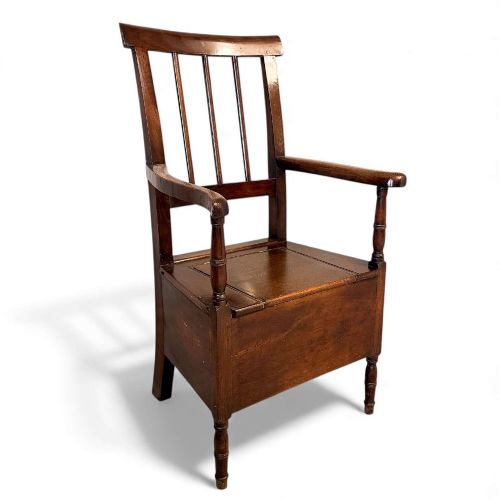
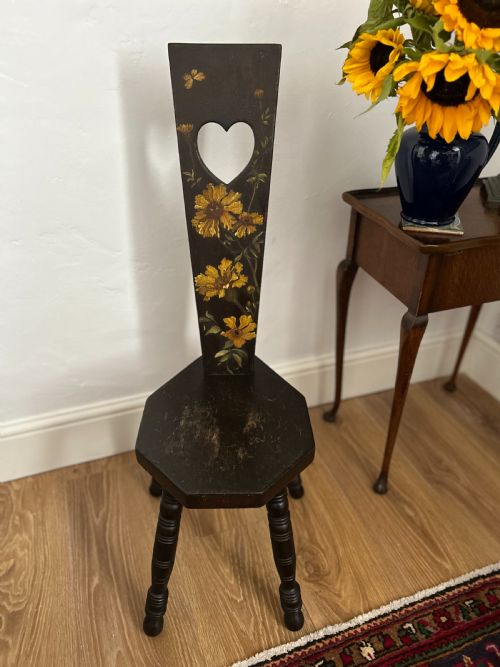
An antique back stool is a traditional form of seating rooted primarily in the seventeenth century, distinguished by a supportive upright back joined to a wooden seat. These early pieces form the core of the category alongside later vernacular country interpretations and related regional variations.
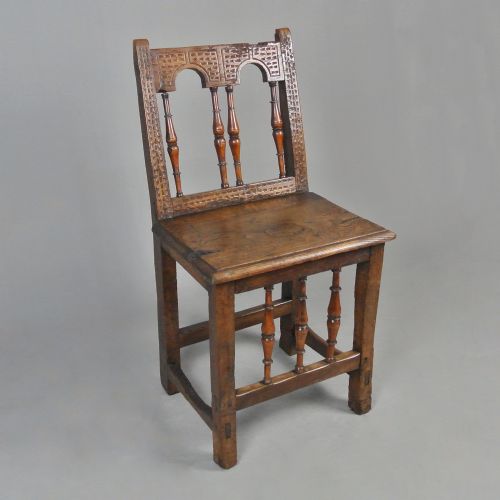
Buyers frequently encounter seventeenth-century joined oak examples featuring simple rectilinear frames and solid timber construction. Other listings show country chairs and regional pieces, demonstrating how the basic form persisted across different centuries and workshops.
How they were made
Makers relied heavily on solid oak for seventeenth-century pieces, utilising traditional mortise and tenon joinery to build rigid frames without metal fasteners. Turning on a lathe supplied structural uprights and legs, while hand-carving added restrained ornamentation to crest rails and splats.
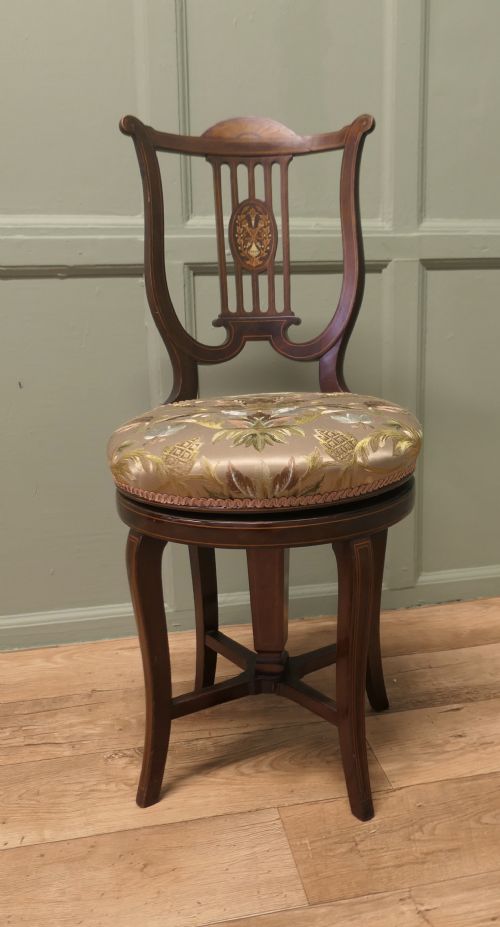
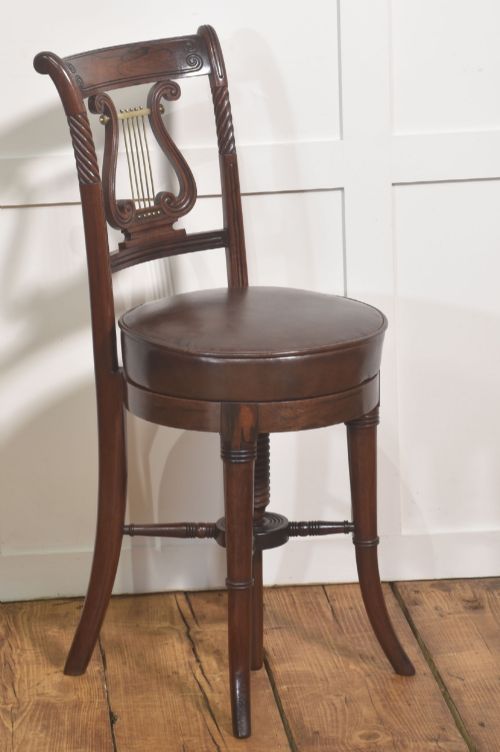
Later variants incorporate alternative hardwoods such as ash, elm, and mahogany, reflecting the changing material availability of subsequent periods. Surface finishes typically consist of natural wax or polish applied directly to the timber, preserving the grain and tool marks of the maker.
Listings demonstrate that antique back stools span from rugged seventeenth-century joined oak examples to refined eighteenth-century country furniture.
What varies in quality
The degree of original surface survival separates top-tier examples from heavily restored or altered pieces, as honest patination and minimal timber replacement dictate desirability. Original joinery integrity and the absence of extensive structural rebuilding remain critical indicators of a piece's authenticity.
Proportion and the crispness of hand-carved detailing distinguish superior examples made by skilled regional joiners from coarser vernacular output. Well-balanced forms with correct seat heights and sound structural connections command greater appreciation among serious collectors.
Jennens and Bettridge
The Antique Back Stool Glossary
- Back stool
- An early term for an upholstered or wooden chair with a back, distinguishing it from a stool without one. This nomenclature reflects the historical transition from sitting on simple stools to having back support.
- Joined oak
- Timber framing constructed using tight mortise and tenon joints secured with wooden pegs. This technique provides the robust skeletal framework characteristic of seventeenth-century furniture.
- Padouk
- A dense tropical hardwood displaying rich reddish-brown tones utilised in select nineteenth-century seating. Its weight and durability made it suitable for turned and carved chair components.
- Papier-mâché
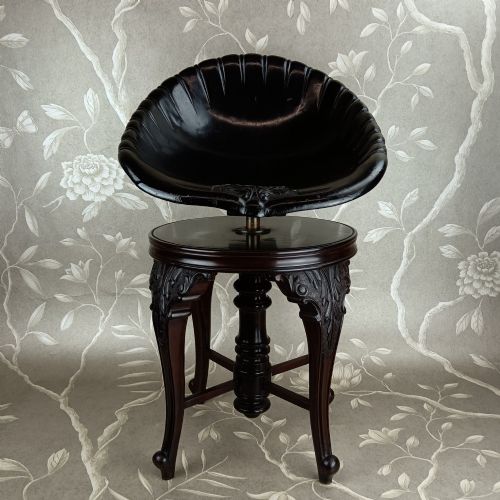
- A composite material formed from paper pulp mixed with glue and resin, pressed into moulds and finished with lacquer. Victorian makers applied this technique to ornamental music and dressing furniture.
- Ladderback
- A chair back featuring multiple horizontal wooden slats positioned between two upright posts. This traditional vernacular design appears across various regional seating forms.
Antique Back Stool: Frequently Asked Questions
What is an antique back stool?
An antique back stool is an early form of seating featuring a solid wooden seat and an upright back, predating the widespread use of the word chair. These pieces trace back primarily to the seventeenth century and reflect traditional joinery methods of the period.
They served as functional household seating before upholstered armchairs became common in domestic spaces. Collectors value them for their honest timber construction and historical presence.
How do I date a back stool?
Dating relies on examining the joinery techniques, timber species, and overall proportions of the frame. Seventeenth-century examples typically show pegged mortise and tenon joints in native oak.
Later regional interpretations incorporate local hardwoods and different turning profiles that point toward eighteenth or nineteenth-century vernacular production. Comparing construction details with documented examples helps establish the correct era.
Where were back stools used?
These stools functioned as everyday seating around dining tables and hearths in early homes. Their compact footprint made them practical for multi-purpose rooms where furniture needed to be easily moved.
Over time, surviving examples transition easily into modern hallways, studies, or living spaces as accent seating. Their understated profile complements both traditional interiors and minimalist settings.
Are all back stools made of oak?
While seventeenth-century examples are predominantly constructed from joined oak, subsequent centuries introduced other woods. Regional makers utilised local timber supplies including ash, elm, and fruitwoods for vernacular versions.
Examining the grain and weight helps identify the specific wood used in each piece. This variety reflects the local availability of materials rather than a departure from the basic form.