


Antique Athletic Statue
An antique athletic statue captures human physical strength and classic form, bringing enduring movement and sculptural presence into a room.
Antique Athletic Statue
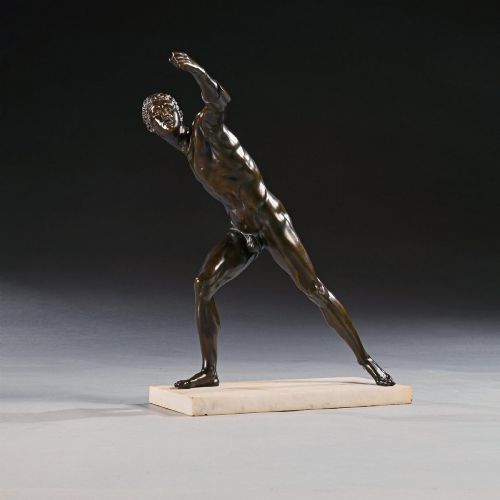
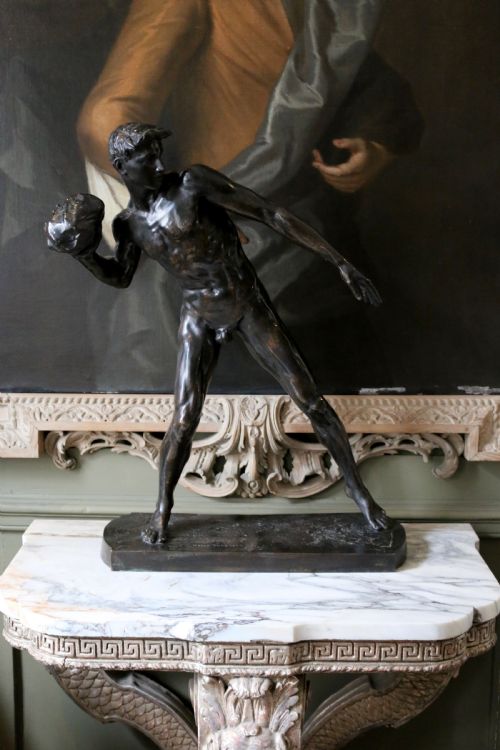
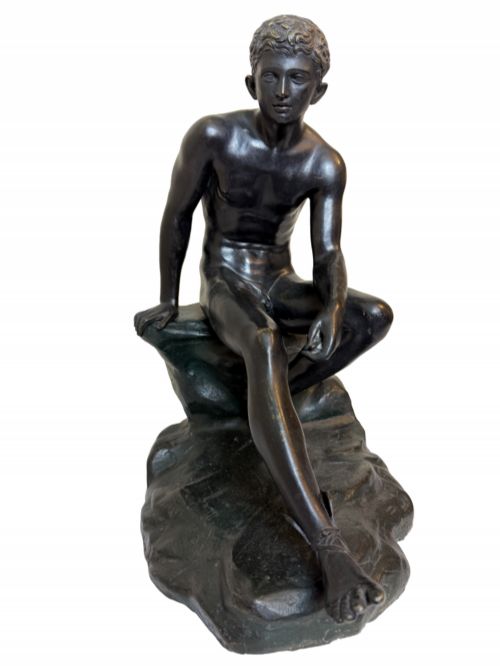
When you search for an antique athletic statue, you encounter sculptural depictions of male figures engaged in physical competition, ancient combat, and classical mythology. These works draw heavily on historical traditions, ranging from nineteenth century Grand Tour reductions of classical figures to modernist interpretations.
The pieces you meet most frequently on this page date from the Victorian era through the Art Deco period of the nineteen thirties. They portray specific disciplines such as wrestling, fencing, tennis, rugby, and weightlifting, alongside gladiators and resting athletes.
Origins span French and European foundries and studios, encompassing both grand scale exhibition pieces and smaller desk studies. The subjects often mirror contemporary physical culture or reinterpret antiquity through nineteenth century New Sculpture and early twentieth century styling.
Materials and construction
Foundries utilised bronze as the primary medium for these sculptures, frequently applying patination to achieve dark, metallic, or nuanced surface tones. Some works also employ gilt bronze, silver-plated finishes, or silvered bronze to highlight musculature and detail.
Alternative compositions include spelter and mixed metal alloys, which served as accessible alternatives to solid bronze during the late nineteenth and early twentieth centuries. Many figures incorporate marble elements, often functioning as integral plinths or bases to support the weight of the metal.
Art Deco pieces on this site frequently depict modern sporting pursuits like tennis and powerlifting alongside traditional gladiatorial subjects.
Judging execution and finish
Quality rests significantly in the precision of the casting and the fidelity of the anatomical modelling. Superior examples demonstrate a careful rendering of sinew, tension, and facial expression, whereas lesser productions lose anatomical clarity in softer, blurred contours.
The surface treatment and patination heavily influence the overall presence of the sculpture. Skilled chasers refined the raw metal after casting, sharpening details in hair, drapery, and musculature before applying patinas that remain stable and rich over time.
Hamo Thornycroft·H Risch·Desire Grisard·Rudolf Küchler·Claire Colinet·Bruno Zach·Eden Antony Paul Noel
The Antique Athletic Statue Glossary
- Patinated Bronze
- Bronze treated with chemical solutions to produce a specific surface colour and finish. This layer protects the metal and defines the visual mood of the sculpture.
- Grand Tour
- A nineteenth century travel tradition where wealthy collectors acquired souvenir bronzes of classical antiquities. These reductions replicate famous statues found in Italian museums and sites.
- Spelter
- A zinc alloy commonly utilised as a less expensive substitute for bronze in decorative figures. It is often given a bronze-like coating to simulate heavier metal.
- Lost-wax casting
- A traditional method where a model is encased in mould material, melted out, and replaced with molten metal. This technique allows for intricate detail and undercut forms.
Antique Athletic Statue: Frequently Asked Questions
How do I identify bronze from spelter?
Bronze is heavier, colder to the touch, and rings with a clear tone when tapped gently. Spelter is softer, lighter, and often reveals a greyish white metal underneath where the surface finish has worn away.
Examining the underside or unexposed areas often reveals the true base metal beneath the patination.
What is a Grand Tour statue?
These are small scale bronze reductions of famous classical sculptures collected by travellers touring Europe during the nineteenth century. They served as scholarly mementoes and decorative cabinet pieces.
Most portray ancient athletes, gladiators, or mythological figures modelled after classical prototypes.
How should I clean my statue?
Dust the surface gently with a soft, dry brush to prevent the accumulation of grit in crevices. Avoid commercial metal polishes, which can strip away the original patination and ruin the finish.
Applying a very light coat of microcrystalline wax can help protect historical patinas from atmospheric moisture.
Why do some figures have marble bases?
Marble bases provide structural stability and visual weight to counterbalance dynamic, cantilevered poses. They also create a formal separation between the sculpture and the furniture surface it rests upon.
Many period pieces utilised coloured or veined marble to complement the tone of the patinated metal above.