




Antique Asparagus Server
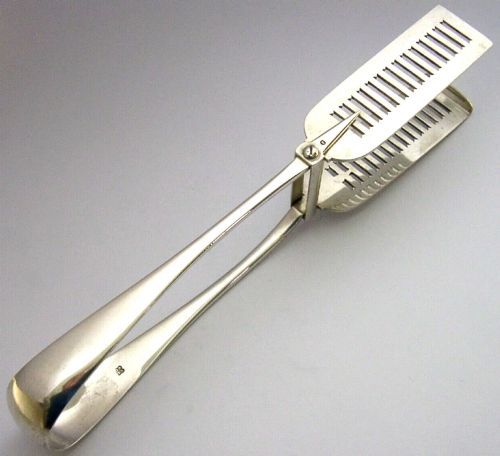
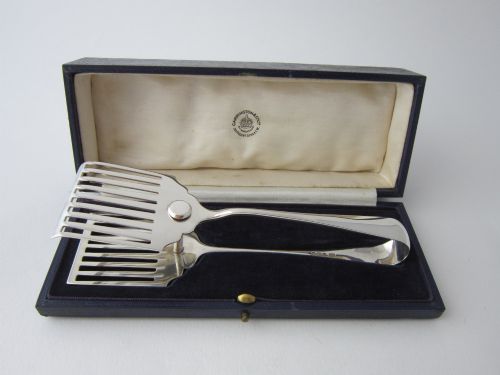
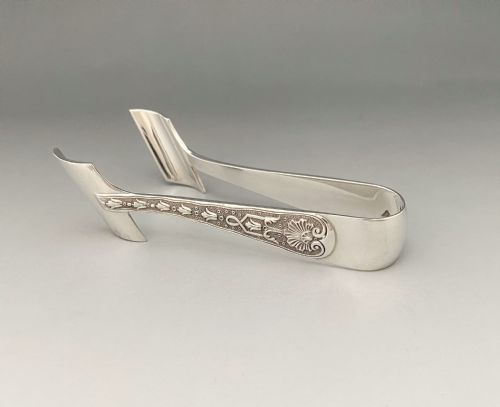
These antique asparagus server pieces are purpose-built utensils designed for the table, offering both solid silver and silver plate to handle spring vegetables.
Antique Asparagus Server
When you search for an antique asparagus server, you are looking at specialised dining implements designed to lift delicate stalks from dish to plate without damage. The items on this page span several decades and styles, crossing from the late eighteenth century through the Victorian and Edwardian eras into the twentieth century. Serving tongs and specialised dishes form the core of what you will encounter, reflecting formal dining habits of past centuries.
Solid silver and silver-plated options appear frequently, often featuring pierced ends or arms shaped specifically to cradle the vegetable. You will also find blue and white transfer pottery servers alongside boxed sets and solo tongs bearing family crests or armorial details. The Victorian and Edwardian periods contribute heavily to the selection, accompanied by George V and Georgian examples.
How they were made
Makers shaped these items using sterling silver and electroplated nickel silver, applying techniques like piercing and silver-plating over base metals. Ceramic servers utilise transfer-printed pottery methods to apply blue and white designs onto earthenware bodies.
Silversmiths constructed tongs with spring mechanisms and engraved armorial crests by hand, ensuring functional strength alongside decorative detail.
Listings feature sterling silver and silver plate across Victorian, Edwardian, and Georgian periods, alongside blue and white transfer pottery.
What varies in quality
Quality rests in the weight of the silver, the crispness of the pierced decoration, and the preservation of the original plating or crest engraving. Strong spring action in the tongs and well-defined transfer printing on pottery dishes separate superior examples from standard production pieces.
Provenance and maker attribution elevate certain items, particularly those bearing the marks of known silversmiths like Walker and Hall or Mappin and Webb.
Wilkes Booth·Garrard and Co·Walker and Hall·Mappin and Webb·Spode·Goldsmiths and Silversmiths
The Antique Asparagus Server Glossary
- Sterling silver
- A silver alloy containing 92.5 percent pure silver and 7.5 percent other metals, usually copper. This standard ensures durability while maintaining precious metal purity.
- Silver plate
- A layer of pure silver applied to a base metal such as copper or nickel silver. It provides the appearance of solid silver at a lower production cost.
- EPNS
- Electroplated nickel silver. This designation indicates a base of nickel brass coated with an electrolytic layer of silver.
- Transfer pottery
- Earthenware decorated by transferring a printed design from an engraved copper plate onto the ceramic surface. This technique allowed for detailed blue and white patterns.
- Armorial crest
- A heraldic design displayed on silver or pottery items to indicate family lineage. These engravings often denote bespoke commission work.
Antique Asparagus Server: Frequently Asked Questions
What is an antique asparagus server used for?
These utensils were created to serve delicate asparagus spears cleanly during formal meals. The broad blades or specialised tongs grip the vegetable without breaking the tips.
Such servers often accompanied dedicated ceramic dishes featuring interior drainers or wells. They highlight the Victorian and Edwardian preference for specialised dining implements.
How do I clean solid silver servers?
Wash silver pieces in warm water with a mild liquid soap and dry them immediately with a soft cloth. Avoid harsh abrasive dips that strip away patination and fine engraved detail.
Store them in anti-tarnish cloths or dry environments to preserve the polished surface. Regular gentle dusting prevents the buildup of residue in pierced areas.
How can I date my asparagus tongs?
Look for hallmarks stamped into the metal, which indicate the assay office, standard of silver, and date letter for the year of manufacture. Stylistic clues like Edwardian piercing or George V crests also narrow down the period.
Makers marks point directly to specific silversmiths operating during documented dates. Comparing these marks with historical records provides precise chronology.
Are silver plated servers durable?
Silver-plated items provide a robust surface for regular use if the base metal remains intact beneath the plating layer. Heavier electroplating withstands decades of gentle handling and washing.
Care should be taken to avoid abrasive scouring pads that wear away the thin silver coating. Proper maintenance ensures the plating retains its bright finish.