


Walker Hall Silver Plate
Walker hall silver plate brings substantial Sheffield manufacturing to the dining table, offering durable metalware designed for daily hospitality and formal service.
Walker Hall Silver Plate
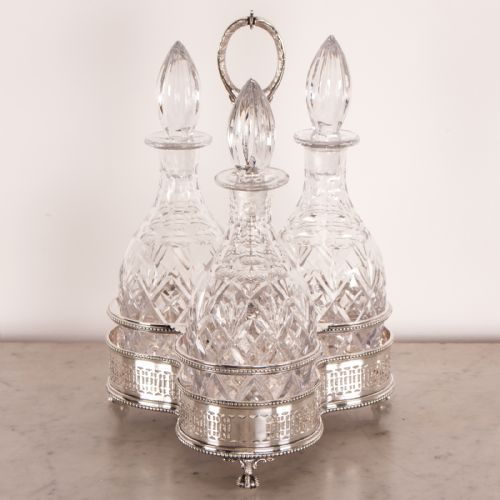
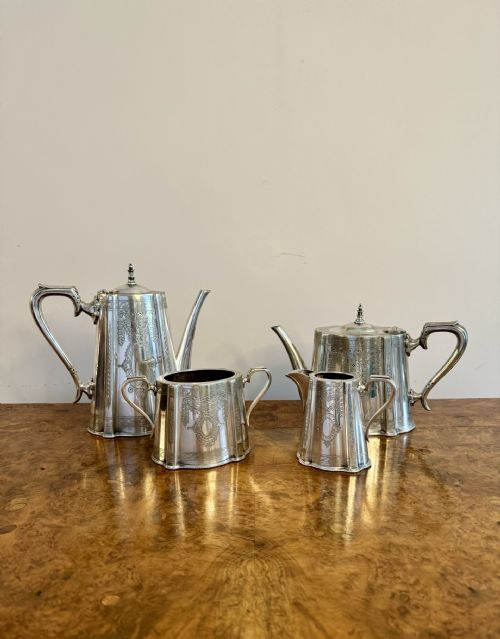
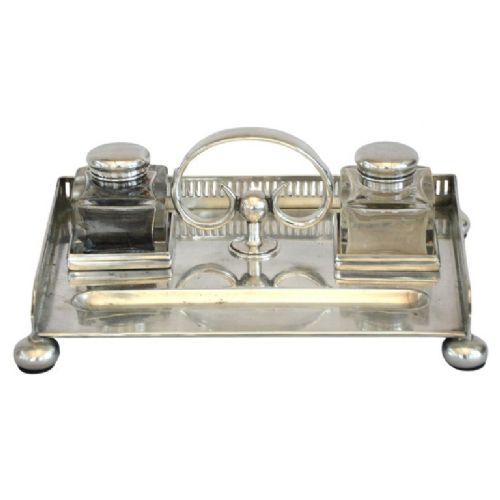
When searching for walker hall silver plate, buyers encounter a diverse range of domestic metalware spanning the Victorian, Edwardian, and Art Deco periods. The selection encompasses tea sets, serving dishes, cocktail trays, and cruet sets produced by the notable Sheffield firm.
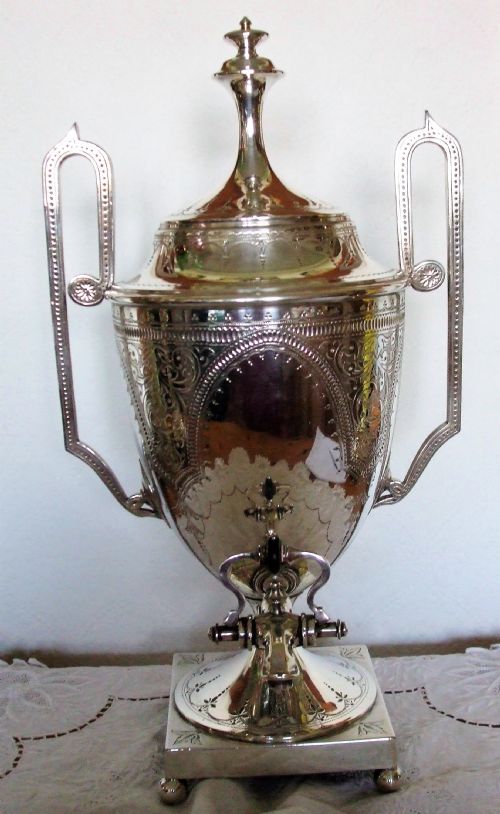
The most common forms on this page include tea urns, samovars, entree dishes, and cocktail trays dating from the mid-nineteenth century through to the 1930s. These items reflect the changing domestic habits of British households, moving from formal Victorian tea services to streamlined Art Deco barware.
How walker hall silver plate was made
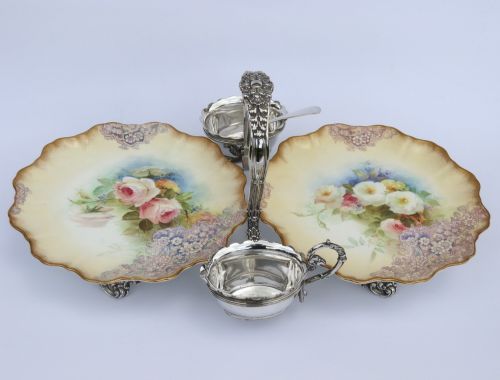
Makers utilised nickel silver or electroplated nickel silver as a base metal, applying a layer of silver via electroplating to create a durable domestic surface. Many items combine this metalwork with cut glass inserts, ceramic plates, or ebonised wood handles to provide contrast and utility.
Engraving and chasing techniques appear across serving dishes and trays, often featuring floral motifs or geometric patterns suited to the period. The integration of functional elements like taps on samovars and fitted bottle frames demonstrates precise mechanical assembly alongside metal deposition.
Some bygone picnic sets included silver plated asparagus tongs, proving that Victorians engineered a bespoke tool for every single vegetable on the plate.
What varies in quality in walker hall silver plate
The standard of execution depends heavily on the crispness of applied ornamentation and the integrity of the underlying metal structure. Heavier gauge metal bases provide greater resistance to denting and better longevity under regular use.
Distinction also lies in the completeness of fitted sets, such as matched cruet bottles or multi-piece tea services with original internal components intact. Superior examples retain uniform silver coverage across intricate joints and handles without thin spots revealing the base metal.
Walker and Hall
The Walker Hall Silver Plate Glossary
- Electroplated Nickel Silver
- A copper, nickel, and zinc alloy coated with a thin layer of pure silver through an electrolytic process. This material served as the primary foundation for most Sheffield manufactured hollowware from the mid-nineteenth century onwards.
- Samovar
- A large heated urn traditionally utilised for boiling water to make tea. Victorian and Edwardian examples often feature an internal heating core and a functional spigot at the base.
- Épergne
- A central table ornament designed for holding fruit, sweets, or flowers, typically featuring a central trumpet with branching smaller baskets. Walker & Hall combined silver plated frames with etched glass for these centrepieces.
- Tantalus
- A locking wooden or metal frame that holds decanters securely while displaying the contents within. The mechanism prevents guests from accessing the spirits without a key.
- Comport
- An ornamental raised dish or bowl mounted on a pedestal, used for serving fruit or dessert. These pieces frequently appear in late Victorian and Art Deco designs.
Walker Hall Silver Plate: Frequently Asked Questions
How do I clean walker hall silver plate?
Maintenance requires gentle washing with warm soapy water and a soft cloth to preserve the thin metallic layer. A specialised silver polish used sparingly prevents the removal of the plating over raised decorative edges.
Avoid abrasive pastes and harsh chemical dips that strip the underlying deposition. Proper drying immediately after washing prevents water spots from forming on the finished surface.
Were these tea sets used daily?
Many of these multi-piece tea services saw regular service in middle and upper class British households during the Victorian and Edwardian eras. The durable electroplated nickel silver construction allowed them to withstand frequent handling and washing.
Complete sets often show varying degrees of use on the interior surfaces of teapots and sugar basins. This domestic history accounts for the survival of matching trays, cream jugs, and sugar bowls together.
What is a bachelor cruet set?
A bachelor cruet set is a smaller, compact condiment holder designed for individual use or small households. These miniature frames typically contain essential bottles for mustard, pepper, and vinegar.
They offer the same craftsmanship as larger dining table sets but scaled down for intimate dining arrangements. Collectors value them for their charming proportions and completeness.
How do I identify Art Deco pieces?
Art Deco items from this maker feature geometric lines, stepped motifs, and streamlined surfaces distinct from earlier floral ornamentation. Cocktail shakers, trays, and pedestal bowls from the 1920s and 1930s embody this modern aesthetic.
The forms prioritise symmetry and functional minimalism over the ornate detailing found on Victorian and Edwardian examples. Stamped hallmarks and maker marks help confirm the production era.