




Antique Asian Storage Boxes
Antique asian storage boxes bring together centuries of craftsmanship, offering practical depth and distinct regional character for the home.
Antique Asian Storage Boxes
When you search for antique asian storage boxes, you encounter a diverse array of trunks, blanket boxes, coffers and decorative containers originating from China, Japan, India and beyond. These items serve as functional receptacles that double as striking focal points in contemporary interiors.
The selections span multiple centuries, with nineteenth-century examples and early twentieth-century pieces appearing frequently alongside occasional eighteenth-century finds. You are most likely to meet camphor wood trunks, elm chests and lacquered boxes reflecting traditional regional designs.
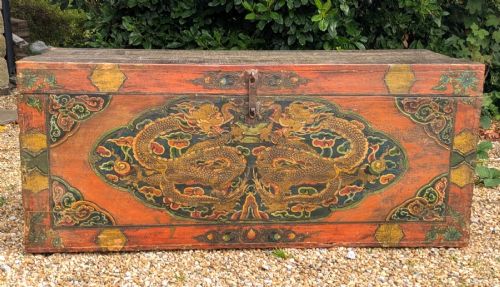
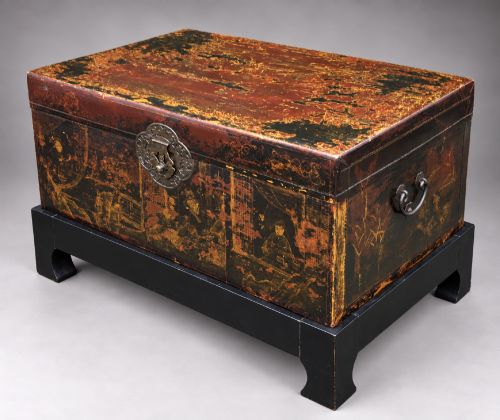
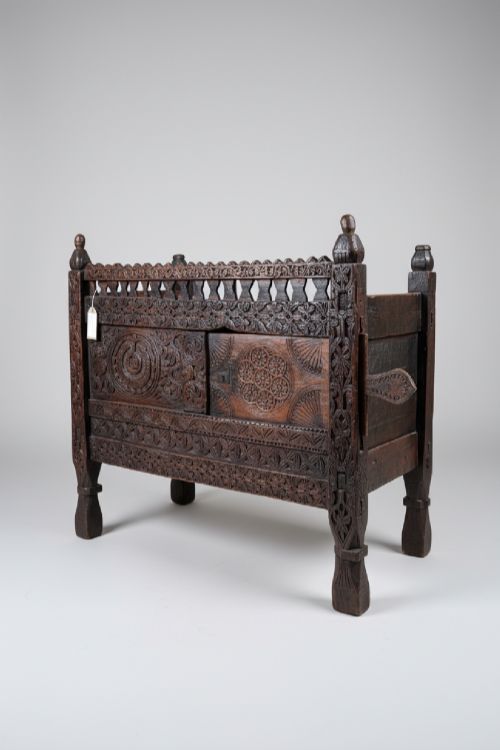
Forms range from large dowry chests and marriage cabinets to compact table-top chests, travelling boxes and tiered baskets. Each object carries the specific utility and aesthetic of its place of origin, from Swat Valley folk art to Chinese export work.
Materials and Construction Methods
Carpenters and artisans relied on native timbers such as aromatic camphor wood, resilient elm, heavy hardwood and general timber to build durable frames. Camphor wood was particularly prized for keeping textiles safe, while elm and various hardwoods provided structural longevity for larger coffers and bandaji chests.
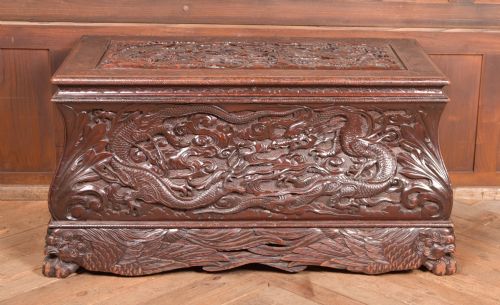
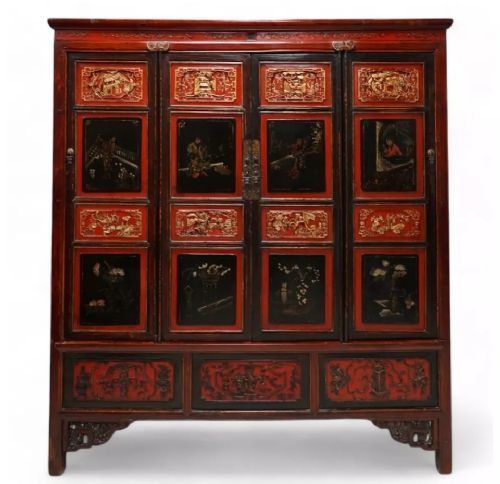
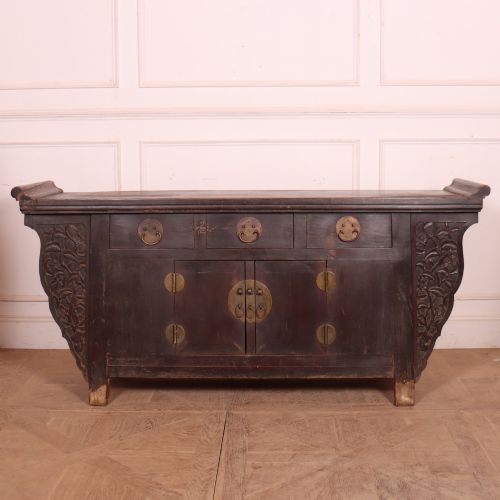
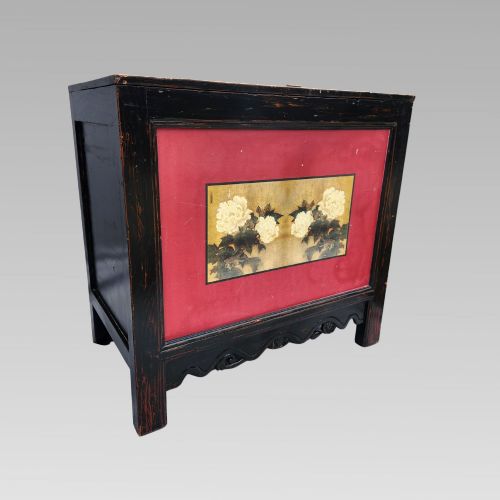
Surfaces often received meticulous treatments, including layers of red or black lacquer, hand-painted details, and intricate hand-carving depicting floral and figurative motifs. Metal elements such as brass coverings, iron mounts and silver inlay added both structural reinforcement and decorative contrast.
Antique Asian Storage Boxes Retail Price Guide 2026
Typical asking prices for asian storage boxes among the pieces listed under this phrase on Sellingantiques today, from the lower quarter to the upper quarter. They describe what is for sale here now, not the wider market.
The documented forms include wedding cabinets, table-top chests, travelling boxes, rice carriers, and tiered dowry baskets.
Distinguishing Quality and Execution
The standard of carving and surface decoration sets exceptional examples apart from simpler utilitarian pieces. Deep, crisp hand-carving on camphor wood and expertly applied layers of lacquer indicate superior workshop production.
Hardware integration also defines grade, with flush-fitting brass, secure metal mounts and mother-of-pearl inlay demonstrating elevated craftsmanship. The integrity of the timber joints and the preservation of original hand-painted finishes further distinguish finer specimens.
The Antique Asian Storage Boxes Glossary
- Bandaji
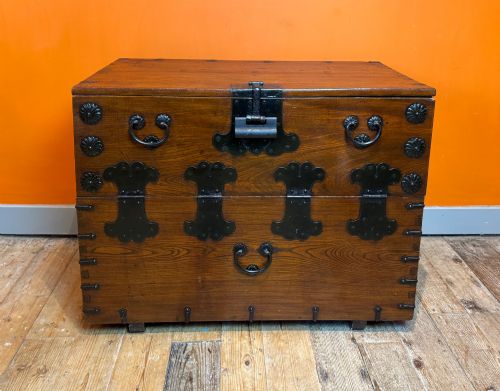
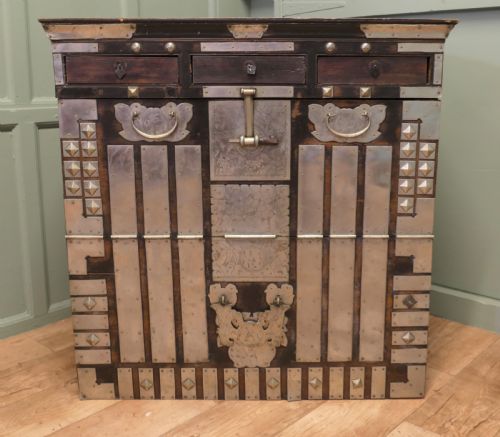
- A traditional Korean storage chest constructed with prominent metal hardware and strapwork. These pieces typically feature hinged doors opening to reveal internal compartments.
- Lacquer
- A durable protective and decorative finish applied in multiple layers to wood or pig skin surfaces. It creates a smooth, lustrous sheen that often accepts hand-painted or gilt ornamentation.
- Coffer
- A heavy, deep chest traditionally used for safekeeping valuables and precious documents. Eighteenth and nineteenth-century examples frequently employ robust timbers like elm or hardwood.
- Chinoiserie
- European-derived artistic interpretations of Chinese and Asian design motifs. This style appears on various nineteenth-century and early twentieth-century trunks and boxes.
Antique Asian Storage Boxes: Frequently Asked Questions
What were antique asian storage boxes used for?
These boxes and chests served practical domestic functions, including storing heavy blankets, garments, dowry items and travelling provisions. Many were built specifically to protect textiles from humidity and insects.
Larger coffers and dowry chests held valuable household goods, while smaller compartments organised delicate personal belongings or ritual items like betal nut.
How do I care for a lacquered chest?
Keep lacquered surfaces away from direct sunlight and excessive heat sources to prevent the finish from drying out or cracking. Dust gently with a dry, soft cloth.
Avoid using harsh chemical polishes, abrasive cleaners or damp cloths that might compromise the integrity of old lacquer or hand-painted details.
Where do camphor wood trunks originate?
Camphor wood trunks in these collections originate primarily from various regions in China. The aromatic timber grew locally and was favored by makers for practical furniture.
Export workshops also produced carved camphor chests for international trade during the nineteenth and early twentieth centuries.
How do I distinguish regional styles?
Regional styles reveal themselves through timber choices, hardware placement and surface art. For instance, Korean Bandaji chests display distinct geometric iron strapwork.
Chinese pieces often incorporate carved floral reliefs or red lacquer, whereas Japanese tansu or decorative boxes feature characteristic joinery and metal fittings.