



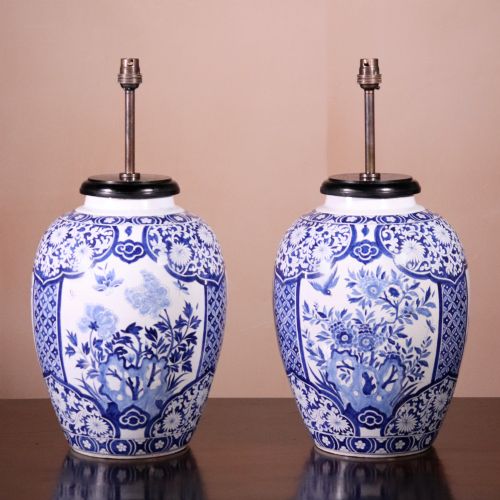
Antique Asian Lighting
These antique asian lighting pieces combine Eastern decorative arts with period British and European interiors through converted vases, bronzes, and lacquered standards.
Antique Asian Lighting
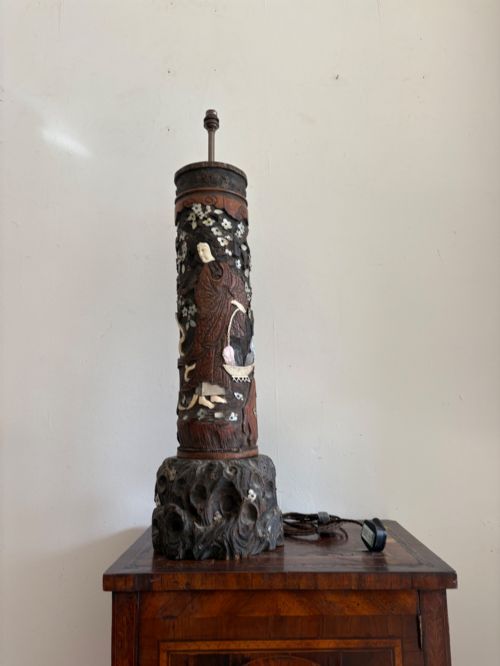
When you search for antique asian lighting, you encounter a distinct cross-cultural category comprising objects made in Asia during the nineteenth and early twentieth centuries, alongside British interpretations of Eastern aesthetics. The selection here leans heavily towards table lamps and standard lamps created by converting earlier ceramic vessels, bronzes, and carved wooden objects for electrical use.
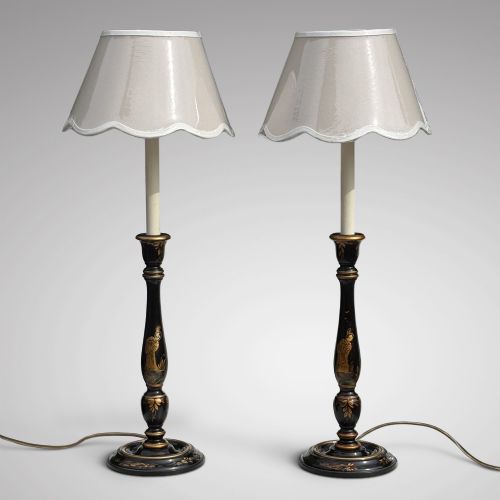
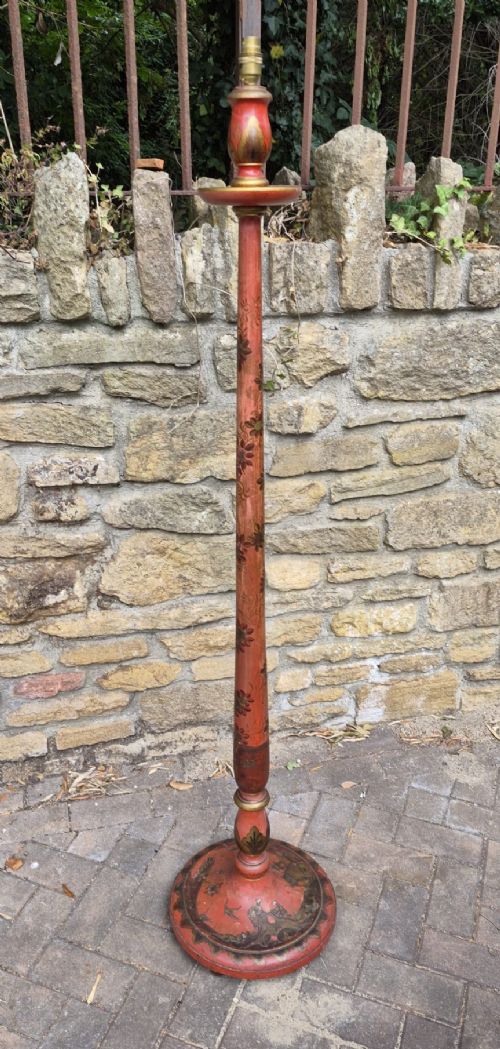
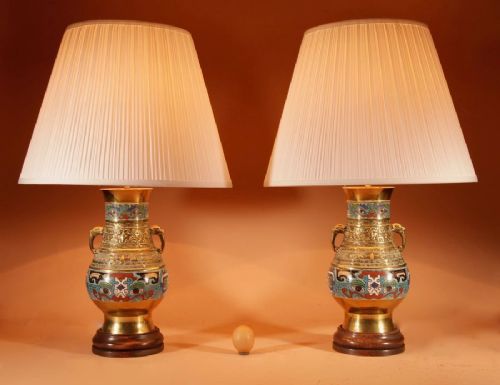
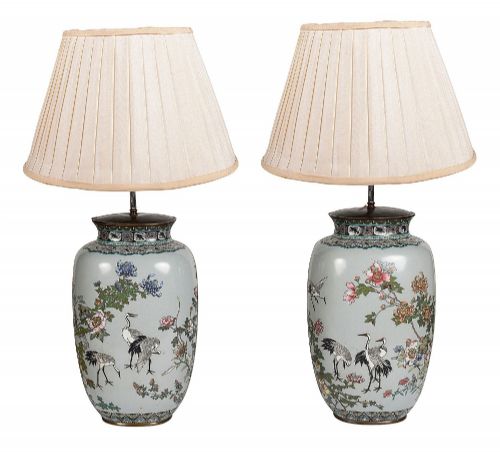
Many examples stem from the Meiji period in Japan and the Qing dynasty in China, capturing decorative traditions such as Satsuma pottery, champleve enamel, and cloisonne. Alongside these imported vases and lanterns, you find domestic pieces executed in a Chinoiserie style during the Edwardian era and the nineteen-twenties, utilising red lacquer and fabric shades.
Form follows function across table lamps, floor standards, and occasional candlesticks that bring tactile warmth to a room. Buyers select these items to introduce rich textures, patinated metals, and hand-painted ceramics into traditional or eclectic interior schemes.
How they were made
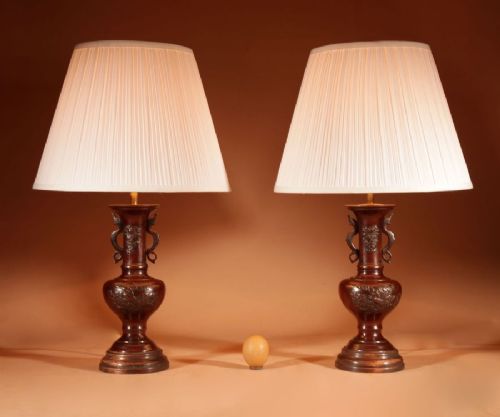
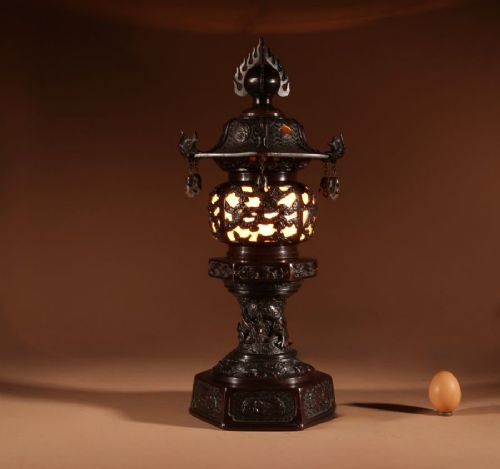
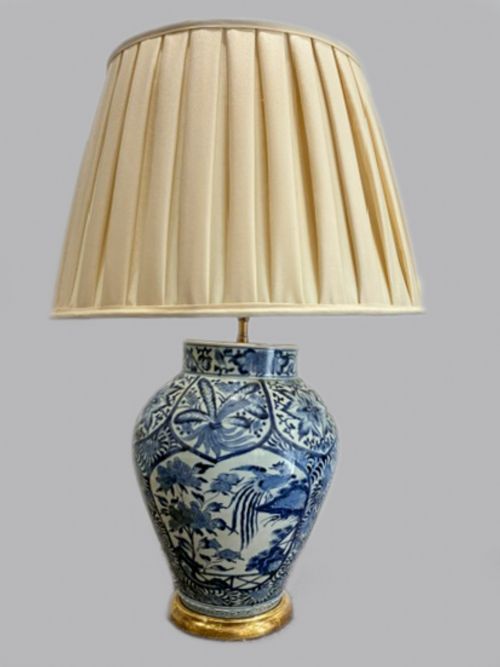
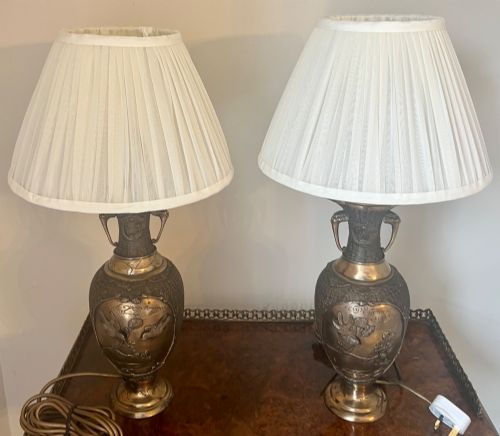
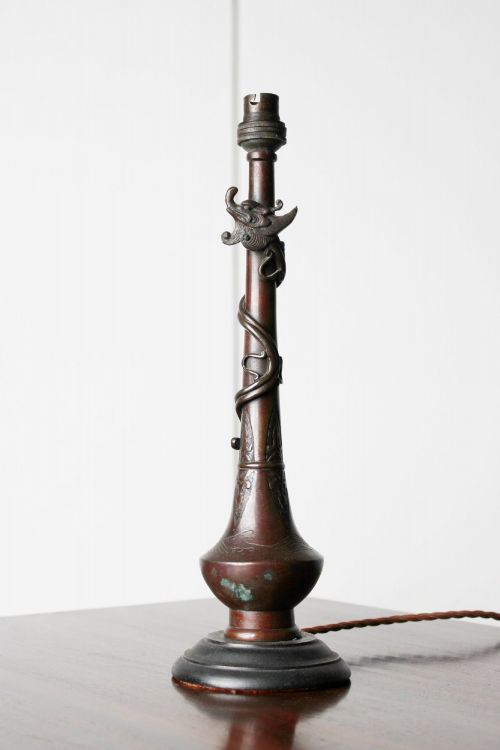
Craftsmen utilised heavy metals including bronze and brass to cast detailed figures, dragons, and lantern bases, often applying champleve or cloisonne enamel work to create coloured geometric and floral patterns. Ceramic vessels in porcelain, celadon, and blue and white glaze formed another primary medium, subsequently drilled or fitted for wiring during conversion.
Woodworking traditions appear in carved root wood, turned hardwood, and lacquered standards finished with decorative Chinoiserie motifs. Artisans also incorporated mother-of-pearl inlay and fabric elements to complete standard lamps and table pieces.
Antique Asian Lighting Retail Price Guide 2026
Typical asking prices for asian lighting among the pieces listed under this phrase on Sellingantiques today, from the lower quarter to the upper quarter. They describe what is for sale here now, not the wider market.
A ceremonial copper horn from Tibet finds a second life illuminating a modern corner.
What varies in quality
Quality rests on the integrity of the original object prior to its conversion into a lamp, distinguishing purpose-made or high-status vessels from ordinary decorative wares. Finely chased bronzes, crisp enamel work, and well-preserved lacquered surfaces command greater attention than mass-produced later adaptations.
The balance of the proportion and the subtlety of the conversion dictate how successfully the piece sits in a room. Superior examples retain their original patination and mountings without excessive alteration to the primary body.
The Antique Asian Lighting Glossary
- Cloisonne
- A decorative metalwork technique where thin wire creates compartments filled with enamel paste before firing. This method produces vibrant surface patterns seen on many vase lamps.
- Champleve
- An enamelling process where troughs are dug into a metal surface to hold coloured glass paste. It differs from cloisonne by sinking the design directly into the bronze or brass base.
- Satsuma
- A type of Japanese earthenware featuring a crackled creamy glaze decorated with polychrome enamels and gilt. These ceramics frequently appear converted into table lamps.
- Meiji Period
- The era in Japanese history spanning from eighteen sixty-eight to nineteen twelve, marked by intense artistic production for export. Pieces from this time often display exceptional metalcasting and ceramic detail.
- Chinoiserie
- European decorative style reflecting Chinese artistic influences, popular during the Victorian and Edwardian periods. It relies on lacquered finishes and painted motifs.
Antique Asian Lighting: Frequently Asked Questions
Are these lamps originally wired for electricity?
Most of these pieces started life as vases, bronzes, candlesticks, or temple lanterns before being converted for electrical use at a later date. This adaptation typically occurred during the twentieth century to accommodate modern domestic requirements.
Buyers should inspect the wiring arrangements upon acquisition, as older conversions often require updating to meet current safety standards while preserving the antique body.
How do I distinguish Meiji period bronzes?
Meiji period bronzes date from eighteen sixty-eight to nineteen twelve and generally display heavy casting, deep patination, and intricate surface detailing such as dragons or elephants. Artisans of this era achieved remarkable realism and textural contrast in their metalwork.
Examining the underside and the handling wear helps confirm the age and origin of these sculptural lamp bases.
Where should I place a standard lamp?
Standard lamps and floor standards suit corners of reception rooms or beside reading chairs where they cast ambient light downward. Tall wooden Chinoiserie standards or Tibetan copper horns provide vertical visual weight.
Ensure the height of the standard aligns with your ceiling proportions and existing furniture scale.
How do I care for lacquered surfaces?
Lacquered Chinoiserie surfaces require gentle dusting with a soft, dry cloth to protect the delicate finish from abrasion. Avoid chemical cleaners and direct sunlight, which can fade red lacquer over time.
Maintaining a stable room humidity prevents the underlying wood or base material from expanding and cracking the finish.