







Antique Asian Furniture
These pieces of antique asian furniture bring centuries of regional craftsmanship and distinctive surface finishes into domestic spaces.
Antique Asian Furniture
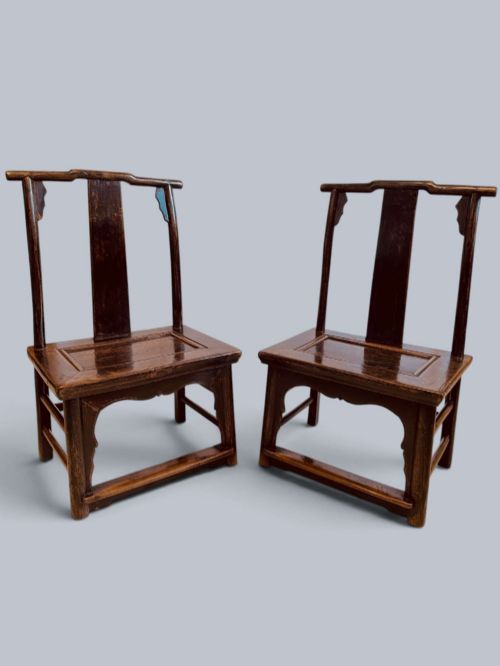
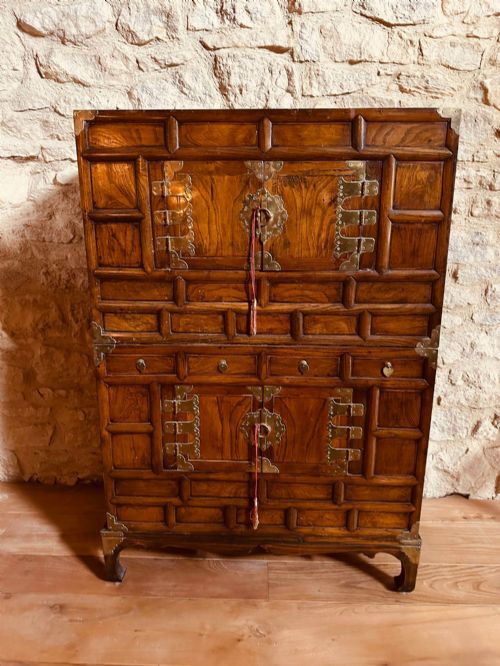
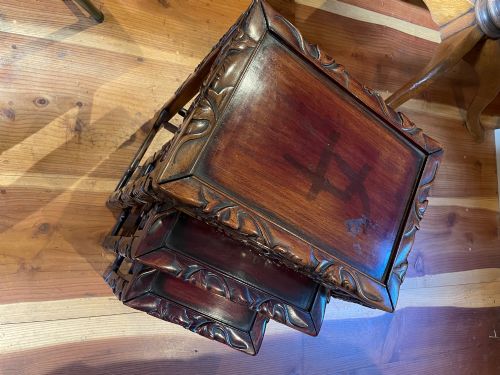
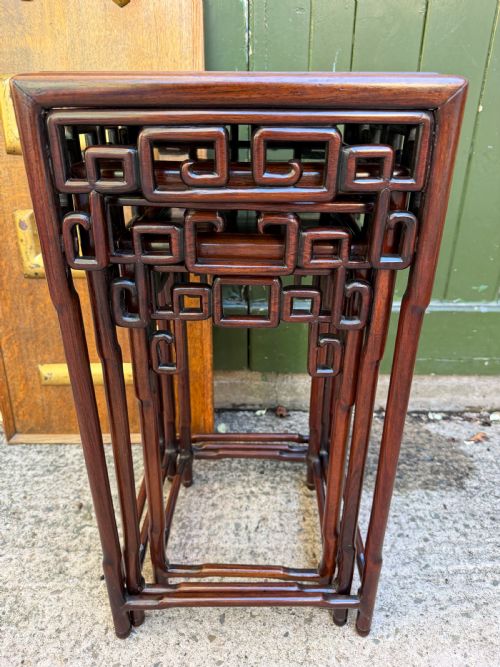
When searching for antique asian furniture, buyers encounter a diverse selection of storage cabinets, seating and low tables originating from the nineteenth and early twentieth centuries. The inventory spans regional workshops across China, Japan and Korea, offering everything from large wedding cabinets and tansu chests to nests of tables and horseshoe-back armchairs.
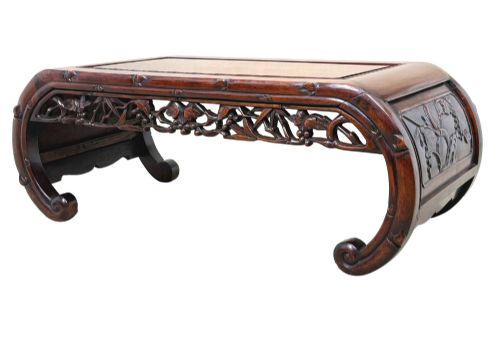
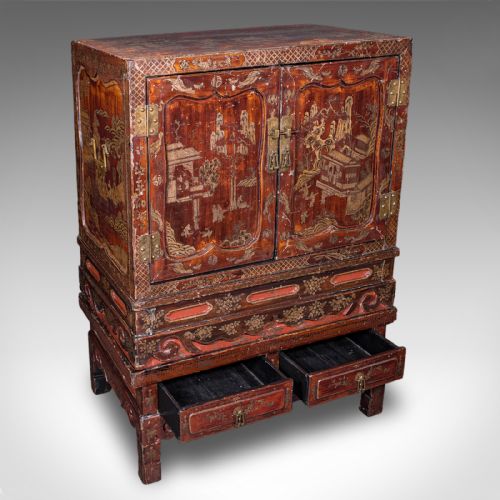
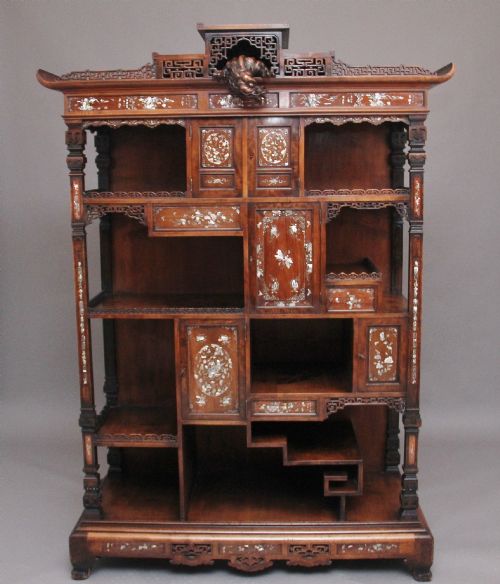
Cabinetry forms dominate the selection, including red and black lacquered wedding cupboards, apothecary medicine chests and display units. Seating ranges from carved benches and yoke-back armchairs to rustic elm stools, while smaller occasional surfaces include low tables, opium tables and altar tables.
The aesthetic bridges traditional provincial designs and formal court styles, incorporating periods such as the Qing Dynasty, Meiji Period and Taisho Period. Pieces often arrive with original painted surfaces, patinated iron hardware or brass mounts intact.
How they were made
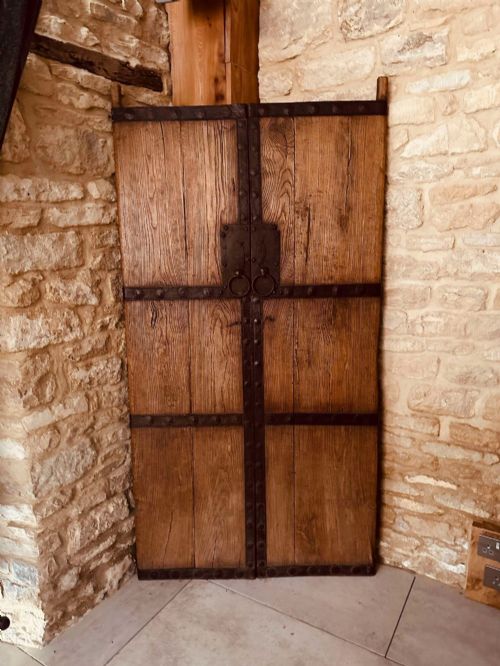
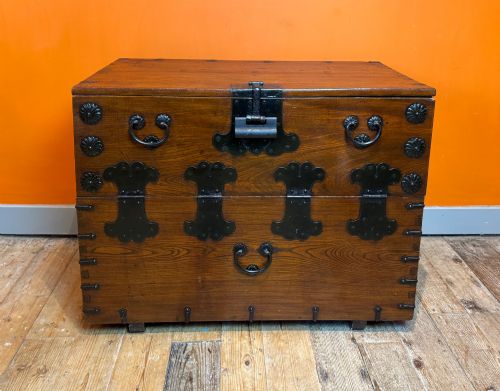
Construction relies heavily on native timbers such as elm, zelkova and dense hardwoods like rosewood and hongmu, joined using traditional cabinetry methods that accommodate wood movement without metal fasteners. Artisans shaped structural frames to support heavy domestic use, frequently incorporating brass or patinated iron hardware for hinges, lockplates and corner reinforcements.
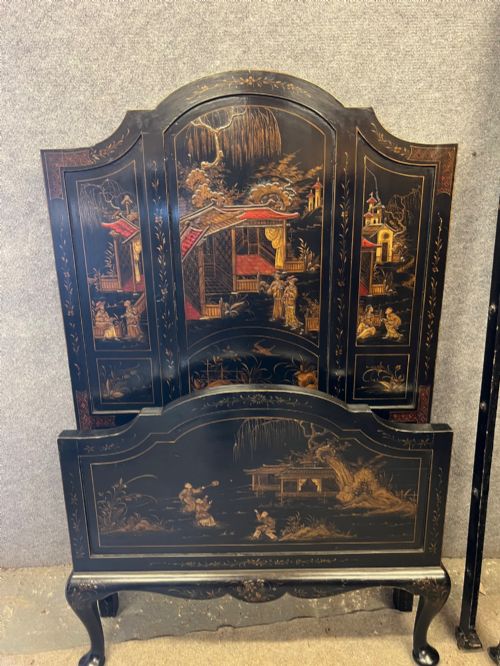
Surface decoration distinguishes many items through the application of multiple layers of red or black lacquer, sometimes paired with hand-painted floral motifs or gold and silver inlay work. Wood surfaces were finished to develop a deep natural patina over decades of handling, while specific regional pieces utilised carved cinnabar lacquer or detailed incised detailing.
Antique Asian Furniture Retail Price Guide 2026
Typical asking prices for asian furniture among the pieces listed under this phrase on Sellingantiques today, from the lower quarter to the upper quarter. They describe what is for sale here now, not the wider market.
Some cabinets hide secret compartments behind sliding panels, designed long ago for stashing family secrets or very small snacks.
What varies in quality
Quality separates along the lines of material selection and the integrity of the original surface finish, distinguishing work produced for daily utilitarian use from pieces commissioned for elite households. Hardwood construction in dense rosewood or hongmu indicates superior structural longevity compared to simpler secondary timbers, while the depth and preservation of original lacquer or hand-painted decoration dictate visual appeal.
The preservation of original hardware, such as brass lockplates and iron mounts, contributes significantly to a piece's integrity. Proportion, joinery tightness and the subtlety of carved relief work further divide standard provincial examples from masterworks originating from major period workshops.
The Antique Asian Furniture Glossary
- Lacquer
- A durable finish applied in multiple coats using natural resin, often pigmented red or black. It protects the underlying wood while providing a smooth canvas for painted or carved decoration.
- Tansu
- A traditional Japanese mobile storage chest built with substantial metal hardware. These units were designed for domestic utility and often feature modular compartments.
- Hongmu
- A dense tropical hardwood prized in Chinese furniture production for its weight and rich grain. It translates literally as red wood.
- Altar table
- A long, narrow surface traditionally positioned against a wall for ceremonial use. These tables feature elevated ends and refined joinery.
- Yoke-back armchair
- A distinct seating form featuring a top rail curving outward like an ox yoke. This design supports an upright posture while offering balanced arm placement.
Antique Asian Furniture: Frequently Asked Questions
How do I clean antique lacquer?
Dust surfaces regularly with a soft, dry microfibre cloth to prevent particulate accumulation. Avoid abrasive cleaners, chemical polishes or excessive moisture that can compromise brittle finishes.
For stubborn marks, a damp cloth with mild soap can be used sparingly before drying immediately. Preserving the original sheen relies on gentle maintenance rather than heavy restoration.
Where should I place a tansu chest?
These modular storage units function well as focal points in living areas or bedrooms where their hardware provides strong visual contrast. Their compartments offer practical organisation for smaller items while maintaining a low profile.
Keep pieces away from direct heat sources and strong sunlight to protect the timber and metal mountings from environmental stress.
Are wedding cabinets practical for storage?
Large cabinets provide substantial enclosed volume behind hinged doors, making them suitable for contemporary clothing or linen storage. Internal shelving and hanging space can be adapted carefully without altering the exterior structure.
Ensure floors are level before loading heavy items into tall cupboards to maintain door alignment and frame stability.
How do I identify Qing Dynasty pieces?
Look for characteristic construction markers such as traditional joinery, dense hardwood frames and specific hardware configurations. Stylistic details often follow formal court traditions or distinct regional provincial aesthetics.
Documentation of period materials like hongmu or specific lacquer techniques helps confirm the era of manufacture alongside patination patterns.