

Antique Asian Boxes
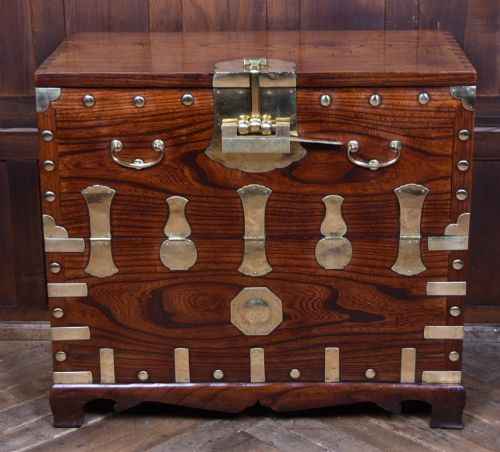
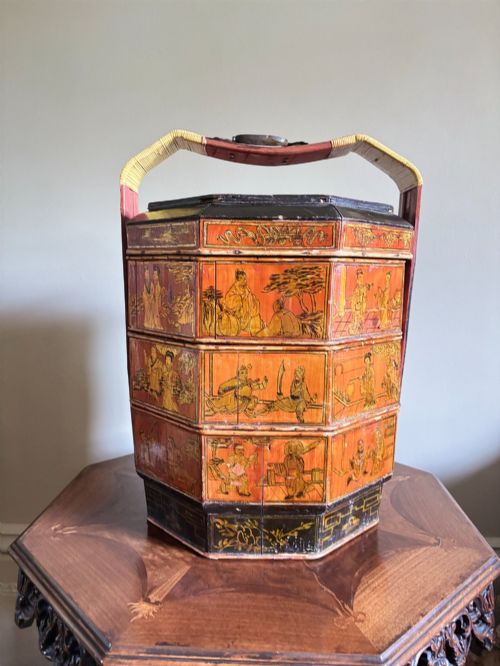
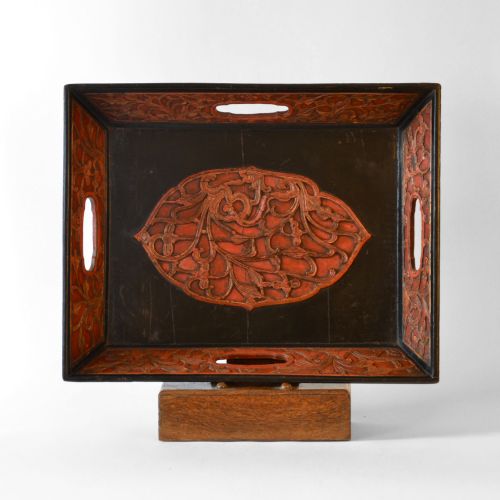
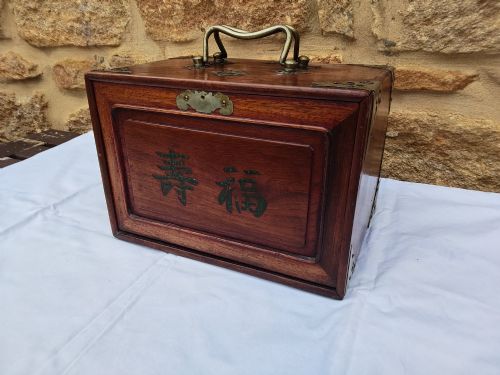
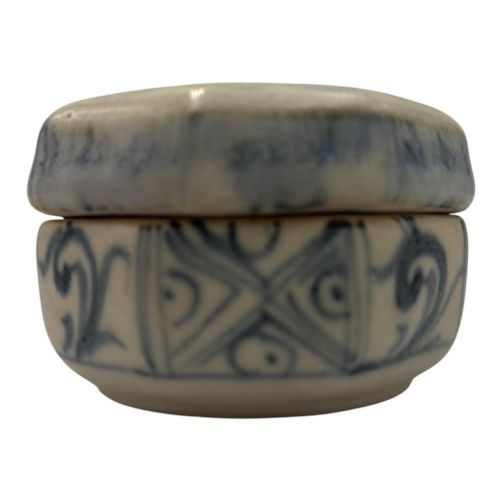
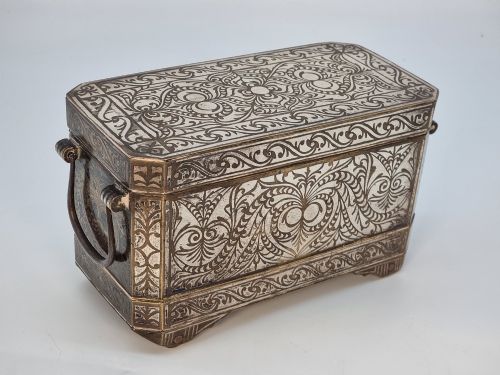
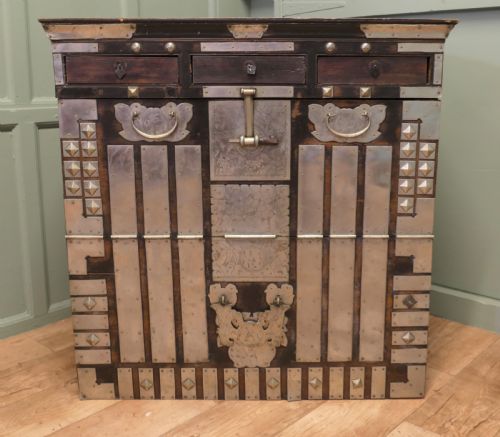
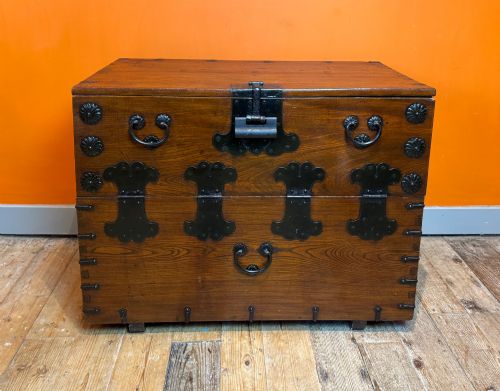
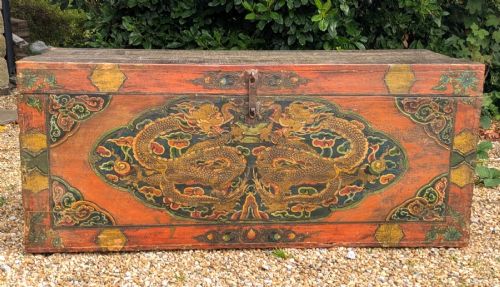
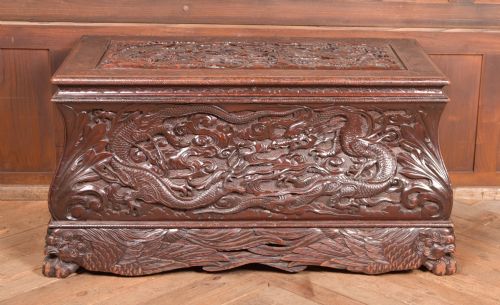
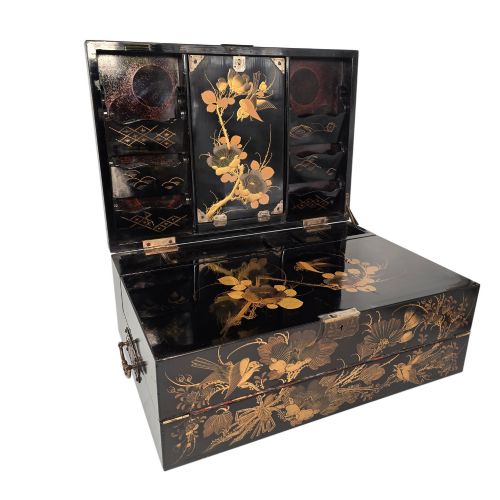
These antique asian boxes range from delicate lacquer storage to heavy camphorwood trunks.
Antique Asian Boxes
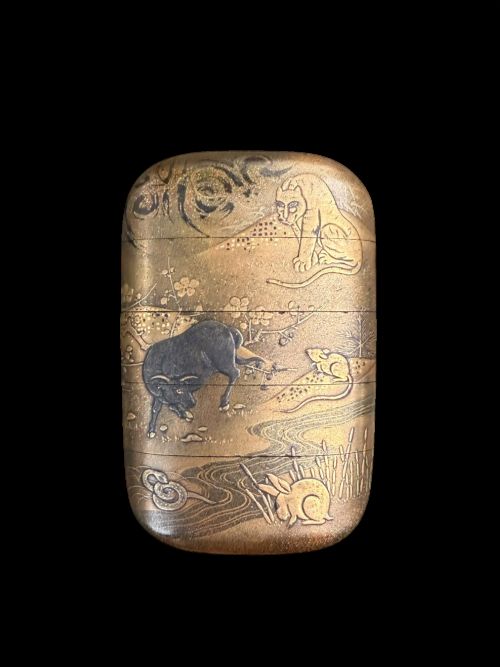
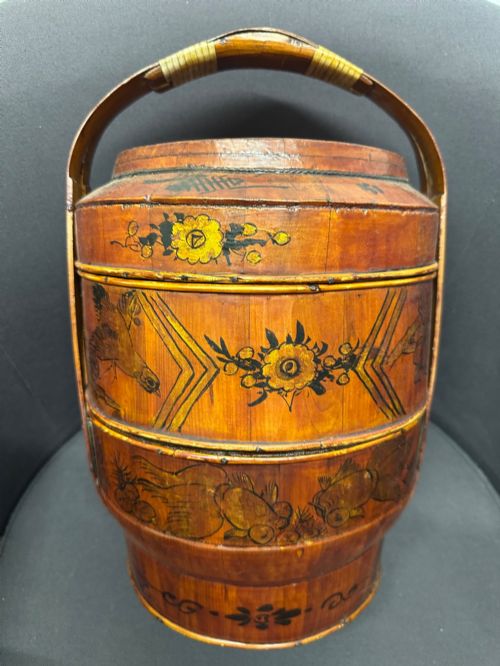
When you search for antique asian boxes, you encounter an array of vessels designed for practical containment and ceremonial use across different regions and centuries. The selection spans compact items such as snuff boxes, inro, and tea caddies to substantial blanket chests, marriage cabinets, and dowry baskets.
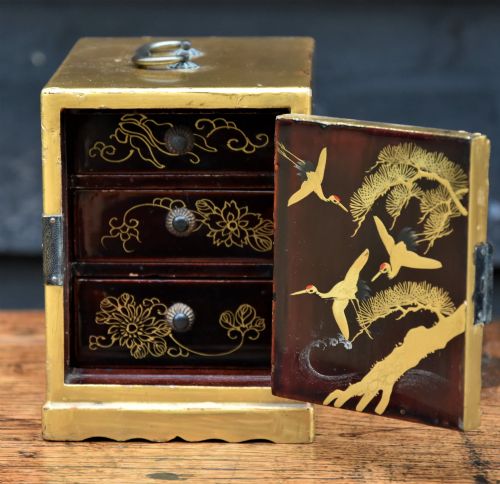
The 19th century forms the core of the current offerings, alongside pieces from the 18th century, the Meiji and Edo periods, and the early 20th century. Traditional forms include Tibetan painted chests, Buddhist prayer box shrines, and Japanese table cabinets known as kodansu.
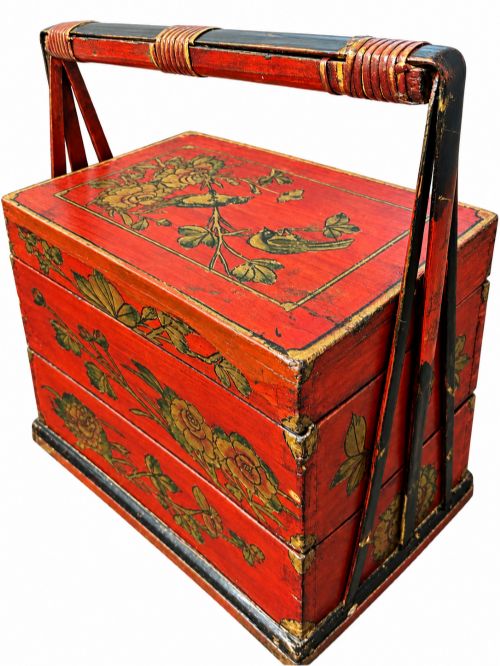
Buyers meet objects originating from China, Japan, Tibet, Vietnam, and India, reflecting diverse local customs, materials, and decorative traditions. Many items served specific household roles, from holding personal writing equipment to storing rice and wedding food.
How they were made
Wood serves as the primary structural medium, utilising native timbers such as camphor wood, rosewood, elm, and bamboo alongside various hardwoods. Artisans constructed carcasses to withstand daily use, frequently applying multiple layers of lacquer in black, red, or gilt finishes.
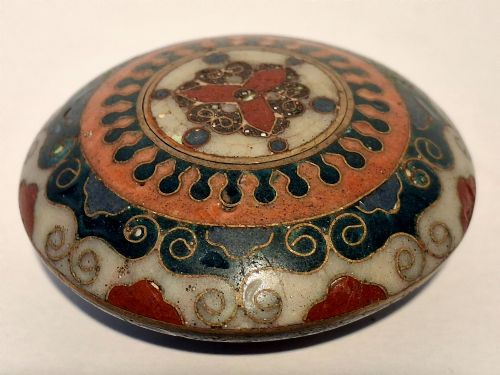
Metalwork provides essential reinforcement and ornamentation, incorporating brass, iron, bronze, and solid silver fittings, hinges, and locks. Certain boxes employ intricate surface treatments like cloisonne enamel, gold leaf application, and carved relief work in lacquer or wood.
Antique Asian Boxes Retail Price Guide 2026
Typical asking prices for asian boxes among the pieces listed under this phrase on Sellingantiques today, from the lower quarter to the upper quarter. They describe what is for sale here now, not the wider market.
Listings feature items from the 17th, 18th, 19th, and early 20th centuries, utilising wood, lacquer, brass, silver, and porcelain.
What varies in quality
The standard of craftsmanship shows in the precision of the joinery and the depth of surface decoration, particularly in carved lacquer and metal inlay. Superior examples display refined proportions and intact original finishes, whereas simpler utility pieces exhibit heavier wear and coarser construction.
Materials dictate upper tiers of execution, distinguishing solid rosewood or finely layered cinnabar from painted bamboo and softer woods. The complexity of hardware, from simple iron brackets to elaborate silver mountings, separates standard containers from high-status presentation objects.
The Antique Asian Boxes Glossary
- Inro
- A traditional Japanese multi-tiered case used for carrying small objects, suspended from a sash. These objects typically feature intricate lacquer work and are secured by a netsuke.
- Kodansu
- A small Japanese table cabinet fitted with multiple internal drawers and compartments. Such miniature cabinetry was often used for storing documents, seals, or valuables.
- Cloisonne
- A technique where enamel is applied to compartments delineated by thin metal strips welded to the vessel base. This method creates detailed colourful patterns on boxes and vessels.
- Tansu
- A traditional mobile Japanese storage chest constructed primarily of wood with iron hardware. These pieces served various domestic functions, from clothing storage to document keeping.
- Chinoiserie
- A European decorative style reflecting Chinese artistic influences, characterised by painted or lacquered motifs of figures, landscapes, and floral patterns.
Antique Asian Boxes: Frequently Asked Questions
What were antique asian boxes used for?
These vessels served diverse domestic, religious, and travel functions across Asian households. Smaller items held personal items such as tobacco, medicine, writing equipment, or money, while larger chests stored garments, blankets, and dowry goods.
Religious containers like Buddhist gau shrines held sacred amulets during travel. Other specialised carriers transported food for weddings or picnics.
How do I identify the period of a box?
Dating relies on examining the materials, construction methods, and stylistic motifs recorded in the piece. Pieces associated with the Edo or Meiji periods often display specific lacquer techniques and imperial Japanese aesthetics.
Qing dynasty or 19th-century Chinese examples show distinct regional wood choices and decorative carving styles. Examining the wear on the hardware and finishes also aids in establishing age.
How do I care for lacquered wood?
Lacquered surfaces require stable environmental conditions protected from direct sunlight and extreme humidity fluctuations. Dusting should be performed gently with a soft, dry cloth without chemical polishes.
Maintaining moderate indoor temperatures prevents the wood substrate from expanding and cracking the delicate lacquer layer above. Proper placement away from direct heat sources ensures the finish remains stable.
Are camphor wood boxes good for storage?
Camphor wood provides natural aromatic properties that repel insects, making these trunks traditional choices for storing textiles and garments. The dense hardwood offers a sturdy structure for long-term domestic utility.
These chests protect contents from dust while imparting a distinct scent to stored fabrics. Their robust construction suits the secure containment of household linens.