

Antique Artist Canvas
When you search for antique artist canvas, you encounter centuries of painting history recorded directly onto stretched woven fabric.
Antique Artist Canvas
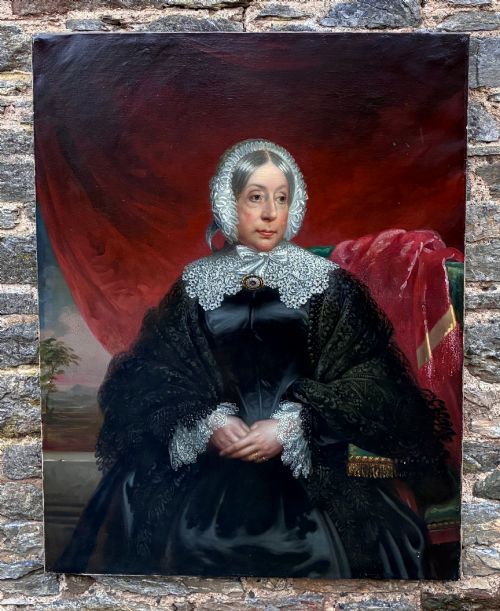
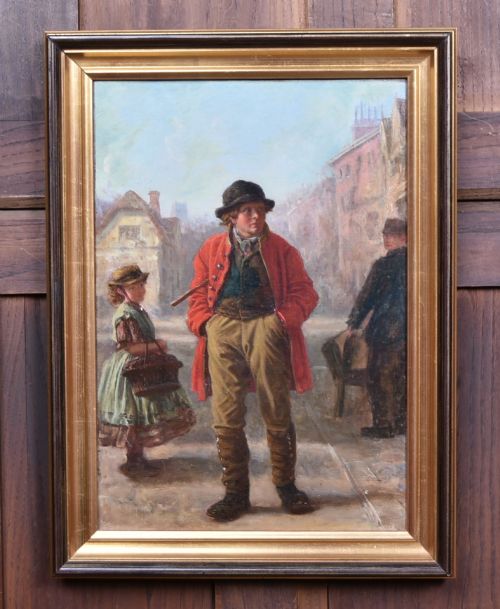
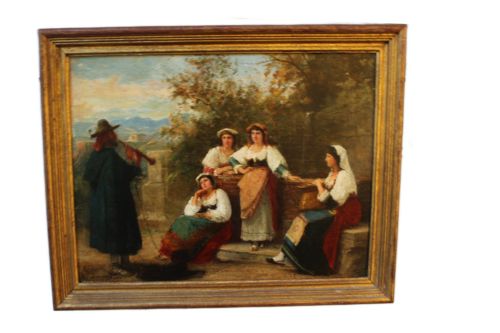
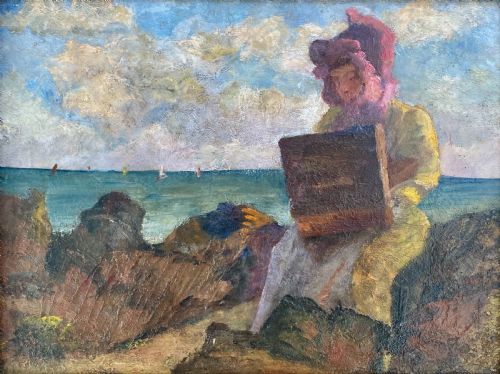
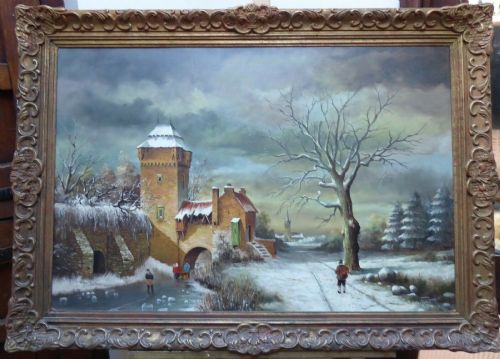
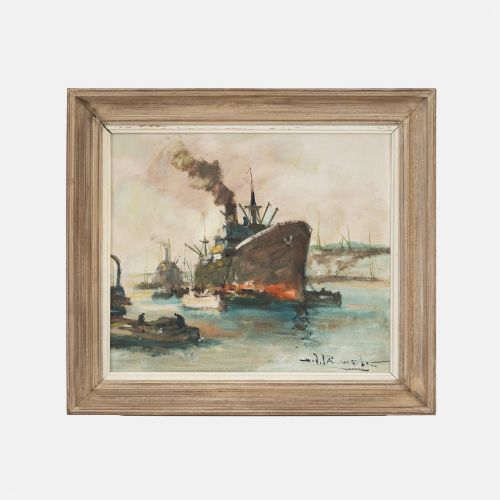
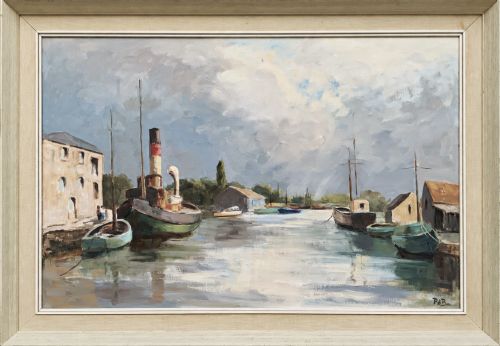
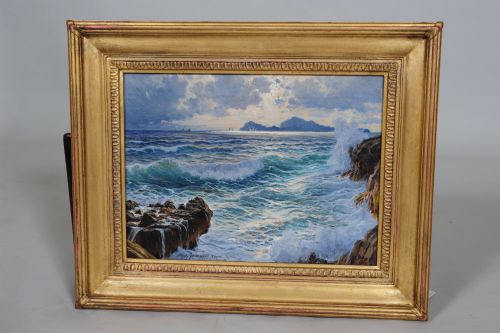
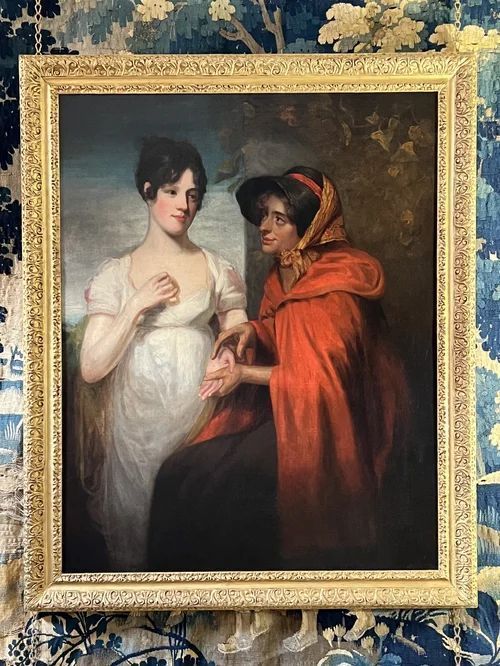
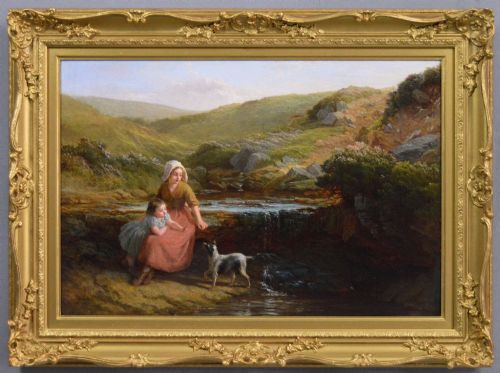
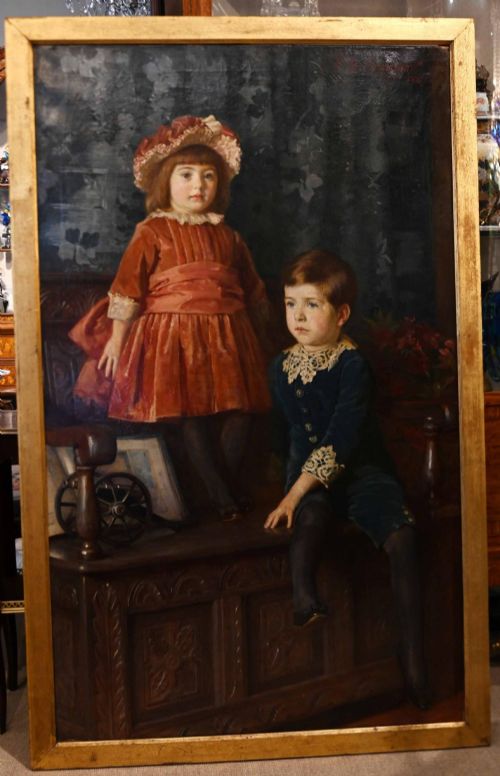
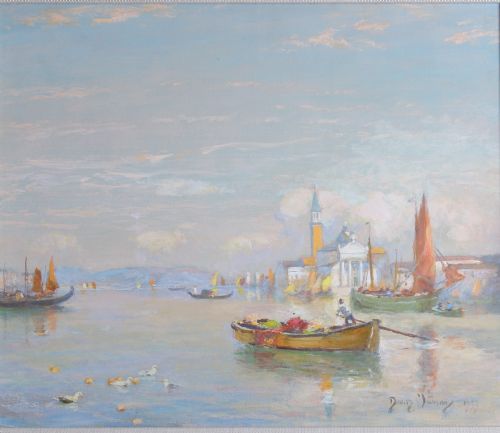
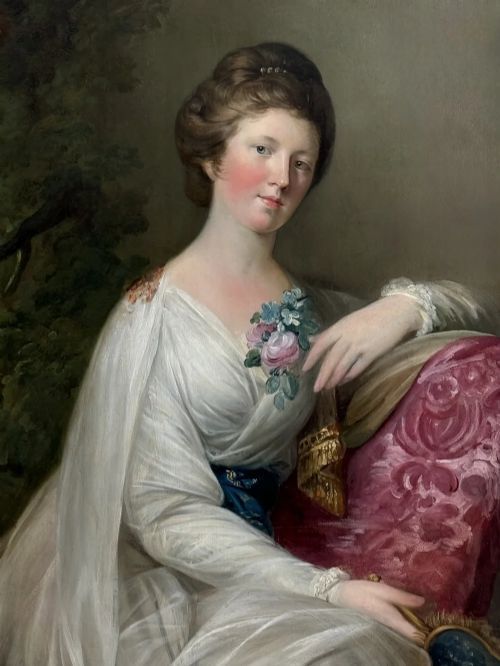
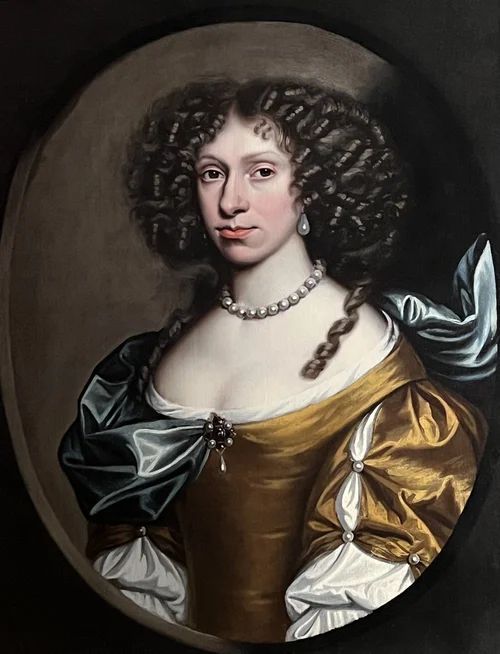
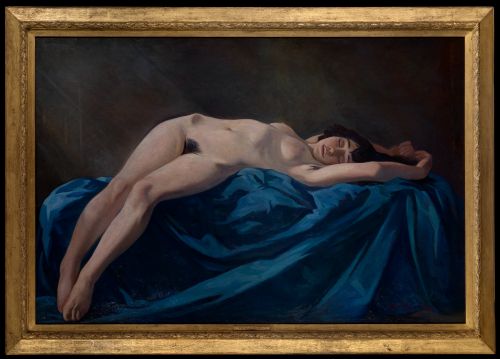
The term antique artist canvas refers to historic paintings executed on woven textile supports, encompassing oil paintings, fine art portraits, landscapes, and still life compositions. The selection on this page spans from the seventeenth century through the mid-twentieth century, capturing shifting aesthetic movements across Britain and continental Europe.
You will encounter works attributed to named academic painters as well as anonymous regional hands, often mounted in period frames of gilt wood or gesso. The subjects range from pastoral landscapes and marine views to intimate domestic scenes, animal studies, and self-portraits.
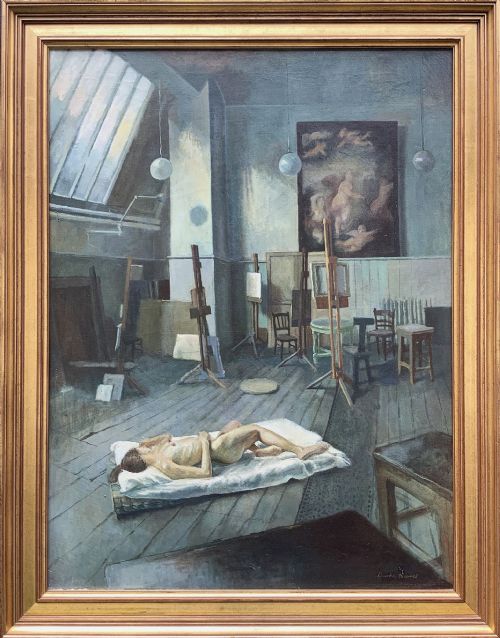
The physical form is typically a stretched woven fabric mounted on a wooden strainer or easel, occasionally accompanied by the large Montparnasse frames characteristic of mid-period studio practice. These objects function simultaneously as historic documents of artistic technique and as decorative wall art for domestic interiors.
How they were made
The primary material foundation combines a woven fabric support stretched across a wooden frame, prepared with gesso grounds before the application of oil paint. Pigments are layered directly onto the textured surface using brushes or palette knives, capturing the distinct touch of the painter.
Frames play a structural and aesthetic role, constructed from carved wood, gilt plaster, and gesso to house and protect the painted textile. The interaction between the oil medium, the absorbent ground, and the woven warp and weft defines the physical integrity of each surviving work.
Antique Artist Canvas Retail Price Guide 2026
Typical asking prices for artist canvas among the pieces listed under this phrase on Sellingantiques today, from the lower quarter to the upper quarter. They describe what is for sale here now, not the wider market.
Several canvases capture the domestic charm of the artist's own pets, including lapdogs, Persian kittens, and farmyard ducks.
What varies in quality
Quality resides in the precision of the brushwork, the depth of the tonal arrangement, and the confidence with which the artist handles light, shadow, and anatomy. A stronger piece demonstrates mastery over composition and colour harmony, whereas simpler works remain formulaic or stiff in execution.
The preservation of the original fabric, ground, and pigment layer also governs desirability. Works retaining their initial surface tension, stable paint layers, and period frames command greater respect among collectors than those burdened by heavy interventions or structural damage.
Douglas Cameron·Sir David Murray RA·Edward Holmes RBA·FS Beaumont·David Scougall·George Willison·John Opie RA·George Houston·Eric Robertson·Robert John Hammond·Carl Felkel·Robert Watson·John Macvicar Anderson·Charles James McCall·Florence Small·John Alfred Wheeler·Victor Simonin·Alexandre Le Bihan·Alexandre-Louis Martin·Florence Hess·George Vicat Cole·Claude Monet·Agnes Augusta Talboys·Frederick W Jackson·Ferruccio Vitale
The Antique Artist Canvas Glossary
- Canvas
- A heavy woven fabric, usually linen or cotton, used as a surface for oil painting. It is stretched tightly over a wooden frame before being primed and painted.
- Gesso
- A white paint mixture consisting of a binder mixed with chalk, gypsum, or pigment, used to prepare wood and canvas surfaces for painting.
- Gilt wood
- Wood that has been coated with a thin layer of gold leaf or gilt powder for decorative effect. It is commonly found on antique picture frames.
- Impressionism
- A nineteenth-century movement characterised by relatively small, thin, yet visible brush strokes and an emphasis on accurate depiction of light.
- Genre painting
- The pictorial representation in ordinary life of scenes or events from everyday life, such as markets, domestic interiors, and celebrations.
Antique Artist Canvas: Frequently Asked Questions
How do I identify the period of a canvas?
Dating relies on examining the style of the painting, the composition of the wooden stretcher frame behind the fabric, and the formulation of the gesso ground.
Signatures, artist registry records, and stylistic movements such as Impressionism or Realism also help narrow the decade of creation.
What subjects are most common?
Landscapes, portraits, and still life compositions dominate the historic output found on these supports.
Animals, marine scenes, and domestic genre studies also appear frequently across both British and European schools.
How should I care for an antique oil painting?
Keep the piece away from direct sunlight, high humidity, and extreme temperature fluctuations that could cause the canvas to warp or the oil paint to crack.
Dust the surface gently with a soft, dry brush and avoid using liquid cleaners or chemical solvents.
Are original frames important?
Period frames contribute significantly to the historical context and visual completeness of a work.
Gilt wood and gesso frames from the nineteenth or early twentieth century complement the aesthetic of the painting they enclose.