
Antique Art
Antique art spans centuries of creative output, bringing paintings, decorative objects, and period furnishings together for collectors.
Antique Art
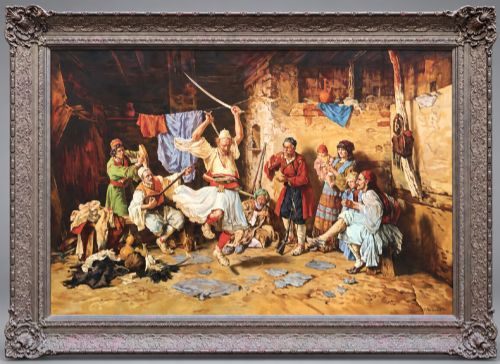
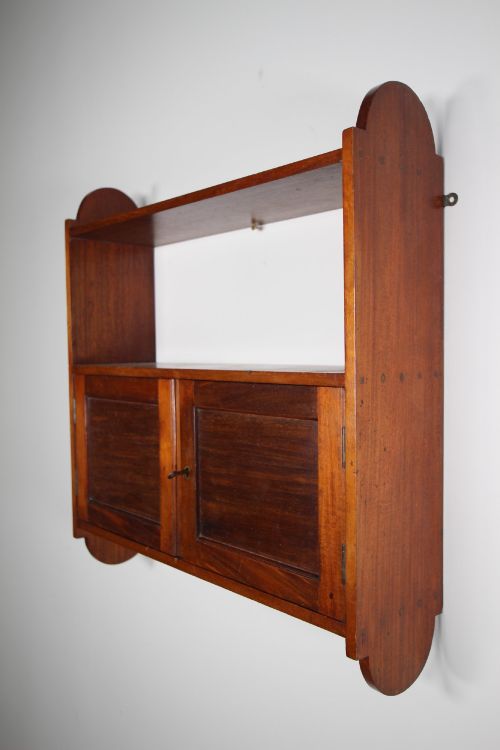
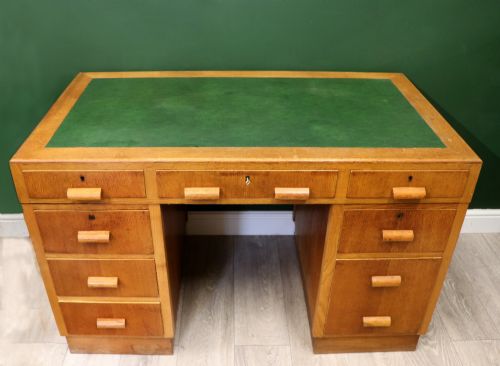
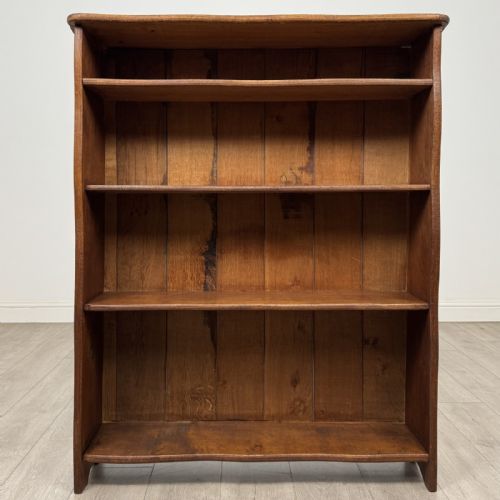
When searching for antique art, buyers encounter a diverse mix of oil paintings, watercolours, decorative objects, and period furniture spanning the nineteenth and early twentieth centuries. The selection ranges from Victorian oil paintings of dogs and portraits to Arts and Crafts oak sideboards and Art Deco brass fire screens.
Pieces from this category include Edwardian side tables, early twentieth-century decoy ducks, and painted enamel signs. Stylistic influences cross from Victorian traditionalism into Art Nouveau, Vienna Secession, and Art Deco movements.
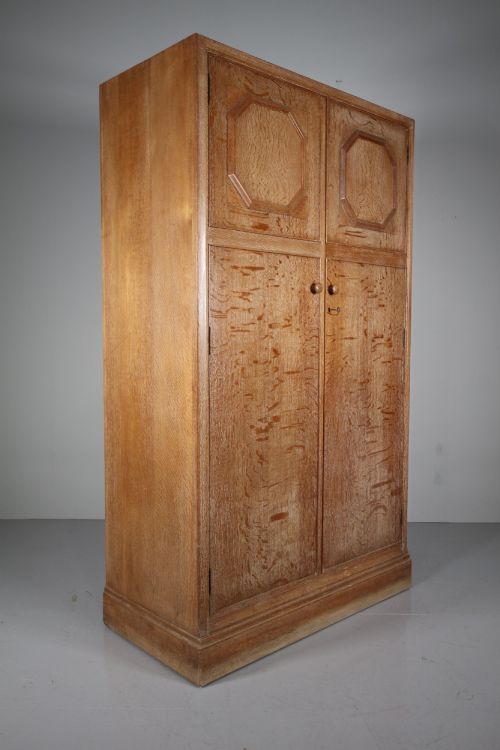
The most common finds on this page reflect utility combined with aesthetic design, such as oak wardrobes, occasional tables, and framed landscape watercolours. These items stem from European workshops and domestic makers operating between the nineteenth century and the nineteen-thirties.
Materials and construction
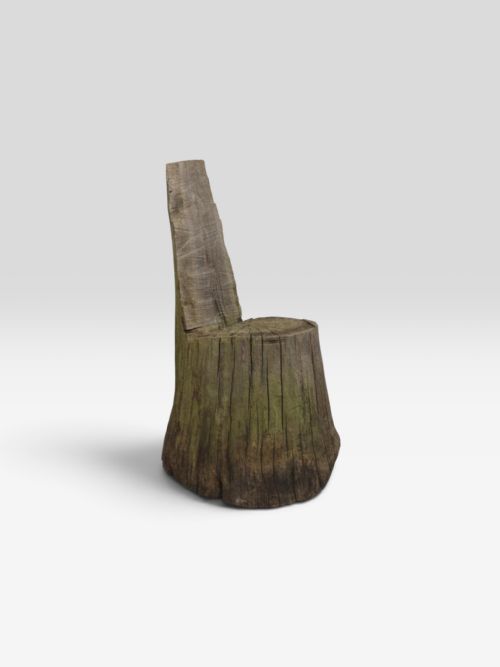
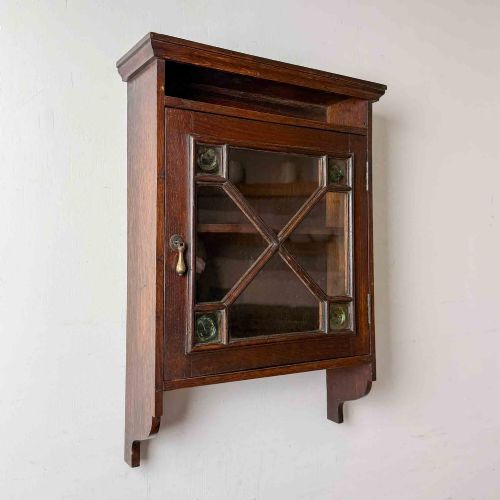
Makers utilised traditional timber such as oak, burr walnut, and giltwood for furniture frames, sideboards, and picture frames, applying carved detailing and polished finishes by hand. Canvases and paper supports received oil or watercolour paint from artists using regional European techniques.
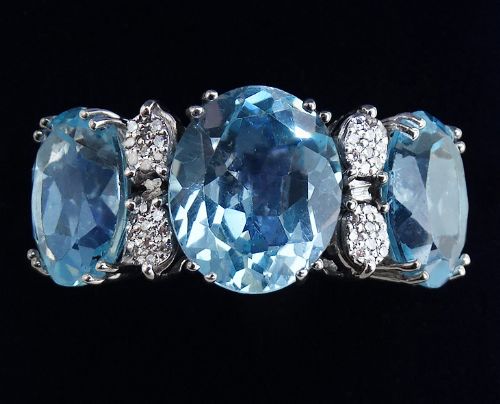
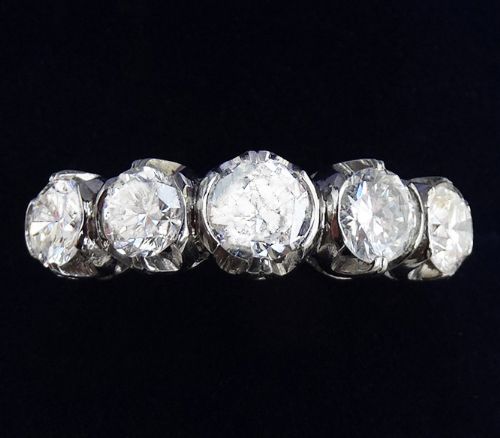
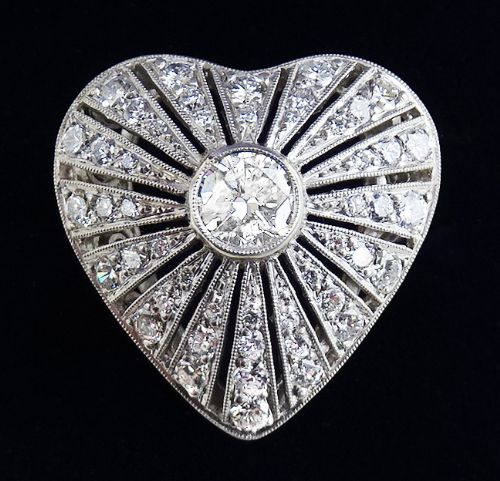
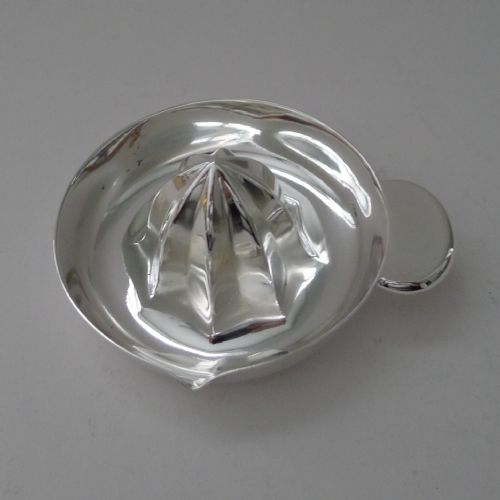
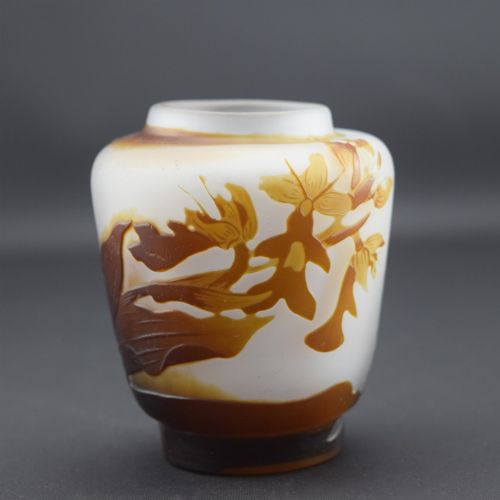
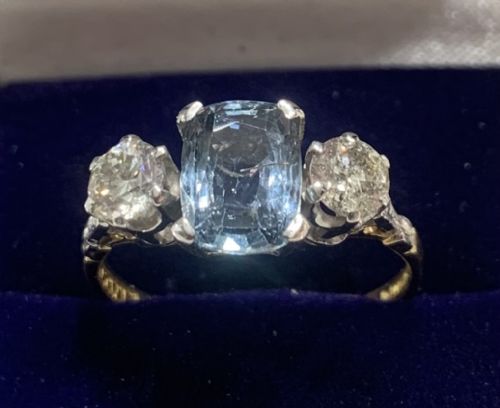
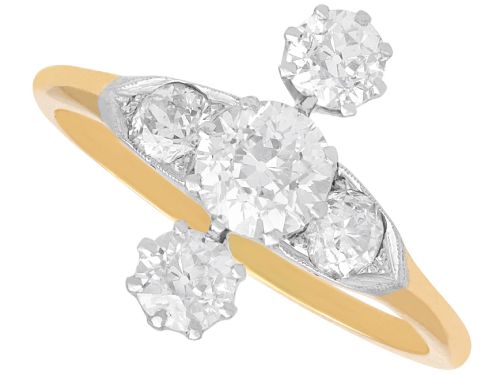
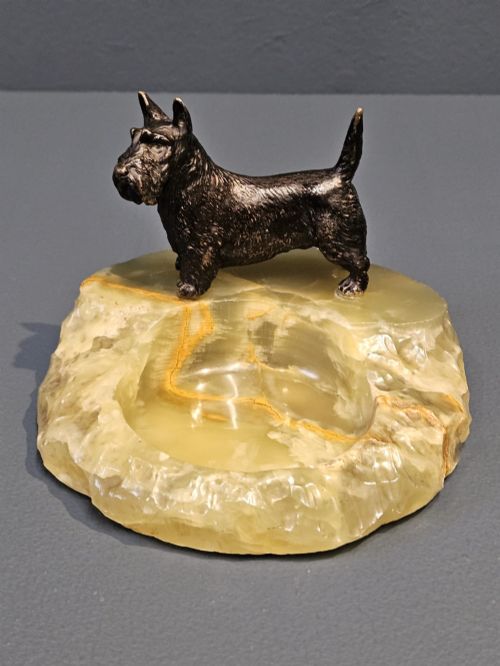
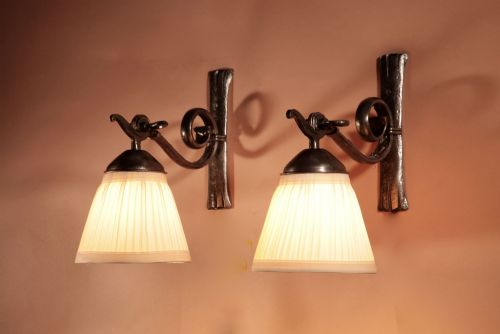
Metalwork items incorporate brass, spelter, and sterling silver, seen in items ranging from fire screens and sculptures to hallmarked vases and jewellery. Glass and enamel appear in decorative panels and signage, reflecting industrial methods of the early twentieth century alongside artisan craft.
Listings incorporate items from the seventeenth, nineteenth, and early twentieth centuries, spanning periods from Victorian to Art Deco.
Distinctions in quality
The distinction between standard items and superior examples rests on the execution of surface detail, such as the precision of hand-carved oak on wardrobes or the handling of light in oil paintings. Named makers, specific hallmarks, and documented studio origins elevate individual pieces above anonymous workshop productions.
Original condition and material integrity define the upper tier of the range, distinguishing untouched period surfaces from later alterations. The quality of raw materials, from burr walnut veneers to sterling silver gauges, dictates the durability and visual depth of each object.
Jason and Joseph Kohn·Leonard Wyburd for Liberty & Co.·E Gomme·Edward Souter Barnsley·Walker & Hall·Sir Peter Lely·Robert Buchan Nisbet·Georg Jensen
The Antique Art Glossary
- Oil on canvas
- A painting technique where pigments suspended in drying oil are applied to stretched fabric. This method allows for rich colour blending and texture.
- Giltwood
- Wood that has been coated with gold leaf or gold paint. It frequently appears on nineteenth-century picture frames and decorative mouldings.
- Arts and Crafts
- A design movement prioritising traditional craftsmanship and simple forms. It emerged in reaction to mass production during the late nineteenth century.
- Art Deco
- A design style characterised by sleek geometric shapes, stylised motifs, and modern materials popular during the nineteen-twenties and nineteen-thirties.
- Spelter
- An alloy of zinc and lead used as a cheaper alternative to bronze. It was cast into decorative sculptures and figures during the late nineteenth and early twentieth centuries.
Antique Art: Frequently Asked Questions
What periods do these pieces cover?
The listings span from the seventeenth century through the Victorian and Edwardian eras into the nineteen-thirties. Major representation occurs in nineteenth-century paintings and early twentieth-century decorative objects.
Buyers will find items reflecting distinct historical phases, including Arts and Crafts, Art Nouveau, and Art Deco design movements.
How do I identify Art Deco pieces?
Art Deco items typically display geometric lines, stylised motifs, and modern materials such as brass, burr walnut, and platinum. These pieces usually date from the nineteen-twenties and nineteen-thirties.
Look for sunburst patterns, streamlined silhouettes, and manufactured materials that broke away from Victorian ornamentation.
Are the paintings original works?
Many listings feature original oil paintings and watercolours on canvas or paper, created by named artists or regional European schools. These include landscape scenes, animal portraits, and human subjects.
Check individual listings for signatures, initialled attributions, and period framing details to confirm the origin of the artwork.
How should I care for antique wooden furniture?
Oak and burr walnut furniture requires stable indoor humidity away from direct sunlight and heat sources to prevent wood splitting. Regular dusting with a dry cloth maintains the polished surface.
Avoid chemical polishes that can build up on nineteenth-century and early twentieth-century wood finishes over time.