

Antique Art Paintings
Antique art paintings bring centuries of portraiture, landscape and still life into a room through oil, canvas and giltwood.
Antique Art Paintings
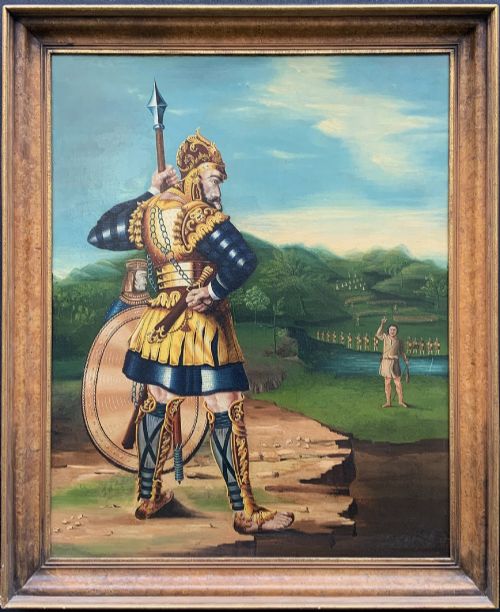
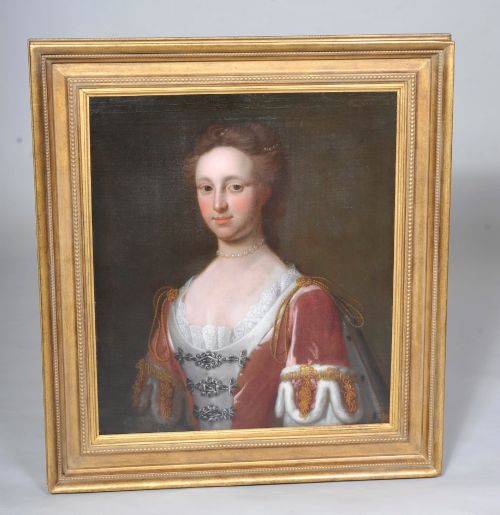
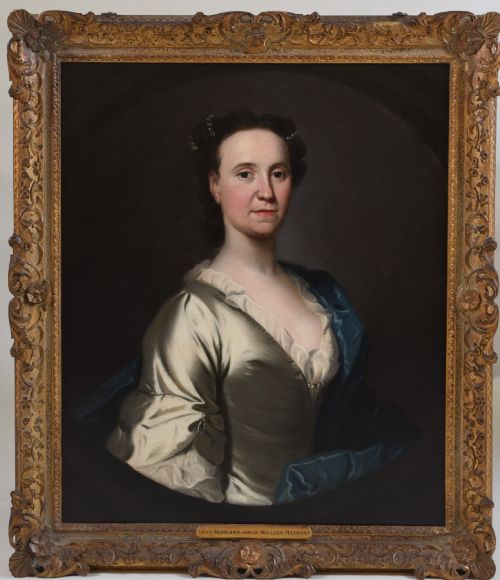
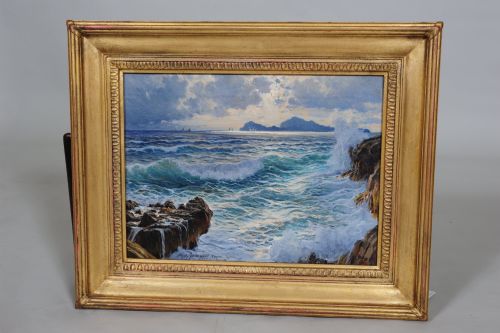
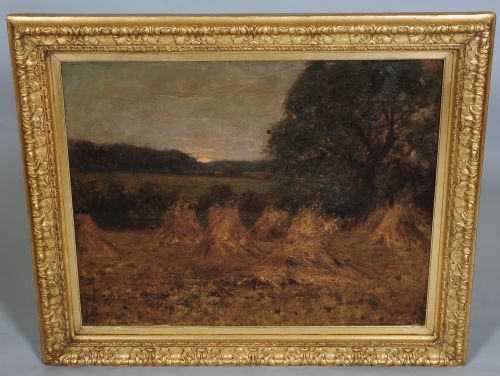
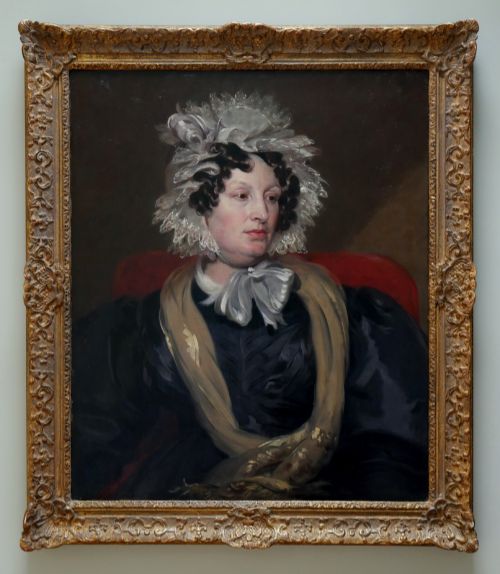
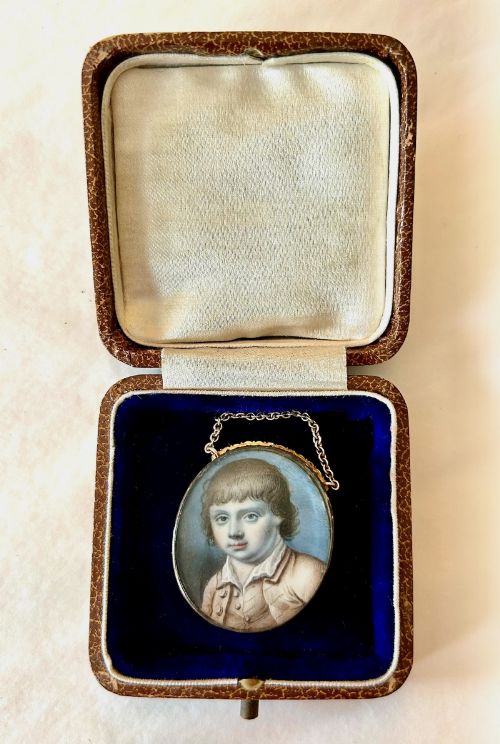
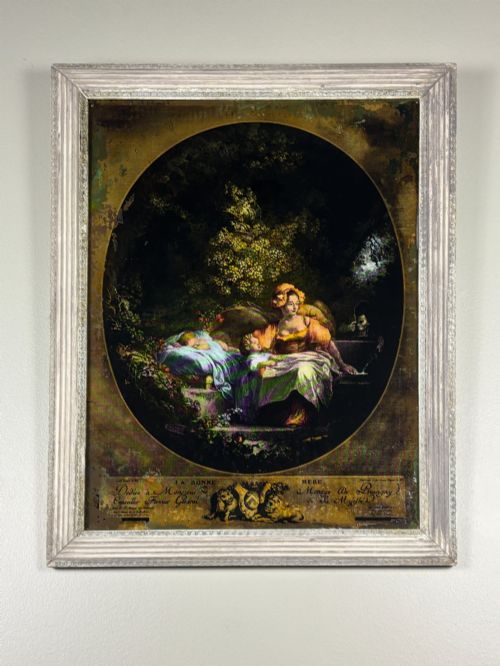
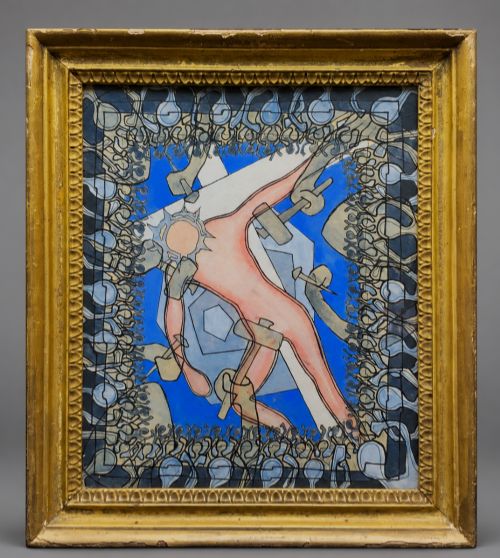
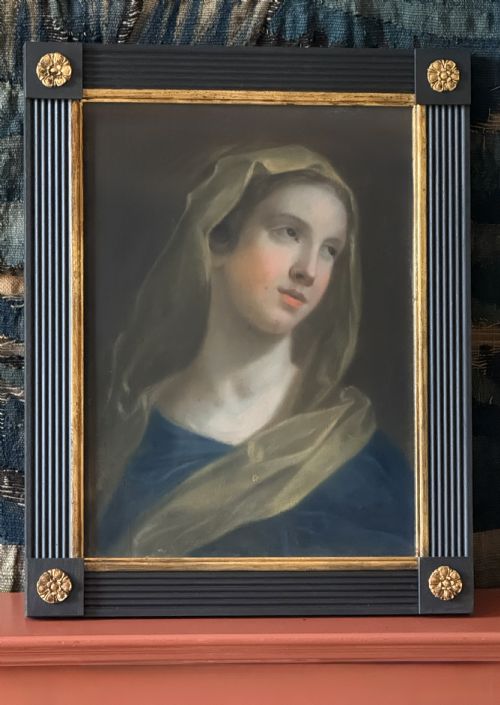
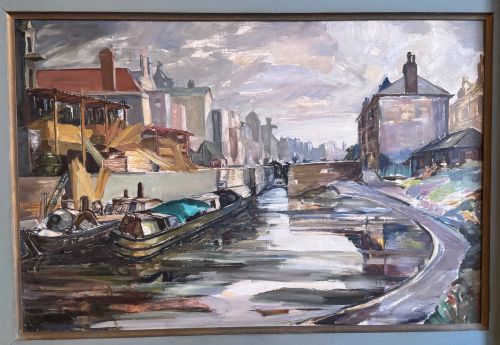
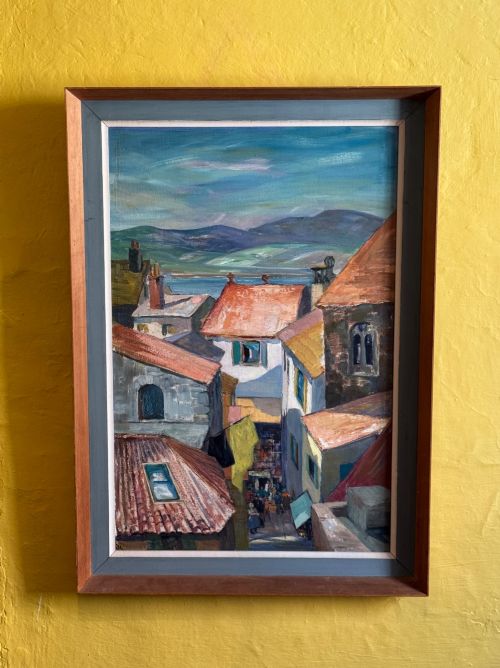
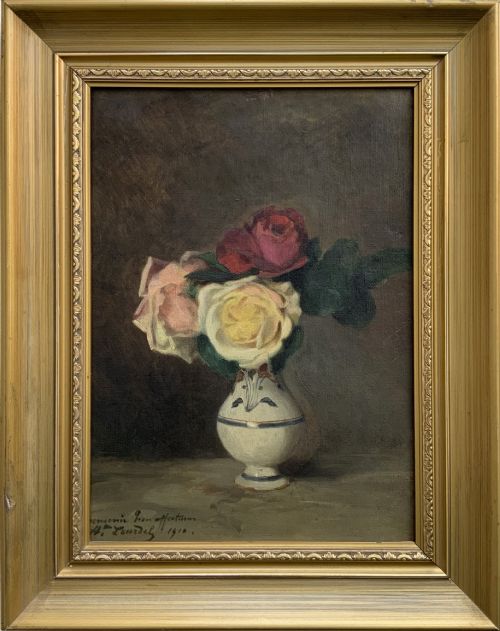
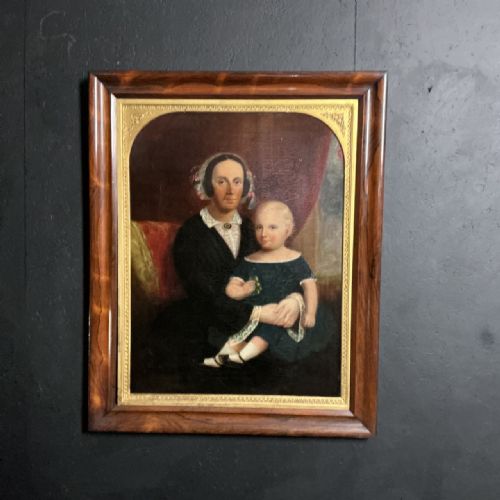
When you search for antique art paintings, you encounter centuries of visual culture spanning the seventeenth, eighteenth and nineteenth centuries, alongside early twentieth-century works. These pieces range from formal aristocratic portraiture and religious scenes to pastoral landscapes, sporting subjects and botanical watercolours.
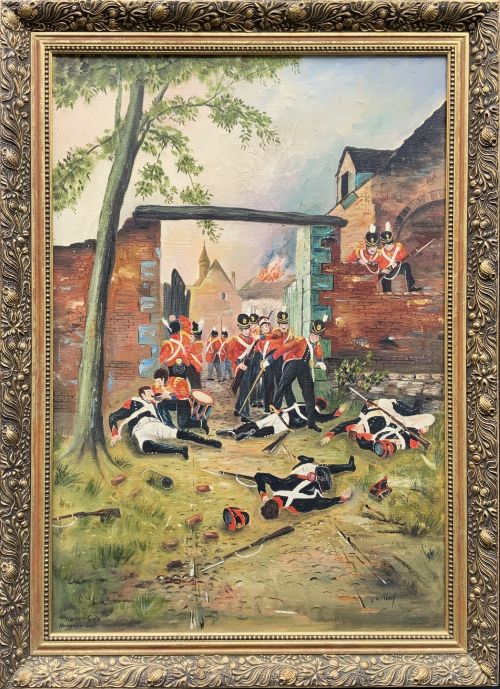
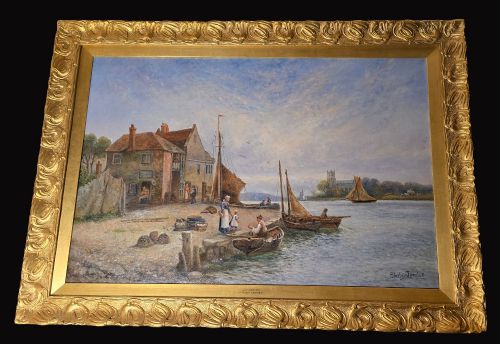
The most common versions met on this page are nineteenth-century oil paintings on canvas and panel, often framed in deep giltwood and gesso. Portraits of nobility, domestic animal studies and rural village scenes also populate the selection from British and European schools.
How they were made
These works rely primarily on oil paint applied to woven canvas, wooden panels or paper supports, utilising traditional priming and layering techniques. Pigments build depth through transparent glazes and opaque highlights, particularly evident in seventeenth-century portraits and nineteenth-century landscapes.
Frames form an integral part of the physical object, utilising carved wood, gesso and gold leaf to create ornate gilded borders. Techniques like fluting and hollow moulding shape the deep giltwood surrounds that house many of the canvases.
Antique Art Paintings Retail Price Guide 2026
Typical asking prices for art paintings among the pieces listed under this phrase on Sellingantiques today, from the lower quarter to the upper quarter. They describe what is for sale here now, not the wider market.
Listings feature works spanning the seventeenth century through to the 1940s, executed in oil, watercolour and gouache on canvas, panel and paper.
What varies in quality
The distinction between standard decorative works and exceptional pieces lies in the sureness of the brushwork and the psychological depth of the subject. Masterly handling of light, shadow and textile textures separates studio production from routine output.
Preservation of the original surface and the integrity of the ground layer dictate the long-term character of a painting. Intact original frames matching the period of the artwork elevate the overall cohesion of the piece.
Studio of Sir Godfrey Kneller·Studio of Sir Peter Lely·George F. Bird·Robert Buchan Nisbet·William Langley
The Antique Art Paintings Glossary
- Oil on canvas
- Pigment bound in drying oil applied to a stretched fabric support. This surface allows for subtle blending and rich impasto textures.
- Giltwood
- Wood carved and coated with gold leaf or metallic powder. It provides the reflective border typical of period picture frames.
- Provenance
- The documented history of ownership of an artwork. It establishes authenticity and traces the path of the piece from its creation.
- Gouache
- An opaque water-based paint mixed with a gum binder. It creates flat areas of dense colour on paper or pith.
Antique Art Paintings: Frequently Asked Questions
How do I clean an oil painting?
Surface dust should be removed gently with a soft, dry brush by someone experienced in textile or art care. Chemical cleaners and water must be avoided to prevent damage to the delicate varnish layer.
Professional conservators handle deeper grime and discoloured varnish safely. Attempting home restoration often removes original pigment along with the dirt.
What does attribution mean on a listing?
Attribution indicates that an expert has linked a work to a specific artist or workshop based on style and technique. Words like circle or studio suggest production by contemporaries working closely with the master.
Such designations help date and contextualize unsigned or undocumented pieces. They reflect scholarly consensus rather than absolute certainty.
Should I reframe an antique painting?
Original period frames protect the canvas and complete the historical context of the artwork. Replacing them risks losing part of the object's combined aesthetic and chronological integrity.
Minor losses to gilding are accepted by collectors as signs of age. Preservation takes precedence over cosmetic perfection.
How do I identify the period of a canvas?
The weave of the fabric, the type of stretcher frame and the composition of the priming layer provide physical clues to the date. Costume, hair styling and furniture depicted in portraits offer additional historical markers.
Comparing brushwork to dated examples by known schools helps narrow the decade of creation. Expert examination unites these visual and material details.