

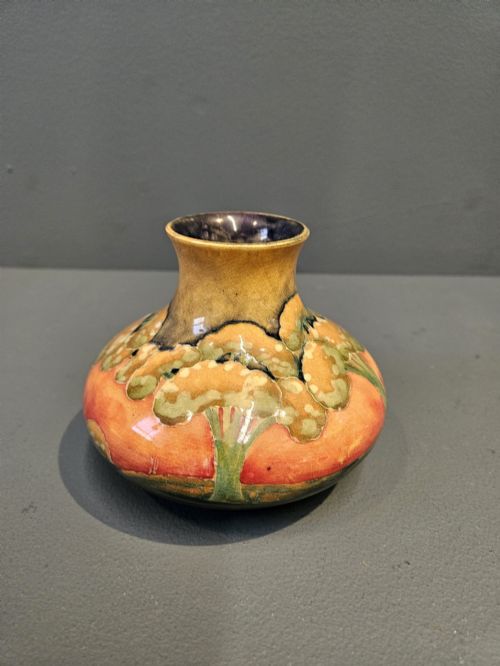
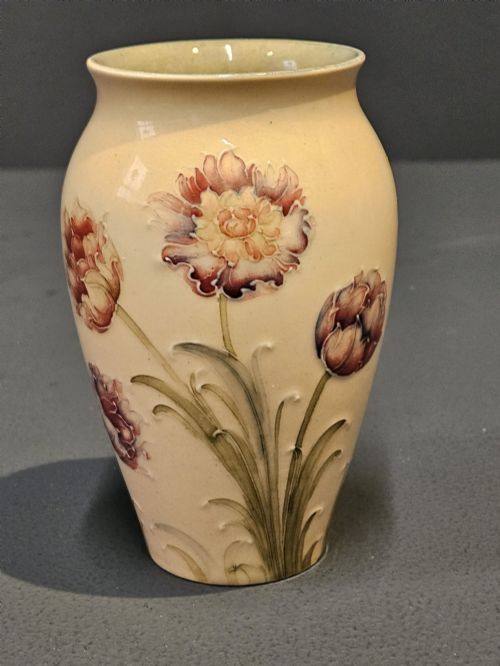
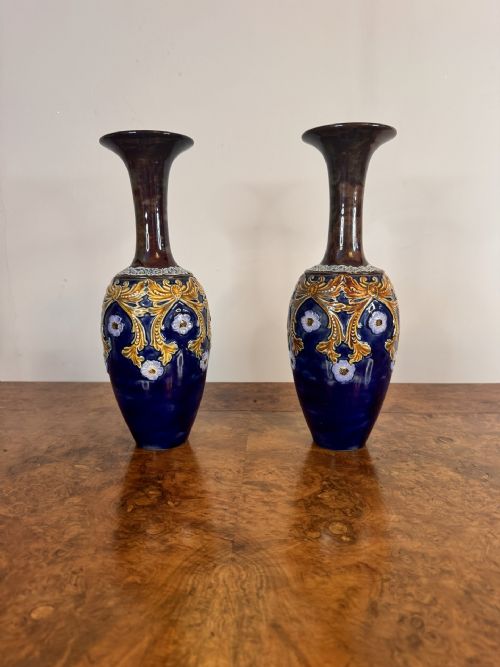
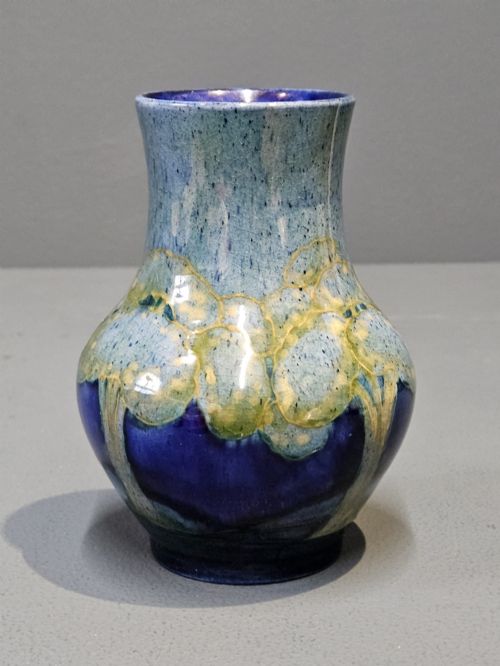

Antique Art Nouveau
Antique art nouveau pieces bring flowing organic lines and natural motifs into a room, offering functional items shaped by designers who broke from historical convention.
Antique Art Nouveau
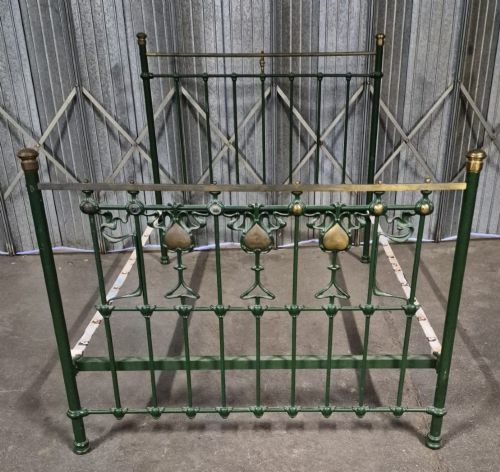
When searching for antique art nouveau, buyers encounter domestic objects, jewellery and furnishings shaped by the distinct design movement of the late nineteenth and early twentieth centuries. The pieces on this page span vases, pendants, occasional tables and mantel clocks originating from the Victorian, Edwardian and early twentieth-century periods.
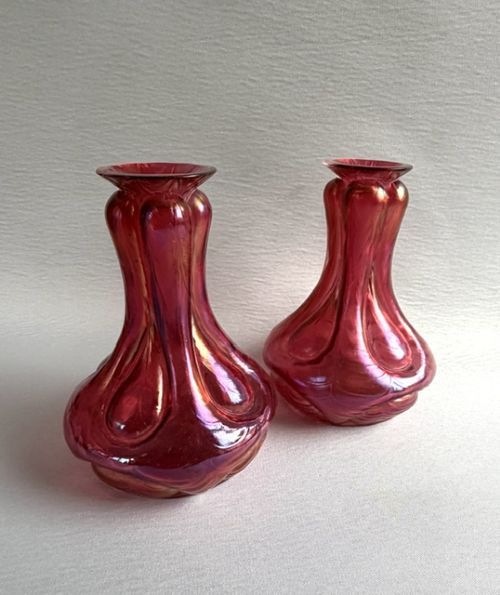
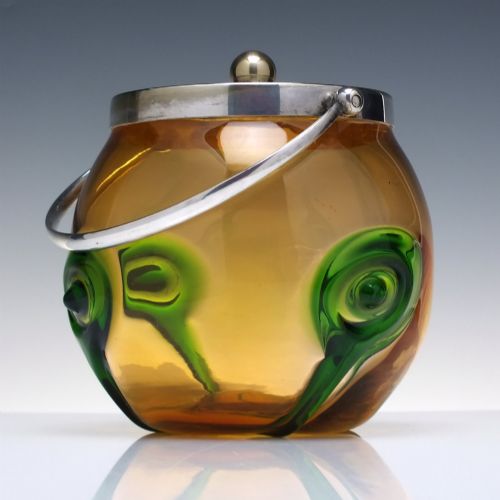
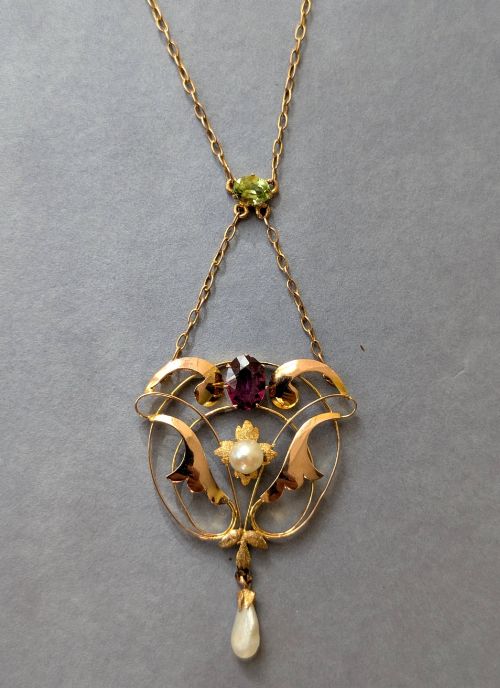
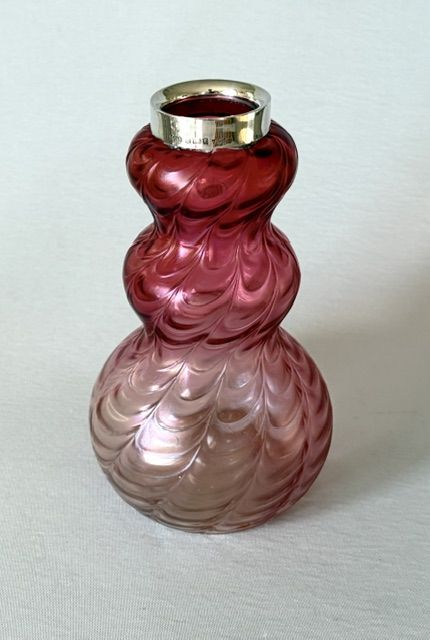
Vases in glass and ceramic stand alongside brass coal scuttles, silver jugs and mahogany occasional tables. Jewellery forms include gold pendants and brooches set with emeralds, pearls, diamonds and enamel.
Buyers frequently meet items combining practical domestic use with decorative floral and botanical motifs. The inventory draws from British, French and wider European workshops working in brass, copper, silver, mahogany and glass.
Materials and Technique
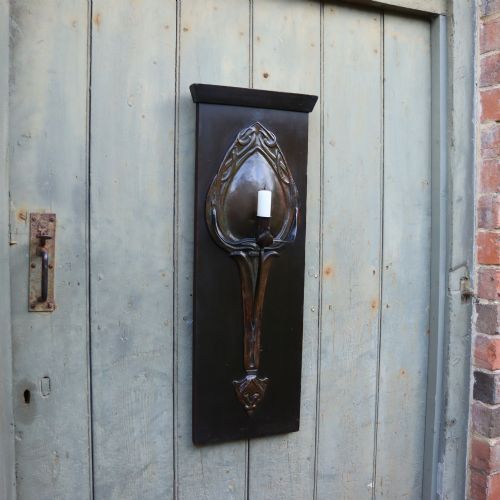
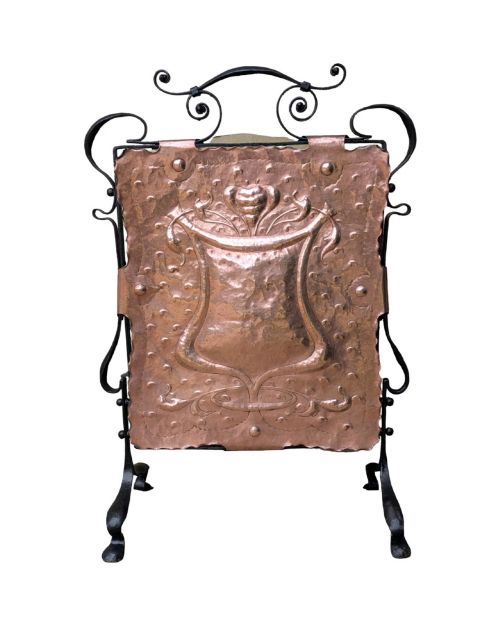
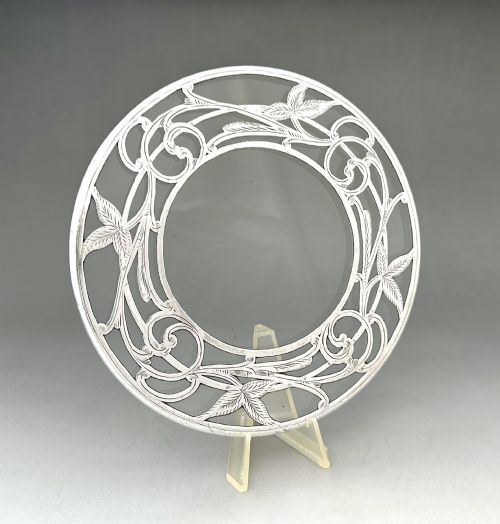
Makers shaped metals such as brass, copper, silver and pewter through hammering, casting and piercing to create fluid, asymmetrical frames. Pewter and copper often appear alongside abalone or enamel inlays in decorative domestic hardware and clocks.
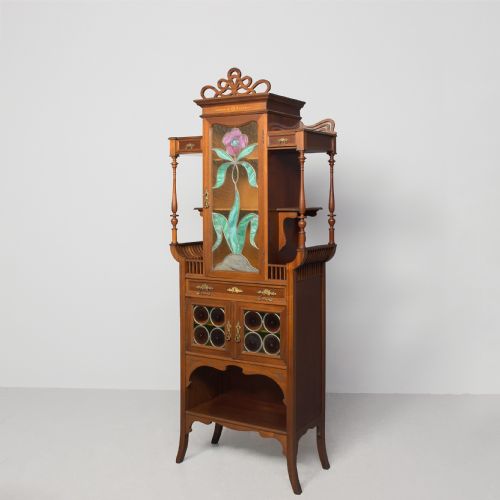
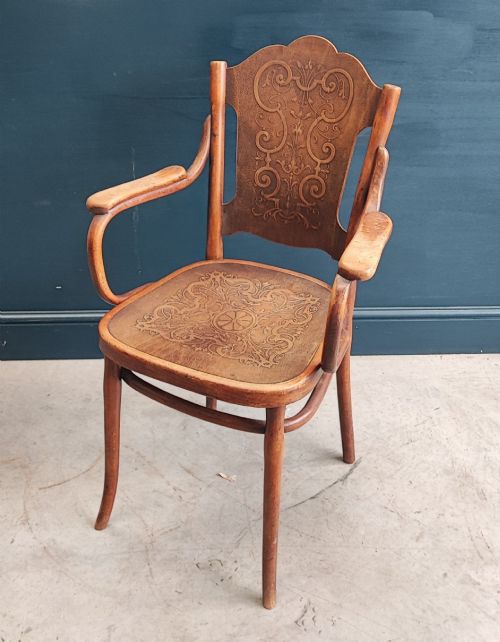
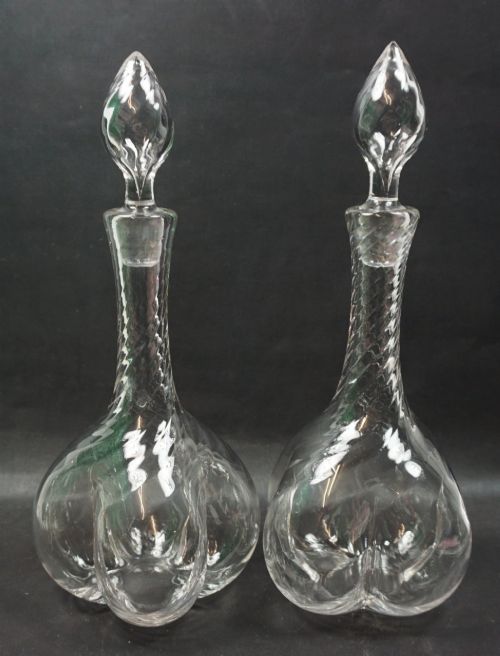
Glassmakers utilised cameo carving, acid etching and iridescent treatments to produce vases with organic colour gradients. Woodworkers shaped mahogany, oak and walnut into inlaid tables, display cabinets and settles using traditional joinery combined with stylised plant marquetry.
Jewellers set gold and platinum with emeralds, peridots, amethysts, diamonds and natural pearls, frequently incorporating translucent plique-à-jour enamel to mimic stained glass windows.
Antique Art Nouveau Retail Price Guide 2026
Typical asking prices for art nouveau among the pieces listed under this phrase on Sellingantiques today, from the lower quarter to the upper quarter. They describe what is for sale here now, not the wider market.
The inventory encompasses periods spanning the Victorian era, Edwardian years, 1890, 1900, 1910, 1920 and 1930.
Distinctions in Quality
Quality rests upon the crispness of execution in hand-carved glass, hammered metal and inlaid woodwork. Pieces produced by named designers or established retailers display superior refinement in proportion and detail compared to anonymous factory output.
The sophistication of the materials elevates certain examples, such as glass with complex multi-layered cameo work or jewellery combining plique-à-jour enamel with saltwater pearls and diamonds. Design integrity and the successful integration of function with organic ornament separate standard production from exceptional pieces.
Deakin and Francis·Jason and Joseph Kohn·Edward Souter Barnsley·Baccarat·Daum·Auguste Moreau·Gustave Dussart·Moorcroft·Shapland and Petter·Charles Horner·Henry Miault·Amy Sandheim·Georg Adam Scheid·Archibald Knox for Liberty and Co
The Antique Art Nouveau Glossary
- Cameo glass
- Glass formed with multiple layers of different colours that are carved away to create a raised design. This technique allows for intricate contrast and depth in vases.
- Plique-à-jour
- An enamelling technique where enamel is applied to open cells without a backing, resembling miniature stained glass. Light passes directly through the translucent coloured areas.
- Marquetry
- The art of applying pieces of veneer to a structure to form decorative patterns. Craftsmen utilised different coloured woods to render floral and naturalistic scenes on furniture.
- Tudric pewter
- A brand of pewter alloy utilised by Liberty and Co for domestic metalwork. It frequently accommodated enamel and abalone cabochons within organic designs.
Antique Art Nouveau: Frequently Asked Questions
How do I care for antique art glass?
Antique art glass requires gentle cleaning with a soft, dry cloth to remove dust without disturbing delicate surfaces. Avoid abrasive cleaners, harsh chemicals or soaking pieces with cameo or iridescent treatments.
Keep glass items away from direct sunlight and dramatic temperature fluctuations to protect the original finish. Handle vases and decorative vessels by the body rather than thin rims or applied handles.
What metals are typical in these pieces?
Makers frequently utilised brass, copper, silver, sterling silver and pewter for decorative objects, lighting and hardware. These metals lent themselves well to hand-hammering, casting and patination.
Metals were often paired with contrasting materials like enamel, mother-of-pearl or abalone. This combination enhanced the organic visual texture characteristic of the period.
How do I identify a period piece?
Period pieces display authentic construction methods appropriate to the late nineteenth and early twentieth centuries, including hand-cut joinery and traditional hallmarks on silver. Stylistic indicators include whiplash curves, floral motifs and influences from the Arts and Crafts movement.
Examining the materials, maker marks and overall construction reveals the chronological origin. Genuine examples reflect the technological and artistic transition occurring between the Victorian era and the 1920s.