

Antique Armchair with Desk
An antique armchair with desk combines comfortable seating with writing surfaces, spanning periods from the Georgian era through to the Edwardian period.
Antique Armchair with Desk
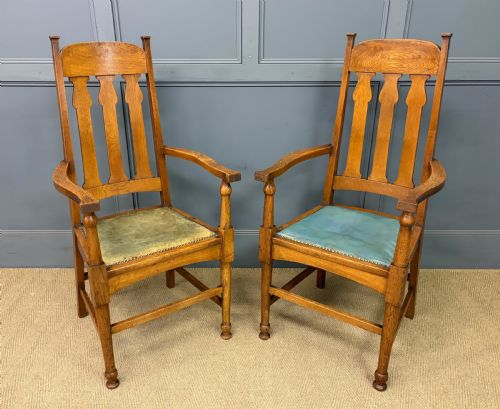
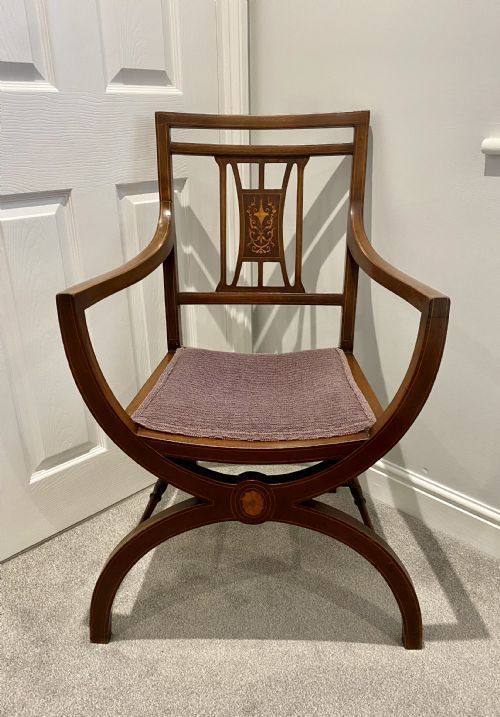
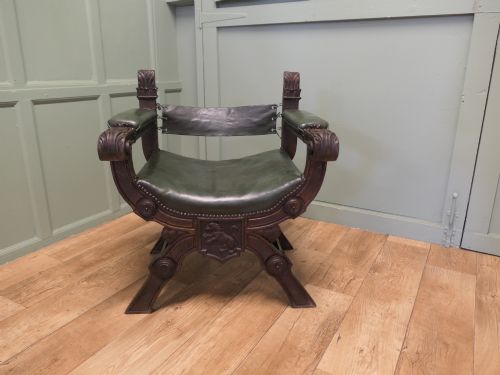
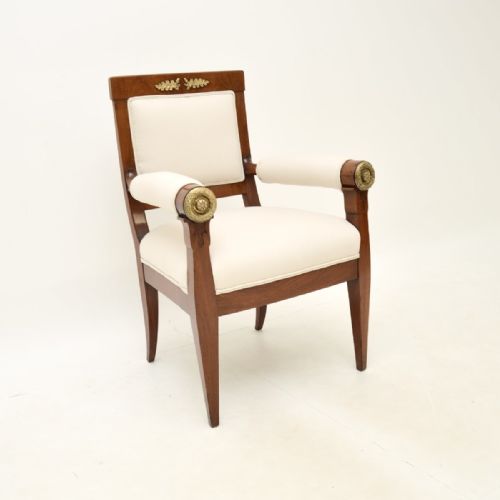
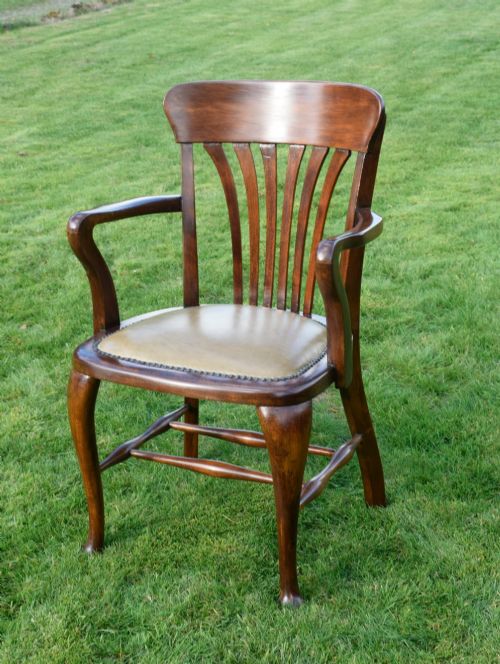
An antique armchair with desk unites traditional seating with integrated writing surfaces or book rests. The selection spans forms such as library armchairs fitted with reading stands, swivel office chairs in oak with leather seats, and writing armchairs from the Georgian, Victorian, and Edwardian periods.
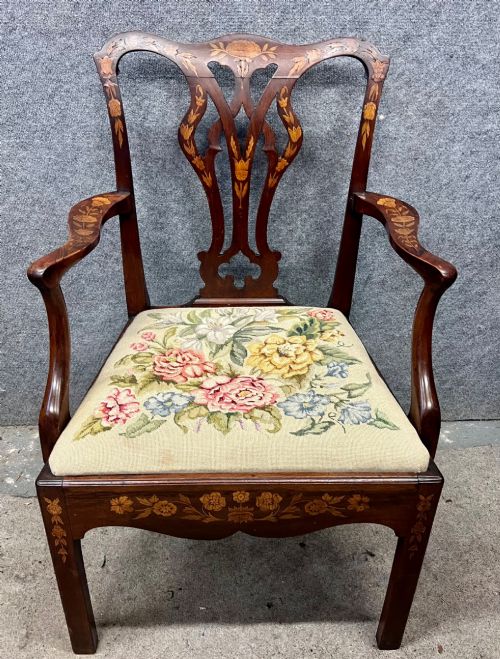
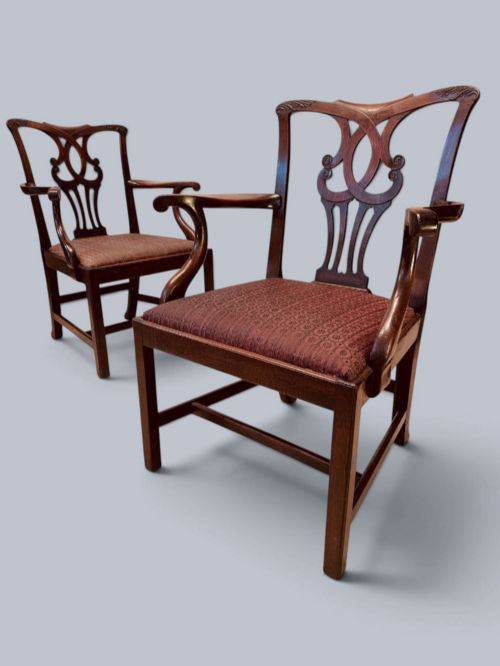
Makers utilised various native and exotic timbers including mahogany, walnut, oak, and elm, often pairing them with leather or fabric upholstery. Buyers encounter pieces influenced by Chippendale design, Regency proportions, and Edwardian practicality, reflecting centuries of domestic and professional study habits.
How they were made
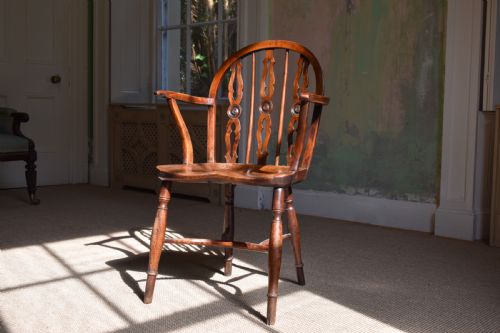
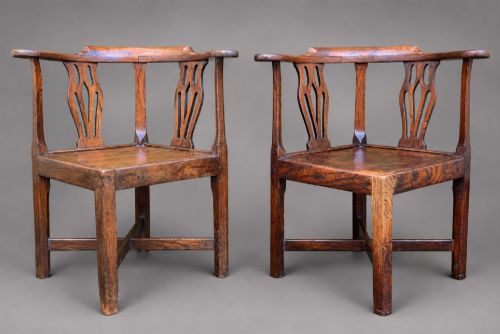
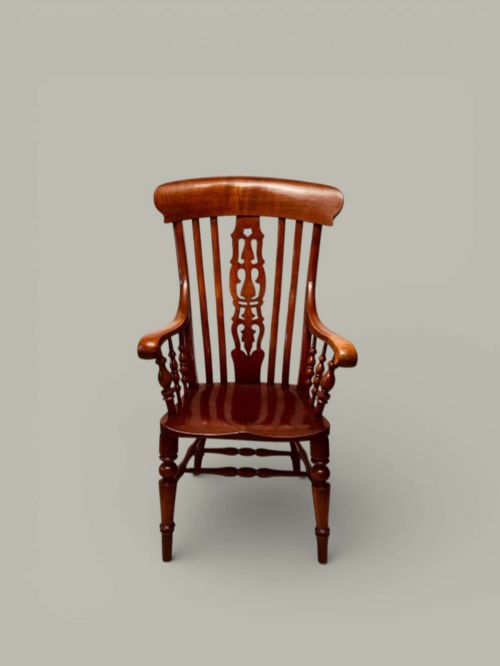
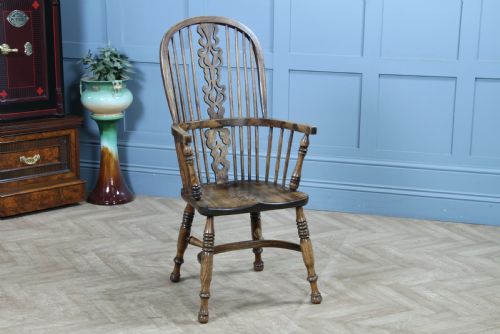
Carpenters and cabinetmakers constructed these frames using solid hardwoods like mahogany, walnut, and oak, frequently employing mortise and tenon joinery to ensure structural rigidity under daily use. Turned legs, carved splats, and scroll arms demonstrate traditional hand-tool woodworking techniques common to workshops of the eighteenth and nineteenth centuries.
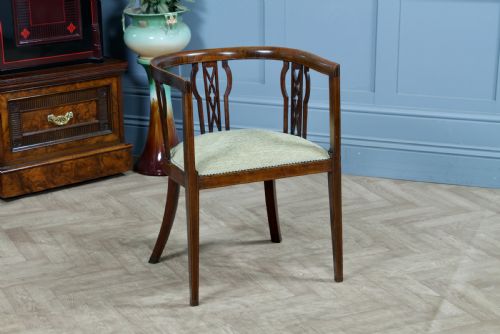
Upholstery methods relied on webbing, stuffing, and durable coverings such as hand-dyed hide leather, velvet, and studded fabric secured with brass tacks. Integrated reading stands and writing arms required articulated brass hardware or pivoting wooden mechanisms built directly into the chair frame.
Antique Armchair with Desk Retail Price Guide 2026
Typical asking prices for armchair with desk among the pieces listed under this phrase on Sellingantiques today, from the lower quarter to the upper quarter. They describe what is for sale here now, not the wider market.
Some nineteenth-century armchairs include built-in revolving reading stands designed to hold heavy folios while the reader remained seated.
What varies in quality
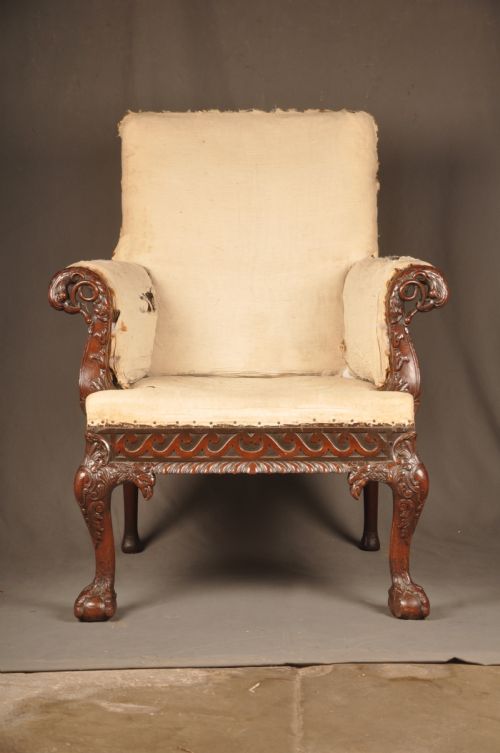
The standard of a writing armchair depends heavily on the crispness of its hand-carved details and the density of its timber frame. Examples exhibiting deeply carved mahogany blind fretwork or substantial walnut structures demonstrate superior craftsmanship compared to simpler utilitarian office seating.
Originality of components also dictates merit, as chairs retaining their period leather upholstery, brass castors, and functioning reading mechanisms command greater appreciation among collectors. Subtle variations in proportions and timber selection separate standard provincial workshop output from pieces attributed to established makers like Gillows.
Gillows·Kendrick and Jefferson
The Antique Armchair with Desk Glossary
- Bergère
- An enclosed upholstered armchair with wooden framing, often featuring cane panels on the back and sides. This French style gained popularity in English interiors during the Regency period.
- Blind carving
- Relief ornamentation carved directly into a flat wooden surface without undercutting, commonly seen on Chippendale style chair rails and stiles. It mimics Chinese lattice patterns popular in the eighteenth century.
- Padouk
- A dense tropical hardwood imported from Asia and Africa, valued for its rich reddish-brown colour. Cabinetmakers utilised it for carved library armchairs during the nineteenth century.
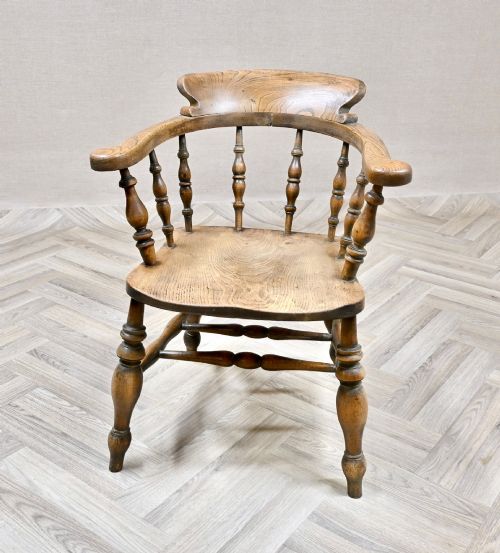
- Captains chair
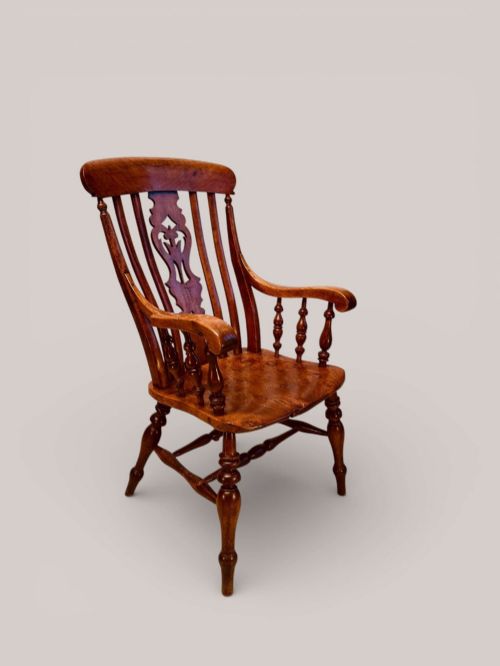
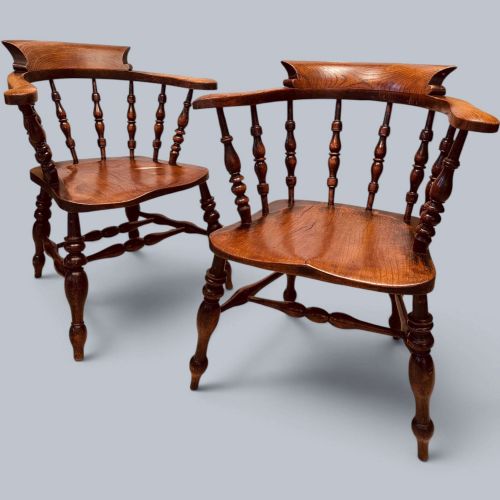
- A sturdy wooden armchair featuring a rounded, horseshoe-shaped backrest supported by multiple spindles. These forms frequently incorporate solid elm or oak seats for durability.
Antique Armchair with Desk: Frequently Asked Questions
What is an antique armchair with desk used for?
These pieces served as functional seating for reading, correspondence, and study in libraries, studies, and offices.
They allowed users to write or hold books comfortably without needing a separate standalone desk.
How do I identify a Georgian desk chair?
Georgian examples typically feature solid mahogany frames, Chippendale-influenced carved details, and hand-dyed leather upholstery.
They display generous proportions and traditional joinery characteristic of eighteenth-century cabinetmaking.
Are these chairs comfortable for daily work?
Many include ergonomic adjustments like revolving mechanisms or integrated writing slopes suited for modern workspace use.
Solid timber construction and supportive upholstered seats provide robust support for long periods.
How do I care for leather seats on antique chairs?
Maintain the leather by cleaning gently and applying suitable conservation waxes to prevent drying and cracking.
Avoid placing wooden frames near direct heat sources to protect the historic timber and glue joints.