




Antique Aristocratic Wall Art
Antique aristocratic wall art captures centuries of landed heritage through oils on canvas and prints depicting nobility.
Antique Aristocratic Wall Art
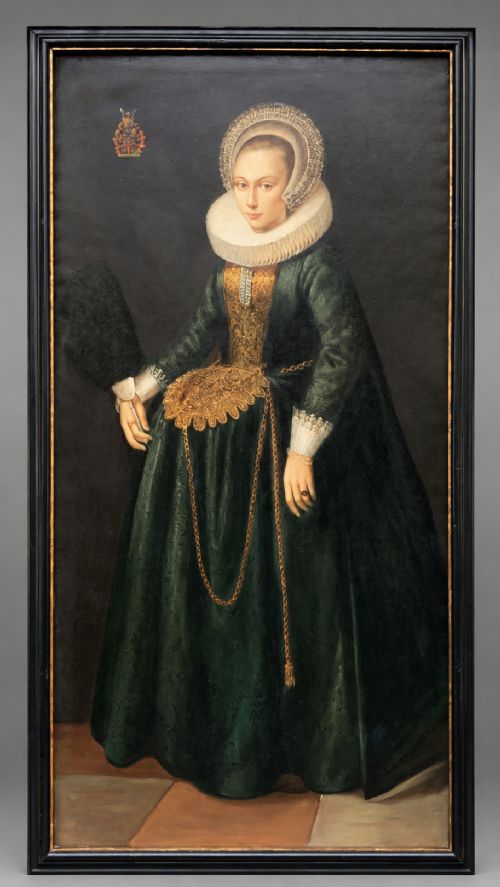
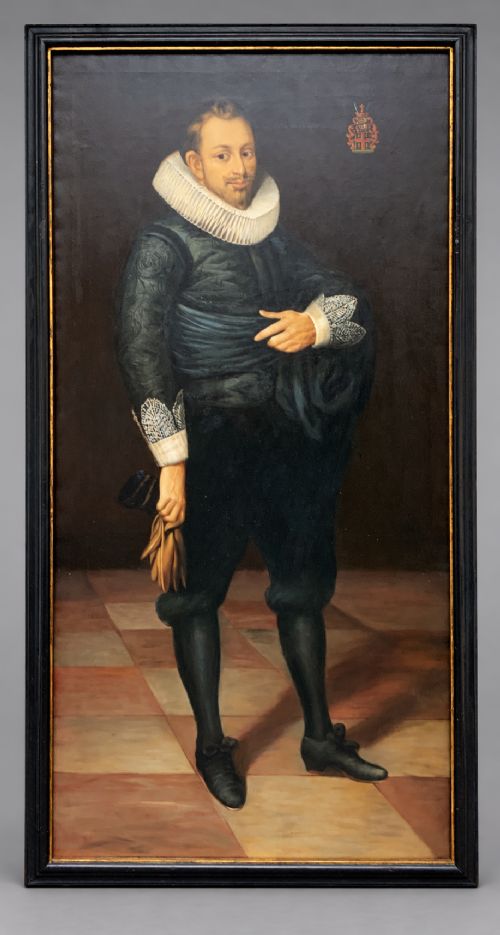
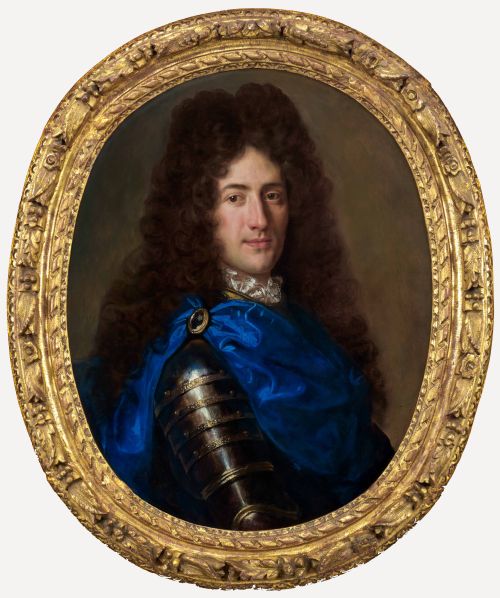
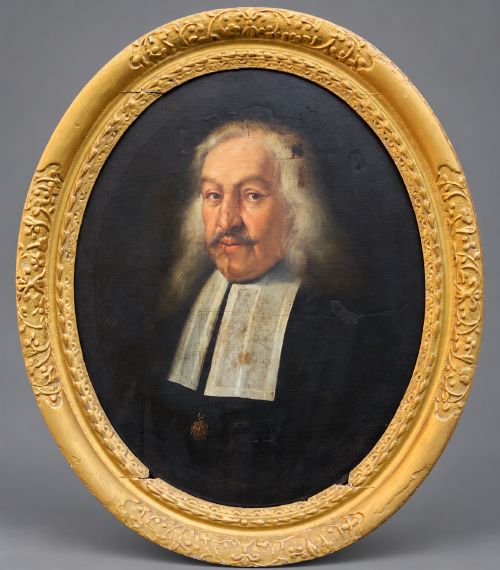
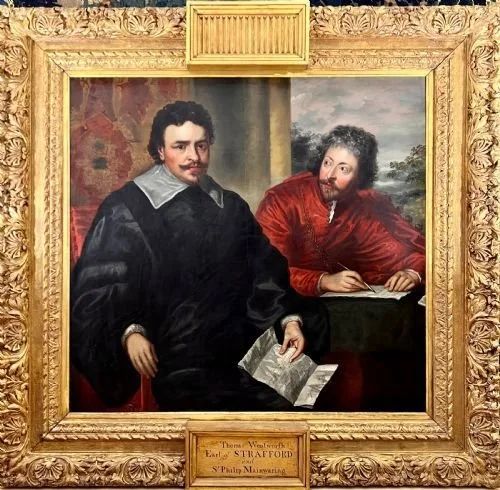
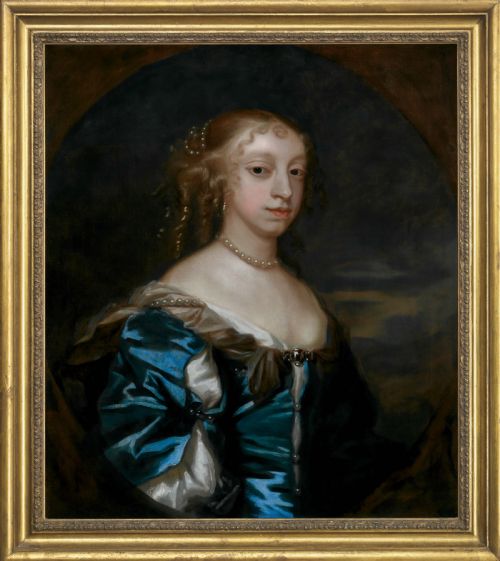
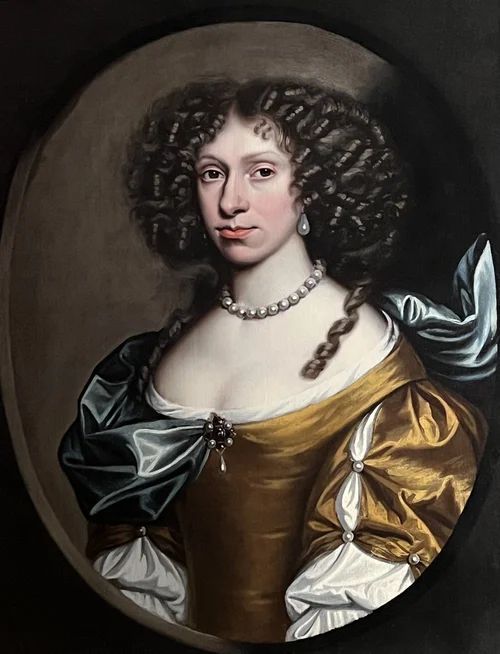
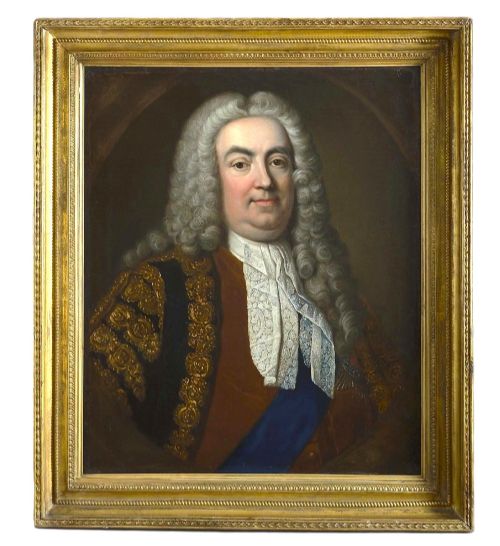
Antique aristocratic wall art primarily comprises oil paintings and prints depicting nobility, landed gentry, and historical figures from the seventeenth to the nineteenth centuries. These works document lineages through formal portraiture executed in British Baroque, Georgian, and Regency styles.
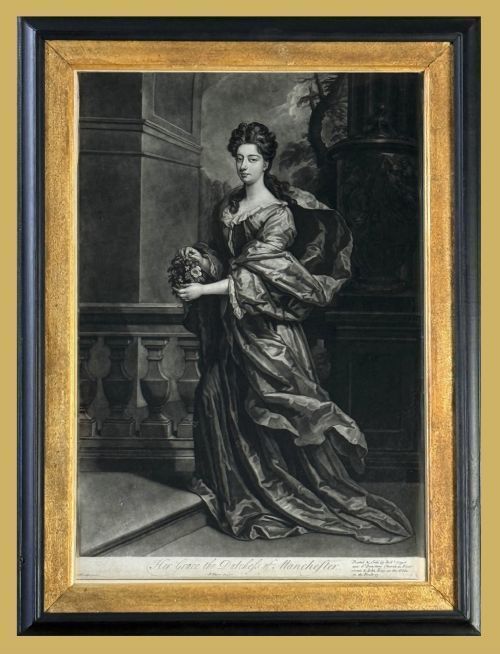
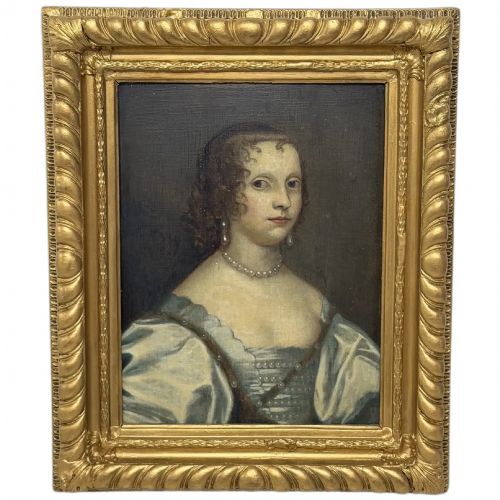
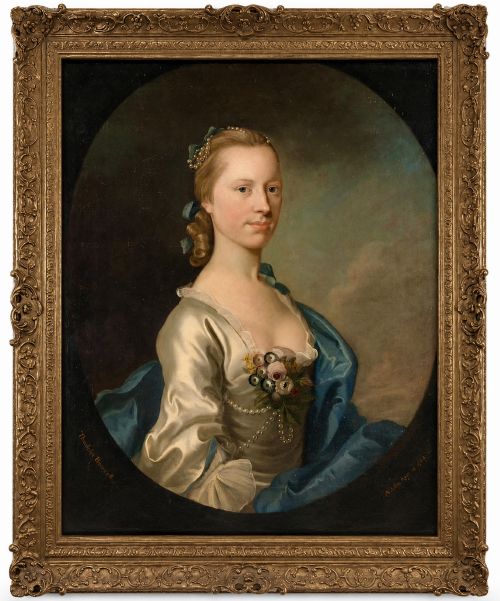
Buyers encounter oil on canvas works alongside oak panel paintings and printed mezzotints originating from British and European schools. The subjects include earls, duchesses, and baronets rendered by court painters and regional workshops alike.
How They Were Made
Artists painted primarily in oil on stretched canvas or prepared oak panels, building compositions through layered pigments and glazes. Mezzotint printmakers worked on copper plates to translate these painted portraits into multiple impressions.
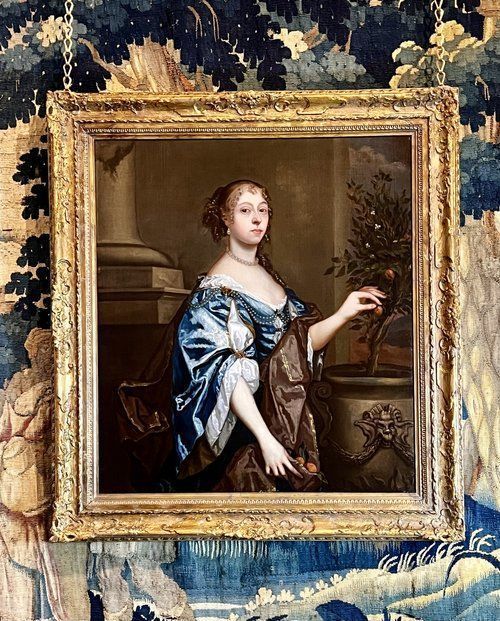
Frames utilise carved wood finished with gold leaf or giltwood, often matching the period of the artwork. These heavy mouldings reflect the status of the sitters and protect the canvas edges over centuries.
Antique Aristocratic Wall Art Retail Price Guide 2026
Typical asking prices for aristocratic wall art among the pieces listed under this phrase on Sellingantiques today, from the lower quarter to the upper quarter. They describe what is for sale here now, not the wider market.
Several noble sitters proudly clutch oranges or wear red satin sleeves to signal supreme wealth.
What Varies In Quality
Quality rests upon the skill of the brushwork in rendering fabrics, skin tones, and facial expressions, distinguishing master workshops from provincial copyists. Studio pieces overseen by established portraitists display superior anatomical precision and handling of light.
The integrity of the original canvas, the presence of legible contemporary inscriptions, and the survival of the period giltwood frame influence the overall historical standing of each piece.
David Scougall·John Hayls·Michael Dahl·Thomas Murray·Sir Godfrey Kneller·Pieter Borsseler·Jean Baptiste Van Loo·John Faber Jr·John Smith·Sir Peter Lely·Allan Ramsay·Franz Xaver Winterhalter·Robert Edward Morrison·Charles Jervas·Pieter Nason·Carlo Ferranti·Sir William Beechey·Willem Wissing·John Partridge·George Hayter·Bartholomeus van Burgindis·Henry Wyatt·Thomas Hickey
The Antique Aristocratic Wall Art Glossary
- Mezzotint
- A printmaking process where the copper plate is roughened to achieve rich tonal gradations and dark backgrounds. This technique was frequently utilised for reproducing aristocratic oil portraits.
- Baroque
- An elaborate artistic style characterised by dramatic lighting, rich textures, and grand movement. It dominates seventeenth-century portraiture.
- Giltwood
- Wood carved and coated with a thin layer of gold leaf or metallic powder. This material forms the ornate frames typical of high-status portraits.
- Provenance
- The documented history of ownership of an artwork tracing back to its creation. It establishes authenticity and lineage.
Antique Aristocratic Wall Art: Frequently Asked Questions
What periods do these portraits cover?
The works span predominantly from the seventeenth century through the nineteenth century, capturing distinct shifts in portraiture styles. Examples range from early Stuart court paintings to later Regency depictions.
Earlier pieces often feature starker lighting and rigid poses, whereas nineteenth-century canvases introduce softer romantic elements and more relaxed postures.
How were these paintings displayed originally?
Aristocrats hung these large oil portraits in the galleries, halls, and state rooms of country houses to display lineage and wealth. Heavy giltwood frames underscored their importance within the domestic interior.
Today, collectors place them in prominent living spaces to anchor traditional room schemes with historical depth.
Are all the artworks original oil paintings?
While the majority are oil paintings on canvas or oak panels, the selection also includes period print formats such as mezzotints. These print variations allowed broader distribution of key aristocratic likenesses.
Each listing specifies whether the medium is an original oil or a printed work on paper.
How do I identify the subject of a portrait?
Many portraits include contemporary inscriptions on the canvas, stretcher, or frame naming the sitter and occasionally their titles. Heraldic crests and specific orders worn on clothing also offer clues to identity.
Archival records and family genealogies frequently link these painted figures to documented historical lineages.