


Antique Architectural Plates
These antique architectural plates bridge functional salvage and graphic history, offering tangible fragments of past interiors for modern walls and doors.
Antique Architectural Plates
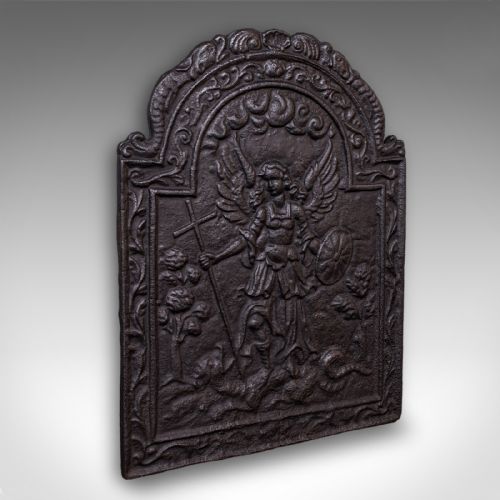
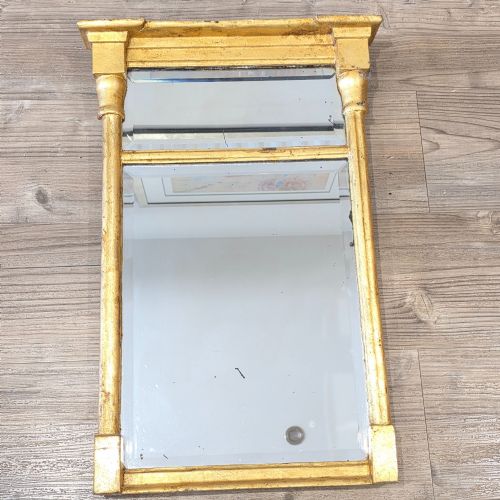
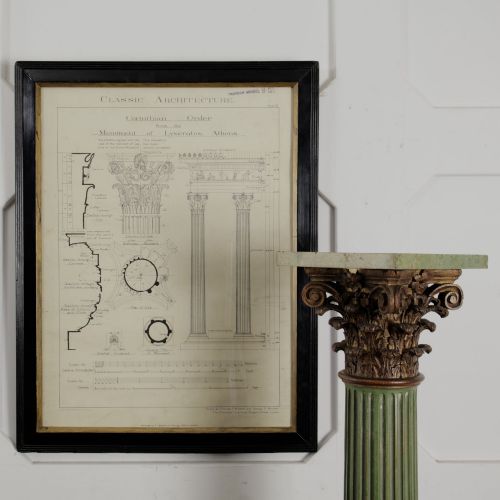
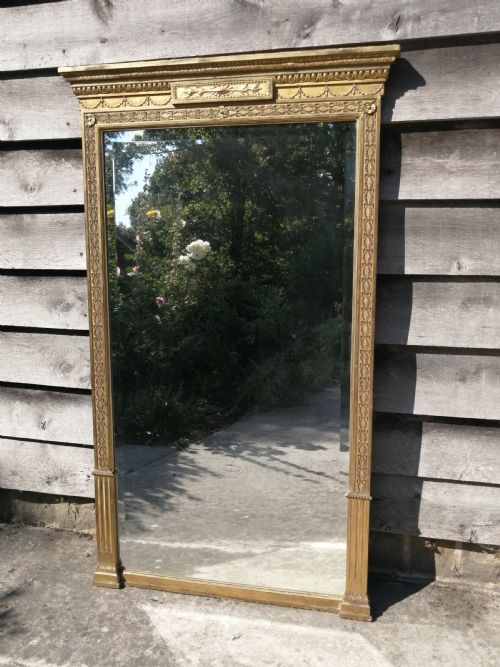
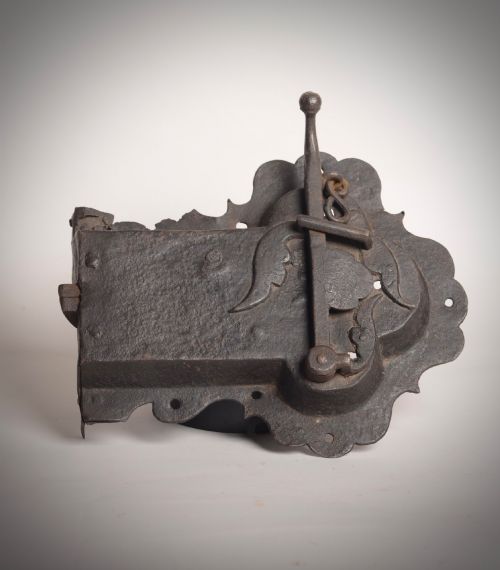
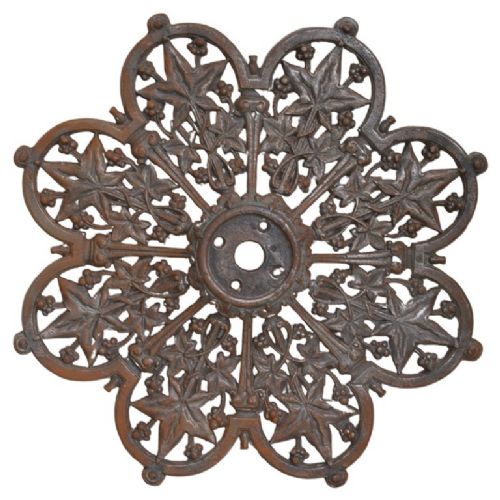
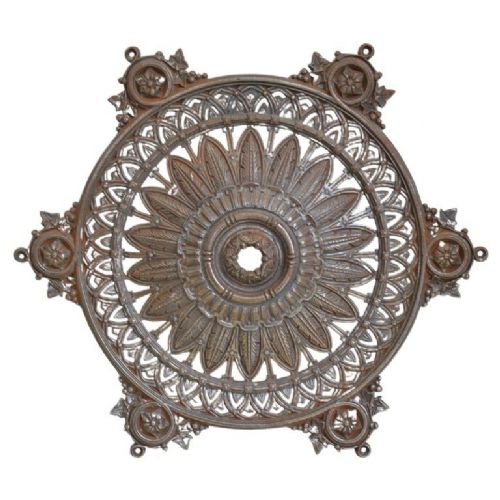
When you search for antique architectural plates, you encounter a varied assembly of items, ranging from framed neoclassical engravings of ancient ruins to brass door finger plates and cast iron ceiling roses. The selection spans several distinct centuries, taking in 17th-century rim locks, Regency mirrors with original glass plates, and 18th-century architectural engravings.
You are most likely to meet solid brass finger plates from the Victorian and Art Deco eras, alongside decorative cast iron components and printed paper plates detailing classical orders or Parisian architecture. These pieces served practical domestic functions or recorded historical design long before entering the decorative market.
How they were made
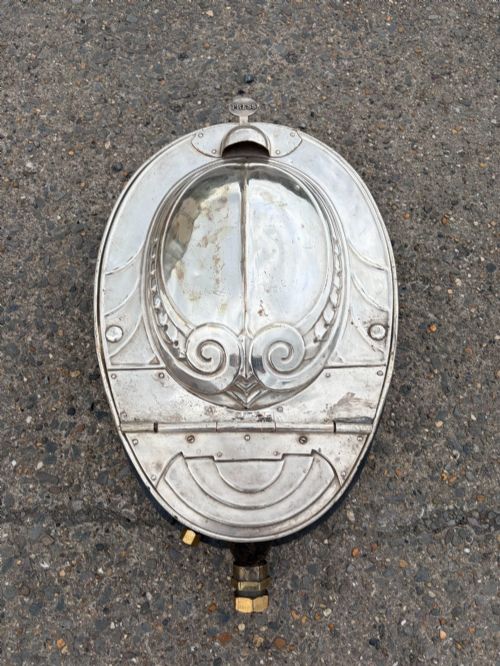
Makers utilised durable metals such as brass, cast iron, bronze, and silver plate for functional hardware, casting and stamping them into decorative shapes with ivy leaf, feather, or geometric motifs. These metallic items often involved hand-finishing or applied enamelling to withstand daily domestic contact.
Paper items relied on inked engraving techniques on heavy stock, meticulously capturing fine architectural details like the Corinthian order or Greek antiquities. Mirrors incorporated original glass plates set within giltwood or gesso frames, combining reflective properties with ornamental woodwork.
Listings feature items spanning the 17th century through the 1930s, using materials including brass, cast iron, glass, and paper.
What varies in quality
The standard of an antique architectural plate depends heavily on the crispness of its casting or engraving. Finer metalwork displays sharply defined relief work in the foliage or geometric patterns, whereas lesser examples lose definition in the mould.
Material integrity and the survival of original surface finishes dictate the upper tier of pieces. Items retaining their original glass plates, intact enamel, or untouched gilding command greater appreciation than those stripped, heavily polished, or replaced over time.
The Antique Architectural Plates Glossary
- Finger plate
- A protective metal, glass, or ceramic plaque mounted beside a door handle to prevent fingerprints from soiling the paintwork. They appear frequently in brass, enamel, and glass across various stylistic periods.
- Engraving
- An intaglio printing method where an artist cuts lines into a metal plate with a burin to hold ink. This technique produced detailed architectural illustrations and antiquarian plates.
- Giltwood
- Timber carved and coated with a thin layer of gold leaf. It is commonly found on Regency pier mirrors and ornamental frames.
- Cast iron
- An iron-carbon alloy poured into moulds to create rigid structural or decorative items. Victorian ceiling roses and firebacks demonstrate this robust material.
- Corinthian order
- One of the classical architectural styles defined by ornate capitals decorated with acanthus leaves. It appears in period prints and engravings.
Antique Architectural Plates: Frequently Asked Questions
How do I clean antique brass finger plates?
Wash them gently with warm water and mild soap using a soft cloth to remove surface dirt without disturbing the aged patina. Avoid harsh chemical cleaners that strip the historical character from the metal.
Dry the brass thoroughly with a microfiber cloth after washing to prevent water spotting. Leave existing tarnish intact, as collectors value the natural darkening acquired over decades.
Can antique architectural plates be installed today?
Many brass and cast iron plates remain fully functional for modern doors and walls if the fixing dimensions align with contemporary standards. Check the placement of screw holes before attempting any installation on historic woodwork.
Delicate glass or paper plates suit decorative display rather than heavy physical use. Mount these framed or securely positioned away from areas prone to vibration.
How do I date an architectural engraving?
Examine the paper quality, typography, and printing ink used on the sheet for clues regarding the period of production. Eighteenth-century engravings often feature heavier handmade paper with distinct watermarks.
Look for publisher details or artist signatures inscribed directly into the lower margin of the plate. Comparing these names against known publication dates of works like the Antiquities of Athens provides a reliable timeline.
What is the difference between a pier mirror and an overmantel mirror?
Pier mirrors were traditionally designed to hang on the narrow wall space, or pier, between two windows. They often feature tall, vertical proportions paired with an original glass plate.
Overmantel mirrors are proportioned horizontally to sit comfortably above a fireplace mantelpiece. They frequently incorporate neoclassical or Regency giltwood frames suited to wider architectural spaces.