


Antique Architectural Glass
Antique architectural glass brings together heavy leaded windows, etched pub glazing and shop panels that once defined period streetscapes.
Antique Architectural Glass
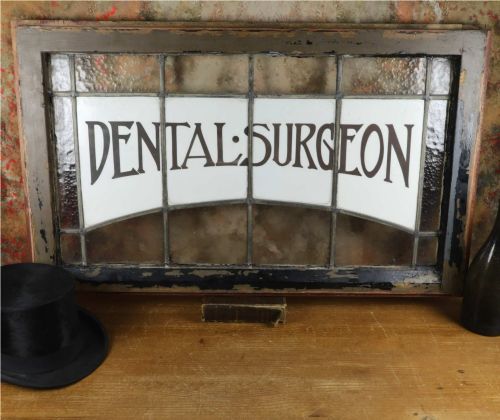
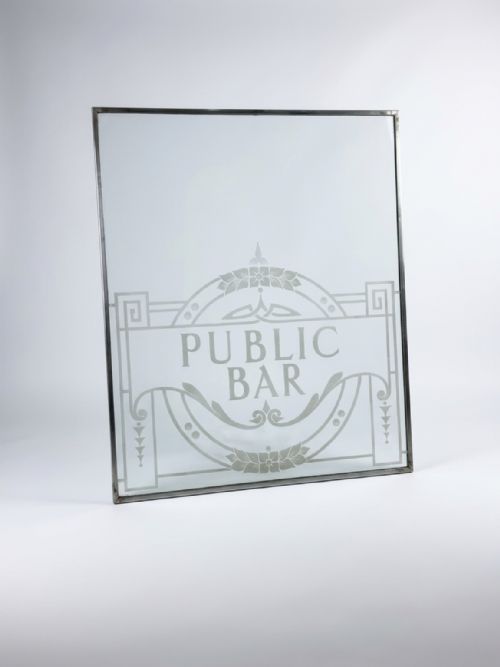
When buyers search for antique architectural glass, they encounter heavy panes salvaged from Victorian pubs, Edwardian shops and early residential properties. These pieces range from etched tavern windows and reverse cut confectionery signs to stained glass panels bearing historical emblems.
The domestic and commercial origins of these items mean they function as both wall art and historical salvage. Most examples on this page date from the nineteenth century into the early decades of the twentieth century, reflecting the robust building and commercial trades of those eras.
How they were made
Makers utilised heavy glass plates combined with lead cames to form complex pictorial and lettering designs for commercial windows. Etching and reverse cutting techniques allowed craftsmen to create opaque patterns and frosted surfaces on transparent or mirror glass.
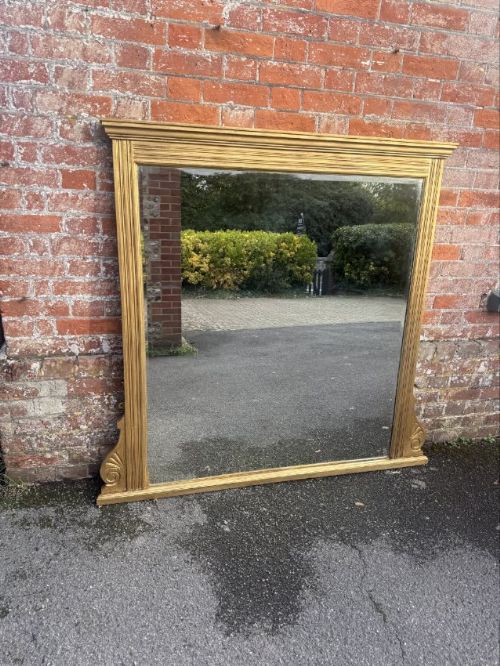
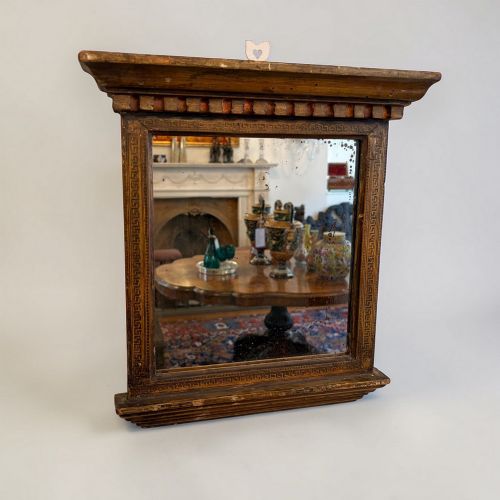
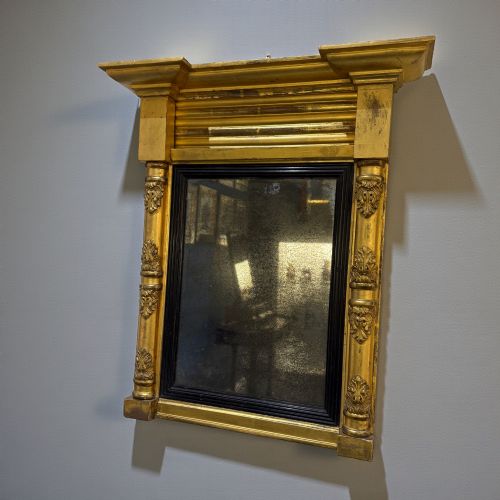
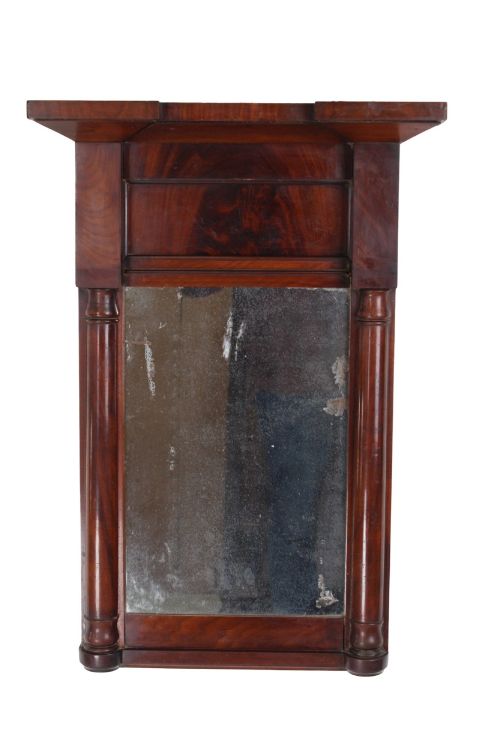
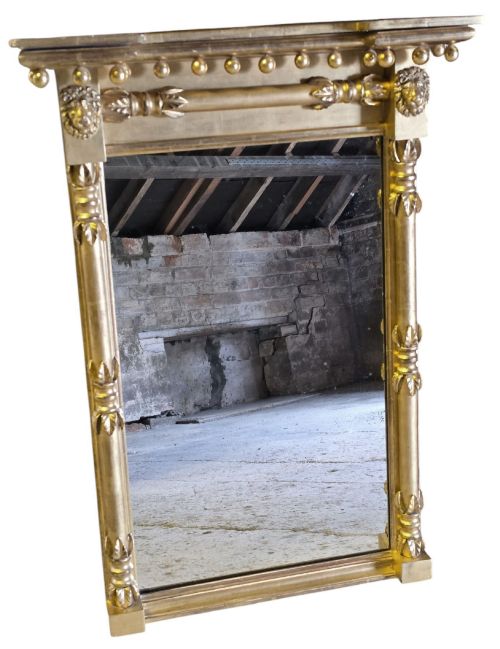
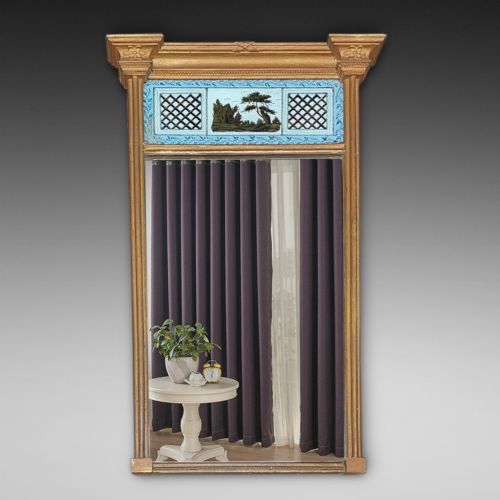
Wooden frames, often paired with gesso and giltwood or simple copper fixtures, provided the structural support necessary to mount these heavy panels into building facades and interior partitions.
Antique Architectural Glass Retail Price Guide 2026
Typical asking prices for architectural glass among the pieces listed under this phrase on Sellingantiques today, from the lower quarter to the upper quarter. They describe what is for sale here now, not the wider market.
What varies in quality
The distinction between standard commercial glazing and superior work lies in the depth and precision of the etching or cutting. Panels that retain crisp leadwork and unblemished painted details demonstrate a higher level of original workshop skill.
The integrity of the surrounding wooden frames and the preservation of the original glass surface without extensive modern repairs determine the overall integrity of the piece.
The Antique Architectural Glass Glossary
- Lead came
- The grooved lead strips used to join individual pieces of glass together in windows and panels. It provides both structural flexibility and dark linear definition to the design.
- Verre eglomise
- A cold decoration technique where design and gilding are applied to the rear face of glass. This method creates a reflective, mirror-like finish with deep visual texture.
- Vitriolite
- An opaque structural coloured glass popular in the early twentieth century for shop fronts and signs. It offers a smooth, glossy surface that resists weathering.
- Etched glass
- Glass treated with acid to eat away the surface and create frosted designs. This technique was widely utilised for privacy and advertising in Victorian commercial spaces.
Antique Architectural Glass: Frequently Asked Questions
How do I hang a heavy glass panel?
These glass panels and window fragments require secure wall fixings distributed evenly across the frame or lead support structure. Weight loads should be taken by structural wall studs rather than plaster alone.
Professional mirror plates or custom metal brackets provide the necessary support to hold heavy architectural glass safely against a wall.
Can these windows be used outside?
Most antique architectural glass panels are best suited for interior display where temperature fluctuations and harsh weather will not compromise the historical lead and glass. Placing them inside protects fragile etched or painted surfaces from further wear.
Some robust exterior doors and salvaged panels can be integrated into modern garden structures if professionally sealed and supported.
How do I date an architectural glass panel?
Dating relies heavily on the style of the lettering, the motifs used in the etching, and the manufacturing characteristics of the glass itself. Victorian pieces often feature dense floral or tavern themes, while Edwardian examples favour crisp commercial typography.
Examining the surrounding wooden frames and the composition of the lead cames offers additional clues regarding the manufacturing era.