

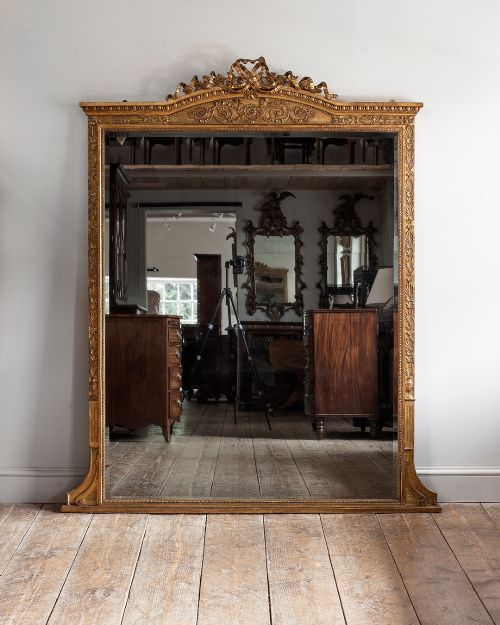
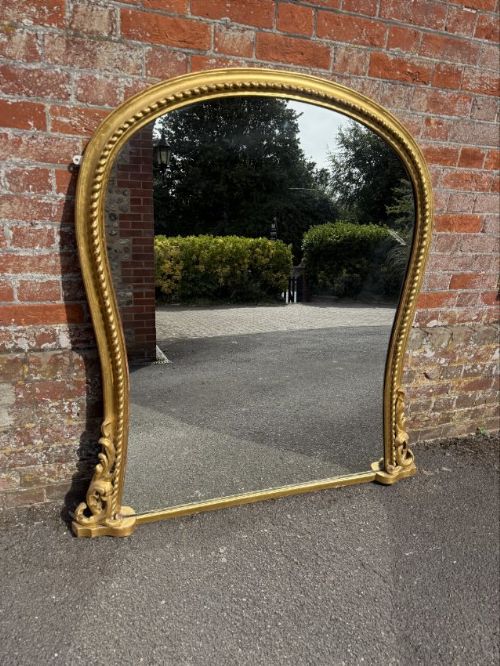

Antique Arched Mirror Frame
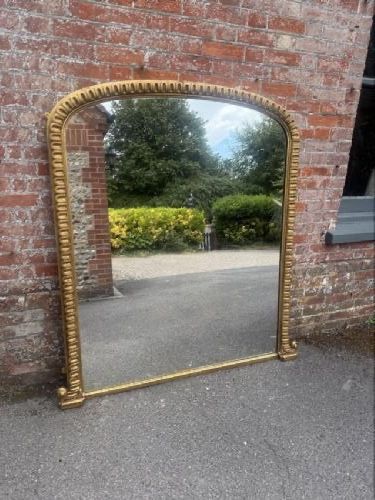
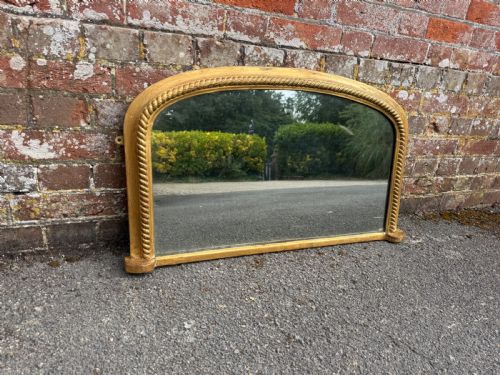
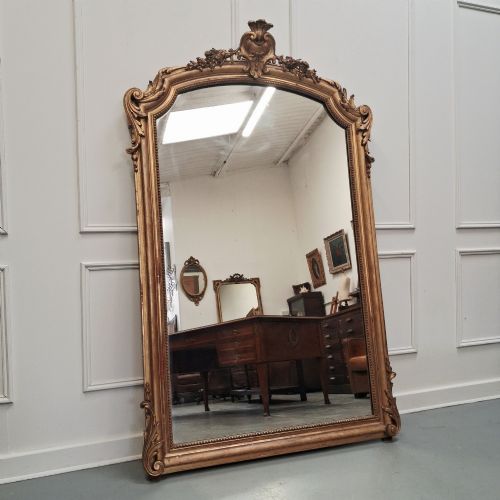
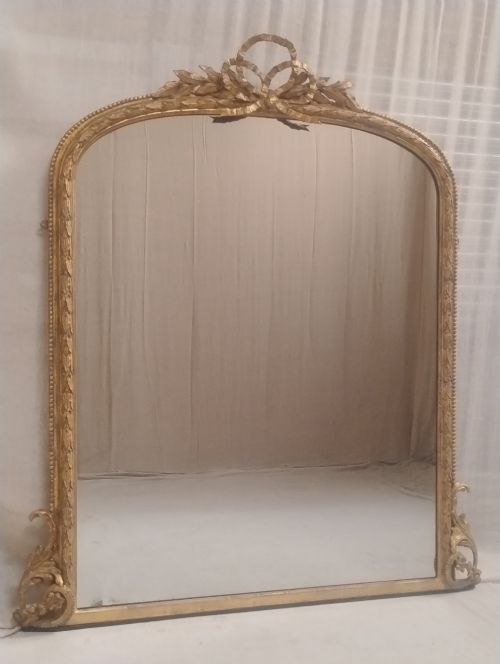
These pieces combine sweeping curves and historic glass, offering an antique arched mirror frame to anchor a room or elevate a mantelpiece.
Antique Arched Mirror Frame
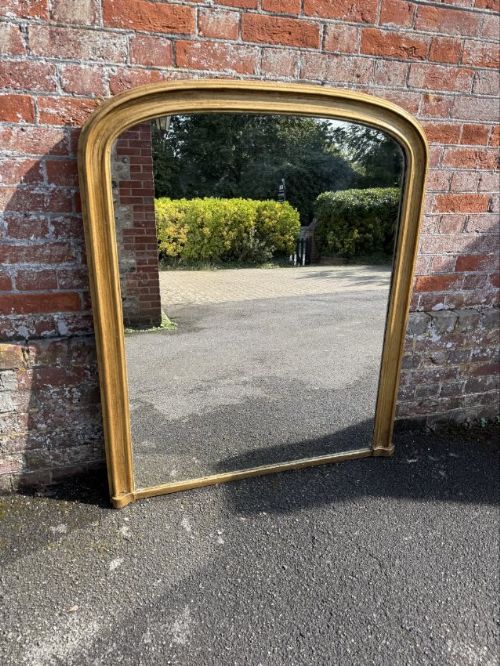
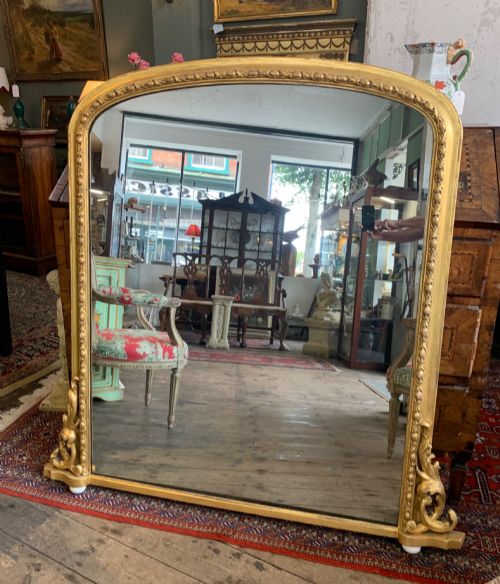
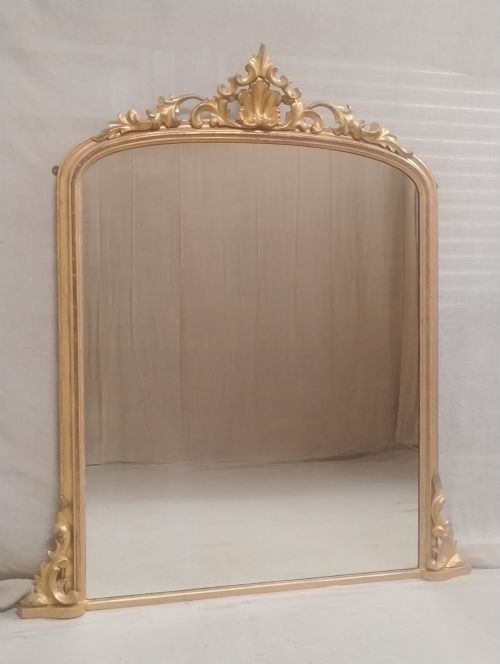
When searching for an antique arched mirror frame, buyers encounter large nineteenth-century overmantel mirrors designed to sit above fireplace openings alongside wall and pier mirrors.
The selections span English and French origins from the Victorian and Edwardian eras, featuring prominent arched tops and substantial proportions.
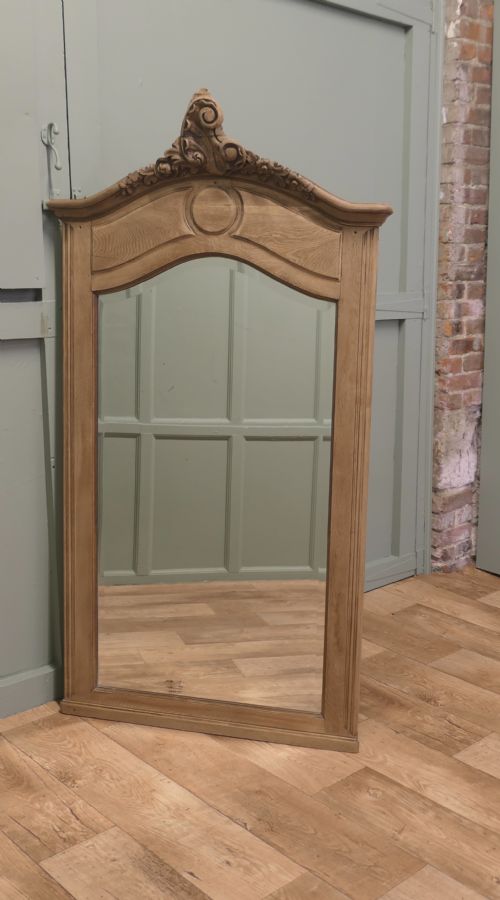
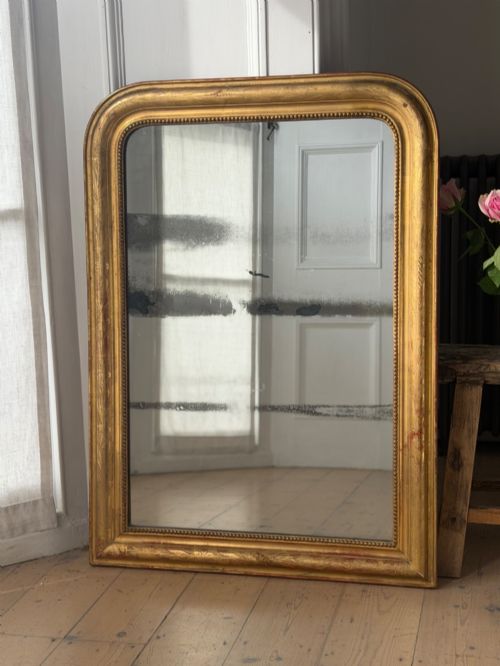
Common forms include Louis Philippe designs, ornate French provincial styles, and robust Gothic or classical oak interpretations.
How They Were Made
Craftsmen shaped frames from solid timber such as oak or constructed carcases from wood before applying layers of gesso to build up intricate surface details.
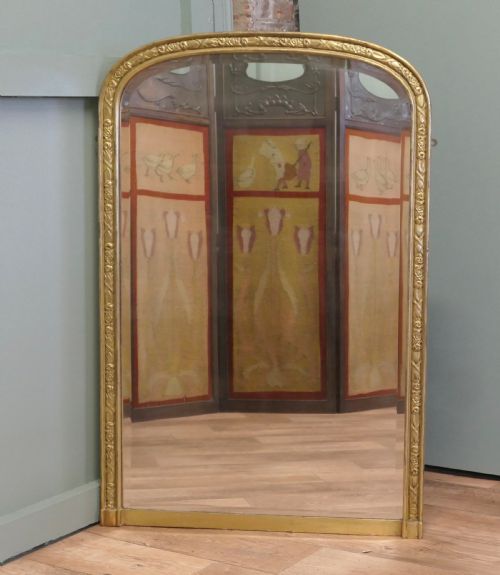
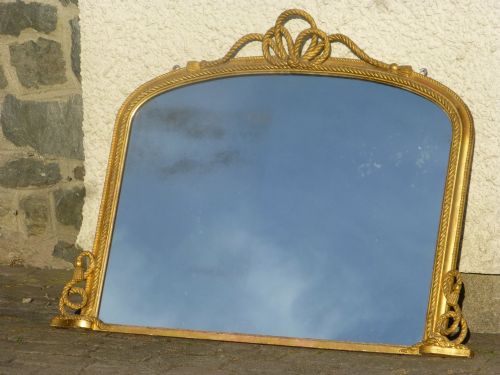
Surface decoration frequently involved gilding with gold leaf or applying paint, alongside carved motifs including rope twists, ribbon ribs, and laurel leaves.
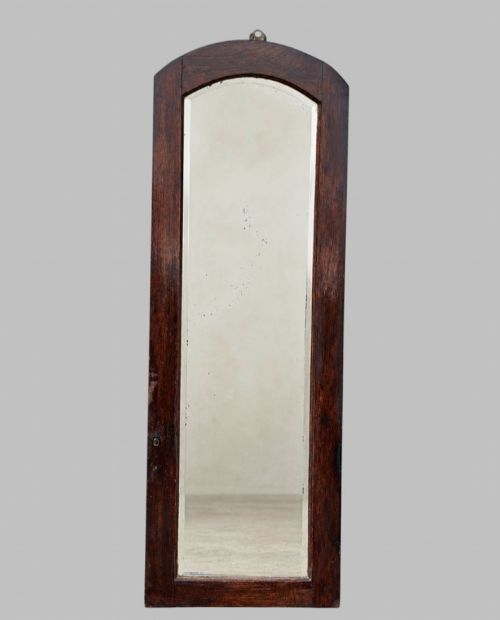
Original mirror glass, sometimes showing foxed mercury spots or bevelling, was secured within the arched rebates.
What Varies in Quality
The crispness of the carved wood and gesso ornamentation dictates the visual distinction of the frame, separating deeply articulated mouldings from softer, flatter castings.
The preservation of original gilding, painted surfaces, and early mirror glass contributes significantly to the historical integrity of the piece.
The Antique Arched Mirror Frame Glossary
- Gesso
- A plaster-like mixture applied to wood frames and carved or moulded into decorative relief details before gilding.
- Overmantel
- A large mirror specifically proportioned to hang on the wall directly above a fireplace mantelpiece.
- Louis Philippe
- A nineteenth-century French style characterised by clean architectural lines, rounded upper corners, and subtle frame ornamentation.
- Foxed
- The natural ageing of mirror glass where the silver backing deteriorates, creating characteristic dark spots and mottled patches.
- Pier Mirror
- A tall mirror designed to hang on the narrow wall space between windows.
Antique Arched Mirror Frame: Frequently Asked Questions
Where should an arched overmantel mirror be hung?
These mirrors are traditionally positioned centrally above a fireplace mantelpiece to reflect light and create a sense of height in a reception room.
They also function effectively as standalone wall mirrors in hallways or above low furniture when securely anchored to wall studs.
How do I identify a Louis Philippe mirror?
Louis Philippe mirrors typically feature gently rounded upper corners forming a flattened arch, coupled with understated framing rather than heavy ornamentation.
French examples from the nineteenth century often retain original mercury glass and simple beaded or ribbed mouldings.
What is foxed glass?
Foxed glass refers to the atmospheric spotting and discoloration that occurs in the reflective backing of antique mirrors over many decades.
Collectors prize original foxed mercury glass for the authentic historic character it brings to nineteenth-century frames.
Are these frames made of solid wood?
Many frames combine a sturdy wooden carcase with an applied layer of gesso, which allowed craftsmen to mould intricate decorative motifs like rope twists and laurel leaves.
Other examples utilise solid oak or giltwood construction depending on the English or French workshop traditions of the period.