

Antique Arched Clock
An antique arched clock brings architectural presence and reliable movement into a room, spanning tall longcase forms and compact mantel pieces.
Antique Arched Clock
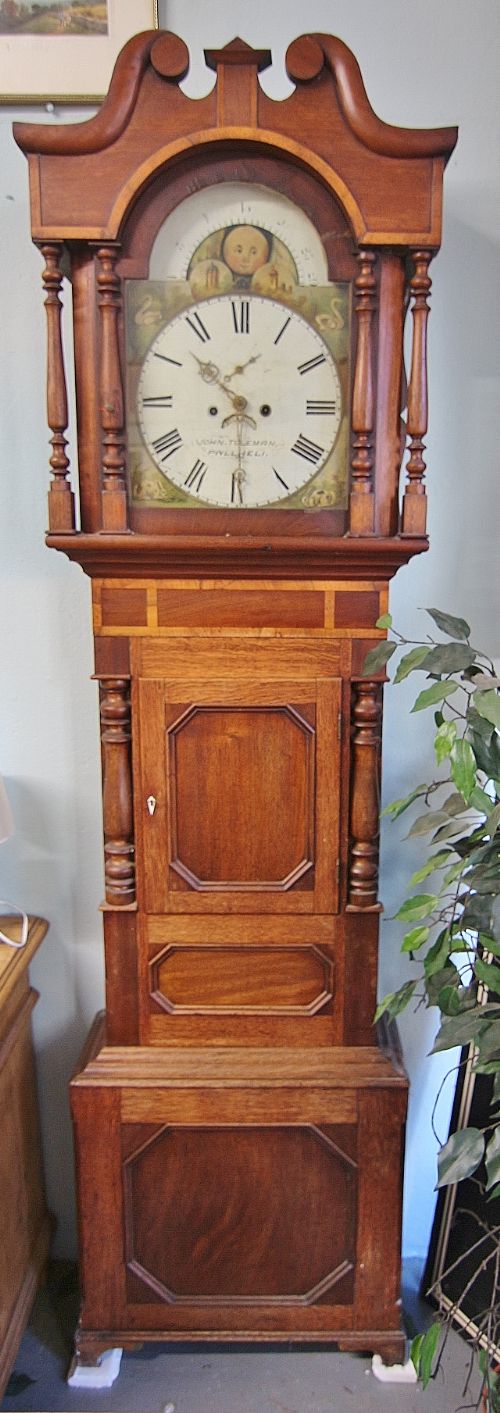
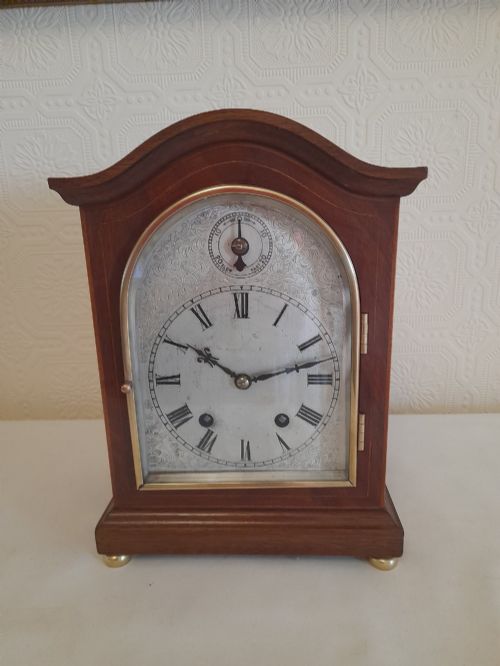
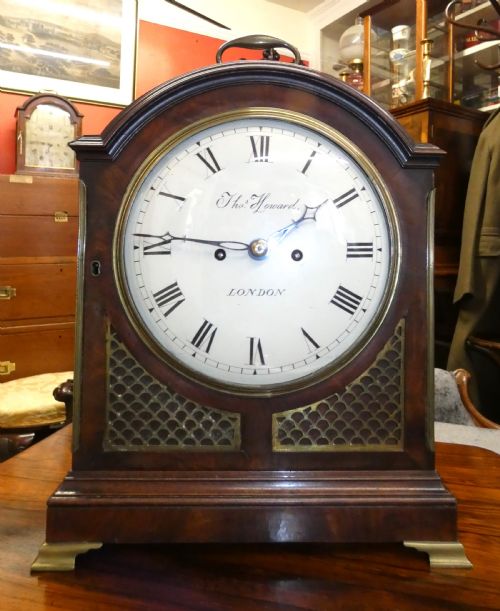
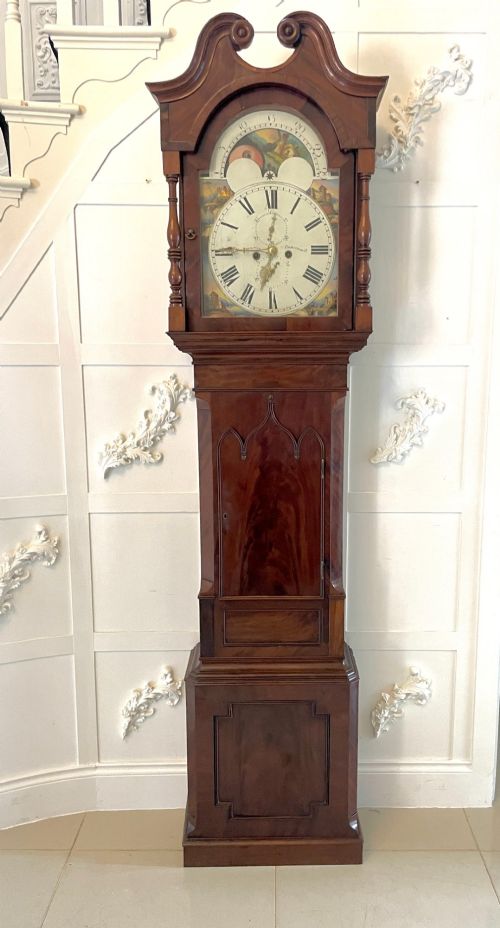
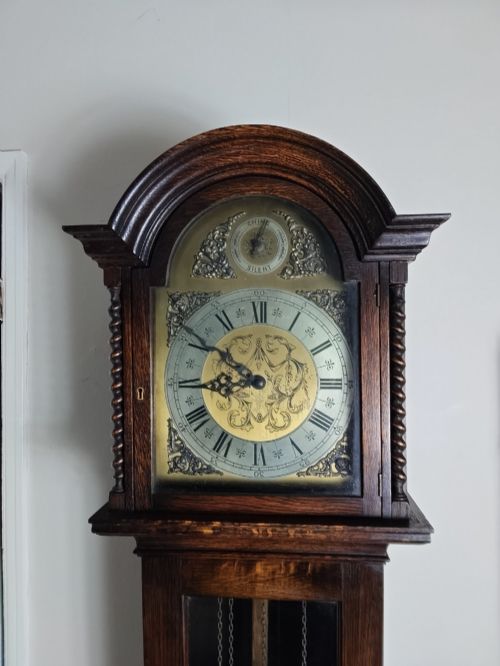
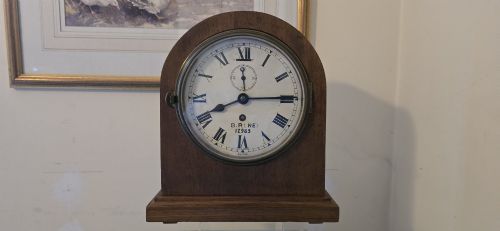
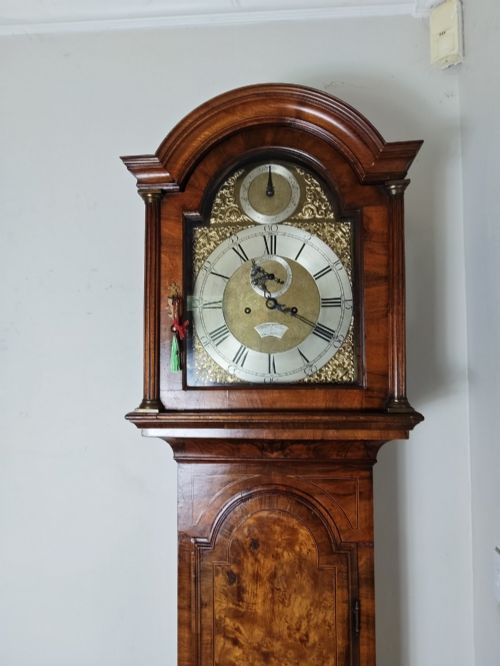
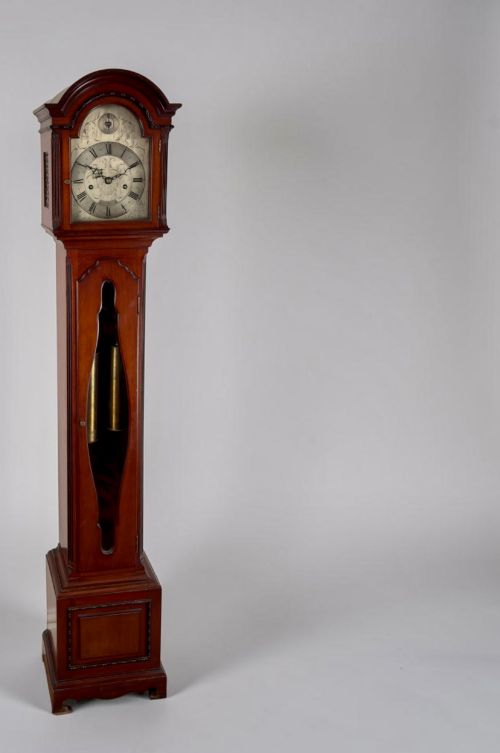
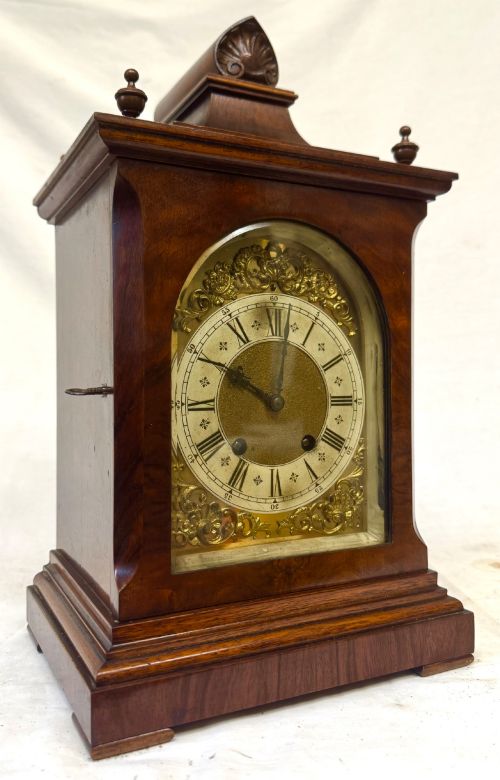
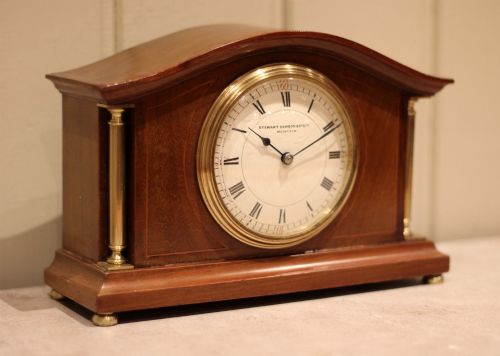
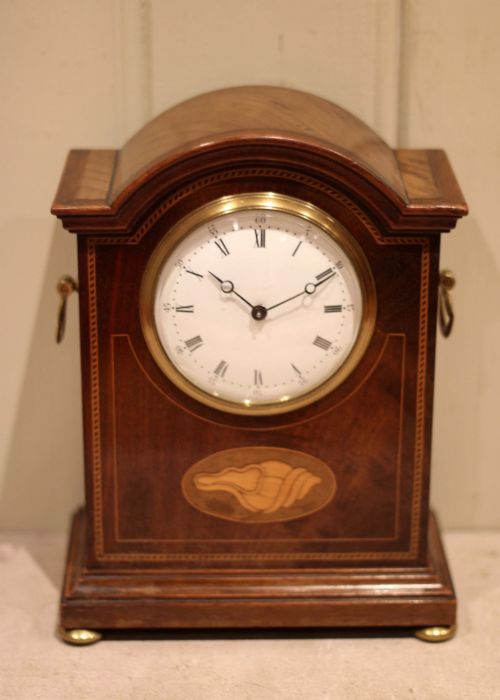
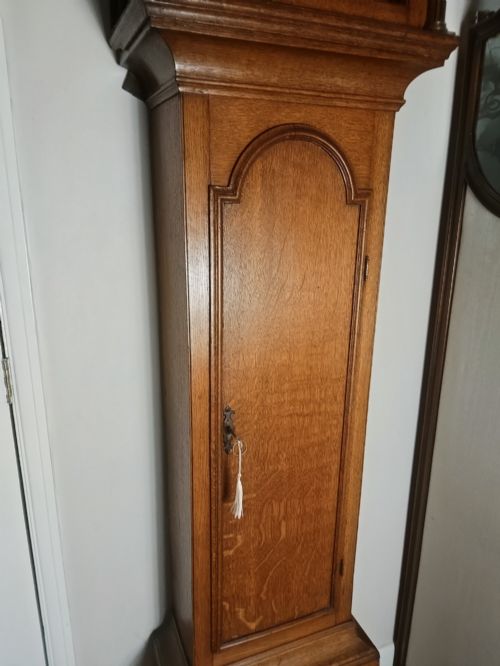
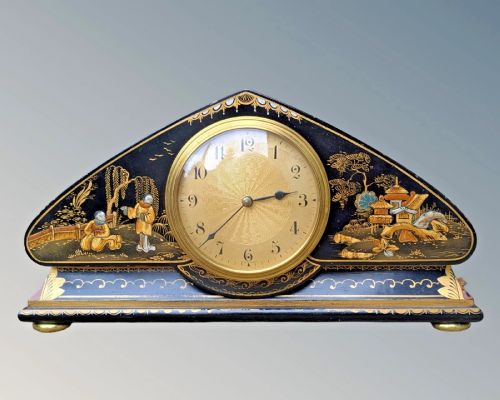
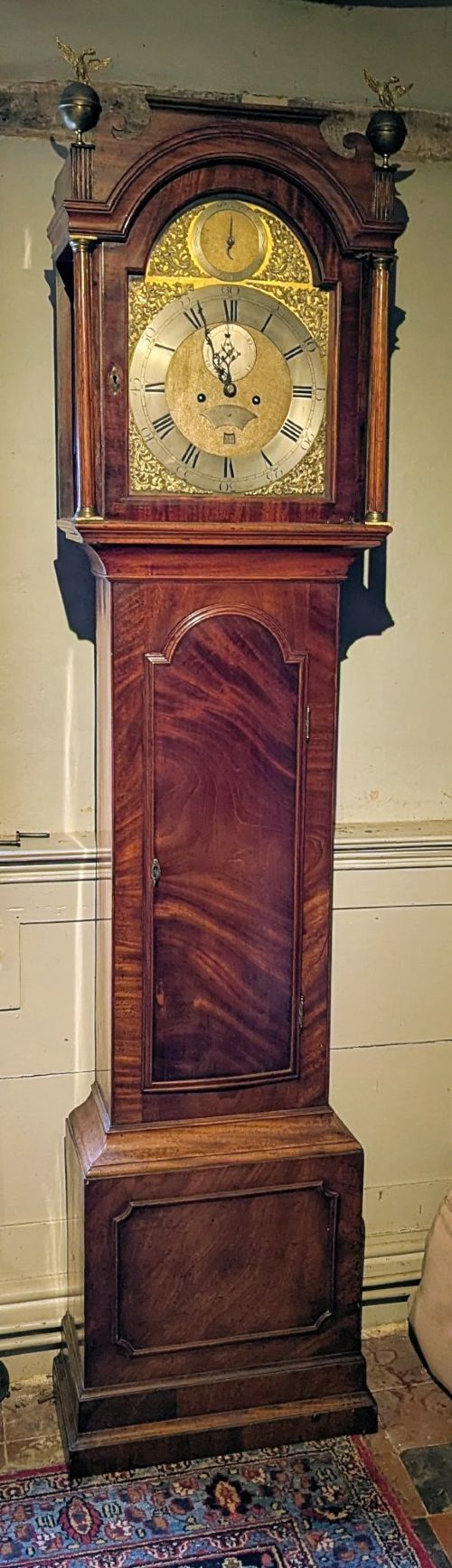
An antique arched clock encompasses several distinct formats, principally longcase clocks, grandmothers, mantel clocks, and bracket clocks. These timepieces originate across the Georgian, Victorian, and Edwardian eras, displaying architectural upper sections defined by curved top plates.
Longcase clocks dominate the taller varieties, while smaller mantel and bracket versions sit on shelves or tables. Many examples feature brass dials, painted arched faces, and visible subsidiary dials or moon rollers.
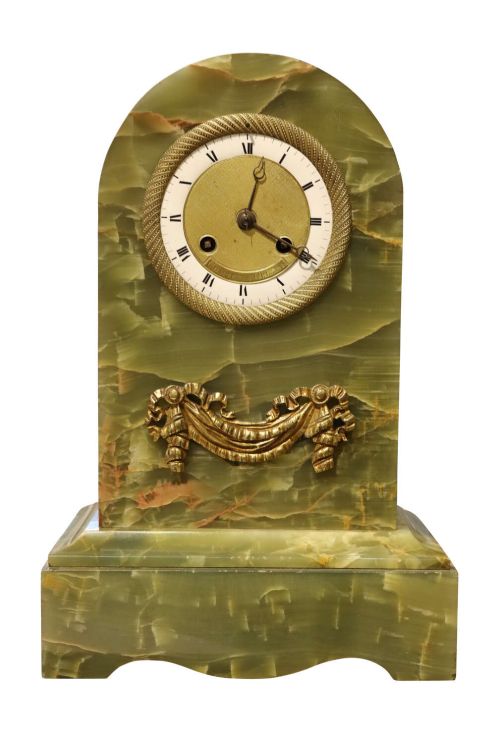
The materials span mahogany, oak, walnut, and burr walnut, alongside occasional pine and green onyx. Decorative touches include Sheraton inlay, Chinoiserie lacquer, and Gothic Revival elements.
Materials and Mechanics
Cabinetmakers constructed the wooden housings using native and imported hardwoods like mahogany, oak, and walnut, often applying burr walnut veneers or elaborate stringing and inlay. Metal components such as brass dials, steel movements, and glass bezels required specialist foundry and dial-painting techniques.
The archive and current selection span longcase, bracket, mantel, wall, and grandmother clocks across Georgian, Victorian, and Edwardian periods.
Standards of Execution
Quality rests in the crispness of the cabinetwork, the depth of figuring in veneers like burr walnut, and the subtlety of painted or engraved brass dials. Better examples retain original movement parts, uncompromised dial signatures, and balanced proportions.
The sophistication of the movement distinguishes finer pieces, particularly those with musical capabilities, triple fusee setups, or complex chiming mechanisms. Original casework integrity and matching timber patination separate superior specimens from heavily restored counterparts.
Gillett & Johnston of Croydon·James Field of Hempstead·Lenzkirch·Charles à Orléans·Benjamin Taylor·Windmills and Wightman·Barber & North of York·Desbois & Wheeler·Schneckenburger·Anthony Binks
The Antique Arched Clock Glossary
- Longcase clock
- A tall pendulum clock housed in a wooden case that rests directly on the floor. These tall clocks are frequently called grandfather clocks.
- Bracket clock
- A portable table or mantel clock originally designed to sit upon a wall bracket. They often feature brass carrying handles and glazed side panels.
- Fusee
- A conical pulley used in spring-driven clocks to equalize the driving force as the mainspring unwinds. This mechanism maintains even timekeeping throughout the power reserve.
- Moon roller
- A secondary dial mechanism that tracks the phases of the moon through a rotating painted disc. It appears behind an arched aperture on the main clock face.
Antique Arched Clock: Frequently Asked Questions
How do I wind an antique arched clock?
Most mechanical clocks require a key inserted into winding holes on the dial face to tension the internal springs or lift the hanging weights. Care must be taken not to over-wind the mechanism.
Consult the specific instructions for fusee or weight-driven systems to ensure proper handling of the pendulum and strike trains before operation.
What is the difference between a longcase and a grandmother clock?
Grandmother clocks are significantly shorter and narrower scaled versions of traditional longcase grandfather clocks. They typically measure under six feet in height.
Both styles share similar arched hood profiles and weight-driven pendulum mechanics, but grandmother clocks suit more compact modern room proportions.
Where should I place a bracket clock?
Bracket clocks suit heavy wooden sideboards, mantelpieces, or dedicated wall shelves where the striking bells can resonate clearly. They require a stable, level surface to keep the pendulum beating evenly.
Avoid placing them near direct heat sources or damp exterior walls that could warp the timber case or affect the metal movement.
How do I identify a Georgian arched clock?
Georgian examples typically exhibit classic architectural proportions, rich mahogany or oak timbers, and brass or painted arched dials bearing maker signatures. Stylistic details often include swan-neck pediments and fine bracket feet.
Examination of the interior movement and timber construction methods confirms the eighteenth-century or early nineteenth-century production period.